An 80 qt cooler provides approximately 75.7 liters of storage volume, making it the ideal high-capacity solution for multi-day camping trips, large group gatherings, or professional catering. Designed to bridge the gap between portable personal coolers and massive stationary chests, the 80-quart size typically accommodates up to 130 cans or enough provisions for a family of four for five days.
Understanding Capacity: What Does 80 Quarts Actually Hold?
When evaluating an 80 qt cooler, the first metric most users consider is volume, but the raw quart measurement can be deceptive. In the outdoor industry, "80 quarts" refers to the internal volume of the main compartment. To visualize this, 80 quarts is equivalent to 20 gallons. However, the usable space changes dramatically depending on your cooling strategy. For 2026, the gold standard for ice retention remains the 2:1 ice-to-contents ratio, which significantly reduces the "food and beverage" footprint.
In a dry-storage scenario or when using thin ice packs, an 80 qt cooler can easily hold between 120 and 135 standard 12-ounce cans. Once you introduce loose ice to maintain a safe 40°F (4°C) environment for perishables, that capacity drops to approximately 60 to 70 cans. For those planning a week-long excursion, this size is sufficient to hold three large bags of ice, several gallons of water, and enough vacuum-sealed meat and produce to sustain a small group without restocking.
Weight is a critical, often overlooked factor of this capacity. An 80 qt cooler filled with ice and water can exceed 180 pounds. This reality has driven the 2026 market toward high-performance rolling models. When purchasing, it is vital to check if the "80 qt" designation refers to the internal capacity or the external footprint, as some budget brands may include the lid and handle dimensions in their marketing figures, leading to less actual storage space than expected.
Rotomolded vs. Injection Molded: Construction for 2026
The construction method of an 80 qt cooler dictates its ice retention, durability, and price point. In the current 2026 market, consumers generally choose between three primary manufacturing styles: rotomolded, injection-molded, and specialized fabrication for patio use.
Rotomolded coolers represent the pinnacle of durability. The rotational molding process involves a heated mold filled with polyethylene powder that rotates slowly, ensuring a consistent wall thickness throughout the entire body, including corners. This creates a seamless, one-piece structure that is virtually indestructible. For an 80 qt model, rotomolding allows for thick polyurethane foam insulation (often 2 to 3 inches) in the walls and lid. This construction is what enables the "7-day ice" claims frequently seen in high-end outdoor gear.
Injection-molded coolers offer a middle ground. These are generally lighter and more affordable than their rotomolded counterparts. While they may not survive a grizzly bear encounter—a standard testing metric for high-end coolers—they are more than sufficient for weekend tailgating or beach trips. The insulation in these models is often thinner, leading to ice retention times of 3 to 5 days.
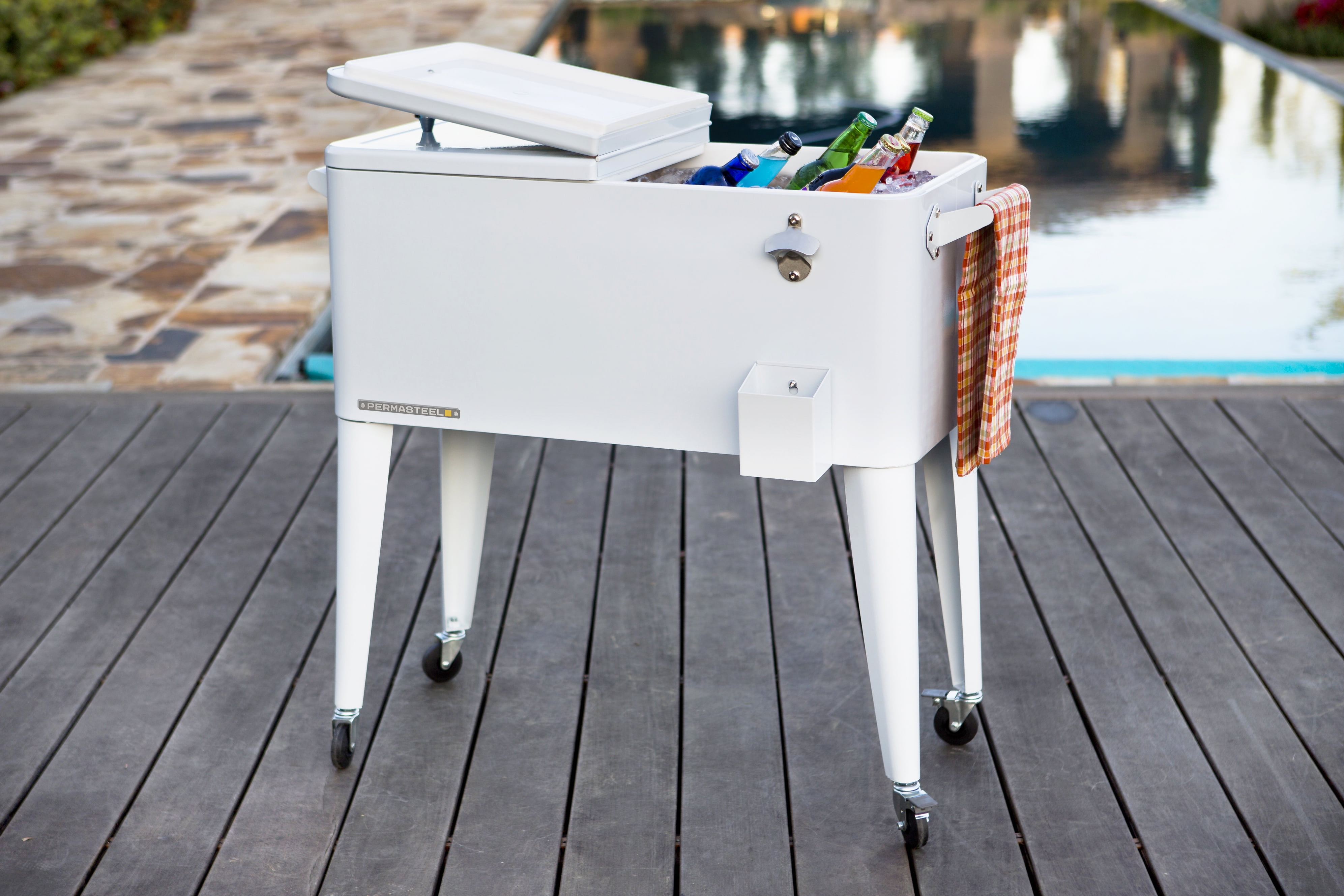
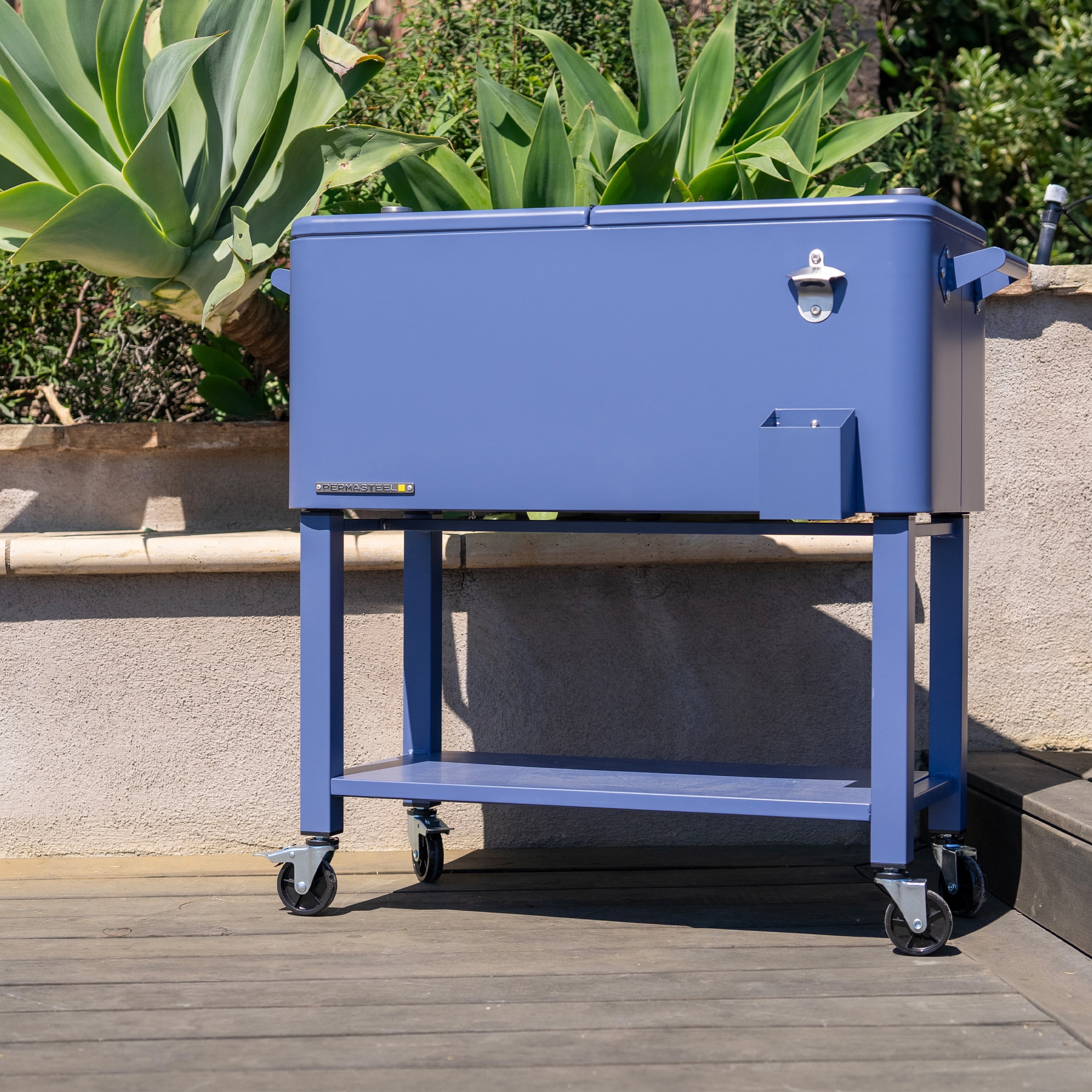
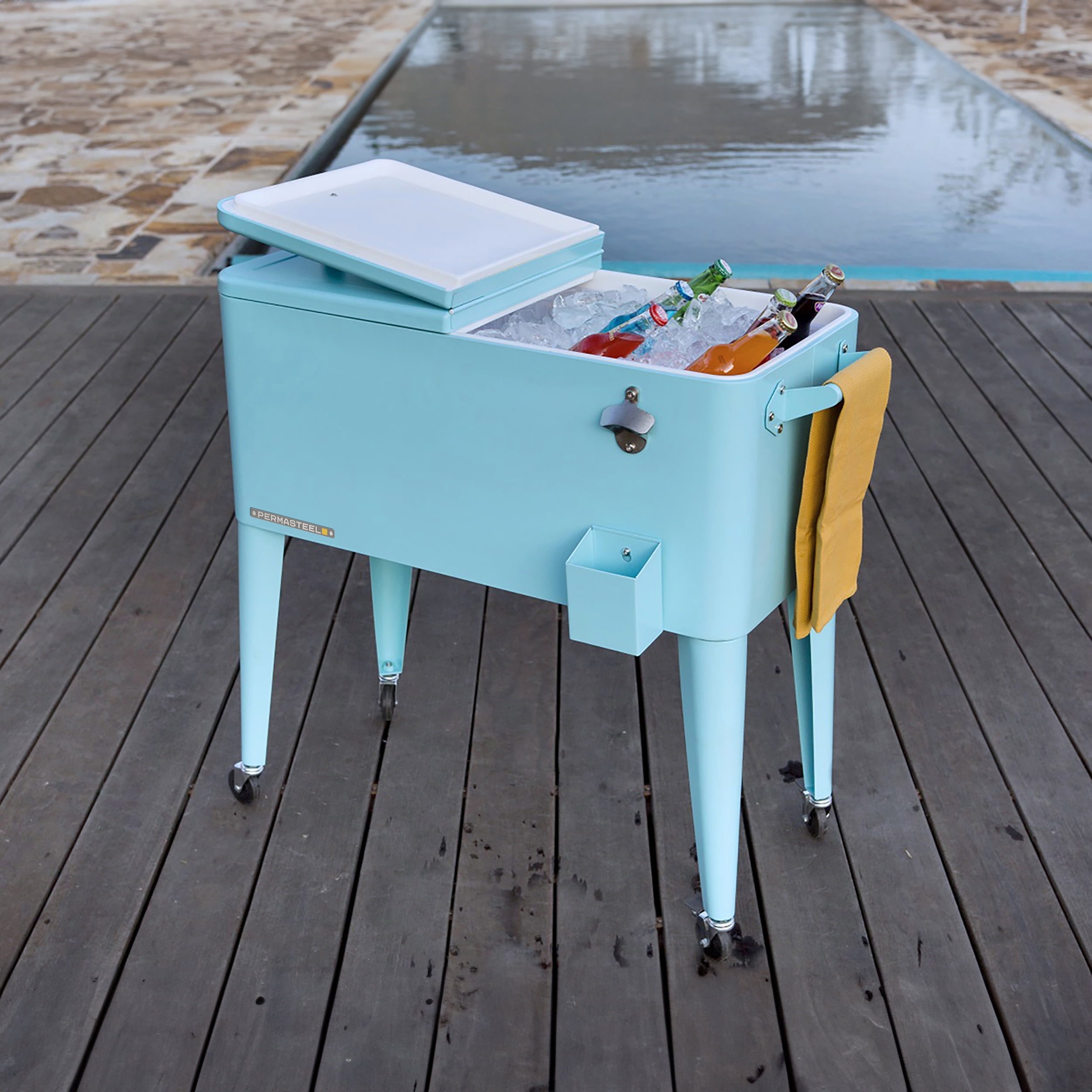
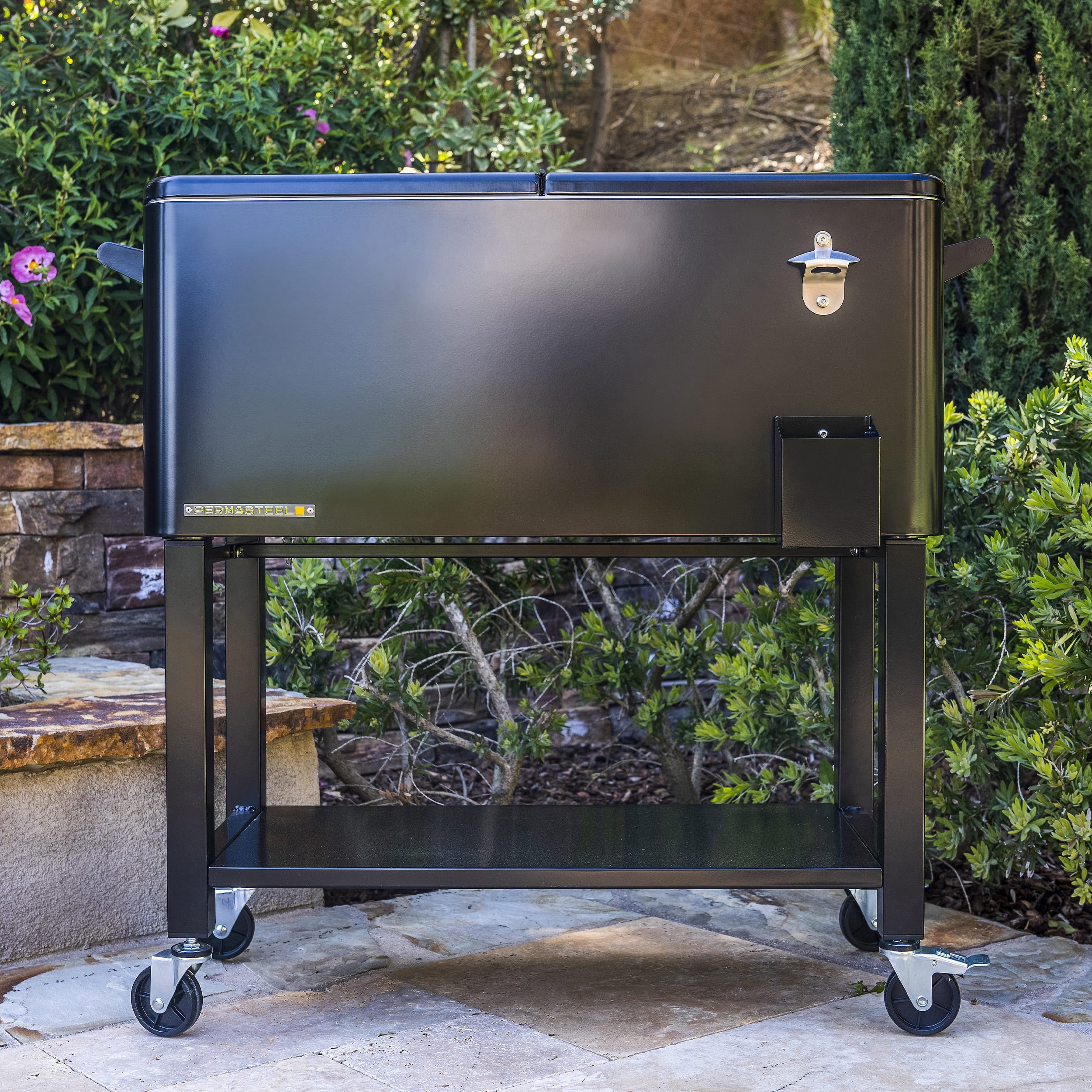
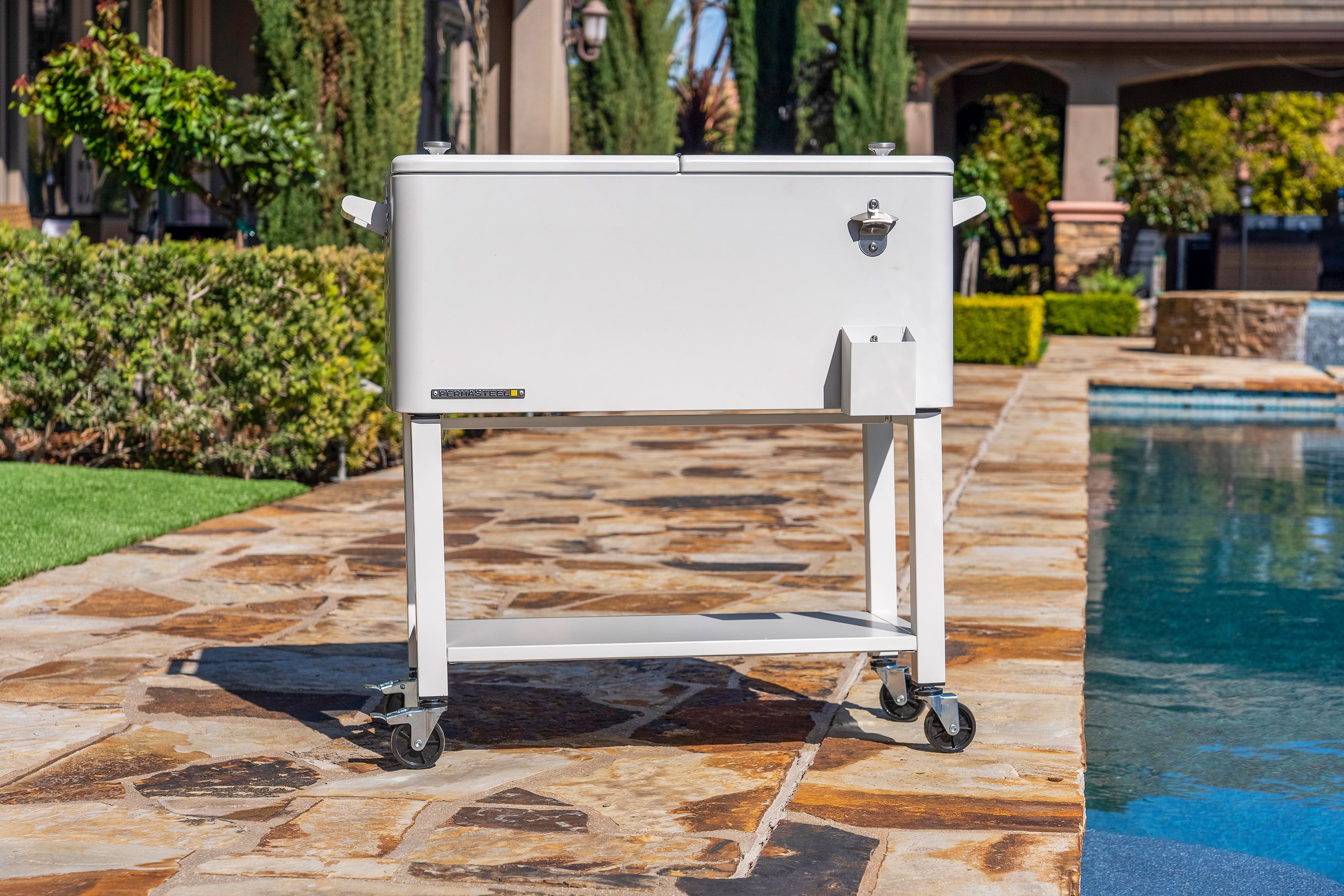
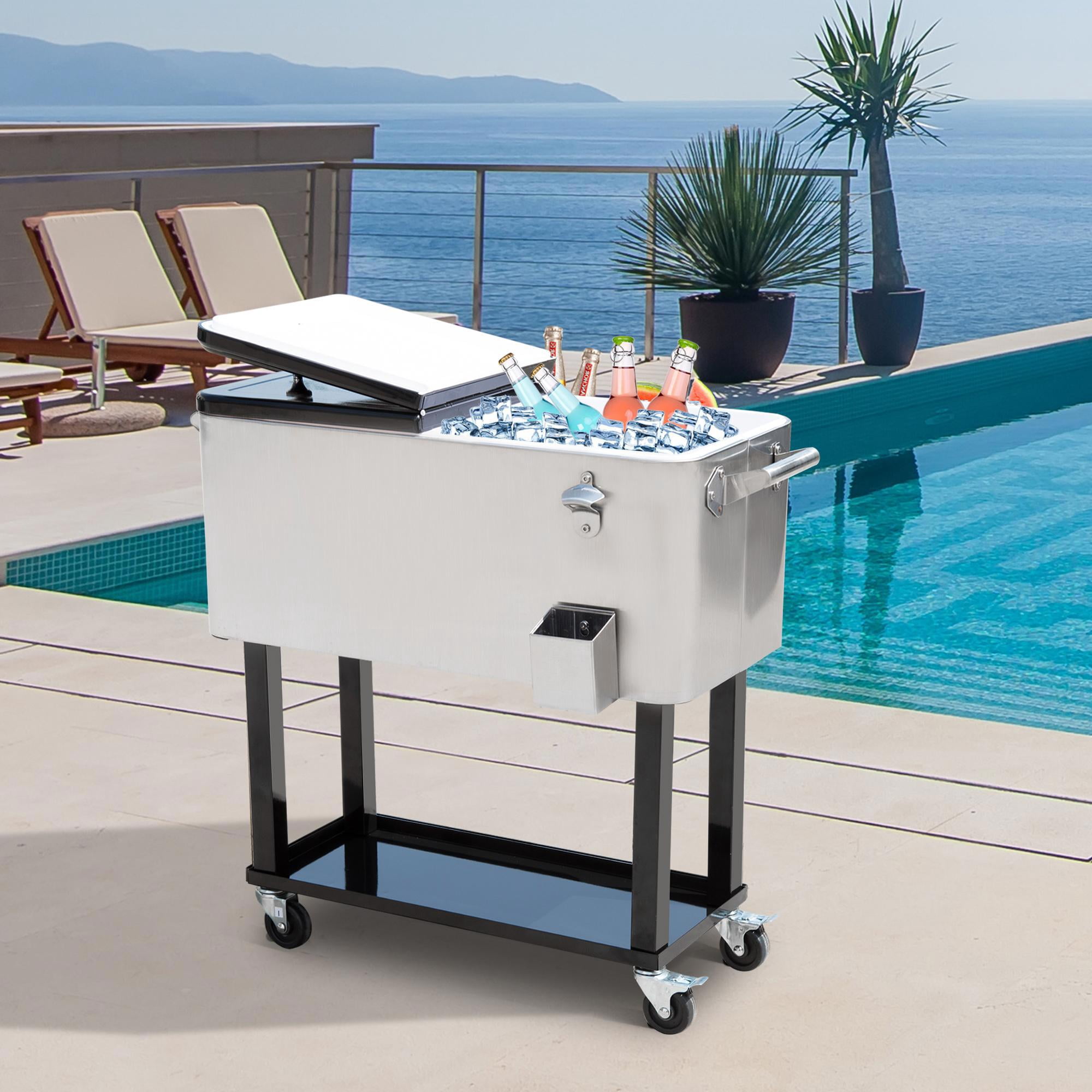
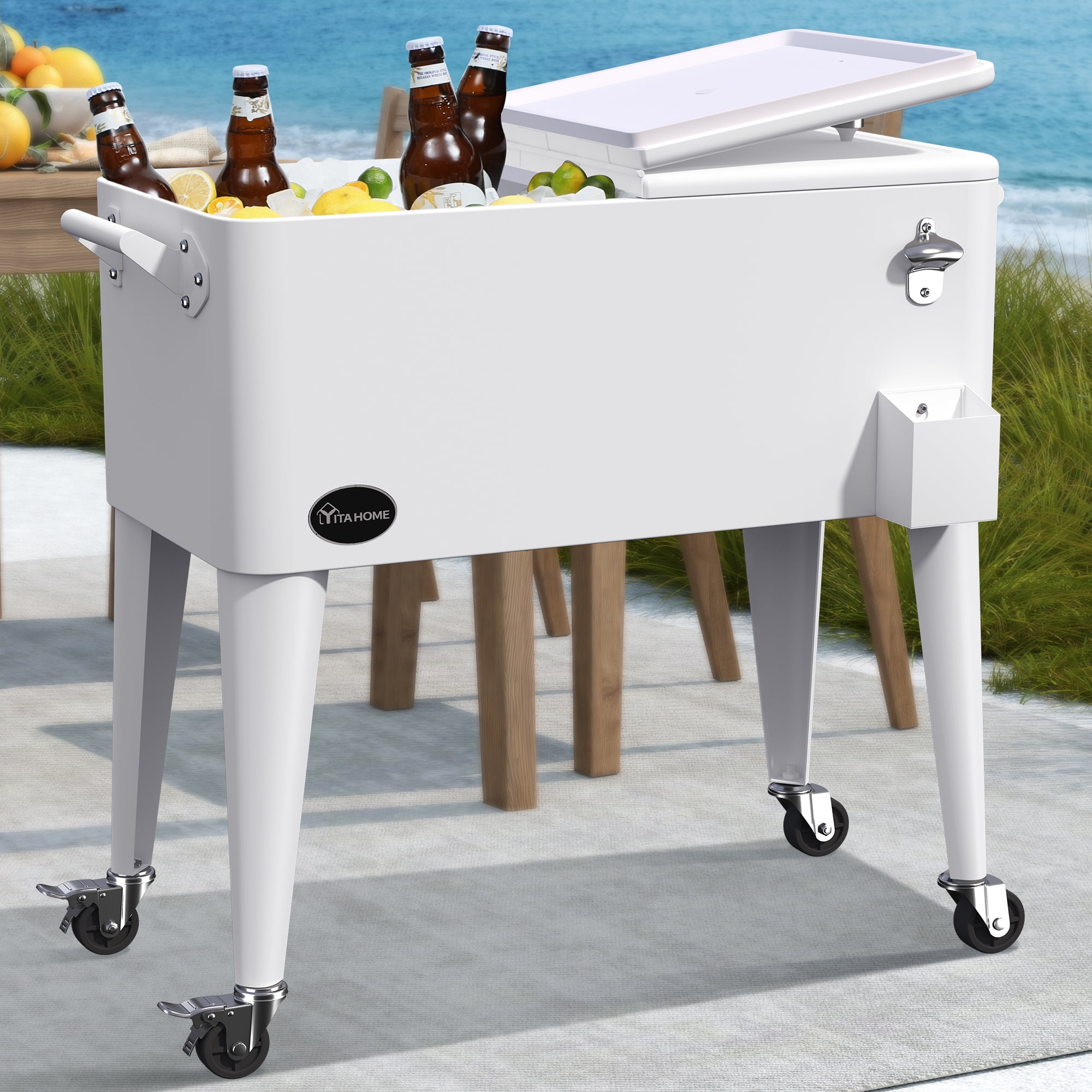
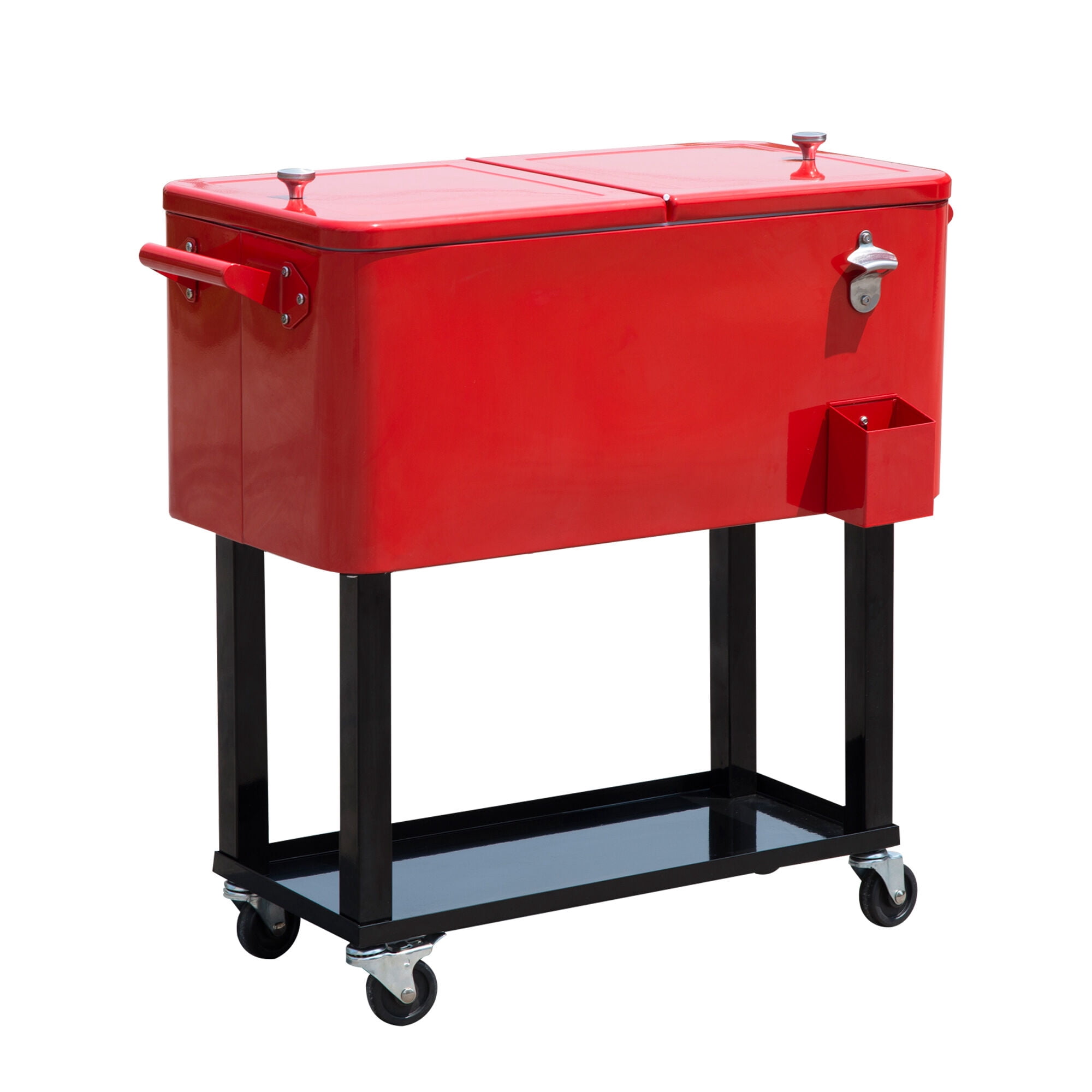
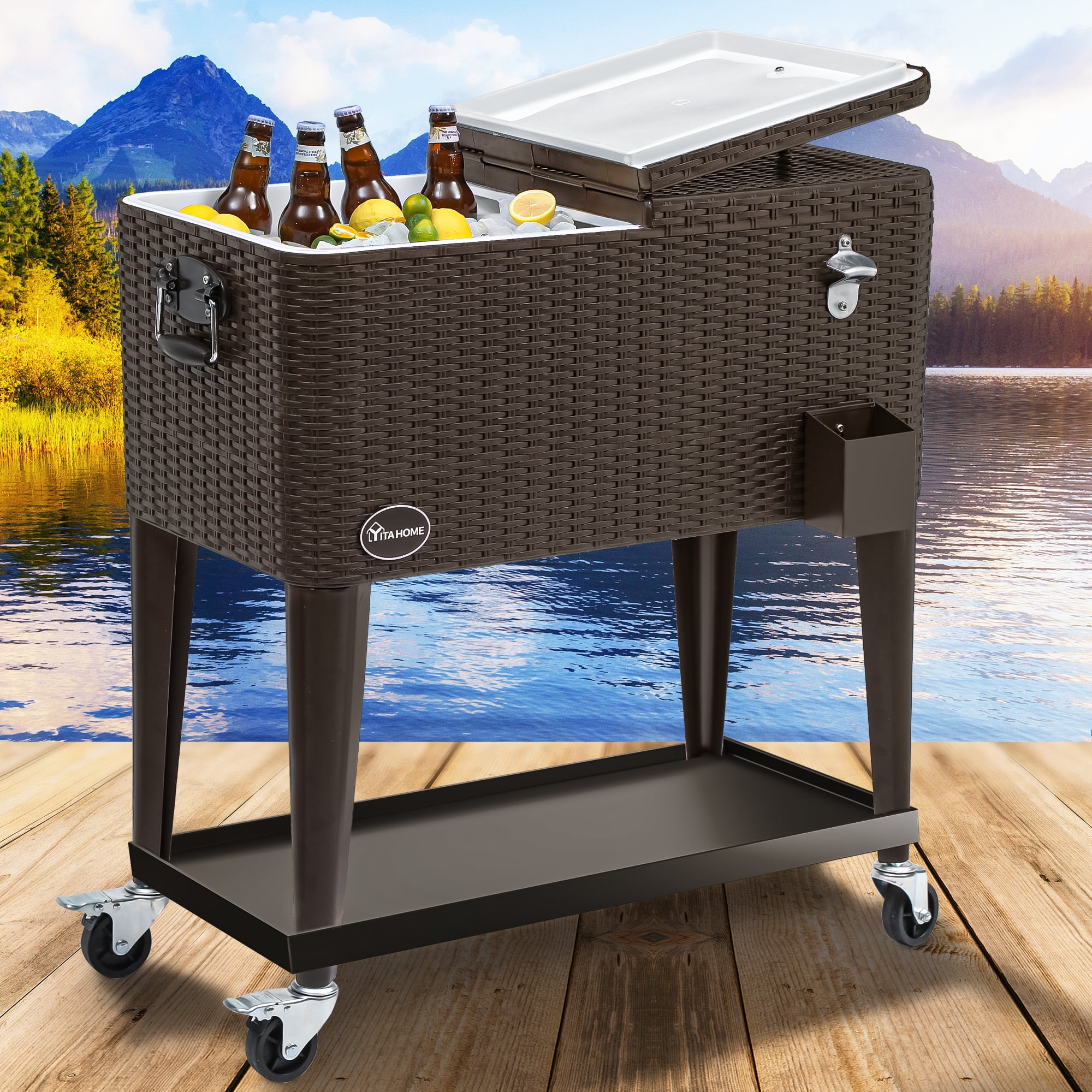
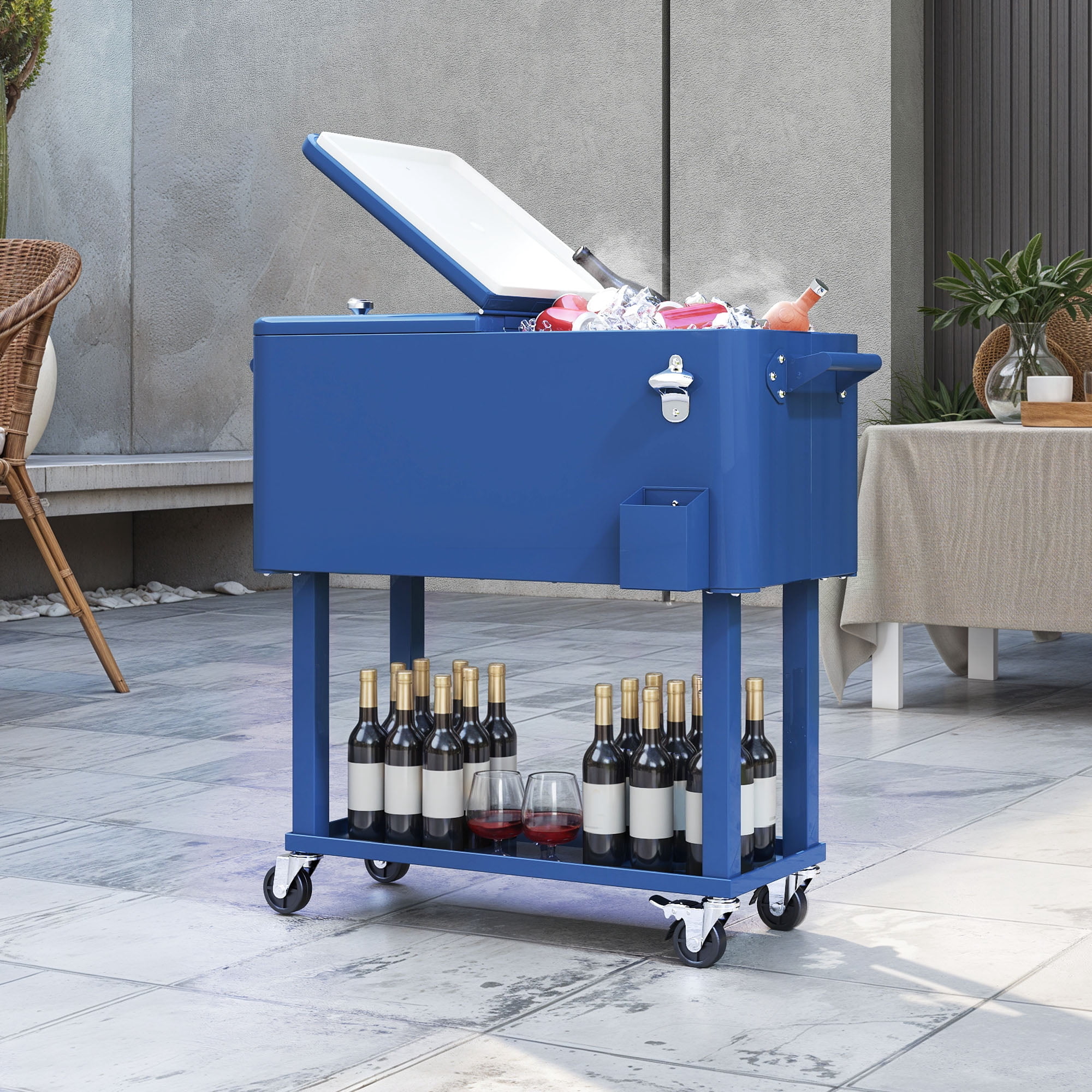
Fabricated Patio Coolers are a distinct sub-category. Often made of powder-coated steel or wicker with a plastic liner, these 80 qt units are designed for aesthetics and backyard entertaining. They usually sit on a four-wheeled cart with a bottom shelf. While they lack the ruggedness for a mountain expedition, they provide easy access via split-top lids and often include built-in bottle openers and drainage systems designed for high-volume use during parties.
Essential Features and Technical Specifications
A high-quality 80 qt cooler is an investment, and its utility is defined by its hardware. Beyond the insulation, several technical features differentiate a professional-grade chest from a basic plastic box.
Sealing and Gaskets
The lid is the most common point of thermal failure. Top-tier 80 qt coolers utilize a freezer-grade 360-degree silicone or EPDM rubber gasket. When the latches are engaged, this gasket creates an airtight seal that prevents hot air from entering and cold air from escaping. Some 2026 models now include a pressure relief valve, which is necessary because the airtight seal can create a vacuum as the internal air cools, making the lid nearly impossible to open without equalizing the pressure.
Drainage Systems
Managing meltwater is crucial for food safety and ease of transport. A superior 80 qt cooler features a recessed, sloped drain channel that directs water toward the plug without requiring the user to tilt the heavy chest. Dual-drain systems—a small plug for quick draining and a larger, garden-hose-compatible threaded plug—are becoming standard in 2026 for high-capacity models. This allows for easy cleaning and the ability to drain water away from a campsite or patio area.
Hardware and Portability
Given the potential weight of a loaded 80-quart unit, the handles must be over-engineered. Look for heavy-duty nylon rope handles with ergonomic grips or integrated molded-in handles. For rolling models, large, puncture-proof wheels (often 8 inches or larger) are essential for navigating sand, gravel, or mud. Latches should be made of durable rubber (T-latches) or cam-action metal to ensure they don't snap under the tension of a compressed gasket.
Comparison of 80 Qt Cooler Categories
The following table compares the three primary types of 80 qt coolers available in 2026 to help determine which fits your specific requirements.
| Feature | Rotomolded Adventure Cooler | High-Performance Rolling Cooler | Steel Patio Cooler |
|---|---|---|---|
| Ice Retention | 5 - 10 Days | 3 - 5 Days | 1 - 2 Days |
| Primary Use | Extended camping, hunting | Tailgating, beach trips | Backyard parties, events |
| Weight (Empty) | 35 - 50 lbs | 25 - 35 lbs | 40 - 55 lbs (with cart) |
| Durability | Extreme (Bear Resistant) | Moderate | Low (Prone to rust/dents) |
| Average Price | $300 - $500 | $150 - $280 | $120 - $250 |
| Portability | Low (Manual carry) | High (Integrated wheels) | High (Caster wheels) |
Practical Use Cases: From Tailgating to Long-Haul Camping
The 80-quart size is specifically designed for scenarios where a standard 45-quart cooler falls short but a 110-quart "monster" cooler is too cumbersome.
For extended camping, the 80 qt cooler is the "pantry." It allows a family to pack a mix of frozen items (which act as supplemental ice) and fresh produce. By utilizing internal dividers or baskets—common accessories in 2026—you can keep delicate items like eggs and bread away from the melting ice at the bottom. This size is large enough to hold a quartered deer or several large fish, making it a favorite for hunters and anglers who need to transport meat over long distances in high temperatures.
In social environments like tailgating, the 80 qt cooler excels because of its height. Most models are tall enough to hold 2-liter bottles or wine bottles upright, which prevents leaks and saves horizontal space. The rolling variants are particularly popular here, as they can be moved from a vehicle to a stadium lot with ease. Furthermore, the robust lids of rotomolded models often double as extra seating or a tabletop, with integrated cup holders and measuring rulers molded into the plastic.
Maintenance and Longevity: Protecting Your Investment
To ensure an 80 qt cooler maintains its thermal efficiency through 2026 and beyond, regular maintenance is required. The most critical component is the gasket. Over time, salt, dirt, and UV exposure can cause the rubber to dry out or crack. Applying a thin layer of food-grade silicone lubricant once a season keeps the seal supple and effective.
Cleaning should be performed after every use to prevent the growth of mold and mildew, which thrive in damp, dark environments. Use a solution of mild dish soap and warm water. For stubborn odors, a mixture of baking soda and water or a diluted bleach solution (10%) is effective. Crucially, the cooler must be stored with the lid slightly ajar; a completely sealed, damp cooler will develop a permanent "swamp" odor that can taint future food supplies.
Avoid leaving the cooler in direct sunlight for extended periods. While 2026-era plastics are treated with UV inhibitors, extreme heat can eventually cause "warping" of the lid, which compromises the airtight seal. When in use, keeping the cooler in the shade can extend ice life by up to 30%.
Frequently Asked Questions
How many bags of ice do I need for an 80 qt cooler?
For maximum performance, you should follow the 2:1 ice-to-contents ratio. For an 80 qt cooler, this translates to roughly 40-50 pounds of ice if the cooler is full. If you are only using it for a single afternoon event, two 20-pound bags are usually sufficient to keep beverages cold, provided the drinks are pre-chilled before being placed in the cooler.
Can an 80 qt cooler be used as a bench?
Yes, most rotomolded 80 qt coolers are designed to support the weight of an adult, often up to 300-500 lbs depending on the brand. However, you should avoid sitting on patio-style steel coolers or thin-walled budget models, as the lids can bow or the hinges may snap under lateral pressure.
Will an 80 qt cooler fit in a standard car trunk?
It depends on the vehicle. An 80 qt cooler typically measures about 30-34 inches in length and 18-20 inches in height. While it will fit in most SUV cargo areas and truck beds, it may be too tall or wide for the trunks of compact or mid-size sedans. Always measure your trunk opening and depth before purchasing, especially for models with large external wheels.
Is a rotomolded 80 qt cooler worth the extra cost?
The investment is worth it if you frequently take trips longer than three days or operate in extreme heat. If your primary use is backyard BBQs or day trips to the park, a standard injection-molded or rolling cooler will provide better value. The extra cost of rotomolding pays for itself in food preservation and lifetime durability for heavy outdoor use.
Finding Your Perfect Large-Scale Cooler
Selecting the right 80 qt cooler requires balancing your need for ice retention against your requirement for portability. If you are an avid camper or hunter, prioritize a rotomolded model with heavy-duty latches and a certified bear-resistant rating. For those who prioritize social convenience, look for a rolling model with a "flip-and-tow" handle and integrated cup holders.
Regardless of the model chosen, remember that the "prep" is as important as the cooler itself. Always pre-chill your 80 qt cooler by placing a "sacrificial" bag of ice inside for several hours before packing. This drops the internal temperature of the insulation, ensuring that your primary ice supply doesn't waste energy cooling down the chest itself. By selecting a unit with a robust drainage system and high-quality gaskets, you ensure a reliable cooling solution for all your 2026 adventures.