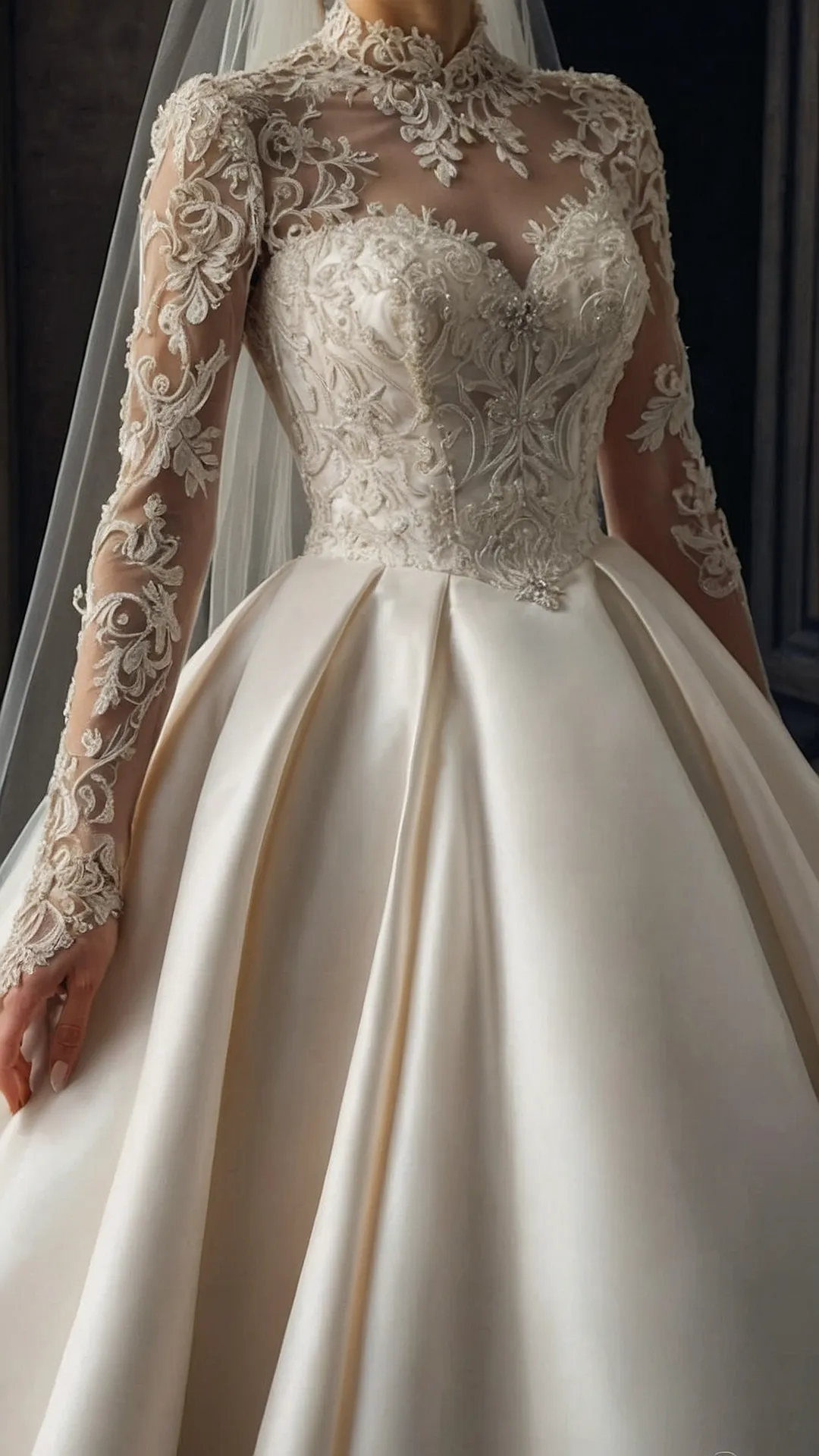
To find your perfect wedding style in 2026, you must align your personal aesthetic with a silhouette that complements your form and a fabric that suits your venue. Whether you choose a minimalist silk column or a maximalist 3D-floral ball gown, the ideal dress balances contemporary trends with timeless elegance.
The Evolution of Bridal Fashion in 2026
Bridal fashion in 2026 has moved toward a "personality-first" philosophy. No longer are brides restricted by rigid seasonal rules or traditional expectations. Instead, the current landscape focuses on high-tech fabrications, modularity, and sustainability. Designers are increasingly using bio-based silks and recycled polyester tulles that offer the same structural integrity as traditional materials but with a significantly lower environmental footprint.
The search for the perfect dress now begins with identifying a core "Style Archetype." This allows you to filter through the thousands of options available to find the specific 80 variations that define the current year's aesthetic. From the return of the "Basque waist" to the rise of the "Mini-Reception" look, 2026 is a year of bold choices and refined details.
The Romantic Aesthetic: Timeless Ball Gowns and A-Lines (Styles 1–20)
For the bride who envisions a fairytale entry, the ball gown remains the gold standard. However, the 2026 iteration of the "Romantic" style moves away from heavy, cumbersome layers toward architectural volume.
- The 3D Botanical A-Line: Featuring laser-cut petals that appear to float off the bodice, this style is perfect for garden weddings.
- The Exposed Boning Ball Gown: Incorporating sheer corsetry, this look blends historical regency with modern edge.
- The Cathedral-Length Watteau: A dress where the train starts from the shoulders, offering a regal silhouette without the weight of a traditional skirt.
- Soft Tulle Ombré: Subtle gradients of blush or champagne are replacing the stark "Optic White" for a softer, more ethereal look.
- The Square Neckline Classic: Inspired by 19th-century aesthetics but streamlined with modern crepe.
These romantic styles prioritize movement. Designers are now incorporating hidden pockets and lightweight "internal cages" to ensure that even the most voluminous skirts remain manageable throughout the ceremony and first dance.
Minimalist Sophistication: The Rise of Quiet Luxury (Styles 21–35)
The "Quiet Luxury" movement has heavily influenced 2026 bridal collections. This category focuses on the quality of the cut and the purity of the fabric rather than heavy embellishment.
- Liquid Satin Slips: High-shine, heavy-weight satin that drapes like water.
- The Architectural Column: A dress that relies on sharp darts and structured shoulders to create a powerful, chic silhouette.
- High-Neck Halters: Drawing inspiration from 90s minimalism, these dresses highlight the shoulders and back.
- Matte Crepe Midis: Perfect for city hall weddings or rehearsal dinners, emphasizing clean lines.
Minimalist dresses require impeccable tailoring. Because there is no lace or beading to hide imperfections, the fit must be exact. In 2026, many minimalist designers are offering digital twin fittings, where a 3D scan of the bride ensures the pattern is cut to her precise measurements before the fabric is even touched.
Bohemian Spirit: Ethereal and Textural Designs (Styles 36–50)
The 2026 Bohemian bride is more "Desert Noir" than "Flower Child." The look is sophisticated, utilizing artisanal techniques like macramé lace and hand-painted silks.
- Bell-Sleeved Wonders: Oversized sleeves in sheer chiffon add drama to outdoor ceremonies.
- Crochet Lace Sheaths: Heavy, textured lace that feels grounded and organic.
- Tiered Skirts with Horsehair Braids: Providing structure to lightweight fabrics like organza.
- Fringe and Tassel Details: Adding kinetic energy to the gown, perfect for brides who plan to dance all night.
These styles often feature "detachable" elements. A common trend in 2026 is the removable sleeve, allowing a bride to transition from a modest ceremony look to a sleeveless party aesthetic without a full outfit change.
High-Octane Glamour: Mermaids and Sparkle (Styles 51–65)
For the bride who wants all eyes on her, the glamour category in 2026 is about "Textural Radiance." This involves mixing different types of shine—sequins, glass beads, and metallic threads—to create a multidimensional glow.
- The Power Mermaid: A silhouette that is fitted through the mid-thigh and flares out dramatically, often reinforced with crinoline.
- Art Deco Beading: Geometric patterns that elongate the body and provide a vintage 1920s feel.
- Feathered Hems: Adding a touch of old Hollywood to the train or the neckline.
- Illusion Backs: Using skin-tone mesh to make intricate beadwork look like it is floating on the skin.
When selecting a high-glamour dress, consider the weight. A fully beaded gown can weigh upwards of 15–20 pounds. Designers in 2026 are countering this by using micro-sequins, which provide maximum shine with significantly less bulk.
The Modern Rebel: Short Dresses and Separates (Styles 66–80)
As destination weddings and multi-day celebrations become the norm, the "Non-Traditional" category has expanded. This includes bridal suits, jumpsuits, and the "Party Mini."
- Tailored Bridal Capes: A modern alternative to the veil that adds a structural element to a simple gown.
- The Silk Power Suit: Featuring wide-leg trousers and a corseted blazer.
- The 'After-Party' Mini: A short, fun dress often adorned with bows or oversized ruffles.
- Separates: A lace topper paired with a satin skirt, allowing the bride to mix and match sizes or styles.
These options are particularly popular for brides who value rewearability. A silk bridal blazer or a lace topper can easily be integrated into a post-wedding wardrobe, making them a sustainable and practical choice.
Comparison of 2026 Bridal Silhouettes
Choosing the right silhouette is the foundation of your wedding style. The following table compares the most popular 2026 silhouettes based on venue suitability and body type alignment.
| Silhouette | Best For | Venue Type | Style Personality |
|---|---|---|---|
| A-Line | Most body types | Garden, Vineyard, Estate | Romantic & Balanced |
| Ball Gown | Pear-shaped, Tall | Cathedral, Grand Ballroom | Regal & Dramatic |
| Mermaid | Hourglass, Athletic | Luxury Hotel, Modern Loft | Sexy & Glamorous |
| Sheath | Petite, Slender | Beach, City Hall | Minimalist & Chic |
| Basque Waist | Creating "V" shape | Historic Mansion | Vintage & Elegant |
| Trumpet | Curvy frames | Country Club | Sophisticated & Poised |
Technical Considerations: Fabric and Construction
The "gorgeousness" of a dress is often determined by the quality of the fabric. In 2026, the industry has seen a resurgence of Mikado silk, a heavier, blended silk that holds its shape exceptionally well, making it the preferred choice for architectural designs.
Alternatively, if your style is ethereal, look for Silk Charmeuse. It has a high sheen and a liquid-like drape, though it is notoriously unforgiving and requires seamless undergarments. For those concerned with comfort, Stretch Crepe has become a staple. It offers the clean look of traditional crepe but incorporates 2–4% elastane, allowing for a full range of motion.
The internal construction of the dress is equally important. Modern gowns often include built-in shapewear and adjustable inner belts (waist stays) that shift the weight of the dress from the shoulders to the hips. This prevents the dress from slipping and ensures the bodice remains crisp throughout the day.
Frequently Asked Questions
How long before the wedding should I order my dress?
Ideally, you should order your dress 9 to 12 months before your wedding date. In 2026, while some designers offer "Fast-Track" digital manufacturing, most high-end gowns still require 6 months for production and an additional 2 to 3 months for multiple rounds of fittings and alterations.
What are the main bridal color trends for 2026?
While white is classic, "Whisper Colors" are dominating 2026. This includes Pistachio, Dusty Rose, and Icy Blue undertones. These colors are often layered under white tulle to create a "hidden" hue that only reveals itself when the bride moves or is caught in specific lighting.
Can I customize a designer dress?
Yes, most boutique designers in 2026 offer modular customization. You can often swap a neckline from one style onto the skirt of another or add custom embroidery. Always ask about "hollow-to-hem" measurements, which allow the designer to cut the dress to your height, potentially saving you significant costs in alterations later.
What undergarments are best for backless or sheer dresses?
For modern gowns with illusion backs or deep plunges, medical-grade adhesive bras and seamless, laser-cut "invisible" briefs are the standard. Many 2026 gowns come with "sewn-in cups," which provide enough support for most bust sizes, eliminating the need for a traditional bra entirely.
How much should I budget for alterations?
You should set aside 15% to 20% of your dress's cost for alterations. Even a "perfectly" sized dress will need adjustments to the hem, the bustle (the system for pinning up your train), and the bust to ensure it sits correctly. Custom 2026 tech-fittings can reduce this cost, but manual finishing is almost always required.
Finalizing Your Bridal Vision
Once you have narrowed down your favorites from these 80 gorgeous styles, the next step is to schedule a multi-designer trunk show. These events allow you to see a designer’s entire collection—not just the few pieces a boutique carries—and often provide access to exclusive customization options.
Before your appointment, document your venue's flooring and lighting conditions. A dress that looks stunning in a bright, white-walled boutique may look entirely different in a dim, wood-paneled ballroom or a sun-drenched beach. Bringing a swatch of your bridesmaid fabric or a photo of your floral mood board can also help your stylist ensure your chosen dress harmonizes with the overall aesthetic of your 2026 wedding.