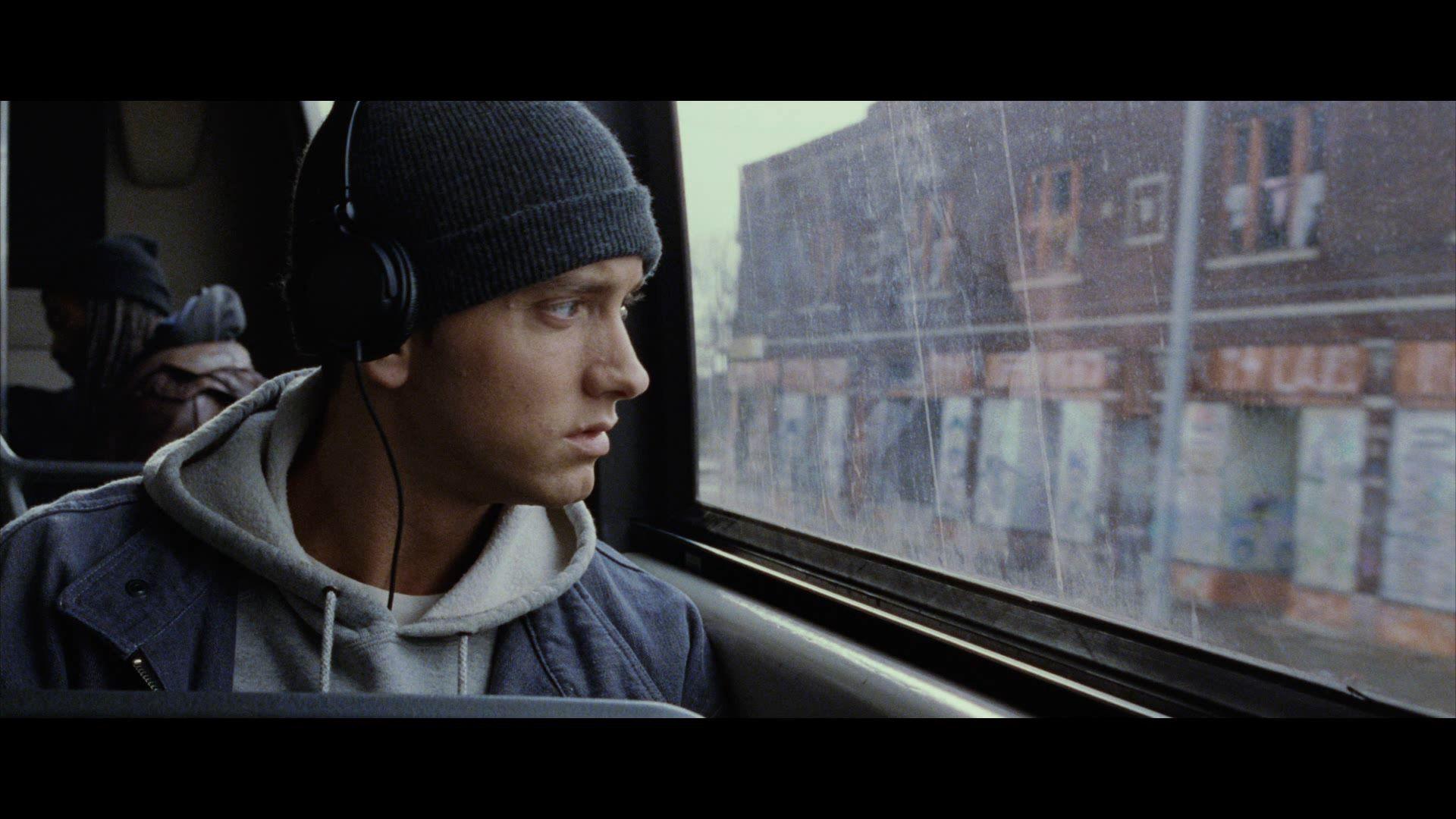
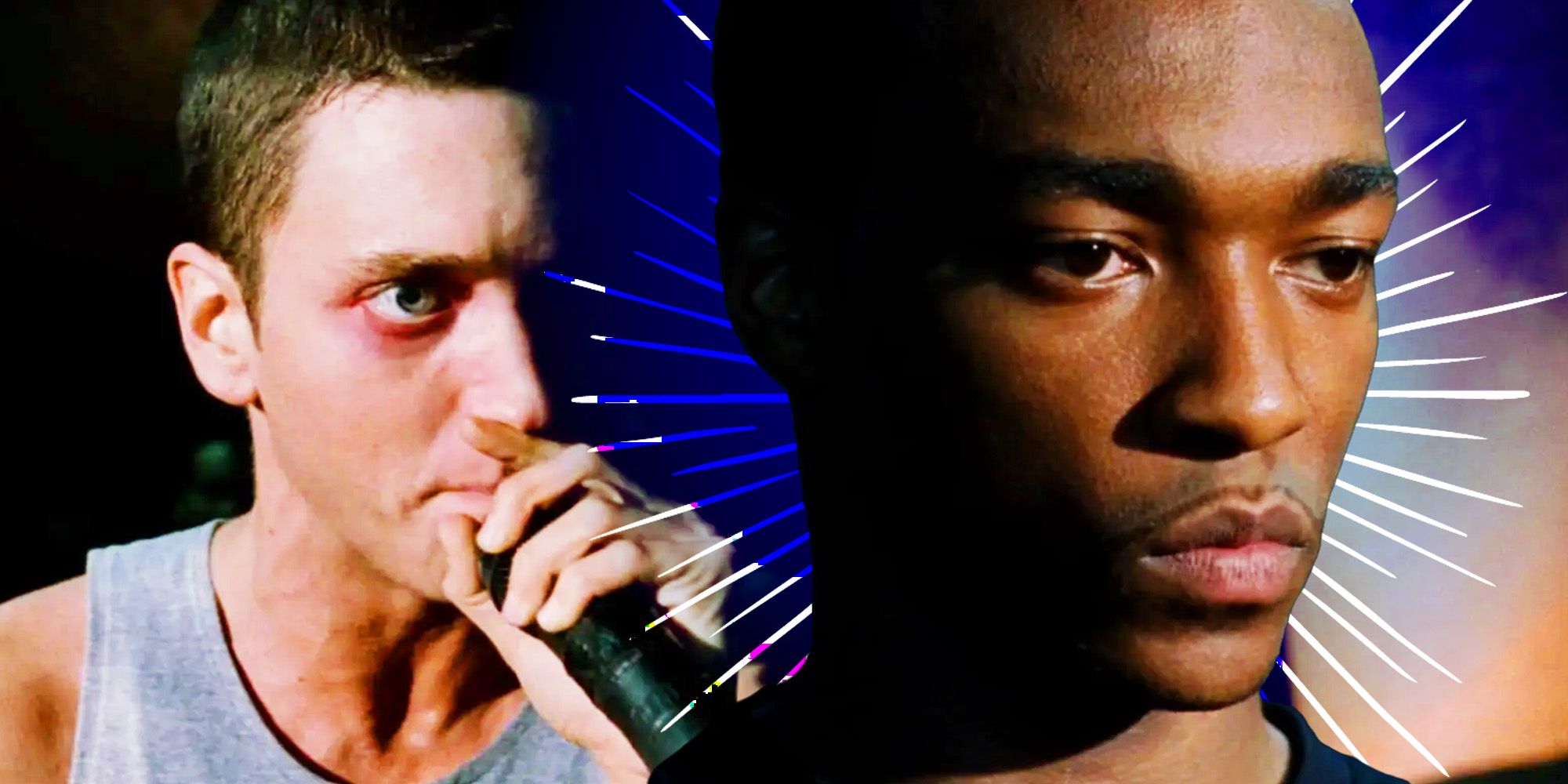
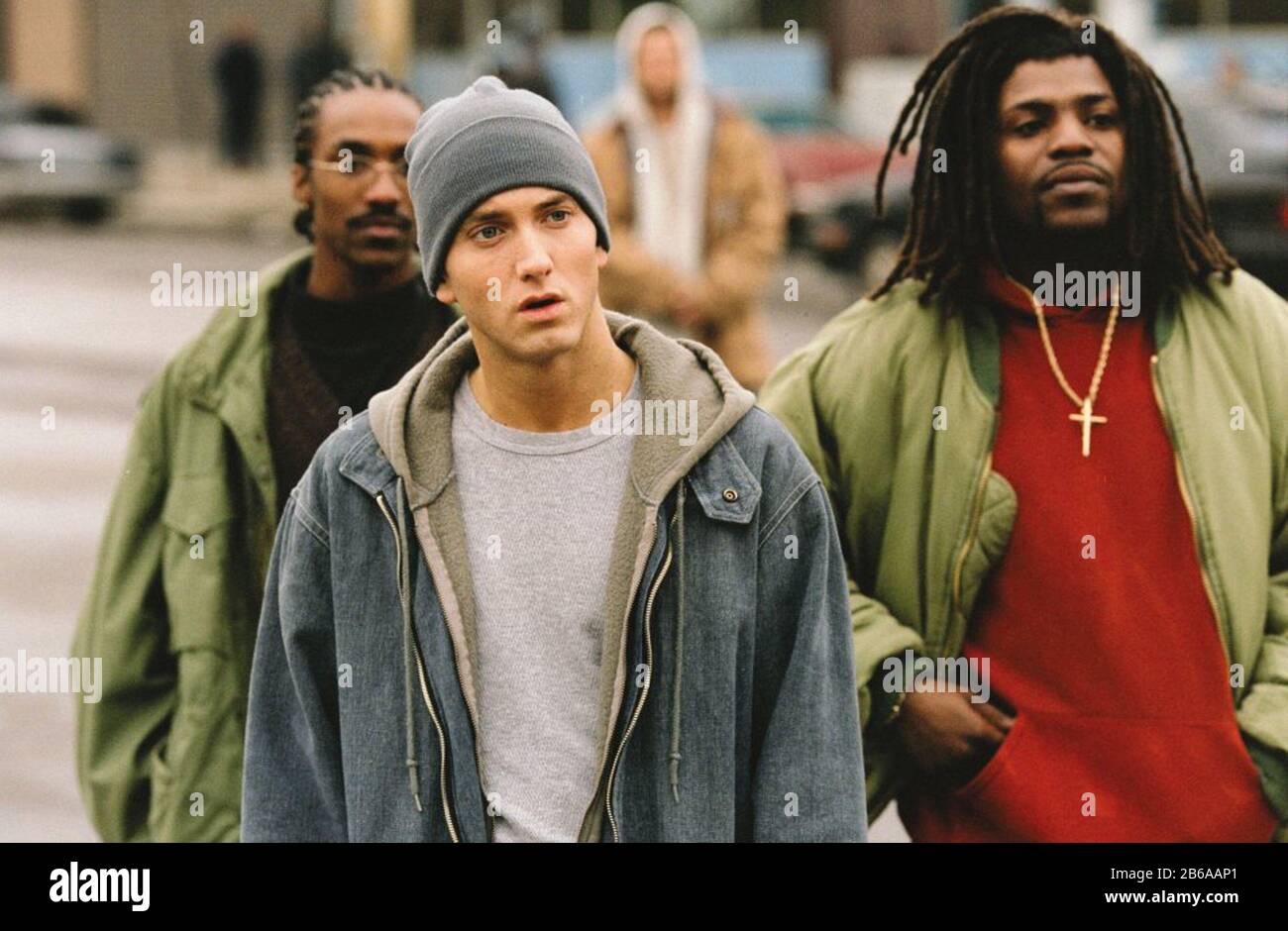
8 Mile refers primarily to 8 Mile Road, the historic boundary between the city of Detroit and its northern suburbs, and the 2002 semi-autobiographical film starring Eminem. It symbolizes the socioeconomic and racial divide in American urban history while serving as a cultural touchstone for hip-hop’s mainstream evolution and Detroit's resilient identity.
The Cultural Significance of 8 Mile Road
To understand the film or the artist, one must first understand the geography. 8 Mile Road, also known as Michigan Highway 102 (M-102), serves as the northern boundary of Detroit. While it is a physical eight-lane thoroughfare, its symbolic weight is far heavier. For decades, it represented a stark partition: the majority-Black, often economically disenfranchised city of Detroit on the south side, and the predominantly white, wealthier suburbs of Oakland and Macomb Counties to the north.
This division was not accidental. In the mid-20th century, redlining and racial covenants were used to enforce segregation. One of the most infamous symbols of this era is the "Birwood Wall" (often called the Detroit Wailing Wall), located near 8 Mile. Built in 1941, the wall was constructed specifically to separate a new white housing development from an existing Black neighborhood, a prerequisite for the developers to receive FHA-backed loans.
By the time the late 1990s arrived—the era in which the film 8 Mile is set—the road had become a shorthand for the "edge" of opportunity. Living "on 8 Mile" or just below it meant surviving in a landscape of industrial decline. This environment forged the grit and lyrical dexterity of artists like Eminem, who used the road's reputation as a narrative foundation for his rise to global stardom. As of 2026, while Detroit has seen significant "Core" revitalization, 8 Mile remains a complex corridor of small businesses, residential neighborhoods, and the lingering echoes of urban-suburban tension.
The Making of the Film: Production and Authenticity
Released in November 2002, the film 8 Mile was a critical and commercial phenomenon. Directed by Curtis Hanson (L.A. Confidential) and written by Scott Silver, the project was notable for its refusal to be a glossy "star vehicle." Instead, Hanson insisted on a gritty, realist aesthetic that captured the decaying industrial beauty of Detroit.
The production was famously rigorous. Eminem, playing the protagonist Jimmy "B-Rabbit" Smith Jr., underwent extensive acting workshops. To maintain authenticity, the film was shot almost entirely on location in Detroit and surrounding areas like Highland Park and Southfield. The "Shelter," the underground club where the film's climactic battle raps occur, was based on the real-life St. Andrew's Hall, though the film's version was a composite set designed to feel like a claustrophobic, high-stakes arena.
The casting played a vital role in the film's enduring quality. Mekhi Phifer’s portrayal of Future (based on Eminem’s real-life best friend, Proof) provided the emotional anchor, while Kim Basinger and Brittany Murphy delivered performances that highlighted the desperate domestic realities of the working class. The cinematography by Rodrigo Prieto used a muted, cool-toned palette to emphasize the cold Michigan winters and the steel-grey horizon of the city's factories.
Plot Breakdown and Character Analysis of B-Rabbit
The narrative of 8 Mile follows a week in the life of Jimmy Smith Jr., a young press operator at a car factory who has recently moved back into his mother’s trailer home. Jimmy is a talented rapper, but he is paralyzed by "choking"—an inability to perform under the pressure of the live battle rap circuit.
The film is structured as a classic hero’s journey, but with a subversion of typical "rags-to-riches" tropes. Unlike many musical biopics, 8 Mile does not end with Jimmy signing a multi-million dollar record deal. Instead, it ends with him winning a local battle and simply going back to work his night shift. This choice emphasizes the theme of self-respect over external validation.
Jimmy’s internal conflict is mirrored by his external environment. He is caught between the loyalty he feels for his friends (The Three One Third) and the toxic influence of his mother’s boyfriend and his own lack of resources. The "8 Mile" boundary is his psychological barrier; he views himself as a "tourist" in his own life, caught in a limbo where he is too white for the rap scene and too poor for the suburbs. His breakthrough occurs when he stops trying to hide his "white trash" identity and instead uses it as his primary weapon in the final rap battle against Papa Doc and the "Leaders of the Free World" crew.
Fact vs. Fiction: How Much of 8 Mile is Real?
While 8 Mile is often described as a biopic of Eminem (Marshall Mathers), it is more accurately described as a "semi-autobiographical" fiction. The film distills the essence of Eminem’s struggle into a concise narrative, but many details were altered for dramatic effect.
| Feature | Movie (B-Rabbit) | Reality (Eminem) |
|---|---|---|
| Living Situation | Trailer park at 8 Mile and Schultes. | Moved between various houses in Detroit and Warren; did live in a trailer briefly but mostly small houses. |
| Family Dynamics | Dysfunctional relationship with mother (Stephanie). | Well-documented volatile relationship with his mother, Deborah Nelson. |
| Career Path | Working at "New Detroit Stamping." | Worked as a cook and dishwasher at Gilbert's Lodge in St. Clair Shores. |
| Rap Battles | The "Shelter" at 8 Mile. | Primarily battled at the Hip-Hop Shop on West 7th Mile, hosted by Proof. |
| The "Choke" | Jimmy chokes in the opening scene. | Eminem was known for being an aggressive, confident battler early on, though he faced initial rejection. |
| Ending | Returns to work after winning the battle. | After the 1997 Rap Olympics, he was discovered by Dr. Dre and signed to Aftermath. |
The most significant departure is the timeline. The film compresses years of underground grinding into a few days. Furthermore, the character of "Future" is a direct tribute to DeShaun "Proof" Holton, Eminem’s real-life mentor and founder of D12, who was instrumental in Eminem's acceptance within the Detroit hip-hop community.
The Sound of 8 Mile: "Lose Yourself" and the Battle Rap Scene
The legacy of 8 Mile is inseparable from its soundtrack. The lead single, "Lose Yourself," became the first rap song to win the Academy Award for Best Original Song at the 75th Academy Awards. Interestingly, Eminem did not even attend the ceremony, believing he had no chance of winning; he was reportedly asleep when his name was called.
The song’s production—built on a driving guitar riff and a relentless drum beat—captured the "one shot, one opportunity" theme of the film. Beyond the lead single, the film’s soundtrack served as a showcase for 2002-era hip-hop, featuring tracks from 50 Cent (who was just rising to fame), Jay-Z, and Nas.
The battle rap scenes themselves are considered some of the best depictions of the art form in cinema history. To ensure authenticity, the "opponents" in the film were real Detroit rappers. During filming, Eminem actually engaged in off-camera freestyle battles with the extras to keep the energy high. The lyrical content was meticulously crafted to show the evolution of Jimmy’s "flow"—from hesitant and derivative to sharp, self-deprecating, and devastatingly rhythmic.
Visiting 8 Mile in 2026: Locations and Modern Context
As of 2026, 8 Mile Road continues to be a destination for fans of the film and hip-hop history, though the landscape has changed. For those looking to explore the "8 Mile" experience, several key locations remain relevant:
- The Birwood Wall (Detroit Wailing Wall): Located at 8 Mile and Birwood St., this historic site is now a designated Michigan Historic Site and features murals that commemorate the struggle for civil rights. It provides the necessary historical context for the road's reputation.
- The "Shelter" (St. Andrew’s Hall): Located on Congress St. in downtown Detroit, the basement (The Shelter) is still a premier venue for hip-hop and alternative music. While it looks different from the film's version, the spirit of the Detroit underground remains.
- The Trailer Park Site: The actual trailer park used in the film was a set, but the neighborhood near 8 Mile and Schultes Ave in Warren still retains the working-class character depicted in the movie.
- The 8 Mile / M-102 Signage: A popular spot for photos, the green highway signs indicating the 8 Mile exit are iconic symbols of the boundary.
Visitors should be aware that 8 Mile is a functional, busy commercial corridor. While it has seen improvements in infrastructure and safety over the last two decades, it remains an urban environment where standard travel precautions apply. The road is also home to a diverse array of businesses, from legendary strip clubs (which are part of the road's gritty lore) to new retail developments that signal the city's ongoing economic shifts.
Frequently Asked Questions
Is 8 Mile a true story?
It is "semi-autobiographical," meaning it is inspired by Eminem's life but not a literal account. The film uses Jimmy Smith Jr. as a proxy for Eminem to explore themes of poverty, race, and the Detroit rap scene, but specific events and characters were created for the movie's narrative structure.
Why is it called 8 Mile?
The name refers to 8 Mile Road, which serves as the 8th mile of the city's grid system starting from the Detroit River. Historically, it has served as the dividing line between the predominantly Black city of Detroit and its northern, historically white suburbs.
Did Eminem really win an Oscar for 8 Mile?
Yes. Eminem won the Academy Award for Best Original Song for "Lose Yourself" in 2003. He was the first hip-hop artist to win in this category. He eventually performed the song at the Oscars in 2020, 17 years after his win.
Can you visit the bridge shown in the movie?
There isn't one singular "8 Mile bridge" that defines the film, but many of the overpasses and industrial bridges seen in the movie are located throughout the Detroit and Highland Park areas. The most famous "bridge" imagery in Detroit lore is often the Ambassador Bridge, though it is located further south.
What happened to the character of Future?
The character of Future, played by Mekhi Phifer, was based on Eminem’s real-life friend Proof. Tragically, Proof was killed in a shooting at a club on 8 Mile Road in 2006. His death had a profound impact on Eminem and the Detroit hip-hop community.
Navigating the Legacy of 8 Mile
For those interested in the intersections of music, history, and urban sociology, 8 Mile remains an essential subject of study. Whether you are analyzing the film's screenplay for its "Hero's Journey" structure or researching the effects of mid-century housing policies on modern city layouts, the "8 Mile" name serves as a gateway to understanding the American experience.
To engage with this topic further, one should look beyond the film to the actual history of Detroit’s labor movement and the Great Migration, both of which shaped the culture that produced the "8 Mile" identity. The film is a snapshot of a specific time and place, but the road itself continues to evolve, reflecting the ongoing challenges and triumphs of one of America’s most storied cities.