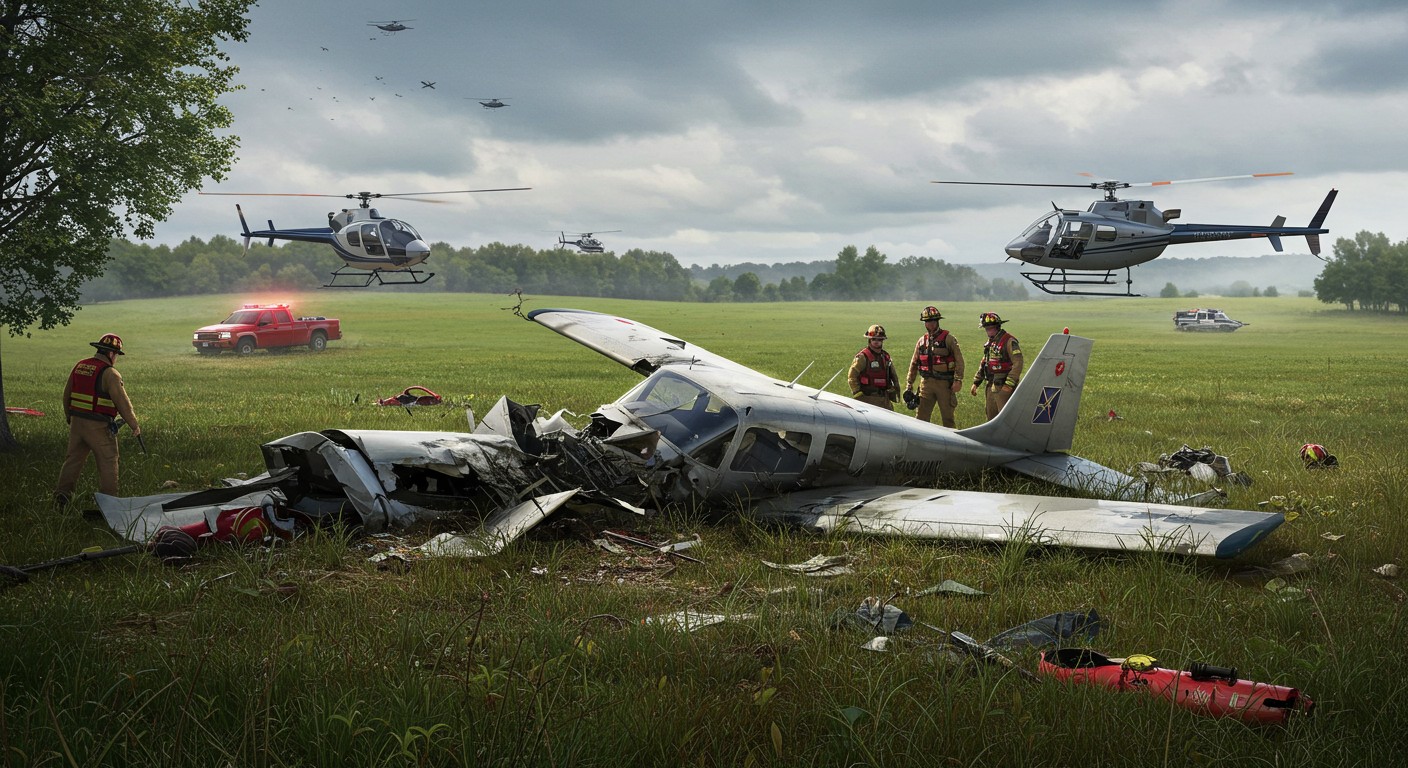
As of 2026, the Boeing 787 Dreamliner remains a cornerstone of long-haul aviation, maintaining a record of zero fatal hull losses due to mechanical failure or pilot error since its entry into service. While the aircraft is statistically one of the safest ever built, recent investigations into cockpit seat mechanisms, manufacturing quality control, and anti-ice systems have driven new FAA safety directives and rigorous maintenance protocols.
The Boeing 787 Dreamliner was a revolutionary leap in aviation technology when it debuted, utilizing carbon-fiber-reinforced polymers (CFRP) to reduce weight and improve fuel efficiency. However, the path to its current status in 2026 has been marked by significant regulatory scrutiny. To understand the "latest updates" on 787 safety, one must distinguish between catastrophic accidents—of which there have been none—and technical "incidents" that have triggered global safety investigations. This article examines the current safety landscape, the findings of recent investigations, and the technical insights that define the 787’s operational profile today.
Recent Investigation News: The LATAM Flight 800 Follow-up
The most significant recent investigation involving the 787 series stemmed from the 2024 LATAM Airlines Flight 800 incident, where a sudden mid-air drop injured dozens of passengers. By 2026, the final investigation reports from the Chilean Directorate General of Civil Aviation (DGAC) and the U.S. Federal Aviation Administration (FAA) have solidified our understanding of the event.
The investigation focused on the flight deck seating. It was discovered that a switch on the back of the pilot's seat, intended for use when the seat is unoccupied, was inadvertently depressed. This triggered a motorized movement that pushed the pilot into the control column, disconnecting the autopilot and initiating a steep dive.
In response, the FAA issued Airworthiness Directives (ADs) requiring all 787 operators to inspect cockpit seats for cracked or loose switch covers. This investigation highlighted a critical intersection between ergonomic design and operational safety. As of 2026, Boeing has rolled out a redesigned switch guard to prevent accidental activation, a modification that is now mandatory across the global 787 fleet.
Manufacturing Quality and Structural Integrity Insights
A major theme in 787 "news" over the last several years has been the investigation into manufacturing "gaps" at the South Carolina production facility. During the early 2020s, Boeing identified that some fuselage sections did not meet the exactness of 0.005 inches (the thickness of a human hair) at the join points.
While these gaps did not present an immediate flight risk, they raised concerns about long-term structural fatigue. As of 2026, the following safety insights have emerged:
- Verification of CFRP Durability: Comprehensive fatigue testing has confirmed that the composite fuselage remains resilient even with minor shimming deviations, provided they are within the newly established 2025 engineering tolerances.
- Enhanced FAA Oversight: The FAA has maintained a "Certificate of Airworthiness" process where each individual aircraft must be inspected by federal regulators rather than Boeing-designated employees—a policy that remains in place for 2026 deliveries.
- Ultrasonic Inspections: Modern maintenance schedules for the 787 now include advanced ultrasonic scanning of fuselage joins to ensure that no delamination or micro-cracking has occurred due to previous manufacturing variances.
Evolution of the 787 Battery and Electrical Systems
The 787 is known as the "More Electric Aircraft" (MEA) because it replaced traditional pneumatic systems with electrical ones. This led to the famous 2013 grounding following lithium-ion battery fires. In 2026, the safety insights gained from that crisis continue to inform battery technology in aviation.
The "fix" implemented—a heavy stainless steel enclosure and a direct-to-exterior vent system—has proven 100% effective in containing thermal runaway events. There have been no reported instances of battery-related smoke or fire entering the cabin or flight deck since the 2013 modifications. Furthermore, newer 787-9 and 787-10 models utilize an updated battery chemistry that is less prone to thermal instability, representing a significant evolution in the aircraft’s safety profile.
Current Safety Directives: Anti-Ice Systems and Engine Performance
In late 2024 and through 2025, investigations turned toward the 787’s engine anti-ice system. There were concerns that prolonged use of the thermal anti-ice system on certain engine inlets could lead to overheating of the composite components, potentially causing structural damage.
As we move through 2026, pilots follow strict "time-limited" protocols for anti-ice usage in non-icing conditions. Boeing is currently flight-testing a permanent hardware fix—a more heat-resistant inlet cowl—expected to be retrofitted across the fleet by 2027. These updates ensure that even in the absence of a "crash," the aviation industry proactively addresses theoretical risks before they manifest as accidents.
Comparative Safety Profile: 787 vs. Peer Aircraft (Data as of 2026)
The following table compares the safety and incident metrics of the Boeing 787 against its primary competitors and predecessors in the wide-body category.
| Metric | Boeing 787 Dreamliner | Airbus A350 | Boeing 777 (All Variants) |
|---|---|---|---|
| Fatal Hull Losses | 0 | 0 | 7* |
| Years in Service | 15 (Since 2011) | 11 (Since 2015) | 31 (Since 1995) |
| Primary Material | Composite (CFRP) | Composite (CFRP) | Aluminum / Alloy |
| Major Safety Recalls | Battery (2013) | Paint/Surface (2021) | Engine Blade (2021) |
| Current FAA Status | Under increased oversight | Standard oversight | Standard/High oversight |
*Note: 777 fatal losses include MH370 and MH17, which were not due to mechanical failure of the aircraft design.
Technical Analysis of the 787's Flight Control Law
One reason the 787 has avoided the "crashes" associated with other modern jets is its "Fly-by-Wire" (FBW) architecture. Unlike the 737 MAX, which relied on a single sensor for certain systems, the 787 utilizes a triple-redundant flight control system.
The 787’s "Control Laws" are designed to provide "flight envelope protection." This means the aircraft’s computers will intervene if the pilot attempts a maneuver that would stall the plane or exceed its structural limits. In the 2024 LATAM incident, it was the physical displacement of the pilot into the controls that caused the dive, but the aircraft's internal stability systems allowed for a rapid recovery once the pressure was removed from the column. This resilience is a key "safety insight" for 2026, proving that the digital backbone of the 787 is robust against both human error and environmental turbulence.
Expert Guidance: How to Verify 787 Safety Status
For passengers and industry professionals looking to stay updated on the latest 787 news, it is essential to look at the right data sources.
- Check FAA Airworthiness Directives: The FAA Regulatory and Guidance Library is the definitive source for any mandatory fixes required for the 787.
- Aviation Safety Network (ASN): This database tracks every minor incident, from bird strikes to hydraulic leaks, providing a transparent view of the 787's daily performance.
- Boeing Safety Bulletins: While often technical, these bulletins provide insights into how the manufacturer is addressing fleet-wide issues like the cockpit seat covers or anti-ice sensors.
- NTSB and International Boards: For any active investigations, the NTSB website provides preliminary and final reports that explain the "why" behind any safety event.
FAQ: Boeing 787 Safety and Investigation News
Has a Boeing 787 ever crashed?
No, the Boeing 787 has not had a fatal crash or a hull loss resulting from a technical malfunction. Its safety record is among the best in the history of commercial aviation. Most "crash news" people search for refers to the 737 MAX or minor 787 incidents that were safely managed by the crew.
What was the result of the investigation into the 787's nose-down dive?
The investigation into the 2024 LATAM flight concluded that the dive was caused by a flight deck seat switch malfunction. The switch moved the pilot's seat forward, pinning the pilot against the controls. This led to an immediate FAA directive to inspect and repair seat switches across the entire global 787 fleet.
Are there still concerns about the 787's "gaps" in the fuselage?
As of 2026, the FAA and Boeing have concluded that while the manufacturing gaps in early models were a quality control failure, they do not pose an immediate safety risk. Aircraft are now subject to more frequent structural inspections, and the manufacturing process in North Charleston has been overhauled with new precision measurement tools.
Is the 787 safe to fly in 2026?
Yes. Based on all available data from the FAA, EASA, and independent safety analysts, the 787 is extremely safe. The "investigations" frequently mentioned in the news are a sign of a functioning safety culture where minor defects are identified and corrected before they can lead to an accident.
What happened to the 787's battery problems?
The lithium-ion battery issues that grounded the fleet in 2013 were resolved with a redesigned containment system. In the 13 years since that grounding, there has not been a single safety-critical battery incident on a 787.
Recommended Actions for 2026 and Beyond
For travelers and operators, the "latest updates" on the 787 should be viewed as a testament to the rigorous nature of aviation safety. The fact that an accidental seat movement or a minor fuselage gap triggers a global investigation is evidence that the system works. In 2026, you can continue to fly the 787 with confidence, provided you remain informed through official channels. If you are an aviation professional, ensure all recent ADs regarding the seat switches and anti-ice systems have been integrated into your maintenance tracking software (MRO).