Healthy aging for a 75-year-old man in 2026 centers on the concept of "functional longevity"—maintaining the physical and mental capacity to perform daily activities independently and with vigor. Achieving this requires a strategic integration of progressive resistance training to combat sarcopenia, a high-protein nutrient-dense diet, proactive cardiovascular monitoring, and the cultivation of robust social networks to protect cognitive health and emotional well-being.
The Physiology of Aging at 75: Understanding the Baseline
By the age of 75, the male body has undergone significant physiological shifts. One of the most critical challenges is sarcopenia, the age-related loss of skeletal muscle mass and strength. Research indicates that after the age of 30, men lose approximately 3% to 5% of their muscle mass per decade, a process that often accelerates after 70. This loss is not merely an aesthetic concern; muscle serves as a metabolic organ, a shock absorber for the skeletal system, and the primary driver of mobility.
Furthermore, the cardiovascular system typically experiences increased arterial stiffness and a decline in maximum heart rate. Hormonally, testosterone levels have generally declined, which can impact mood, bone density, and metabolic rate. In 2026, healthcare protocols emphasize that while these changes are "natural," they are not "inevitable" in their severity. Modern gerontology shifts the focus from lifespan (how long you live) to healthspan (how long you live in good health). For a 75-year-old man, this means intervening in biological aging through lifestyle choices that optimize cellular health and systemic resilience.
Physical Activity: The Foundation of Functional Independence
For men in their mid-70s, exercise must evolve from high-impact performance to "pre-habilitation." The goal is to prevent injury and maintain the ability to reach, bend, lift, and walk without assistance.
Progressive Resistance Training (PRT)
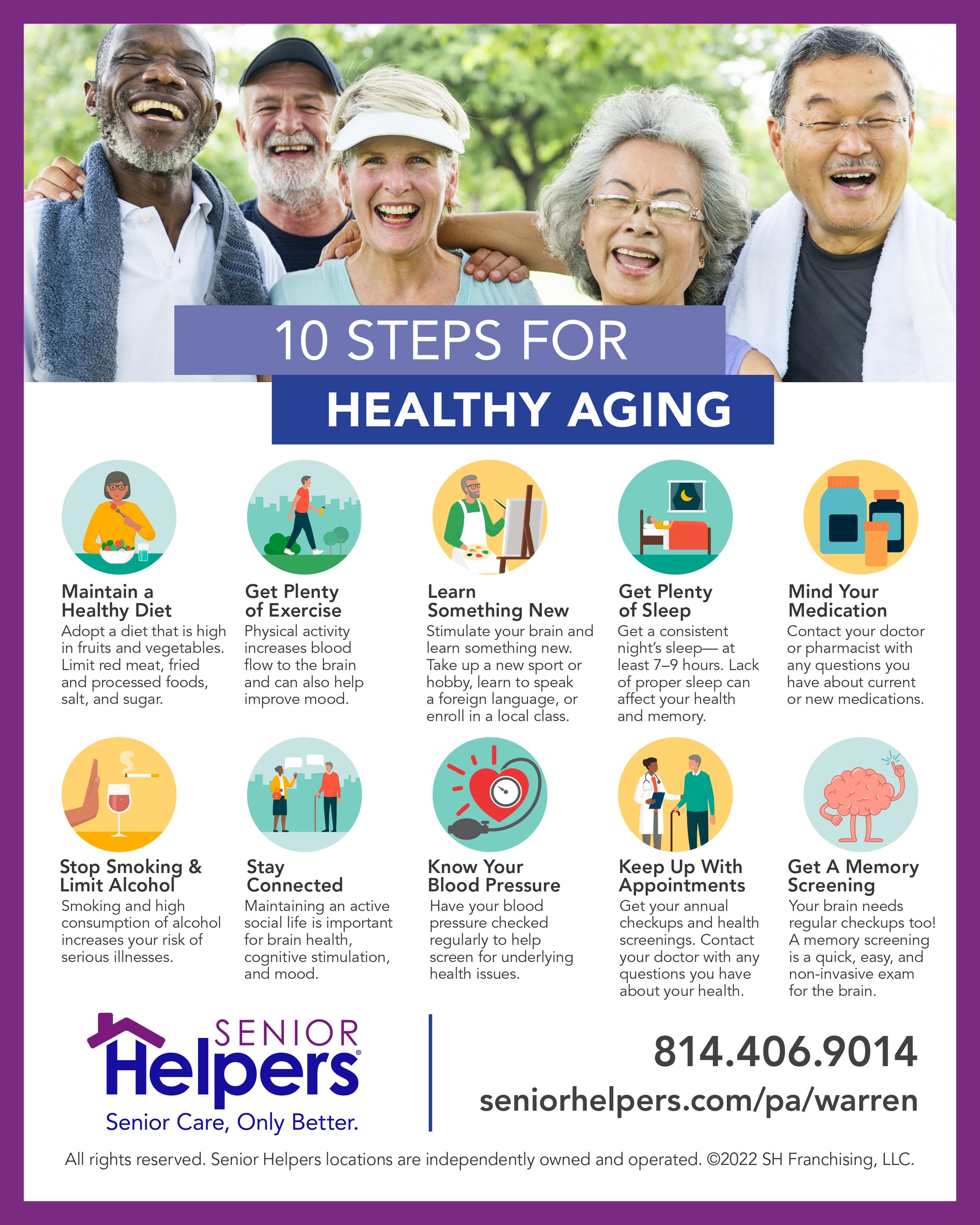
Resistance training is the single most effective intervention against sarcopenia. At 75, men should focus on compound movements that mimic daily life: squats (sitting and standing), lunges (stability), and overhead presses (reaching for shelves). Training should occur at least two to three times per week. The "progressive" element is vital; as the body adapts, the stimulus must increase—either through slightly higher weights or increased repetitions—to continue triggering muscle protein synthesis.
Balance and Proprioception
Falls are a leading cause of injury for men over 75. Incorporating balance exercises, such as single-leg stands or Tai Chi, improves proprioception—the body's ability to sense its position in space. According to the National Institute on Aging, balance training strengthens the core and the small stabilizer muscles in the ankles and hips, which are crucial for recovering from a stumble.
Cardiovascular Zone Training
While high-intensity interval training (HIIT) can be beneficial, 2026 guidelines suggest that 75-year-old men prioritize "Zone 2" cardio. This is steady-state exercise (like brisk walking or cycling) where you can still hold a conversation but feel your heart rate elevated. Zone 2 training improves mitochondrial efficiency and helps manage blood pressure without placing excessive oxidative stress on the body.
Nutritional Strategies for the Mid-70s
Nutritional requirements change significantly as the body ages. A common mistake is reducing caloric intake without increasing nutrient density, leading to "tea and toast" syndrome—malnutrition despite adequate calories.
The Protein Requirement
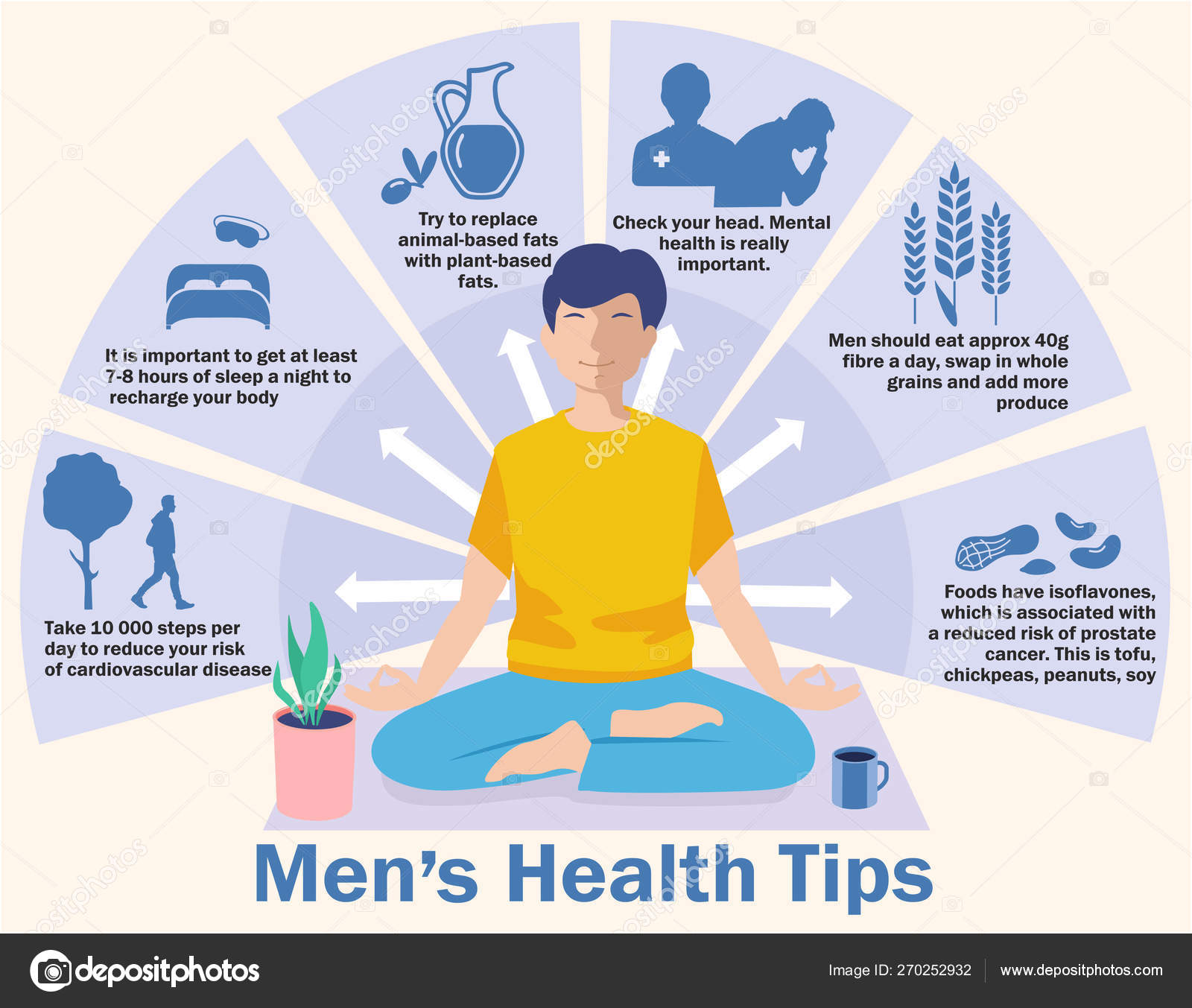
To stimulate muscle growth at 75, men require more protein per meal than younger men due to anabolic resistance. In 2026, the consensus among geriatric nutritionists is a target of 1.2 to 1.5 grams of protein per kilogram of body weight. Distributing this protein evenly across three or four meals (roughly 30–40 grams per meal) is more effective for muscle maintenance than consuming it all at dinner. High-quality sources include lean meats, fish, eggs, and plant-based options like lentils or Greek yogurt.
Micronutrients and Absorption
The aging digestive system often becomes less efficient at absorbing specific vitamins.
- Vitamin B12: Reduced stomach acid can hinder B12 absorption, which is critical for nerve function and red blood cell production.
- Vitamin D and Calcium: Essential for maintaining bone mineral density, especially as men at 75 are at an increased risk for osteoporosis, a condition often underdiagnosed in males.
- Fiber: Adequate fiber (25–30g daily) is essential for gut motility and managing cholesterol levels.
Hydration and Thirst Blunting
As men age, the "thirst mechanism" becomes less sensitive. A 75-year-old man may be dehydrated long before he feels thirsty. Chronic low-level dehydration can lead to cognitive confusion, kidney strain, and increased fall risk. Aiming for consistent water intake throughout the day—rather than chugging water only when thirsty—is a vital lifestyle habit.
Medical Management and Preventative Screenings
In 2026, preventative medicine relies on "precision aging," using diagnostic data to tailor interventions. A 75-year-old man’s medical checklist should be proactive rather than reactive.
| Screening/Metric | Frequency | Importance in 2026 |
|---|---|---|
| Blood Pressure | Monthly | Management of "silent" hypertension to prevent stroke and vascular dementia. |
| Lipid Profile | Annually | Monitoring LDL and ApoB levels to assess cardiovascular plaque risk. |
| Prostate-Specific Antigen (PSA) | As advised | Individualized screening for prostate health, balancing risk vs. overtreatment. |
| DEXA Scan | Every 2-3 years | Measuring bone density to assess fracture risk and the need for Vitamin D/K2. |
| Cognitive Assessment | Annually | Establishing a baseline for memory and executive function to catch early changes. |
| Vision and Hearing | Annually | Correcting sensory loss is a major factor in preventing social isolation and cognitive decline. |
Medication Review (Polypharmacy)
Many 75-year-old men take multiple prescriptions. "Polypharmacy"—taking five or more medications—increases the risk of adverse drug interactions and falls. A comprehensive medication review with a geriatrician in 2026 often focuses on "deprescribing"—safely removing medications that are no longer necessary or whose risks outweigh their benefits at this stage of life.
Mental Health, Cognition, and Social Connectivity
The psychological aspect of aging is often overshadowed by physical health, yet it is equally predictive of longevity. Retirement and the loss of peers can lead to social isolation, which the U.S. Surgeon General has identified as having a health impact comparable to smoking 15 cigarettes a day.
Cognitive Reserve
Engaging in "cognitively demanding" activities—learning a new language, mastering a musical instrument, or complex gardening—builds cognitive reserve. This doesn't stop brain aging, but it builds a more resilient neural network that can function effectively despite age-related changes. Passive activities like watching television do not provide the same neuroprotective benefits.
The Role of Purpose
Men who maintain a clear sense of purpose—whether through volunteering, mentoring, or family roles—tend to have lower levels of systemic inflammation and better sleep quality. In 2026, "social prescribing" is a growing trend where doctors recommend community involvement as part of a health regimen.
Sleep Hygiene
Sleep architecture changes at 75; deep sleep (REM and slow-wave sleep) often becomes more fragmented. However, poor sleep is not an inevitable part of aging. Screening for sleep apnea is crucial, as untreated apnea significantly raises the risk of heart failure and cognitive impairment. Consistent wake times and limited afternoon caffeine remain the gold standards for sleep hygiene.
Home Safety and Environmental Optimization
A "healthy aging lifestyle" also involves modifying the environment to support safety. A single fall at 75 can lead to a "hip fracture cascade," where the loss of mobility leads to rapid physiological decline.
- Lighting: Increasing the wattage in hallways and bathrooms. Age-related changes in the eye mean a 75-year-old requires significantly more light to see clearly than a 25-year-old.
- Trip Hazards: Removing throw rugs and securing loose cables.
- Bathroom Support: Installing grab bars in the shower. Modern designs in 2026 allow these to be both aesthetic and functional.
- Footwear: Shifting toward shoes with thin but firm soles that provide better sensory feedback from the ground, improving balance.
Is 75 too old to start a new exercise routine?
Absolutely not. In fact, starting resistance training at 75 can yield dramatic improvements in muscle quality and bone density. The key is to begin with a professional assessment to ensure form is correct and to progress slowly. The body remains "plastic" and capable of adaptation well into the tenth decade of life.
How much water should a 75-year-old man drink daily?
While the "eight glasses" rule is a generic guideline, a more accurate target for 2026 is approximately 30–35 ml of fluid per kilogram of body weight. For a 180lb (81kg) man, this is roughly 2.5 to 2.8 liters per day, including fluids from water-rich foods like fruits and soups.
Should I take a testosterone supplement at 75?
Testosterone Replacement Therapy (TRT) should only be considered under strict medical supervision if blood tests show clinically low levels and you are experiencing symptoms like extreme fatigue or muscle wasting. In 2026, the focus is on "Lifestyle First"—optimizing sleep, weight, and strength training, which can naturally support hormonal health.
What are the early signs of cognitive decline I should watch for?
It is important to distinguish between "normal aging" (forgetting where you put your keys) and "cognitive impairment" (forgetting what keys are for). Signs to monitor include difficulty with familiar tasks, disorientation in known places, or significant personality changes. Early detection allows for lifestyle interventions that can significantly slow progression.
How does alcohol affect health at 75?
Metabolism slows with age, meaning alcohol stays in the system longer and has a more pronounced effect on balance and sleep. In 2026, health guidelines suggest that men over 70 limit consumption to no more than one drink per day, as higher amounts are strongly linked to increased fall risk and accelerated brain atrophy.
Next Steps for Longevity
For a man aged 75, the most impactful next action is to schedule a functional movement screening with a physical therapist or a trainer specializing in senior fitness. This assessment identifies specific weaknesses in balance, grip strength, and mobility, providing a data-driven roadmap for your physical activity. Simultaneously, auditing your daily protein intake to ensure you are hitting the 1.2g/kg threshold will provide the nutritional "bricks" necessary to build and maintain the muscle mass identified in your movement screen. Aging successfully is not about avoiding the passage of time, but about proactively managing the biological variables that dictate your quality of life.