Hard water, characterized by high concentrations of dissolved calcium and magnesium, requires a systematic approach involving chemical neutralization, physical filtration, and proactive maintenance to prevent infrastructure damage. Taming hard water involves 75 specific rules—best practices ranging from testing mineral grain levels to installing ion-exchange systems—that protect appliances, improve hygiene, and maintain plumbing efficiency.
The Foundation of Hard Water Management
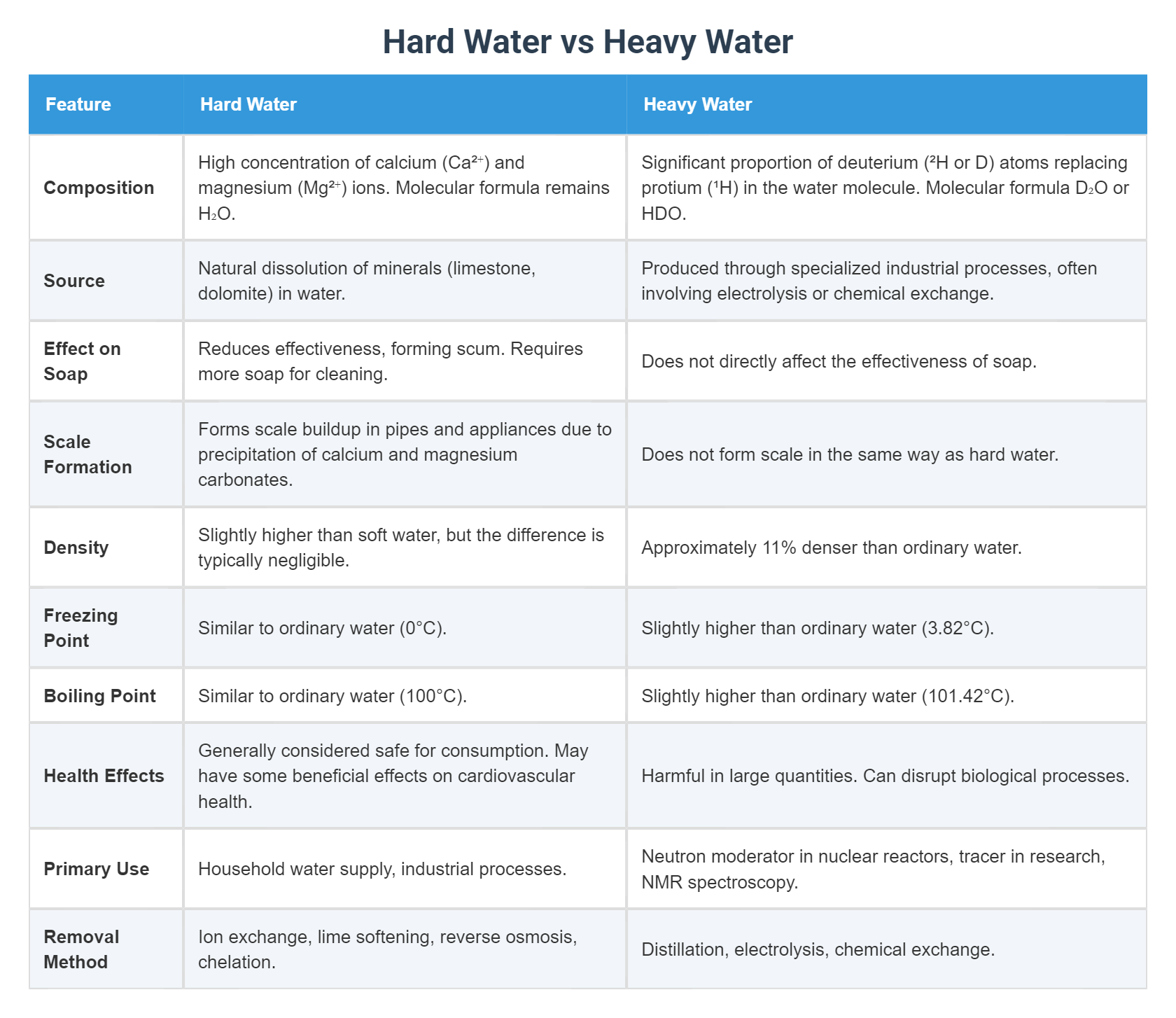
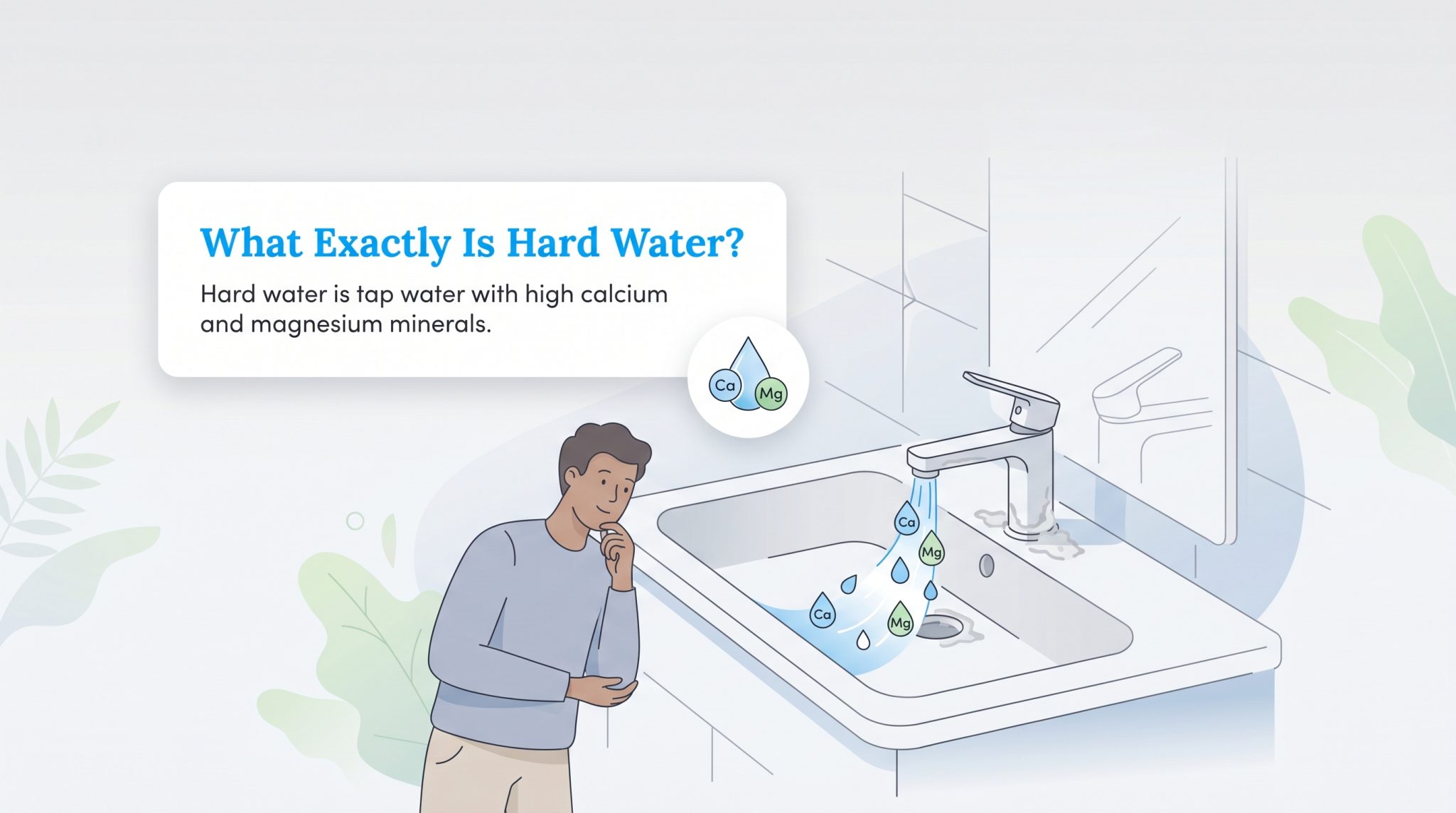
To effectively manage hard water in 2026, one must first understand that "hardness" is not a pollutant but a mineral density issue. Most groundwater in North America and Europe travels through limestone and chalk deposits, picking up calcium carbonate ($CaCO_3$) and magnesium. While these minerals are not harmful to human health, they are devastating to home infrastructure.
The first 15 rules of hard water management focus on accurate diagnosis and monitoring. You cannot manage what you do not measure.
- Test your water annually: Even if you have a softening system, source water chemistry can change due to local construction or seasonal aquifer shifts.
- Know your Grains per Gallon (GPG): This is the standard unit of measurement. Anything above 7 GPG is considered "hard."
- Identify Parts per Million (PPM): 1 GPG equals approximately 17.1 PPM. High PPM indicates a greater need for robust filtration.
- Perform a "Soap Suds" test: If soap fails to lather quickly, your mineral content is likely interfering with surfactants.
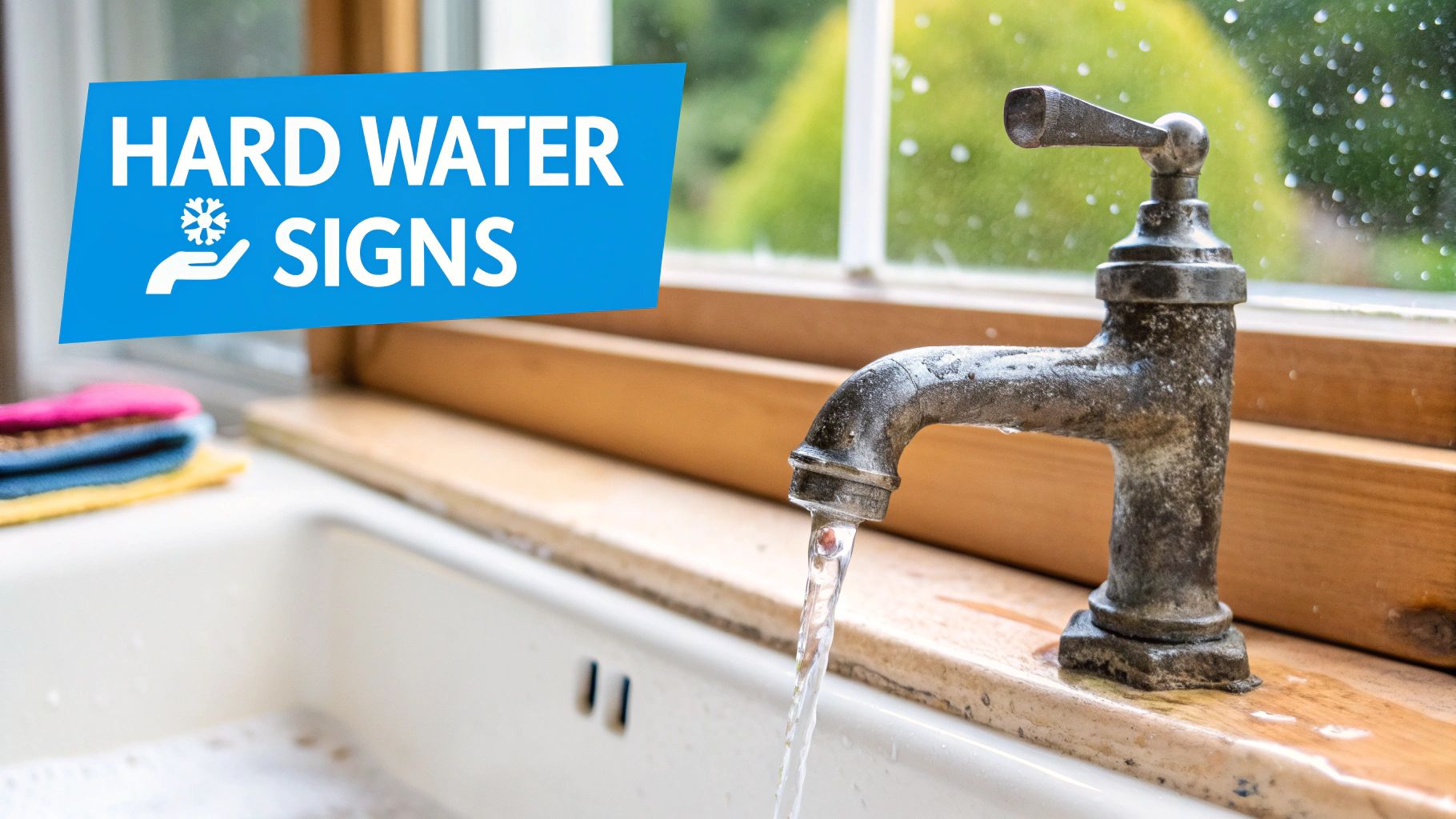
- Inspect for "White Crust": Check faucets for calcium carbonate buildup, the first sign of scale.
- Monitor water pressure: A gradual drop in pressure often signals scale constriction inside copper or PEX piping.
- Check the "Ring" around the tub: This is not just dirt; it is a chemical reaction between minerals and fatty acids in soap.
- Evaluate appliance lifespan: If your dishwashers only last 5 years, hard water is the likely culprit.
- Distinguish between hard water and iron: Hard water leaves white spots; iron leaves orange/brown stains. They require different treatments.
- Use a TDS (Total Dissolved Solids) meter: While not a perfect measure of hardness, it provides a baseline for water purity.
- Understand LSI (Langelier Saturation Index): Professionals use this to determine if your water is scale-forming or corrosive.
- Check local municipal reports: In 2026, most cities provide real-time water quality dashboards.
- Observe "Spotting" on glassware: This occurs as water evaporates, leaving mineral deposits behind.
- Feel the "Sliminess" of soft water: If you switch to soft water, realize that the "slick" feeling is actually the absence of abrasive minerals.
- Document baseline energy costs: Hard water forces water heaters to work harder; tracking bills helps justify the cost of a softener.
Kitchen and Cleaning Mastery
Managing hard water in the kitchen requires a shift in chemistry. Rules 16 through 30 address how to maintain a functional and aesthetic kitchen environment despite mineral-heavy supply lines.
The primary challenge in the kitchen is limescale crystallization. When hard water is heated, the calcium precipitates more rapidly, leading to the "stone" found in kettles and coffee makers.
- Use Chelating Agents: Products containing EDTA or citric acid "bind" to minerals, preventing them from settling.
- Embrace White Vinegar: Acetic acid is the most cost-effective way to dissolve calcium deposits.
- Soak faucet aerators: Submerge them in vinegar overnight once every three months to maintain flow.
- Opt for liquid detergents: Powdered detergents often bind with minerals, leaving a residue on clothes and dishes.
- Add a rinse aid: In dishwashers, rinse aids break the surface tension, allowing water to slide off before minerals can dry.
- Descale coffee makers monthly: Mineral buildup affects the heating element and the flavor of the extraction.
- Boil water with lemon: The citric acid in lemon juice prevents "kettle furring."
- Squeegee the sink: Don't let water air-dry on stainless steel; wipe it down immediately.
- Use distilled water for small appliances: Steam irons and humidifiers should never use hard tap water.
- Avoid bleach on scale: Bleach does not remove calcium; it only disinfects the surface, often making the scale look brighter but no less obstructive.
- Pre-treat glassware: A quick dip in vinegar can restore the clarity of etched glasses.
- Check refrigerator filters: Hard water can clog the small lines leading to your ice maker and water dispenser.
- Clean dishwasher spray arms: Small holes in the arms are frequently blocked by "pebbles" of scale.
- Use a lower temperature setting: Scaling increases exponentially as water temperature rises above 140°F (60°C).
- Invest in a point-of-use reverse osmosis (RO) system: This is the only way to ensure truly mineral-free drinking and cooking water.
Bathroom and Personal Hygiene Standards
Hard water reacts negatively with human biology and hygiene products. Rules 31 through 45 focus on mitigating the "drying" effect of minerals on skin and hair, and the maintenance of bathroom fixtures.
- Install a filtered showerhead: While they don't "soften" water (which requires ion exchange), they can remove chlorine and some sediment.
- Use synthetic detergents (Syndets): These are pH-balanced and do not react with hard water like traditional soap does.
- Apply a final "cool rinse" to hair: This helps close the cuticle, which may have been roughened by mineral abrasion.
- Use chelating shampoos: Look for "clarifying" shampoos designed to strip mineral buildup from hair strands.
- Moisturize immediately: Hard water strips natural oils; applying lotion within three minutes of drying is critical.
- Squeegee shower doors daily: This prevents the formation of "glass etch," which is permanent damage caused by minerals reacting with silica in the glass.
- Clean shower curtains with salt: A saltwater soak can prevent soap scum from adhering.
- Monitor toilet tank components: Mineral buildup can cause "flapper" valves to leak, leading to water waste.
- Flush toilets with citric acid: Pouring a cup into the bowl overnight can remove "under-the-rim" scaling.
- Use a microfiber cloth for fixtures: These lift minerals better than paper towels or standard sponges.
- Avoid "Scrubbing" scale: Let chemicals (like phosphoric acid cleaners) do the work; scrubbing can scratch chrome finishes.
- Check for "dry skin" symptoms: Eczema and dermatitis are often exacerbated by the high pH of hard water.
- Use a bath oil: This provides a protective barrier between the skin and the mineral-heavy water.
- Soft towels require soft water: Hard water minerals get trapped in fabric fibers, making towels feel like sandpaper.
- Replace loofahs often: Minerals and soap scum create a breeding ground for bacteria within the mesh.
Appliance Longevity and Plumbing Infrastructure
Rules 46 through 60 are the "technical" rules. They concern the high-cost items in your home: the water heater, the washing machine, and the pipes themselves.
- Flush your water heater annually: This removes the "sludge" of calcium that settles at the bottom of the tank.
- Check the Anode Rod: In hard water areas, anode rods corrode faster. Replace them every 3 years to prevent tank failure.
- Insulate hot water pipes: This helps maintain temperature and can slightly reduce the rate of scale precipitation.
- Install a sediment pre-filter: This catches larger particles before they reach your softener or appliances.
- Use "HE" (High Efficiency) detergents correctly: Over-sudsing in hard water leads to "scrubbing" issues in front-load washers.
- Run a "Cleaning Cycle" with descaler: Most modern washing machines (as of 2026) have a dedicated cycle for this.
- Inspect P-traps: Scaling can occur in the "U" bend of drains, leading to slow drainage.
- Consider a magnetic descaler for temporary fix: Note that these do not remove minerals but can temporarily change their crystal structure.
- Monitor your water meter: If the "leak indicator" is spinning, scale might be preventing a valve from closing fully.
- Protect your warranty: Many appliance manufacturers require proof of water softening to honor warranties in high-GPG areas.
- Use "Softener Salt" with additives: High-quality salts include resin cleaners that prolong the life of your softener.
- Check for "Bridging": This occurs when salt forms a hard crust in the brine tank, preventing the regeneration process.
- Verify the "Regeneration" schedule: Ensure your softener regenerates based on water usage, not just a timer.
- Maintain the "Venturi" valve: This small part in the softener is prone to clogging but is essential for drawing brine.
- Avoid "Salt-Free" myths: Salt-free systems are "conditioners," not softeners. They prevent scale but do not remove minerals.
Professional Systems and Long-Term Solutions
The final 15 rules involve the selection and maintenance of professional-grade water treatment systems.
- Sizing is everything: A softener that is too small will wear out; one that is too large will waste water.
- Choose Ion Exchange for true softness: This replaces calcium ions with sodium or potassium ions.
- Consider Potassium Chloride: If you are on a low-sodium diet, use potassium instead of salt (NaCl) in your brine tank.
- Ventilate the brine tank area: High humidity can cause salt to clump and "bridge."
- Install a bypass valve: This allows you to use hard water for gardening or filling a pool, saving soft water for the home.
- Test the "Tail" water: Periodically test water at the furthest faucet to ensure the softener is working throughout the house.
- Use Template Assisted Crystallization (TAC): This is the leading "salt-free" technology in 2026 for commercial scaling prevention.
- Check local brine discharge laws: Some jurisdictions restrict salt softeners due to environmental impact on groundwater.
- Install a "Leak Detection" system: Smart sensors can detect the subtle pressure changes caused by mineral blockages.
- Balance the pH: Softened water can sometimes become slightly acidic; ensure your system includes a neutralizer if necessary.
- Consult a WQA-certified professional: The Water Quality Association provides certifications for installers.
- Keep a maintenance log: Record every salt refill and filter change.
- Avoid "DIY" resin replacement: Softener resin is delicate; professional replacement ensures proper bedding and flow.
- Upgrade to "Smart" softeners: Modern 2026 systems send alerts to your phone when salt is low.
- Think long-term: A $2,000 investment in a whole-home system can save $10,000 in appliance and plumbing repairs over a decade.
Comparing Water Treatment Technologies
Choosing the right technology is the most critical decision in "taming" the water. The following table compares the most common methods available in 2026.
| Technology | Primary Mechanism | Maintenance | Best For | Pros | Cons |
|---|---|---|---|---|---|
| Ion Exchange | Exchanges Ca/Mg for Na/K | Monthly salt refills | Whole-house protection | Effectively removes all hardness | Requires salt; adds sodium |
| Reverse Osmosis | Semi-permeable membrane | Filter change every 6-12 months | Drinking and cooking | Removes 99% of all minerals | High water waste; slow flow |
| TAC (Conditioner) | Physical crystallization | Media change every 3-5 years | Scale prevention | No salt/electricity needed | Does not actually soften water |
| Polyphosphate | Chemical sequestration | Cartridge replacement | Water heaters/Laundry | Inexpensive; prevents scale | Does not remove minerals |
| Magnetic/Electric | Electromagnetic field | None | Small apartments | No chemicals; easy install | Inconsistent results; localized |
The Chemistry of Limescale Formation
Understanding why hard water behaves the way it does requires a look at the relationship between heat and solubility. Unlike most substances, which become more soluble in hot water, calcium carbonate becomes less soluble as temperature increases. This is known as retrograde solubility.
When water is heated in your water heater, the calcium ions and bicarbonate ions react to form solid calcium carbonate, water, and carbon dioxide. The solid calcium carbonate attaches to the heating elements. This layer of "rock" acts as an insulator, requiring the heater to run longer to warm the water. In a gas heater, this can lead to the "popping" sound as water trapped under the scale turns to steam and bursts through the mineral layer.
Economic Impact: The Cost of Inaction
By 2026, the cost of residential energy has reached a point where efficiency is no longer optional. Research from the Water Quality Research Foundation (WQRF) indicates that water heaters using hard water can lose up to 25% of their efficiency over just one year of use. Furthermore, the amount of detergent required to achieve a "clean" result in hard water is up to 50% higher than in soft water.
When you factor in the premature replacement of dishwashers, washing machines, and the eventual need for "re-piping" a home due to scale constriction, the "75 rules" are not just a guide for comfort—they are a financial strategy.
Frequently Asked Questions
How do I know if I have hard or soft water without a lab test?
You can perform a simple "bottle test." Fill a clear plastic bottle halfway with tap water, add ten drops of basic liquid soap, and shake vigorously. If the water becomes cloudy with very few bubbles, it is hard. If the bottle is filled with thick, long-lasting suds and the water remains relatively clear, it is soft.
Can hard water cause health problems?
There is no evidence that drinking hard water is harmful to internal health; in fact, it can contribute a small amount of dietary calcium and magnesium. However, it is a significant factor in skin conditions like eczema and can lead to brittle, thinning hair due to mineral buildup on the scalp.
Is salt-free water softening as effective as traditional softening?
Technically, salt-free systems do not "soften" water because they do not remove the minerals. They are "conditioners" that change the shape of the mineral crystals so they don't stick to pipes. They are excellent for protecting plumbing, but you will still experience soap scum and spots on dishes.
Does boiling water remove hardness?
Boiling only removes "temporary hardness" (calcium bicarbonate). It causes the minerals to precipitate out and settle at the bottom of the pot. It does not remove "permanent hardness" (calcium sulfate) and is not a practical solution for whole-home water treatment.
How much salt does a water softener add to my drinking water?
The amount is relatively small—usually less than the amount of sodium in a slice of bread for every quart of water. However, for individuals on medically restricted low-sodium diets, using potassium chloride as a regenerant or installing a reverse osmosis system for drinking water is recommended.
Implementation: Your Next Steps
To begin taming your hard water, the first action is to order a professional water analysis. While DIY strips are useful for a quick check, a laboratory report will identify other factors—like pH, iron, and silica—that dictate which softening system will work best for your specific geography. Once you have your GPG rating, consult with at least two certified water treatment specialists to compare system sizing and resin quality. Prioritize systems with "on-demand" regeneration to minimize water and salt waste, ensuring your home remains efficient and scale-free through 2026 and beyond.