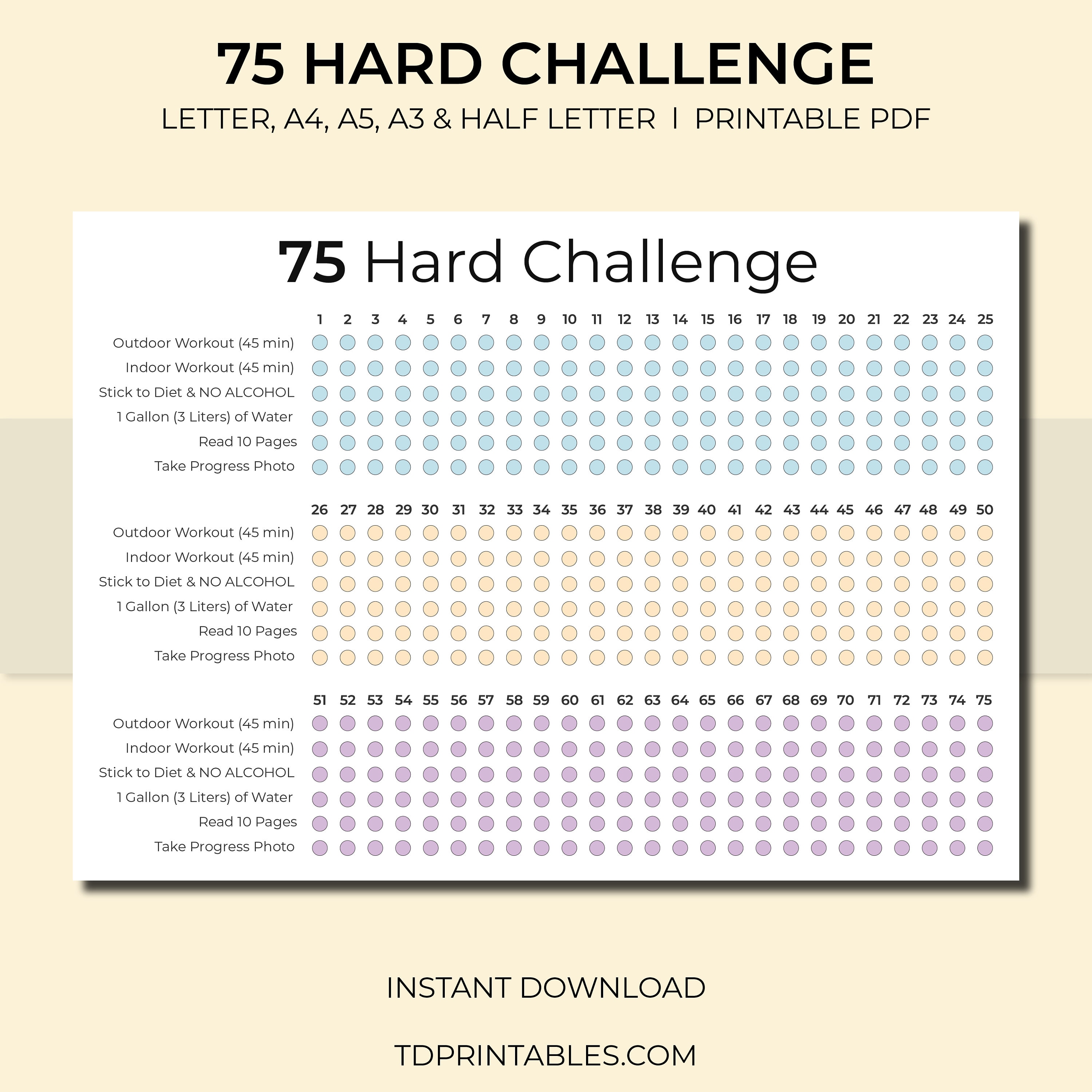
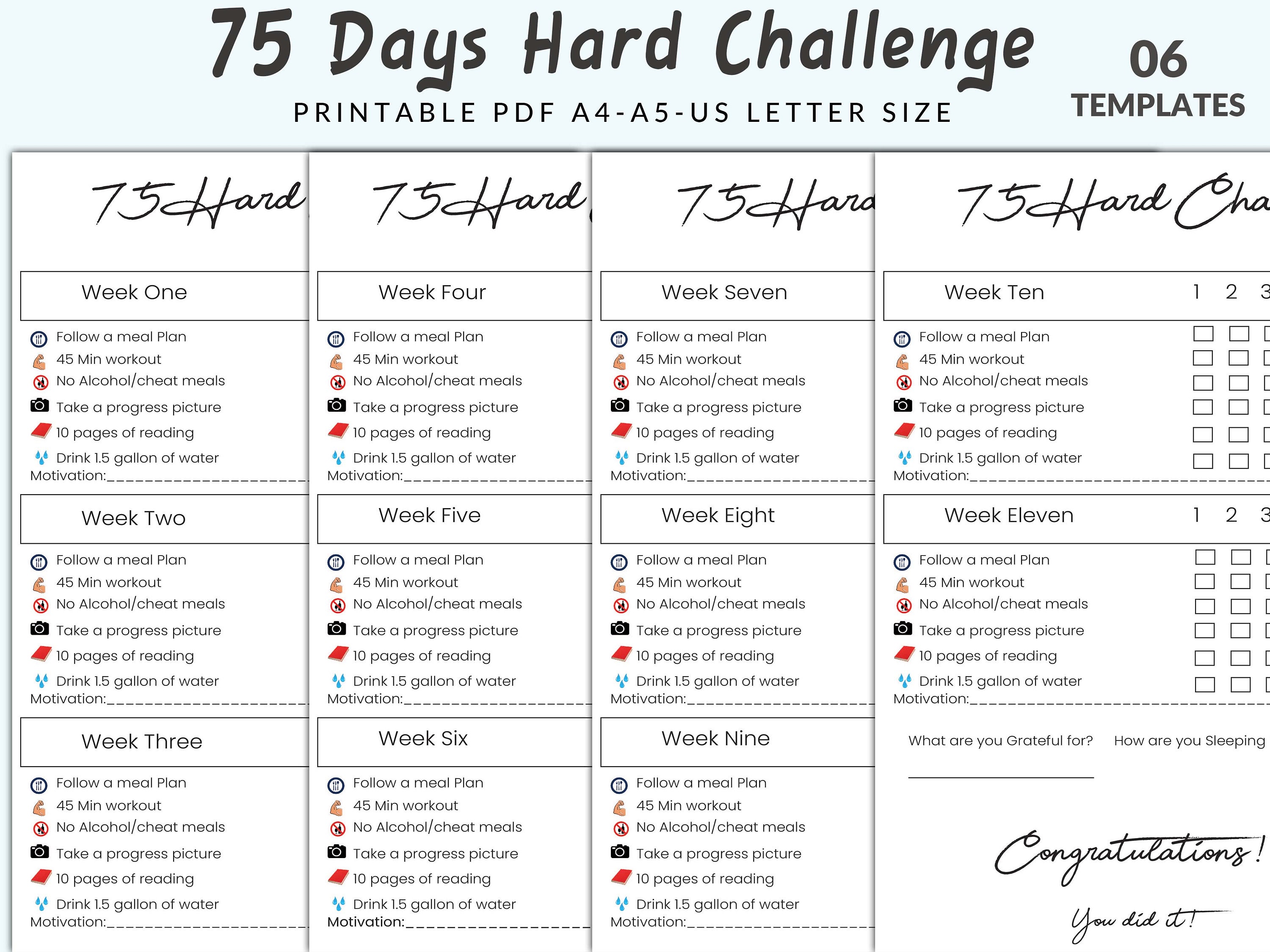
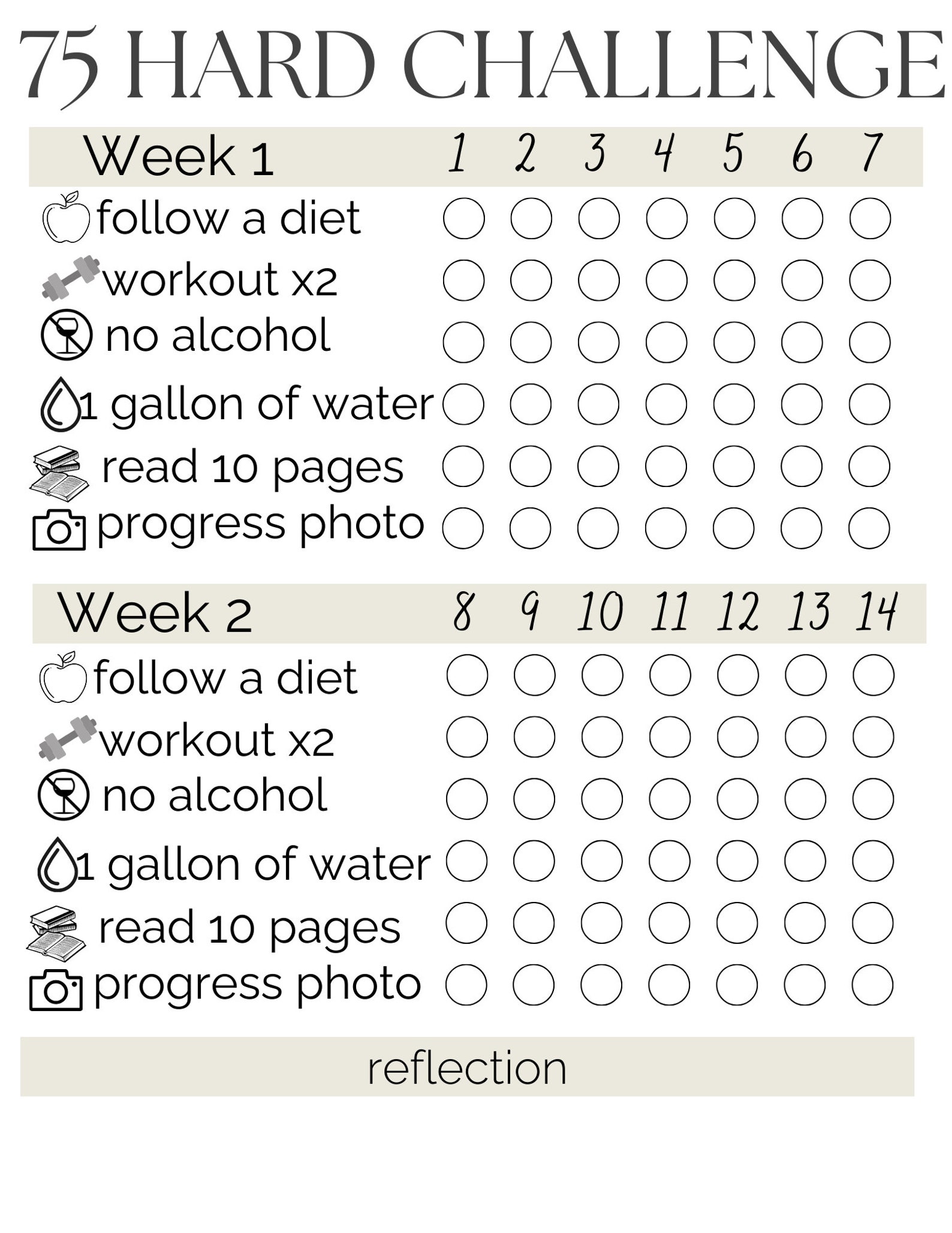
The 75 Hard Challenge is a rigorous 75-day "mental toughness program" created by entrepreneur Andy Frisella, designed to build discipline, grit, and self-worth. It requires strict adherence to five daily tasks: following a structured diet, completing two 45-minute workouts, drinking a gallon of water, reading ten pages of non-fiction, and taking a daily progress photo.
Since its inception, 75 Hard has evolved from a viral fitness trend into a cornerstone of the modern self-improvement movement. As we navigate the performance-driven landscape of 2026, the challenge remains a polarizing yet potent tool for those seeking to overhaul their lifestyle. Unlike traditional fitness programs that focus on caloric deficits or muscle hypertrophy, 75 Hard is marketed as an "ironman for your brain." The central premise is simple but punishing: if you fail to complete any task, even by a small margin, you must restart the entire challenge from Day 1.
The Origin and Philosophy of Mental Toughness
The 75 Hard program was developed by Andy Frisella in 2019, primarily through his podcast and social media presence. Frisella’s philosophy centers on the idea that most people lack "mental toughness"—the ability to execute tasks regardless of emotional state or external circumstances. In the current 2026 productivity climate, where digital distractions and convenience often dictate behavior, 75 Hard serves as a forced return to manual discipline.
It is critical to distinguish 75 Hard from a standard weight-loss challenge. While physical transformation is a frequent byproduct, the program is designed to create a "tactical advantage" in life. By removing the option of compromise, the program forces participants to confront the "bitch voice"—Frisella’s term for the internal monologue that encourages quitting or taking shortcuts. This binary success/failure model is what differentiates it from "75 Soft" or other modified versions that have gained popularity over the years.
The Five Non-Negotiable Daily Tasks
To successfully complete 75 Hard, five tasks must be finished every single day before you go to sleep. There is no "grace period" and no room for interpretation.
1. Follow a Structured Diet
The program does not mandate a specific diet (like Keto, Paleo, or Vegan), but it requires you to choose a structured plan geared toward your goals and stick to it with zero deviations. The two cardinal rules within this task are: no alcohol and no cheat meals. In 2026, where "flexible dieting" is often the norm, 75 Hard’s total ban on treats and spirits acts as a psychological barrier, testing the participant’s social and emotional resolve.
2. Two 45-Minute Workouts
Participants must complete two separate workouts each day, both lasting at least 45 minutes. Crucially, one of these workouts must be outdoors, regardless of the weather. This rule is designed to break the reliance on comfortable environments. If it is raining, snowing, or 100 degrees Fahrenheit, the outdoor requirement stands. The workouts should be distinct sessions; you cannot do one 90-minute block and call it two workouts.
3. Drink One Gallon of Water
Hydration is a core pillar, requiring the consumption of 128 ounces (approximately 3.78 liters) of plain water daily. This task teaches consistency and foresight, as drinking a gallon of water necessitates pacing throughout the day to avoid discomfort or health risks. Note that additives like electrolytes, powders, or flavorings do not count toward the gallon total.
4. Read 10 Pages of Non-Fiction
Participants must read 10 pages of a physical book or an e-reader (audiobooks are strictly prohibited). The book must be non-fiction, educational, or self-development oriented. This requirement ensures that while the body is being trained, the mind is also being fed with constructive information.
5. Take a Daily Progress Photo
While seemingly vanity-driven, the daily photo is a lesson in micro-discipline. It serves as a visual record of the 75-day journey and forces the participant to engage with their progress (or lack thereof) every single day. Missing the photo is one of the most common reasons people are forced to restart.
Logistical Planning and Success Strategies
Completing 75 Hard requires significant logistical coordination. In 2026, where time is a premium commodity, successful participants usually employ a "Standard Operating Procedure" (SOP) to ensure no task is forgotten.
Time Management and Scheduling
A total of 90 minutes of exercise plus the time required for reading and meal prep can consume 2 to 3 hours of the day. Most successful challengers perform their first workout (the outdoor one) early in the morning to "win the day" before work or family obligations begin. Utilizing digital or physical checklists is highly recommended, as the "restart" rule applies even if you simply forgot to take your photo before bed.
Navigating the Outdoor Workout
The outdoor requirement is often the most physically and mentally taxing. According to the Official 75 Hard Guidelines, the weather is never an excuse. In 2026, participants are encouraged to use appropriate gear—moisture-wicking fabrics for heat or thermal layers for cold—but the discomfort is the point. The goal is to build a "resilience to conditions," ensuring that your productivity is not tethered to a thermostat.
Dietary Selection
Because the program allows you to pick your own diet, it is wise to select a plan that is sustainable for 75 days. Extreme caloric deficits are generally discouraged because of the high physical demand of two workouts daily. Consulting with a nutritionist to establish a "performance-based" diet—one that provides enough fuel for recovery while meeting your health objectives—is a common practice for serious contenders.
75 Hard vs. 75 Soft: A Comparison
The rise of modified versions has created some confusion. Below is a comparison of the original 75 Hard versus the popular "75 Soft" alternative.
| Feature | 75 Hard (The Original) | 75 Soft (The Alternative) |
|---|---|---|
| Diet | Structured plan; NO alcohol; NO cheat meals. | Eat well in general; Alcohol only for social events. |
| Workouts | Two 45-min workouts; one MUST be outdoors. | One 45-min workout per day; one day of rest. |
| Water | 1 Gallon (128 oz) daily. | 3 Liters (approx. 100 oz) daily. |
| Reading | 10 pages of non-fiction (no audiobooks). | 10 pages of any book (audiobooks often allowed). |
| Progress Photo | Required daily. | Not strictly required. |
| Failure Penalty | Restart at Day 1 immediately. | No formal restart rule; usually just keep going. |
Physical and Mental Health Considerations
While 75 Hard offers significant benefits, it is a high-volume program that carries risks if not approached with common sense.
Overtraining and Recovery
Performing 150 workouts over 75 days with no rest days is an extreme physical load. To avoid injury, participants often use "active recovery" as one of their workouts. This could include yoga, stretching, or a brisk walk. High-intensity interval training (HIIT) twice a day for 75 days is likely to lead to burnout or soft tissue injuries.
Hydration and Hyponatremia
Drinking a gallon of water is generally safe for healthy adults, but it can be dangerous for those with certain kidney conditions or if the water is consumed too quickly. Over-hydration can lead to hyponatremia, a condition where sodium levels in the blood become dangerously low. It is vital to space out water intake and ensure adequate salt and mineral consumption through your diet.
Professional Consultation
As with any extreme lifestyle change, individuals should consult with a healthcare professional before starting. This is especially true for those with a history of disordered eating, as the strict "no cheat meal" rule and daily weighing or photo-taking can sometimes exacerbate unhealthy fixations on body image.
Why People Fail: Common Pitfalls
Failure on 75 Hard usually isn't due to the physical difficulty of the workouts; it's due to a lapse in "administrative discipline."
- The "Midnight Rule": Many people fail because they didn't finish their water or reading before falling asleep. The day doesn't end until you go to sleep, but if you wake up the next morning and realize you missed a task, you are back to Day 1.
- The Progress Photo: Because it is the easiest task, it is the most frequently forgotten. Many participants set a recurring phone alarm specifically for the photo.
- Audiobook Reliance: Many assume they can listen to their 10 pages while driving. The rules explicitly state that you must read a physical or digital book to engage the brain differently than passive listening.
- Incidental Cheat Meals: A single "taste test" while cooking or a "hidden" ingredient in a restaurant meal (like sugar-laden dressings) technically constitutes a cheat meal, requiring a restart.
Frequently Asked Questions
Can I modify the rules if I have a physical limitation?
Strictly speaking, according to Andy Frisella, any modification means you are not doing "75 Hard." However, the program is about your personal "best effort." If you have a physical disability, your 45-minute workouts should be tailored to what you are physically capable of doing. The goal is the discipline of the time commitment, not the intensity of the specific movement.
What counts as a "non-fiction" book?
The book should be in the realm of business, philosophy, biography, or self-help. The intent is to learn a new skill or improve your mindset. Fiction, even historical fiction, does not count toward the 10-page requirement.
Does coffee or tea count toward the gallon of water?
No. The requirement is one gallon of plain water. While you can drink coffee or tea during the day (provided it fits your diet and has no "cheat" sweeteners), it does not subtract from your 128-ounce water goal.
What happens if I get sick during the 75 days?
The program makes no exceptions for illness. If you are too sick to complete your workouts or read your pages, you must restart when you are healthy. This is part of the "mental toughness" aspect—learning to manage your health so that you can remain consistent.
Can both workouts be done indoors if the weather is dangerous?
The rules state that if it is physically possible to be outside (even in snow or rain), the workout must be outdoors. Only in the event of genuine life-threatening emergencies (like a hurricane or extreme lightning) should the outdoor requirement be reconsidered, though the "hardcore" community generally argues that you should have planned around the weather.
Next Actions for Prospective Participants
If you are prepared to begin 75 Hard in 2026, your first step is not a workout, but a planning session. Start by defining your "diet" with crystal clarity. If your definition of a "cheat meal" is vague, you will likely fail when tempted. Write down exactly what you are allowed to eat and what is forbidden.
Next, select your first three books. Having them ready on your nightstand removes the "I don't have anything to read" excuse. Finally, announce your intention to a peer or use a tracking app. While the challenge is an internal battle, external accountability can provide the necessary pressure during the "Phase 2 Slump"—usually occurring between days 30 and 50—when the initial novelty has worn off, and the finish line is still weeks away.
Remember, the goal of 75 Hard is not to become a professional athlete, but to become a person who keeps the promises they make to themselves.