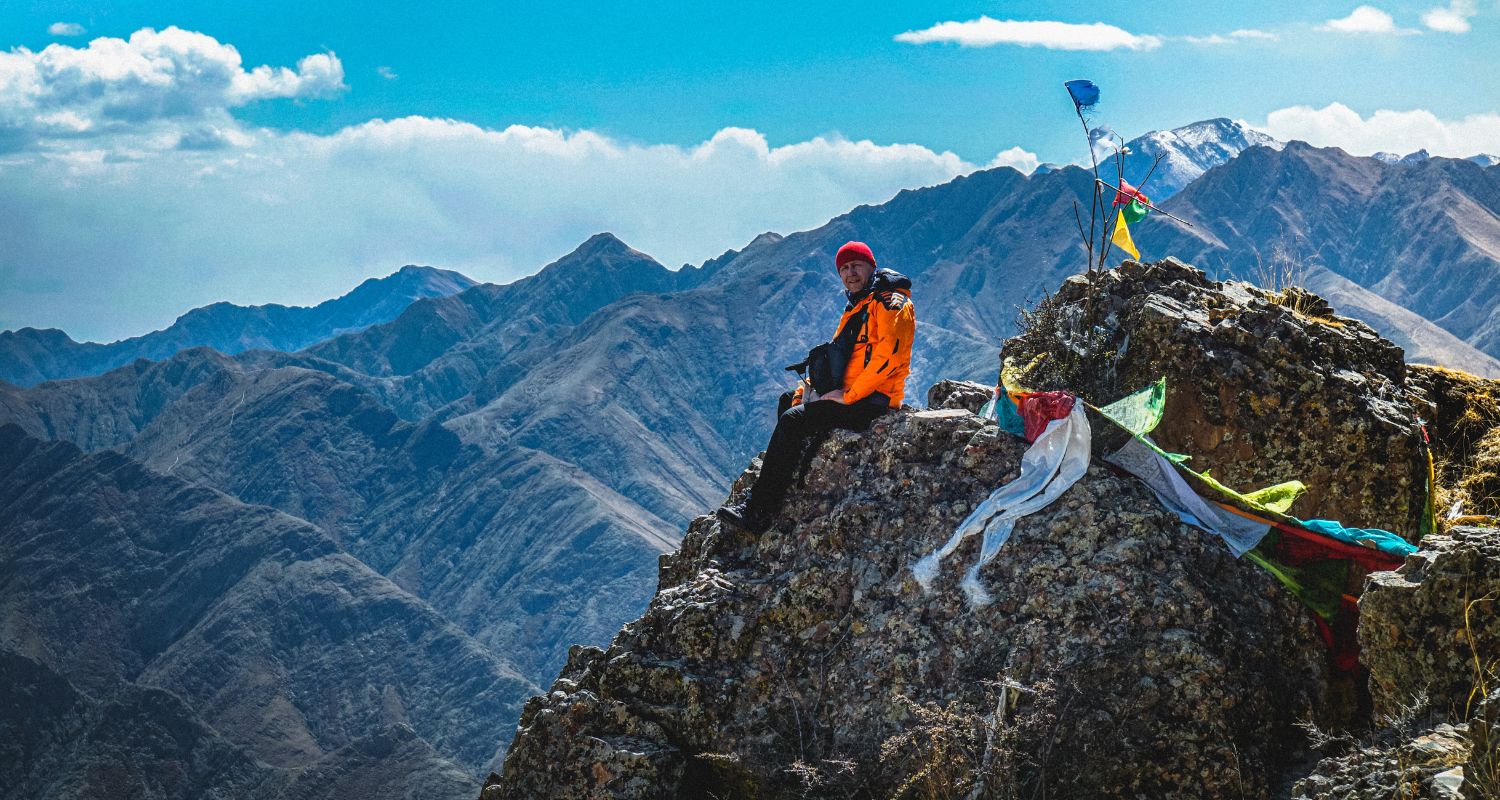
The "75 Challenges" framework is a structured personal development and outdoor adventure system designed to push individuals beyond their perceived physical and mental limits. By completing a curated list of high-stakes tasks—ranging from endurance feats to psychological hurdles—participants systematically build resilience, technical expertise, and self-mastery through disciplined execution and calculated risk-taking.
Understanding the 75 Challenges Framework in 2026
By 2026, the concept of "gamified" personal development has evolved into a rigorous discipline. The 75 Challenges represent a departure from superficial fitness trends, offering a comprehensive roadmap for those seeking more than just a workout. This framework is built on the philosophy that human growth occurs most rapidly at the edge of discomfort. It is not merely a "bucket list" of activities; it is a sequential training program where each completed challenge provides the technical or psychological foundation for the next.
The current iteration of these challenges reflects a global shift toward meaningful achievement. Whether you are navigating the complexities of high-altitude mountaineering or mastering the art of cold-water immersion, the framework demands a high level of intentionality. In 2026, adventurers are increasingly utilizing biometric data and advanced planning software to approach these 75 milestones, ensuring that "conquering" an adventure is a result of preparation rather than luck.
Categorizing the Epic Adventures
To tackle a list as daunting as 75 distinct adventures, it is essential to categorize them by their primary demand on the individual. The 75 Challenges are typically divided into four core pillars: Physical Endurance, Technical Mastery, Psychological Fortitude, and Environmental Adaptability.
Physical Endurance
This category focuses on the capacity of the human cardiovascular and musculoskeletal systems. Challenges in this pillar include "century" bike rides (100 miles), ultramarathons, and multi-day thru-hiking. In 2026, physical endurance is measured not just by completion, but by metabolic efficiency. Training for these challenges requires a deep understanding of Zone 2 heart rate training and nutritional periodization.
Technical Mastery
These challenges require specific, learned skills that cannot be bypassed with brute force. Examples include mastering traditional (Trad) climbing, white-water kayaking Class IV rapids, or navigating a 50-mile wilderness route using only a map and compass. These adventures necessitate formal instruction and hundreds of hours of practice to ensure safety and competency.
Psychological Fortitude
Often the most overlooked, these challenges test the mind. This may involve a "solo-silent" 48-hour wilderness stay or facing a deep-seated phobia through controlled exposure, such as technical canyoneering. The goal is to manage the stress response and maintain cognitive function under pressure.
Environmental Adaptability
These adventures force the participant to operate in non-ideal conditions. Winter bivouacking without a tent, desert navigation, or high-humidity jungle treks fall into this category. The focus here is on gear management, thermoregulation, and understanding the specific ecological risks of the terrain.
Essential Prerequisites and Gear for 2026
Before attempting the high-tier challenges within the 75, a foundation of safety and physical readiness is non-negotiable. In 2026, the barrier to entry is higher due to an increased emphasis on self-rescue and environmental ethics.
- Medical Clearance and Biometric Baseline: Consult with a sports medicine professional to assess your cardiovascular health. In 2026, it is standard to have a baseline VO2 max test and a functional movement screen (FMS) to identify injury risks before starting the more grueling physical challenges.
- Certification and Training: Certain challenges require proof of competency. For any water-based adventure, a swift-water rescue certification is recommended. For mountain-based challenges, completing an AIARE Level 1 Avalanche Course or equivalent is essential for winter objectives.
- The 2026 Gear Kit: Modern adventure gear has shifted toward sustainability and "smart" integration. Key items for the 75 Challenges include:
- Ultralight Dyneema Shelters: Reducing pack weight to preserve joint health.
- Satellite Communication Devices: Tools like the Garmin inReach remain the gold standard for remote safety.
- Biometric Wearables: Devices that track recovery (HRV) and strain to prevent overtraining during the 75-challenge cycle.
- Insurance: High-risk adventure insurance is often required for international challenges. Organizations like Global Rescue provide evacuation services that are vital for the "Epic" category of the 75.
The Challenge Complexity Matrix
The following table categorizes five representative challenges from the 75-item list, illustrating the diversity of requirements and the time commitment necessary for each.
| Challenge Name | Primary Category | Difficulty Level | Typical Duration | Key Requirement |
|---|---|---|---|---|
| The Century Run | Physical | High | 15–30 Hours | Endurance Aerobics |
| Peak Bagging (14er) | Environmental | Moderate | 1–2 Days | Altitude Adaptation |
| Traditional Lead Climb | Technical | Extreme | Multi-month prep | Technical Safety |
| Solo Wilderness Bivouac | Psychological | Moderate | 48 Hours | Mental Resilience |
| Multi-Day Packrafting | Technical | High | 3–5 Days | Water Navigation |
Strategic Planning: The Roadmap to 75
Conquering 75 adventures is a multi-year project. To avoid burnout and injury, a tiered approach is recommended. Most successful participants structure their journey over a 24-to-36-month period.
Phase 1: The Foundation (Challenges 1-25)
This phase focuses on low-risk, high-frequency adventures. These are designed to build your "adventure fitness." Activities include local summit hikes, overnight camping in various weather conditions, and 20-mile trail runs. The goal here is to test your gear and establish a consistent training rhythm.
Phase 2: Technical Expansion (Challenges 26-50)
Once the physical base is established, you move into skill-heavy adventures. This is when you enroll in climbing clinics, take navigation courses, and begin multi-day expeditions. In this phase, the complexity of planning increases, requiring you to manage logistics like permits, weather windows, and specialized equipment.
Phase 3: The Epic Tier (Challenges 51-75)
The final third of the list contains the "Epic" adventures. These are the life-changing events: summiting a major international peak, completing a 100-mile ultra-endurance event, or navigating a remote river system. These require peak physical condition and the cumulative experience of the previous 50 challenges.
Safety, Ethics, and Risk Management
As adventures become more accessible in 2026, the responsibility toward the environment and personal safety has intensified. Conquering an adventure is not just about the "summit"; it is about the "return."
The Swiss Cheese Model of Risk
Adopt the Swiss Cheese Model for your adventures. Each layer of your plan (weather forecast, gear check, communication plan, physical fitness) is a slice of cheese. Each slice has holes (potential failures). An accident occurs only when the holes align. By adding more layers—such as a turnaround time and a designated "safety contact" back home—you reduce the likelihood of a catastrophic failure.
Leave No Trace (LNT)
In 2026, strict adherence to Leave No Trace principles is mandatory for the adventure community. This includes packing out all waste, staying on durable surfaces, and respecting wildlife. Many high-profile challenges now require "Green Certification" or proof of ethical conduct to be officially recognized by the community.
Troubleshooting Common Obstacles
Even the most prepared adventurer will face setbacks. Understanding how to pivot is a "challenge" in itself.
- Injury: If a physical injury occurs, do not abandon the 75 Challenges. Pivot to "Mental" or "Technical" challenges that are less physically demanding, such as learning celestial navigation or studying wilderness first aid.
- Permit Failures: Popular epic adventures (like the John Muir Trail or Grand Canyon rafting) require permits that are often distributed via lottery. Always have 3–4 "backup challenges" ready for each window of time.
- Gear Failure: In 2026, the complexity of electronic gear can lead to failures. Always maintain proficiency in "analog" skills—like map reading—so that a dead battery doesn't turn an adventure into a rescue mission.
FAQ
How long does it take to complete all 75 challenges?
Most participants take 2 to 4 years to complete the entire list safely. Attempting to rush the process increases the risk of overuse injuries and decreases the quality of the learning experience. The timeframe depends heavily on your baseline fitness and technical skills.
Can these challenges be done solo?
While many of the psychological challenges are intended to be solo, high-risk technical adventures (like Class IV kayaking or technical climbing) should always be done with a partner or a certified guide for safety and accountability.
What is the estimated cost of completing the guide?
The cost varies significantly based on existing gear. Initial investments in high-quality outdoor equipment and certifications can range from $3,000 to $7,000. Travel to specific "Epic" locations will add to this total. Many participants offset costs by choosing local alternatives for the foundation-tier challenges.
Do I need to be an elite athlete to start?
No. The 75 Challenges are designed to be a progression. The first 10–15 challenges are accessible to anyone with a moderate level of fitness. The framework is built to transform you into a more capable adventurer as you move through the list.
Are there specific age limits for these adventures?
There are no official age limits, but certain high-altitude or extreme endurance challenges require a high degree of cardiovascular health. Always seek a medical evaluation if you are over 40 or have underlying health conditions before attempting the "Extreme" tier adventures.
Initiating Your Adventure Journey
To begin your journey toward conquering the 75 Challenges, do not start with the most difficult task. The most common mistake is overreaching in the first month. Instead, download a comprehensive tracking log and select three "Foundation" challenges you can complete within the next 30 days.
Focus on the "Why" behind your pursuit. Whether it is to find clarity, build physical dominance, or reconnect with the natural world, having a clear objective will sustain you when you are 40 miles into a trek or shivering in a winter bivouac. In 2026, the ultimate guide to conquering epic adventures is not found in the gear you buy, but in the discipline you cultivate.