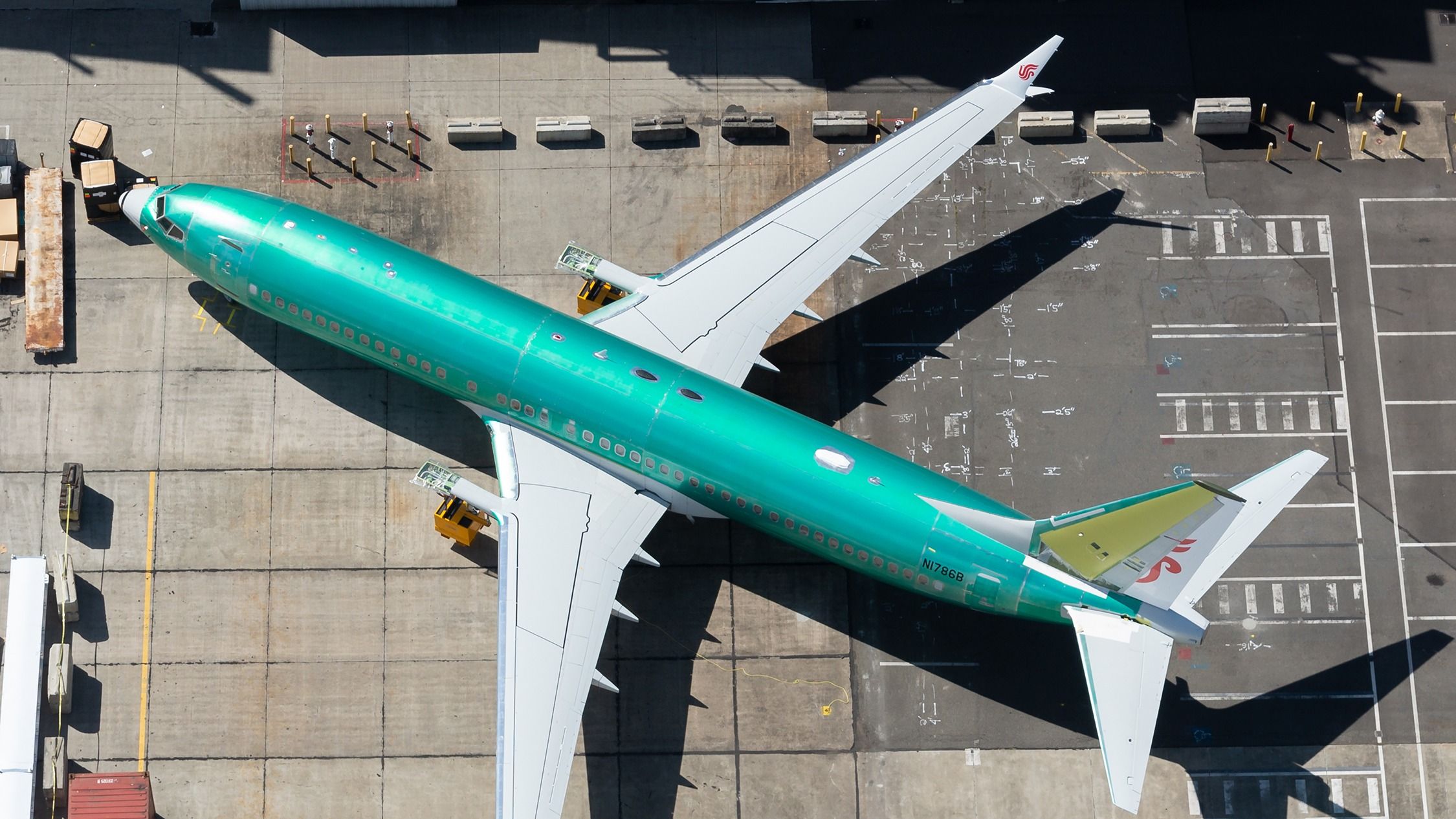
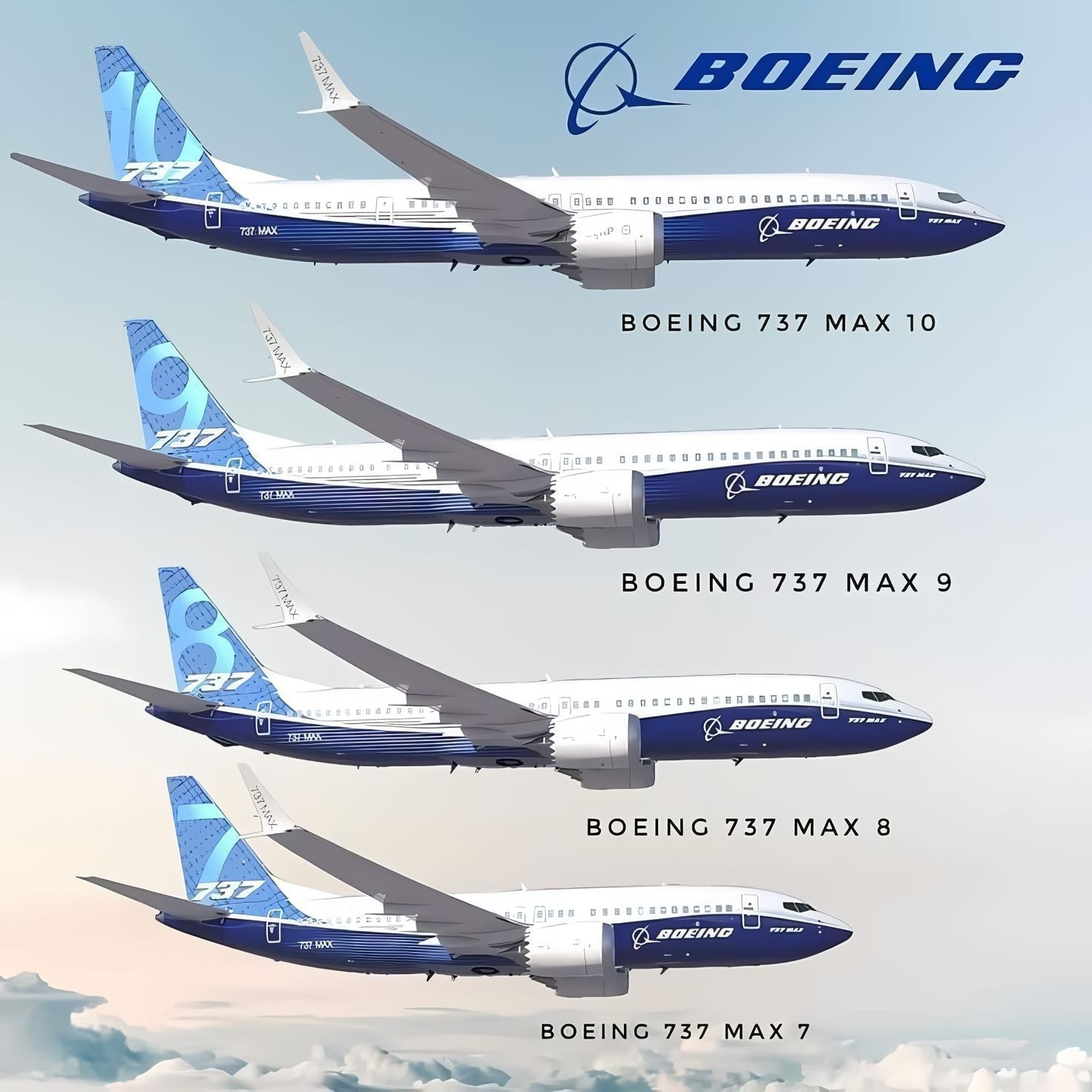
The Boeing 737 MAX program represents one of the most scrutinized chapters in modern aviation history, characterized by the 2018 and 2019 crashes of flights JT610 and ET302. This verified overview examines the technical failures of the Maneuvering Characteristics Augmentation System (MCAS), the regulatory oversight processes, and the subsequent global grounding and return-to-service protocols that have reshaped aviation safety standards through 2026.
The Genesis of the Boeing 737 MAX Program
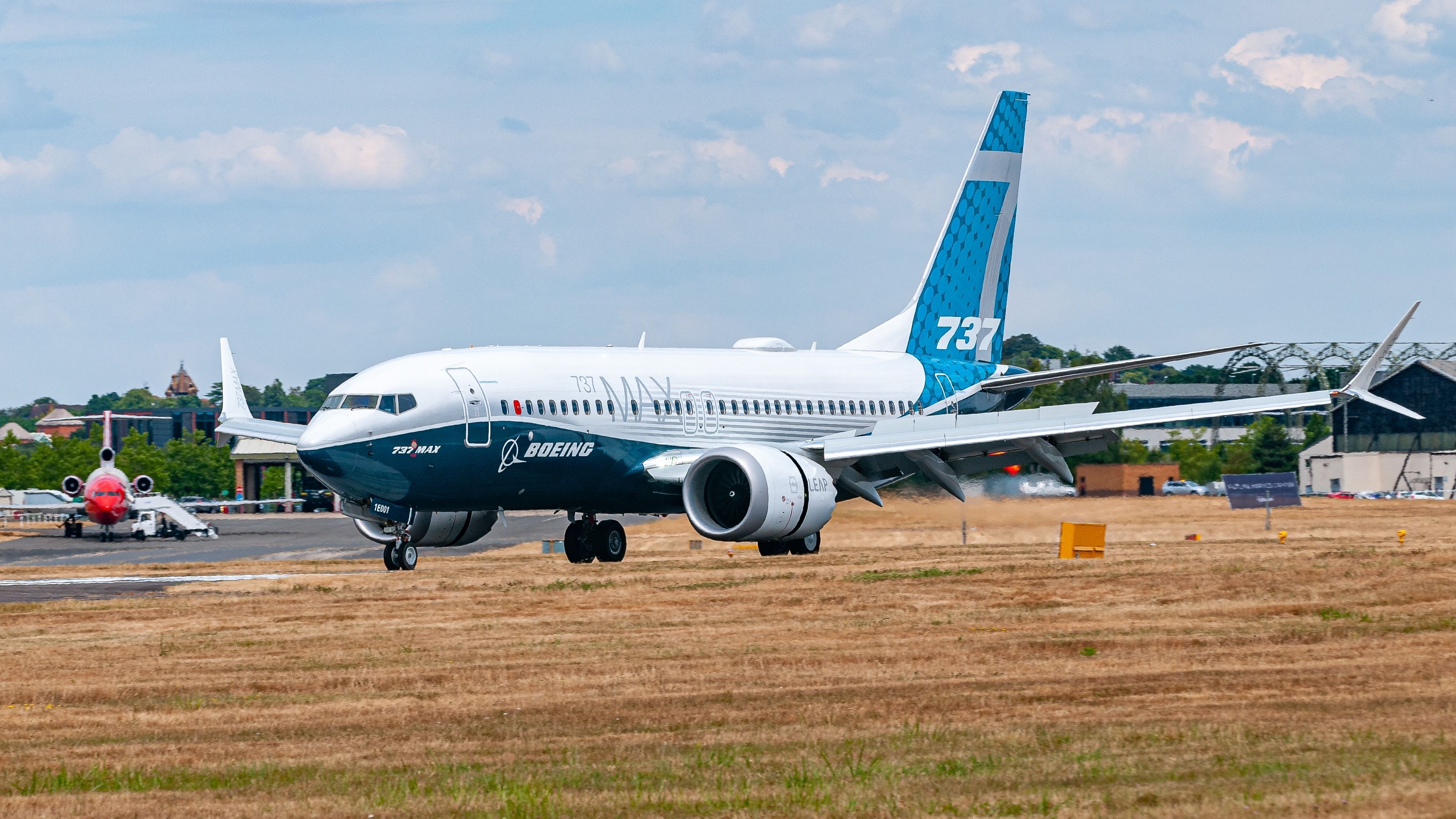
The Boeing 737 MAX was launched in 2011 as a direct market response to the Airbus A320neo. Boeing aimed to provide airlines with a fuel-efficient narrow-body aircraft that would minimize pilot transition training. To achieve this, the design maintained the airframe geometry of the existing 737 Next Generation (NG) series but utilized larger, more efficient CFM International LEAP-1B engines.
Because these engines were larger, they had to be mounted further forward and higher on the wing to maintain adequate ground clearance. This configuration shifted the aerodynamic center of the aircraft, causing the nose to pitch upward at high angles of attack. To maintain a flight handling profile identical to previous 737 models, Boeing engineers developed the Maneuvering Characteristics Augmentation System (MCAS). This software was designed to automatically push the nose down under specific flight conditions to prevent an aerodynamic stall.
Understanding the MCAS Technical Failure
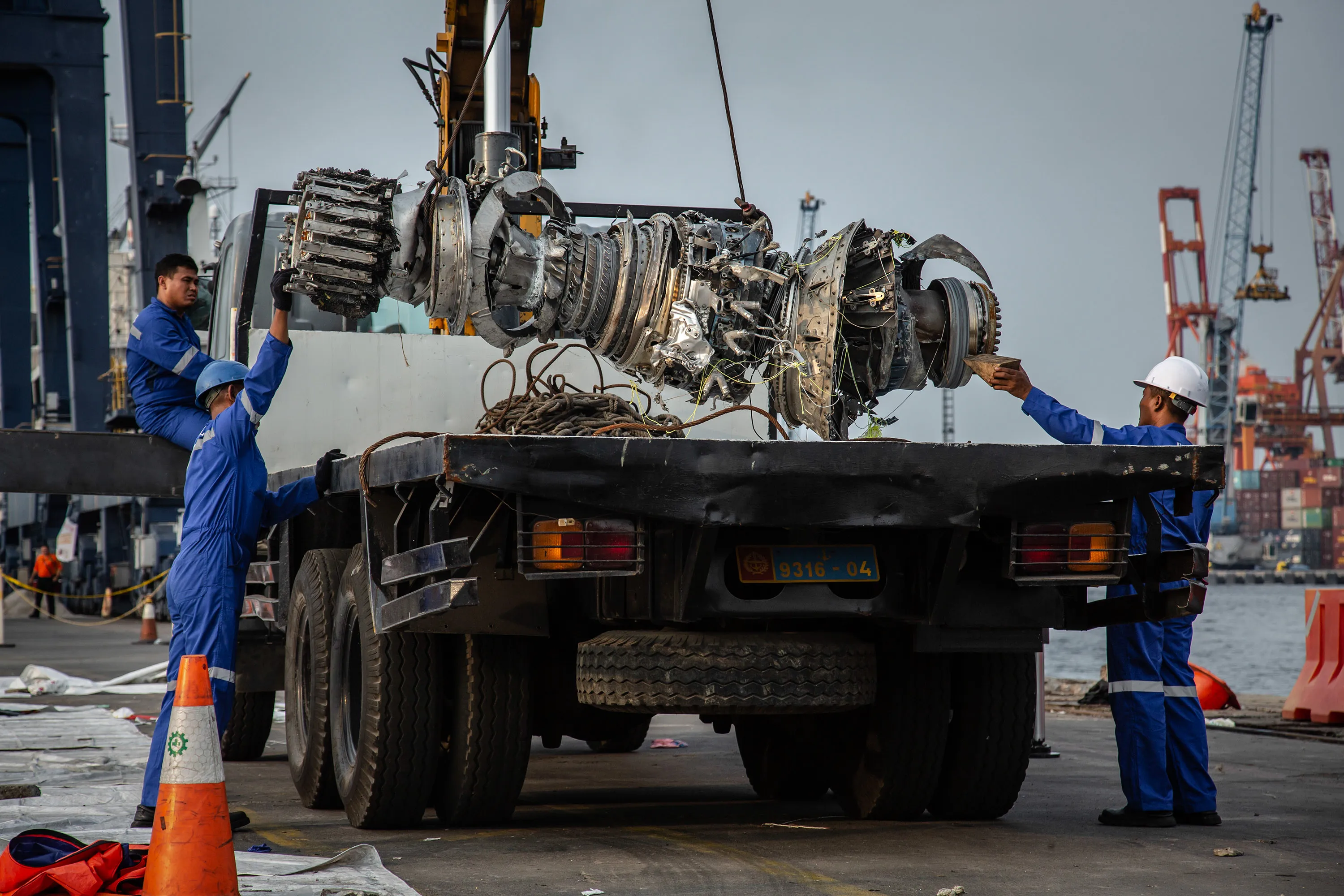
The core technical issue involved the reliance of the MCAS software on a single Angle of Attack (AoA) sensor. In both fatal accidents, a faulty sensor provided erroneous data, triggering the MCAS to activate repeatedly. Because the system was not initially documented in pilot training manuals, flight crews were frequently unprepared to counteract the aggressive, automated nose-down inputs.
The failure was not merely one of software logic, but of system redundancy and human-machine interface (HMI). Pilots were trained to handle manual pitch trim issues, but the repeated, high-authority automated trim commands from MCAS created a "runaway stabilizer" scenario that overwhelmed the crews’ attempts to regain control. Investigations by the National Transportation Safety Board (NTSB) and international counterparts highlighted that the system lacked the "fail-safe" architecture required for critical flight controls, specifically failing to compare input data between the aircraft's two redundant sensors.
Regulatory Oversight and Certification Challenges
The certification process for the 737 MAX occurred under the FAA’s Organization Designation Authorization (ODA) program, which allows manufacturers to perform some certification tasks on behalf of the regulator. This system faced intense criticism following the grounding, as external observers and internal whistleblowers argued it created a conflict of interest.
The oversight gap focused on whether the FAA possessed sufficient technical insight into the complexity of the MCAS. Reports released by the U.S. Congress in the years following the incidents suggested that Boeing pressured engineers to minimize the visibility of MCAS to avoid triggering mandatory simulator training requirements, which would have increased costs for airlines. This period of intense scrutiny fundamentally altered the relationship between aircraft manufacturers and global aviation regulators, leading to more rigorous, centralized validation requirements for new safety-critical systems.
Global Grounding and Return-to-Service Requirements
Following the second accident in March 2019, the entire global fleet of 737 MAX aircraft was grounded by civil aviation authorities worldwide. The path to returning the aircraft to service was a multi-year effort involving rigorous flight testing, redesign of software, and the implementation of mandatory hardware updates.
Key requirements for the ungrounding included:
- Sensor Cross-Checking: The MCAS software was updated to require input from both AoA sensors rather than a single source.
- Pilot Training: Mandatory simulator training was implemented for all 737 MAX pilots to ensure they could recognize and respond to MCAS-related malfunctions.
- Stabilizer Trim Fixes: Improvements were made to the aircraft's wiring and control laws to ensure that automated inputs could be easily overridden by pilot manual controls.
- Enhanced Documentation: Operational manuals were revised to explicitly explain the function and limitations of MCAS.
Comparative Summary of 737 MAX Safety Evolution
| Feature | Original Implementation | Post-Recertification (2020-2026) |
|---|---|---|
| AoA Sensor Input | Single Sensor | Dual Sensor Comparison |
| MCAS Authority | Multiple, repeated activations | Single, limited activation |
| Pilot Training | Computer-based training only | Mandatory simulator training |
| System Visibility | Omitted from pilot manuals | Fully documented in manuals |
| Regulatory Audit | ODA-led certification | Direct FAA/International oversight |
Impact on Aviation Safety Culture
By 2026, the legacy of the 737 MAX program is reflected in how aircraft are designed, tested, and certified. The industry has shifted toward "design assurance" models that prioritize transparency in software automation. Modern safety management systems (SMS) now require manufacturers to account for worst-case scenarios where automation may fail, ensuring that human pilots remain the final authority with clear, intuitive information.
Furthermore, the 737 MAX events prompted a review of the "commonality" philosophy. While airlines prefer aircraft that share similar operating procedures to keep training costs low, the 737 MAX experience demonstrated that achieving such similarity cannot come at the expense of safety-critical systems. Today, aviation regulators are more likely to mandate extra training if a new aircraft system—even one designed to improve handling—materially changes the flight control behavior.
Managing Ongoing Operational Risks
As of 2026, thousands of 737 MAX aircraft operate globally with high dispatch reliability. However, stakeholders—including airline operators, maintenance organizations, and the traveling public—remain vigilant. The current standard for the fleet is defined by strict adherence to the Airworthiness Directives (ADs) issued by the FAA and the European Union Aviation Safety Agency (EASA).
Maintenance crews focus on the health of the AoA sensors, which are now monitored more closely than they were prior to 2019. Operators are also required to perform periodic software validation checks as part of their standard maintenance schedule. For passengers, the 737 MAX is now considered one of the most closely tracked and technically "vetted" aircraft in the sky due to the depth of the scrutiny applied during its return to service.
Frequently Asked Questions
Is the 737 MAX safe to fly in 2026?
Yes. Following the comprehensive global recertification process, the aircraft underwent extensive hardware, software, and training upgrades. It is currently one of the most strictly monitored aircraft in commercial service, subjected to rigorous ongoing inspections by international aviation authorities.
What was the specific role of MCAS in the accidents?
MCAS was an automated flight control system designed to improve handling characteristics. It malfunctioned due to faulty input from a single angle-of-attack sensor, causing the aircraft to repeatedly pitch downward. In the redesigned system, MCAS is limited in its authority and requires dual-sensor verification.
Does every 737 MAX pilot undergo simulator training?
Yes. As part of the mandatory return-to-service protocols, all pilots transitioning to the 737 MAX are required to complete full-motion flight simulator training that includes specific scenarios involving MCAS activation and stabilization failure.
Has the FAA changed how it certifies new aircraft?
The FAA has implemented stricter oversight protocols, moving away from high-autonomy delegation toward more direct involvement in the certification of critical safety systems. This ensures that regulators maintain deeper insight into the design and performance of software-heavy aircraft systems.
How can I identify if my flight is on a 737 MAX?
Most airline booking engines and flight tracking applications identify the aircraft type on the flight details page. If the aircraft is listed as a "737-8" or "737-9," it is a member of the MAX family.
Where can I find official information on 737 MAX status?
The most reliable information regarding airworthiness and current directives can be found on the official websites of the Federal Aviation Administration (FAA) or the European Union Aviation Safety Agency (EASA) via their respective Airworthiness Directive databases.
Recommended Next Steps for Aviation Stakeholders
For professionals working within the aviation sector or researchers analyzing safety protocols, the primary recommendation is to consult the specific Airworthiness Directives (ADs) associated with the relevant 737 MAX sub-model. Organizations should ensure their safety management systems incorporate the lessons learned from the 737 MAX, particularly regarding the dangers of hidden automation and the necessity of redundant, cross-verified sensor data. When evaluating safety records, always prioritize primary source data from national regulators over secondary analysis to ensure you are referencing the most current, verified technical specifications.