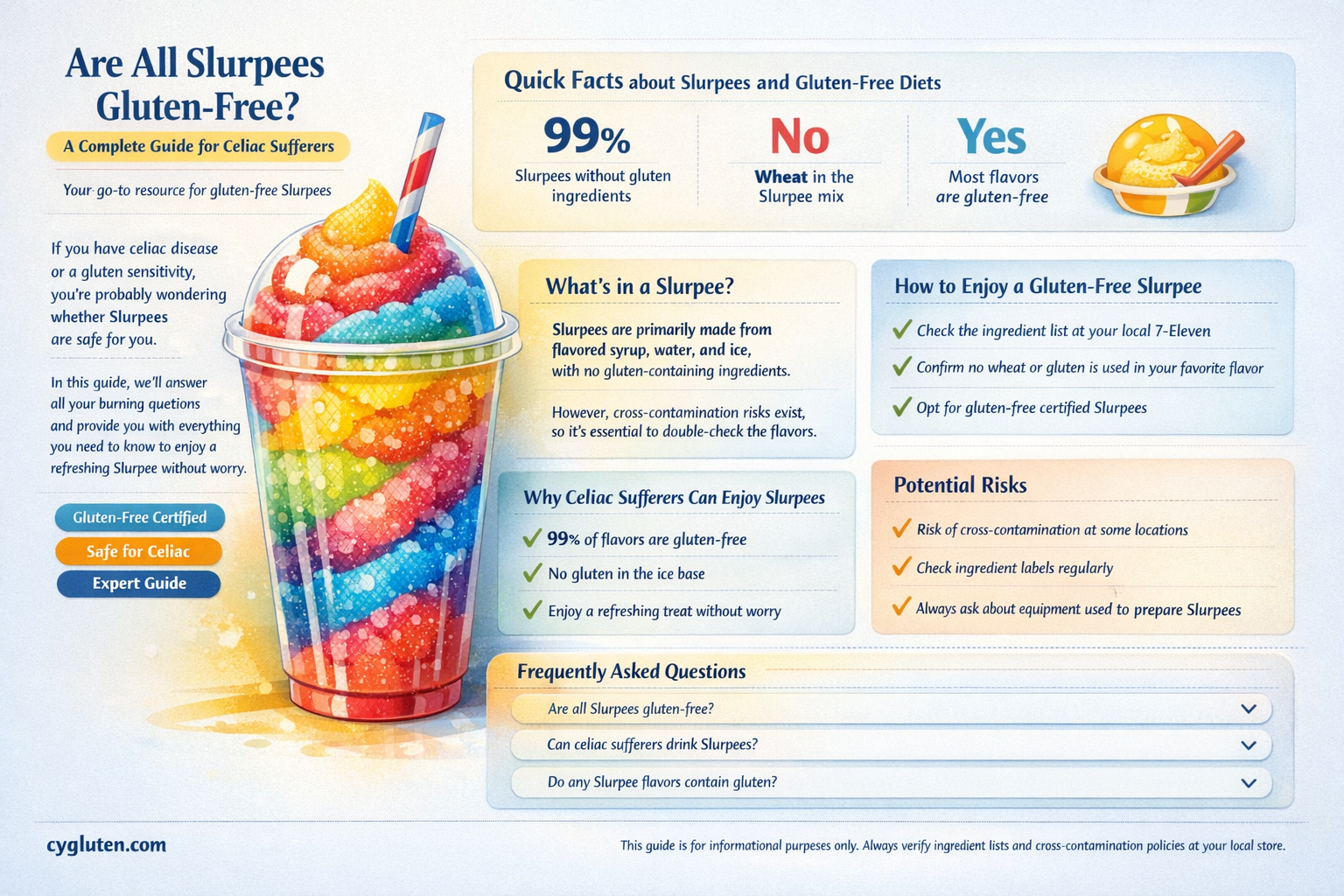
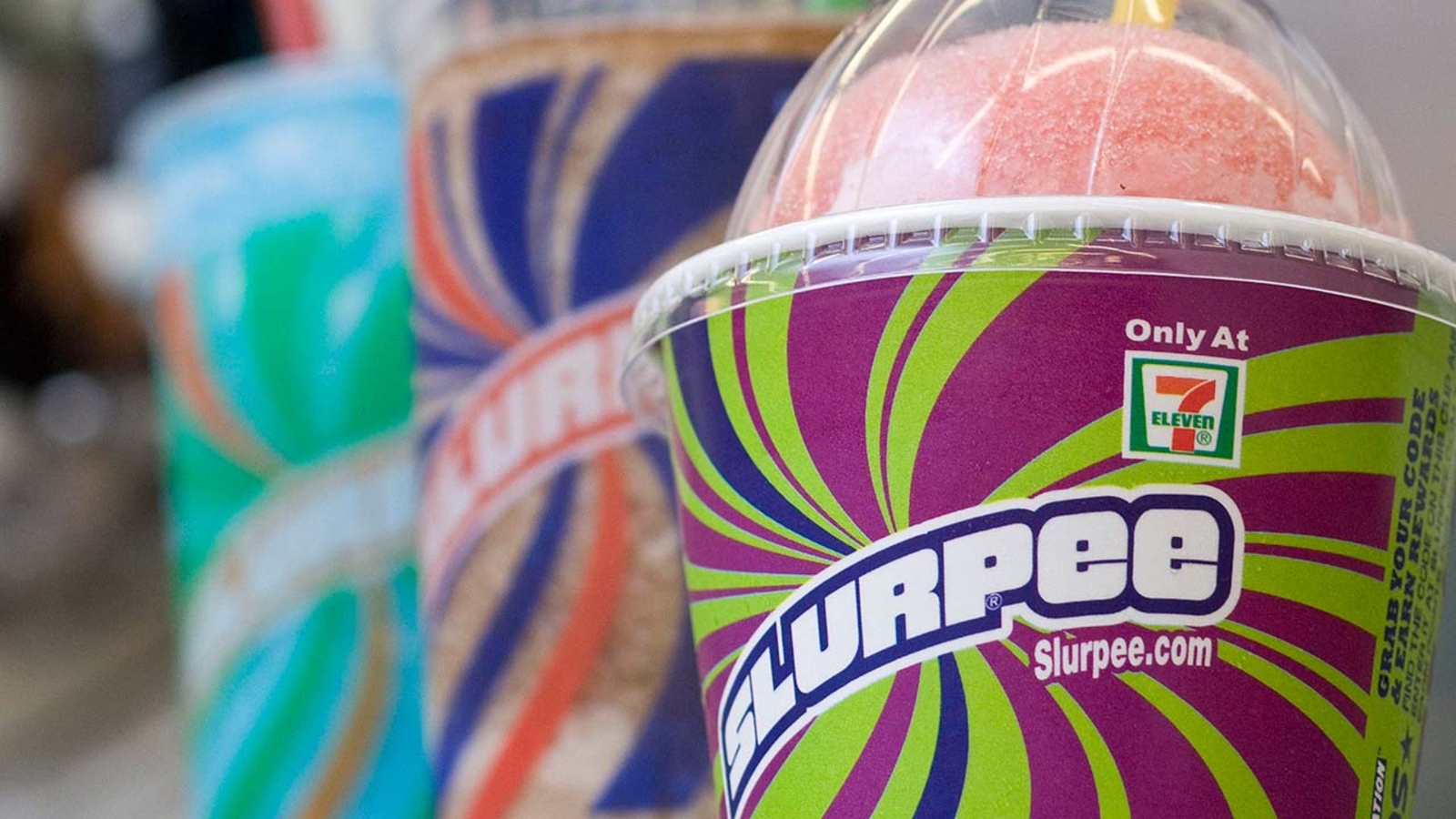
Determining whether a 7-Eleven Slurpee is gluten-free requires careful attention to regional flavor variations, cross-contamination risks at the dispensing fountain, and the lack of universal allergen certification by the parent company. While many individual syrup bases do not contain gluten-derived ingredients, 7-Eleven does not classify Slurpees as a certified gluten-free product, meaning individuals with celiac disease or severe non-celiac gluten sensitivity must exercise significant caution.
Understanding the Nature of Slurpees and Allergens
The Slurpee is a semi-frozen carbonated beverage created through a process of rapid chilling and aeration. The base components of these drinks generally consist of carbonated water, high-fructose corn syrup, citric acid, artificial and natural flavorings, and various food dyes. From a chemical perspective, most of these base ingredients are derived from corn or beet sugar rather than wheat, barley, or rye.
However, the primary challenge for those avoiding gluten is not necessarily the ingredients list itself, but the operational environment of a convenience store. 7-Eleven operates as a franchise model, meaning that flavor selections, machine maintenance, and cleaning protocols can vary significantly from one location to another. Because the company does not market the Slurpee line as a "gluten-free" product, there is no standardized assurance that the manufacturing or dispensing processes are free from trace amounts of gluten.
The Reality of Cross-Contamination in Retail Settings
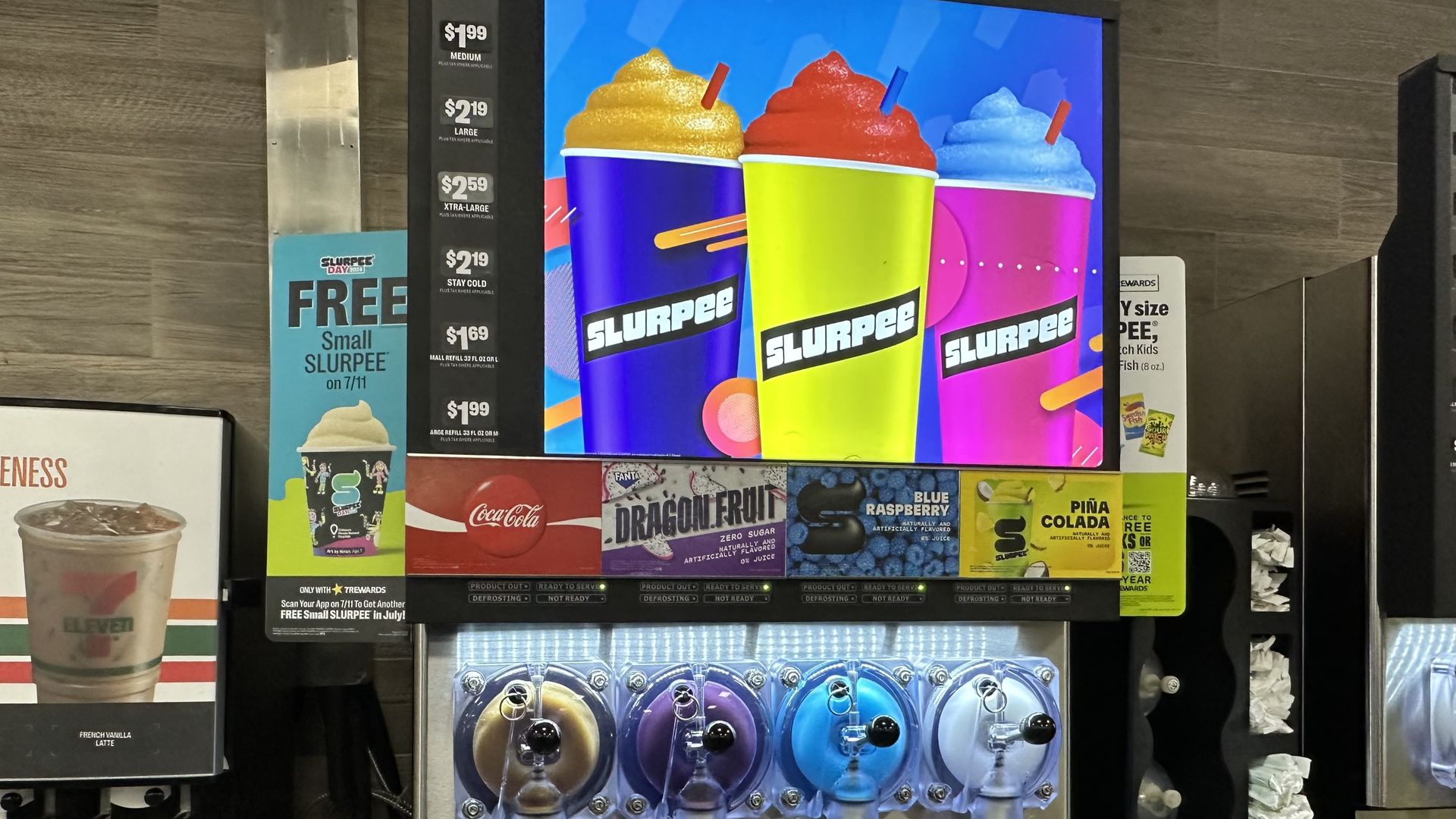
When evaluating the safety of a fountain drink for a gluten-restricted diet, the dispensing environment is often the greatest variable. In a typical 7-Eleven store, multiple Slurpee flavors are housed in a single bank of machines. The drip trays, the levers or buttons, and the surrounding surface area are shared by all available flavors.
Cross-contamination can occur through several vectors:
- Shared Equipment: If a machine was previously used for a drink that contained a gluten-based additive—a rare but possible occurrence in some limited-time promotional flavors—residue could theoretically persist.
- Cleaning Materials: Cloths or sponges used to wipe down spills across multiple machines can transfer particles from one area to another.
- Dispensing Spouts: The internal mechanisms of the machines are cleaned periodically, but not necessarily between every single pour. If a nozzle is cleaned with a cloth that has been used on a non-gluten-free surface, the risk of incidental contact increases.
For individuals with celiac disease, even trace amounts of gluten (often defined as anything above 20 parts per million) can trigger an immune response. Since 7-Eleven does not provide a centralized allergen verification system that guarantees the absence of such cross-contact, customers must assess the specific cleanliness of their local store before deciding to consume these products.
Evaluating Syrup Ingredients and Manufacturing
When researching whether specific flavors are safe, it is helpful to look at the primary ingredient lists provided by 7-Eleven’s official documentation or third-party allergen databases. Generally, standard flavors like Cherry, Blue Raspberry, and Cola do not list wheat-based ingredients in their compositions.
However, manufacturers of the syrups supplied to 7-Eleven may change their formulations without immediate notice to the consumer or the store operator. Ingredients such as "natural flavors" or "modified food starch" can occasionally be derived from gluten-containing grains. Without a dedicated "Gluten-Free" label on the machine, you are relying on the assumption that these specific batches are free of gluten-containing processing aids.
The following table summarizes the typical risk profile for consumers evaluating 7-Eleven Slurpees:
| Risk Factor | Assessment | Mitigation Strategy |
|---|---|---|
| Syrup Ingredients | Generally low risk | Check the specific label if available at the store. |
| Cross-Contamination | Moderate to High | Only use machines that appear well-maintained. |
| Staff Training | Variable | Do not rely on staff for allergen verification. |
| Corporate Certification | None | Treat as "may contain" and proceed with caution. |
Practical Steps for Gluten-Sensitive Consumers
If you choose to consume a Slurpee despite the lack of formal certification, you can take steps to minimize potential exposure. First, observe the environment. A store that appears disorganized or has unkempt dispensing stations is statistically more likely to have poor cross-contamination controls.
Second, consider the timing of your visit. Visiting a location shortly after a deep-cleaning cycle for the drink machines may reduce the likelihood of accumulated residue. Third, always carry your own allergen-safe supplies if you are highly reactive. If you are uncertain about the contents of a new or seasonal flavor, the safest course of action is to abstain. Relying on local store employees to know the exact gluten status of a specific syrup shipment is usually ineffective, as they are not trained in allergen management or ingredient synthesis.
Clarifying Common Misconceptions
One common mistake is assuming that because a drink is a "soda-based" syrup, it is automatically safe. While most sodas are gluten-free, "specialty" or "limited-time-only" Slurpee flavors can sometimes be experimental. Some flavors might incorporate cookie crumbles, brownie bits, or malt-based flavorings for promotional purposes. These inclusions are significant gluten risks. Always inspect the area surrounding the machine for any signage indicating that a flavor contains "toppings" or non-standard ingredients.
Additionally, do not assume that a flavor is safe simply because you consumed it safely at a different 7-Eleven location. Each store is responsible for its own inventory procurement and maintenance schedule, meaning the "Blue Raspberry" at one store may be sourced from a different distribution center or manufacturer than the "Blue Raspberry" at another.
Frequently Asked Questions
Is there a list of 7-Eleven Slurpees that are certified gluten-free?
No, 7-Eleven does not offer a list of certified gluten-free Slurpees. Because the company does not pursue gluten-free certification for its fountain beverage line, no flavor is officially guaranteed to be free of gluten.
Are the seasonal or limited-edition Slurpees safe for gluten-free diets?
Seasonal flavors are potentially higher risk. These often feature complex flavor profiles that may utilize unconventional additives or flavorings. Always verify the physical ingredient label provided by the store if a new flavor is introduced.
Does the 7-Eleven mobile app specify if a drink is gluten-free?
The 7-Eleven app provides product information, but it is not a substitute for medical advice regarding allergens. It does not consistently provide gluten-free status for fountain drinks, as the product inventory is managed at the franchise level.
Can I ask a 7-Eleven employee to verify the ingredients?
While you can ask, store employees are generally not trained in ingredient analysis or allergen cross-contact protocols. They may not have access to full ingredient specifications beyond what is on the syrup boxes, which may not list trace cross-contamination during manufacturing.
Is the sugar used in Slurpees gluten-based?
The vast majority of sugar used in modern Slurpee syrups is high-fructose corn syrup or cane sugar, neither of which contains gluten. The primary concern remains the hidden ingredients in "natural flavors" or the potential for cross-contamination during production and storage.
Recommended Next Steps
If you are managing celiac disease or non-celiac gluten sensitivity, the most prudent next step is to treat 7-Eleven Slurpees as a "non-safe" item unless you have contacted the specific store manager to review the current ingredient documentation for the exact syrup batch being served. For those who require strict gluten-free adherence, seeking out pre-packaged beverages that carry a "Certified Gluten-Free" seal from a reputable third party is the only way to ensure safety. If you decide to proceed, prioritize locations that appear exceptionally clean and avoid any flavors that feature non-standard additives or promotional inclusions.