The 7-Eleven payment network represents an integrated ecosystem of digital and physical financial services provided through 7-Eleven retail locations and their proprietary mobile applications. It functions as a bridge between cash-based consumers and digital financial infrastructure, allowing users to load digital wallets, pay bills, settle e-commerce transactions, and manage prepaid accounts directly at the point of sale.
The Operational Mechanics of the 7-Eleven Payment Network
At its core, the 7-Eleven payment network operates by utilizing the retailer’s extensive physical footprint to facilitate cash-to-digital conversions. Because a significant segment of the population remains underbanked or prefers cash for daily transactions, the 7-Eleven system acts as a "cash terminal" for digital services. When a user initiates a transaction within a mobile app or on a partner website, the system generates a unique barcode or reference number. The user then presents this digital identifier at a 7-Eleven register, where the clerk scans the code, processes the payment, and confirms the transaction in real-time.
This infrastructure is not a singular, independent banking network but rather an aggregation of various third-party payment gateways, prepaid card processors, and utility billing aggregators. By integrating these disparate services into a standardized checkout flow, 7-Eleven enables a seamless user experience regardless of the specific service being utilized.
Key Services and Transaction Types
The versatility of the 7-Eleven payment network is defined by the breadth of services it supports. Users interact with this network primarily for four distinct categories of financial activity:
1. Digital Wallet and Account Loading
One of the most frequent uses is funding digital accounts. Customers can load physical cash into their mobile wallets or prepaid debit cards. This is essential for individuals who wish to participate in the digital economy—such as making online purchases or peer-to-peer transfers—without maintaining a traditional bank account.
2. Bill Payment Aggregation
Through partnerships with major billing aggregators, 7-Eleven locations function as walk-in payment centers for utilities, insurance premiums, and subscription services. The network handles the transmission of payment data to the service provider, ensuring that the customer receives a receipt that serves as proof of payment at the point of sale.
3. E-Commerce "Cash-at-Counter" Transactions
For online retailers, the network solves the "checkout abandonment" issue caused by a lack of credit card access. Customers select "Pay at 7-Eleven" at the checkout screen of an online store. The system generates a pay slip or barcode, and the merchant holds the items until the payment is processed at the physical store. This feature is particularly prevalent in regions with lower credit card penetration.
4. Prepaid Product Purchases
The network facilitates the purchase of digital goods, including game credits, gift cards, and mobile phone top-ups. These transactions are immediate, with the digital PIN or credit delivered via SMS or email almost instantly upon payment verification at the register.
Comparison of Transaction Methods
To understand the role of 7-Eleven in the broader financial landscape, it is useful to compare it against traditional banking channels and standard credit card processing.
| Feature | 7-Eleven Payment Network | Traditional Bank Branch | Credit Card/Digital Gateway |
|---|---|---|---|
| Primary Funding | Cash | Bank Deposits | Credit/Checking Line |
| Accessibility | 24/7 Availability | Limited Business Hours | Immediate/Anywhere |
| Eligibility | Open to All | Strict KYC/Credit Check | Credit Score Dependent |
| Processing Speed | Near Real-Time | Varies (1-3 Days) | Instant |
| Security Mechanism | Barcode/Token | Account Credentials | Encryption/CVV |
Prerequisites for Using Payment Services
Accessing the 7-Eleven payment network generally does not require a formal application or credit approval, but it does require adherence to specific operational prerequisites. Most services require the user to have a smartphone to receive the necessary barcodes or payment references.
Users must also ensure they are utilizing an official partner platform. For example, if a user attempts to pay a utility bill, the billing entity must explicitly list "7-Eleven" or the specific payment aggregator (such as a local payment provider or gateway) as an authorized channel. Without this coordination, the store's point-of-sale system will be unable to recognize the transaction request. Furthermore, because these transactions involve the handling of cash, they are subject to physical store limits—customers cannot usually load thousands of dollars in a single transaction due to store cash-on-hand security policies.
Security, Privacy, and Transactional Integrity
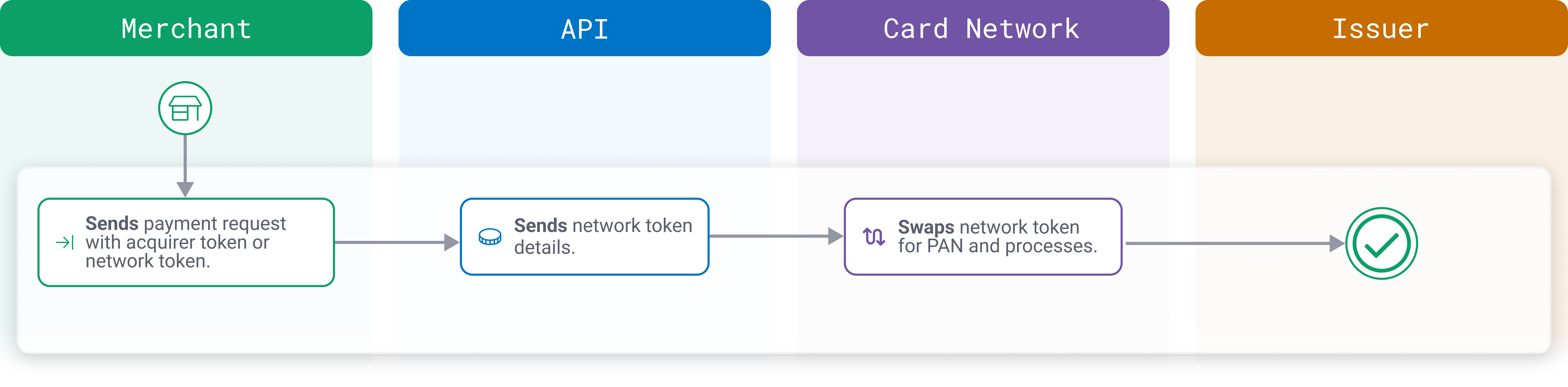
When interacting with the 7-Eleven payment network, security is maintained through tokenization. When a user generates a barcode for a payment, that barcode is typically a one-time-use token. It does not contain the user's sensitive banking information, nor does it provide the store clerk access to the user's financial accounts.
Privacy is a significant advantage of this network; because no credit card is swiped at the counter, the consumer does not leave a digital trail of their financial data at the point of sale. However, users should remain vigilant against phishing attempts where malicious actors might send fake "payment barcodes" via email or messaging apps. Always ensure the payment reference is generated directly from the official app or website of the service provider you intend to pay.
Troubleshooting Common Issues
Despite the robustness of the network, users may occasionally face transaction failures. These issues usually stem from three common areas:
- Barcode Expiration: Many payment codes are time-sensitive. If a user waits too long to visit the store, the code will expire, and the transaction will be rejected by the store's system.
- System Connectivity: While rare, if the store's link to the payment aggregator is down, the transaction cannot be completed. In such cases, the clerk will be unable to finalize the payment, and the user should verify if the service provider's app indicates a temporary service outage.
- Invalid Reference Data: If a user manually enters a reference number or account ID and makes a typo, the system will not be able to identify the correct account. Always double-check account numbers before generating a barcode.
If a payment is successfully made but does not appear in the recipient's account, users should retain their physical receipt. The receipt provided by the 7-Eleven register contains a transaction reference number that is required for any follow-up investigation with the service provider or the payment processor.
Frequently Asked Questions
Is there an additional fee for using the 7-Eleven payment network?
Whether a fee applies depends entirely on the service provider. While 7-Eleven itself acts as the facilitator, the company providing the bill payment or the wallet service may charge a convenience fee for processing cash payments. These fees are usually disclosed at the time of generating the payment code in the provider's app.
What is the maximum amount I can pay at a 7-Eleven store?
Transaction limits are generally dictated by store security policies and the requirements of the payment processor. While small to mid-sized payments are standard, very large amounts may be declined at the register. Check your specific service provider's terms of service for their defined maximums per transaction.
Can I get a refund at a 7-Eleven store if I pay the wrong amount?
Generally, no. Store associates at 7-Eleven are only authorized to facilitate the payment transaction. Once the money is sent to the service provider or account, the refund process must be initiated directly with that service provider. The store acts as a conduit, not a bank, and cannot reverse transactions once finalized.
How long does it take for a payment to reflect in my account?
Most transactions made through the network are processed in real-time or near real-time. However, depending on the service provider's backend systems, it may take up to 24 to 48 hours for the funds to reflect in your balance. Always consult the specific terms provided by the app or service you are utilizing.
Do I need to be a 7-Eleven Rewards member to use their payment services?
No, using the payment network does not require you to be a member of any 7-Eleven loyalty or rewards program. The payment services are generally available to any customer who can generate the required digital payment identifier through their respective service providers.
Recommended Next Steps
If you are new to the 7-Eleven payment network, start by identifying a service you currently use—such as a digital utility account, a prepaid card, or an online subscription—that offers "Cash-at-Counter" or "Pay at 7-Eleven" as an option. Navigate to that service's payment settings and look for the specific instructions for cash payment. By conducting a small, low-stakes transaction first, you can familiarize yourself with the process of generating, presenting, and finalizing a payment at a physical location without the pressure of a time-sensitive deadline. Always ensure you retain your paper receipt until you receive official confirmation from the service provider that your payment has been successfully credited.