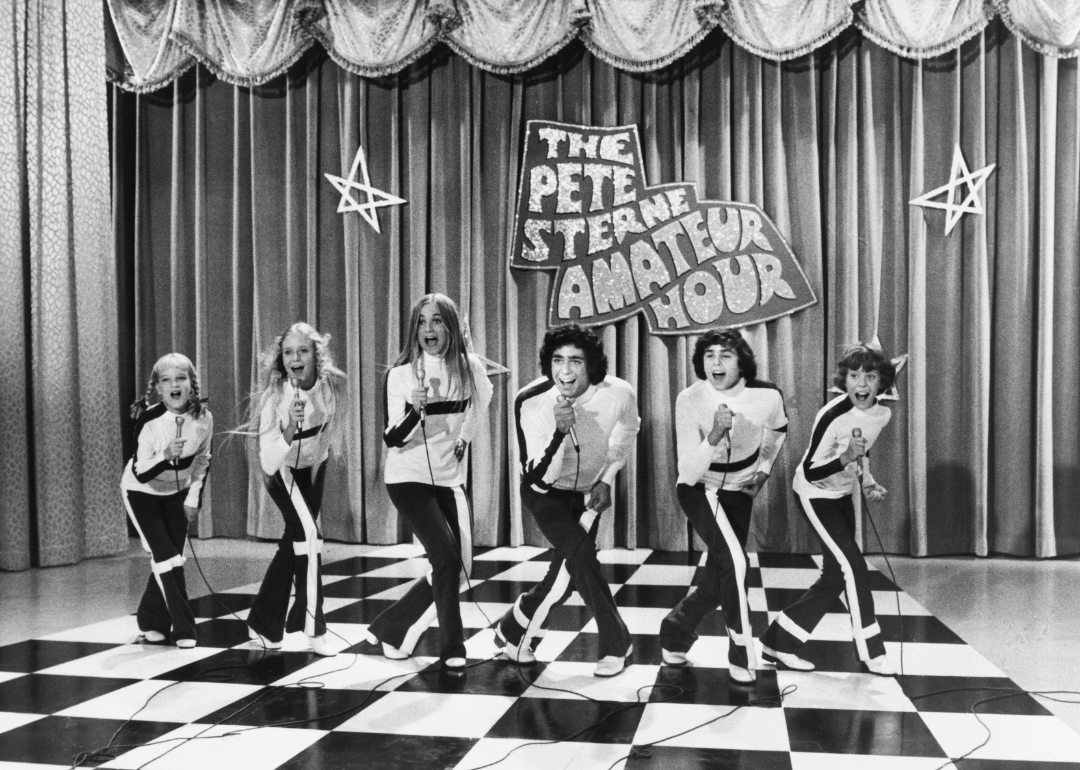
The television landscape of the 1970s represents a foundational era in broadcast history, defined by high-concept sitcoms, gritty police dramas, and the emergence of household names who became cultural icons. These timeless TV classics succeeded because they paired sharp, socially conscious writing with lead actors whose charisma and professional range cemented them as permanent fixtures in the American cultural consciousness.
The Cultural Architecture of 1970s Television
During the 1970s, the television industry transitioned from the variety-show formats and rural comedies of the previous decade toward more sophisticated, character-driven storytelling. This shift was facilitated by the rise of influential production companies like MTM Enterprises and the creative influence of producers such as Norman Lear. The era was marked by shows that were not afraid to address contemporary social issues, from the changing role of women in the workforce to the complexities of political environments and racial tensions.
The primary driver of this success was the "star vehicle" model. Networks recognized that audiences were loyal to specific actors, leading to series built entirely around the persona or proven comedic timing of a lead star. Whether it was the sharp wit of Mary Tyler Moore or the blue-collar pragmatism of Carroll O’Connor, the casting was designed to ground the sometimes provocative writing in relatable, human performance.
Essential Pillars of the Iconic 70s Cast
Identifying a "timeless" show from this era usually requires looking at three distinct metrics: critical longevity, syndication success, and the subsequent career trajectory of the cast members. The following table highlights shows that represent the pinnacle of 1970s casting excellence.
| Show Title | Iconic Lead(s) | Genre | Impact/Legacy |
|---|---|---|---|
| The Mary Tyler Moore Show | Mary Tyler Moore | Sitcom | Revolutionized female workplace representation |
| All in the Family | Carroll O’Connor | Sitcom | Transformed the portrayal of political discourse |
| Columbo | Peter Falk | Crime Drama | Defined the inverted detective format |
| The Bob Newhart Show | Bob Newhart | Sitcom | Established deadpan, observational comedy |
| MAS*H | Alan Alda | Dramedy | Bridged the gap between satire and human tragedy |
The Art of the Character-Driven Script
The synergy between the cast and the script was the backbone of 70s television. In All in the Family, the character of Archie Bunker required an actor capable of balancing abrasive, often prejudiced views with an underlying vulnerability that prevented the audience from turning away. Carroll O’Connor’s performance was the catalyst for the show’s success; without his specific delivery, the complex social critiques embedded in the dialogue would likely have failed to reach a broad audience.
Similarly, Columbo utilized Peter Falk to dismantle the traditional "whodunit" tropes. By revealing the killer in the first few minutes, the show’s success relied entirely on Falk’s ability to project intelligence masked by a disheveled, unassuming exterior. This required a high degree of technical acting skill, as the performance necessitated subtlety rather than the histrionics often found in previous detective tropes.
Transitioning from Sitcoms to Cinematic Drama
By the mid-1970s, the line between television acting and feature film performance began to blur. Actors like Alan Alda in MASH* provided a blueprint for how a television lead could carry a multi-year narrative arc that evolved from purely comedic sketches to profound moral questioning. Alda’s portrayal of Hawkeye Pierce allowed the show to survive and thrive through eleven seasons, as the audience grew alongside the character’s changing worldview.
This period established the professional standard that television actors could be as nuanced and serious as their film counterparts. For the audience in 2026, these shows serve as historical documents of a time when the medium was finding its maturity. The technical quality of the acting—prioritizing timing, ensemble chemistry, and consistent emotional beats—remains a masterclass for modern production designers and actors alike.
Challenges in Maintaining Iconic Status
Retaining the "timeless" label presents challenges for 70s classics in the current streaming era. Modern audiences approach these shows with different expectations regarding pace and cultural context. The success of a 70s show today often depends on the strength of the core ensemble. Shows that focused on a single star often struggle to find new viewers, whereas ensemble-based series like MASH* or The Mary Tyler Moore Show remain highly accessible because the secondary characters provide constant friction and humor, which keeps the viewing experience dynamic.
Furthermore, technical limitations of the 1970s—such as the use of multi-camera setups with live studio audiences—give these shows a theatrical quality that feels distinct from the cinematic, single-camera look of today. Recognizing this stylistic choice is necessary for viewers to appreciate the high-wire act of performing comedy in real-time, which demanded perfect rhythm and precise physical positioning from every actor on the set.
Frequently Asked Questions
What made 70s sitcom casting different from earlier decades?
Casting in the 1970s prioritized "realism" and complexity over the idealized archetypes of the 1950s and 60s. Actors were chosen for their ability to portray flawed, multi-dimensional individuals who lived in the real world rather than in suburban vacuums. This allowed for scripts that tackled divorce, politics, and employment with a level of grit that hadn't been attempted on network television before.
Why do 70s police dramas like Columbo still hold up today?
Columbo remains relevant because its focus is on the intellectual game between the detective and the perpetrator rather than on procedural violence. The character of Columbo, brought to life by Peter Falk, utilizes a psychological approach to interrogation that remains a standard for the genre. The writing, paired with a charismatic and technically brilliant lead, creates an experience that is not reliant on contemporary technology or trends.
How did the MAS*H cast change the trajectory of television?
The cast of MASH* was instrumental in proving that television could blend drama and comedy seamlessly. By shifting the tone of the series over its long run, the actors—led by Alan Alda—forced the medium to accommodate deeper, more existential themes. This shifted the perception of TV stars from being merely "entertainers" to being "performers" capable of dramatic weight.
Are these classic shows still widely accessible in 2026?
Yes, the vast majority of these timeless classics are available on major streaming platforms. Due to their enduring popularity, they are frequently remastered to high-definition standards, which highlights the original production quality. Platforms often categorize them under "cult classics" or "historical dramas," ensuring they remain reachable for new generations of viewers.
What is the most common mistake when evaluating these shows today?
The most common mistake is judging the production values of the 1970s by 2026 standards. The technical limitations of videotape and multi-camera setups were significant, but they were also a deliberate stylistic choice that emphasized theatrical performance. Viewing them as stage plays adapted for the screen provides a more accurate appreciation of the actors' craft and the show's pacing.
Strategic Next Steps for Enthusiasts
If you are looking to revisit or experience these classics for the first time, start by selecting one series based on your preferred genre—sitcom or drama. To maximize your appreciation, research the pilot episode of the chosen show, as it sets the baseline for the characters’ personalities and the show’s intended tone. Many of these series benefit from viewing at least three to five episodes, as the chemistry between the main cast often intensifies once the performers settle into their roles and the writers begin to tailor scripts specifically to their individual strengths. Consider comparing the first and final seasons of these series to witness how the stars evolved alongside the cultural shifts of the decade.