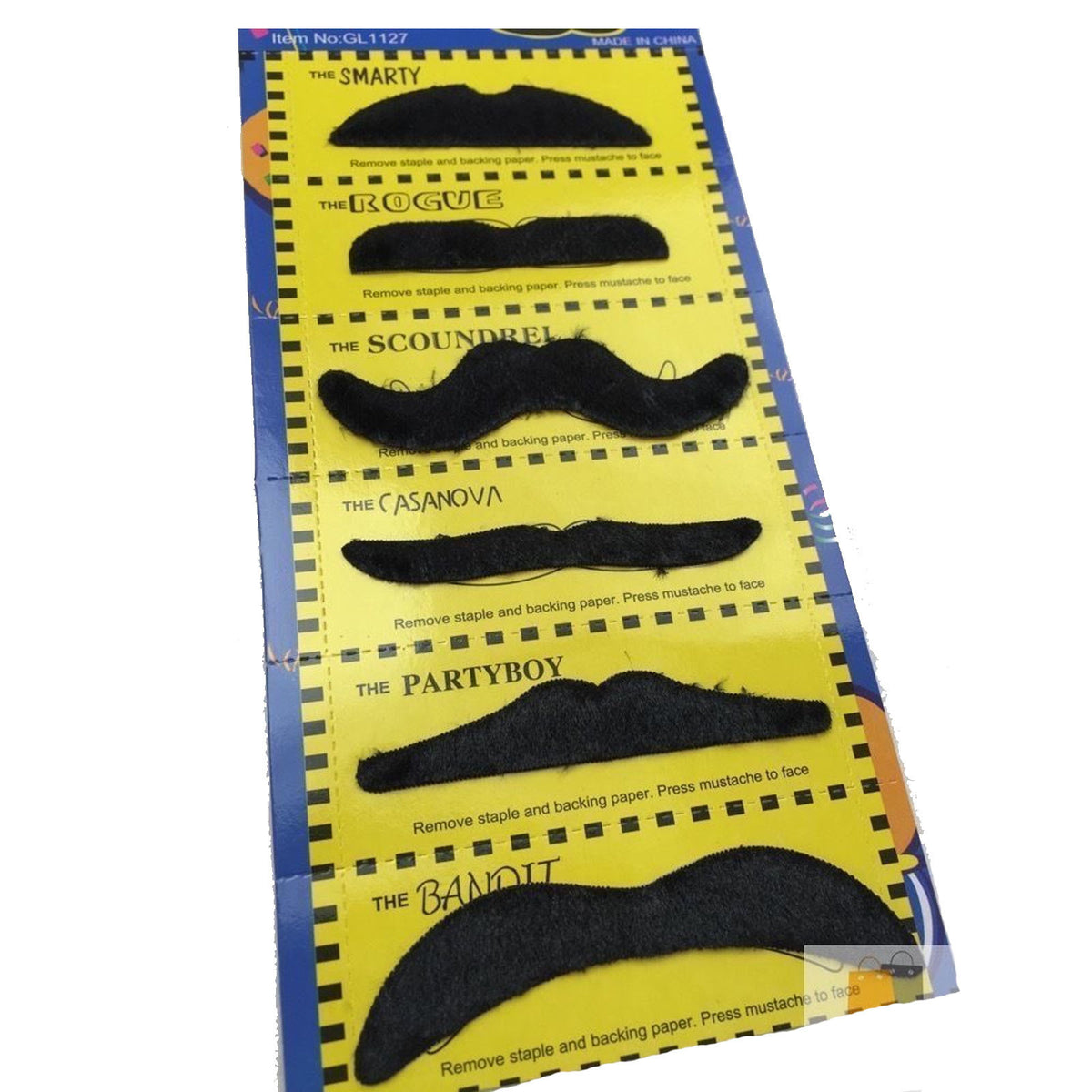
The 70s mustache is a bold aesthetic choice characterized by fuller, thicker, and often more aggressive styling than modern minimalist trends. Achieving this look requires patience for heavy growth, precise trimming to maintain historical accuracy, and consistent grooming to avoid an unkempt appearance, ultimately balancing classic masculine volume with 21st-century hygiene standards.
The Cultural Significance of the 1970s Mustache
During the 1970s, facial hair transitioned from the countercultural, unkempt styles of the late 1960s into a symbol of virility, professional authority, and personal expression. This era marked the peak of the "Chevron," the "Handlebar," and the "Horseshoe," each serving as a visual marker of the wearer's identity. From the silver screen to the professional workplace, the mustache became an essential accessory for men seeking to project rugged confidence.
Unlike the precise, razor-thin lines of the 1920s or the stubble-focused looks of the current decade, the 70s mustache was defined by density. It was designed to occupy space, often extending to or past the corners of the mouth. Understanding this historical context is essential for anyone attempting to replicate the look today, as the style relies on natural density rather than forced shaping.
Prerequisites for Growing Your Mustache
Before you begin, you must establish a baseline of facial hair health. A successful 70s-style mustache requires a significant amount of "real estate" above the upper lip. If you have patchy growth or slow follicle development, achieving the desired density may take several months.
- Patience: Allow your facial hair to grow untrimmed for at least four to six weeks. Do not be tempted to shape it during this phase, as you need to gauge the natural growth pattern of your hair follicles.
- Skin Health: The skin beneath a thick mustache often becomes dry or irritated. Use a high-quality, non-comedogenic moisturizer to ensure the skin remains healthy.
- Nutritional Foundation: While no supplement can magically force hair growth, maintaining a diet rich in biotin, zinc, and protein supports the structural integrity of your hair.
- The "Check" Phase: After six weeks, assess your growth. If your hair does not connect from the philtrum (the groove above the lip) to the corners of the mouth, you may need to adjust your expectations or focus on a style that accommodates lower density, such as a trimmed-down pencil style.
Essential Grooming Tools and Maintenance
To maintain a 70s look without appearing disheveled, you need a professional-grade toolkit. The difference between a "period-accurate" mustache and a messy beard is the quality of your maintenance routine.
- High-Quality Grooming Scissors: Precision is paramount. Avoid using electric trimmers for the final detailing, as they can inadvertently remove too much hair. Stainless steel, hair-cutting-specific scissors provide the best control.
- Mustache Comb: A fine-toothed comb is necessary to lift the hair away from the skin, allowing you to trim it to an even length.
- Beard Wax: Because 70s styles often involved deliberate shaping, a firm-hold wax is essential for keeping the ends of the mustache in place throughout the day.
- Safety Razor: To maintain the "mustache-only" look, you must shave the rest of your face daily. A single-blade safety razor provides a cleaner finish than multi-blade cartridges, reducing skin irritation.
Comparison of Classic 70s Mustache Styles
When deciding which version of the 70s mustache suits your face shape, consider the following variations. Each style requires different grooming thresholds and maintenance levels.
| Style Name | Characteristics | Best Suited For | Maintenance Effort |
|---|---|---|---|
| The Chevron | Thick, wide, covers the top lip entirely | Oval and square faces | Moderate |
| The Handlebar | Curled, ends pointing upwards | Round faces | High |
| The Horseshoe | Extends down toward the jawline | Long or rectangular faces | High |
| The Walrus | Exceptionally thick and bushy | Strong jawlines | Low |
Procedural Steps for Styling
Once you have achieved sufficient growth, follow these steps to achieve a groomed, professional appearance:
- Wash and Dry: Start with a clean, dry mustache. Wet hair can be deceptive in length; you should always trim when the hair is dry to ensure the shape remains accurate once you are finished.
- Comb Downwards: Use your fine-toothed comb to pull all the hair straight down. This reveals the true length of the hair over your upper lip.
- Establish the Lip Line: Use your grooming scissors to trim the hair horizontally along the line of your upper lip. For a classic 70s look, the hair should just barely graze the vermilion border (where the lip meets the skin).
- Taper the Sides: Use the comb to lift the hair at the corners of your mouth. Carefully trim the hair so it blends seamlessly with the rest of your facial growth, avoiding sharp, blocky edges that look unnatural.
- Final Styling: Apply a small pea-sized amount of wax to your fingers, warm it between them, and work it through the mustache. Use the comb to distribute it evenly and shape the edges.
Troubleshooting Common Issues
Many men encounter challenges when cultivating a 70s-style mustache. The most common issue is "patchiness," where the hair grows at different rates. If you notice gaps, do not shave them off immediately; sometimes, longer hair around the gap can be combed over to conceal it.
Another common problem is "stiffness" or skin itchiness. This is often caused by build-up from improper washing. Treat your mustache as you would the hair on your head—use a mild cleanser, but avoid harsh detergents that strip natural oils. If the mustache feels too coarse, a light beard oil can soften the cuticle, making it easier to shape and less likely to prick your skin.
Frequently Asked Questions
How long does it take to grow a full 70s-style chevron mustache?
For most men, achieving a full-density 70s chevron requires at least two to three months of consistent growth. While it may look unkempt in the first month, resisting the urge to trim prematurely is essential to allowing the hair to reach the thickness required for the iconic 70s aesthetic.
Can I grow a 70s mustache if my facial hair is light-colored?
Yes, but you will need to focus more on volume and texture. Because light hair is less visually prominent, you may need to allow for slightly more length than someone with dark, coarse hair. Using a light-hold styling product can help group the hairs together, creating a denser appearance.
Should I trim the hair that grows over my mouth?
In the 1970s, many men grew their mustaches long enough to hang over the upper lip. However, for modern, practical, and hygienic reasons, it is recommended to trim the hair precisely at the border of your lip. This keeps the look clean and prevents the hair from interfering with eating or drinking.
How often should I wash my mustache?
You should wash your mustache every time you wash your face, typically twice daily. Using a specialized beard shampoo or a gentle facial cleanser prevents the accumulation of food particles and natural oils that can lead to skin irritation or an unpleasant odor.
Can I combine a 70s mustache with a beard?
While the classic 70s mustache is often seen as a standalone feature, it can be combined with a beard. However, to maintain the focus on the mustache, keep the beard trimmed significantly shorter than the mustache itself. This creates a visual contrast that highlights the mustache as the focal point of your face.
Recommendation for Next Steps
To begin your transition, dedicate the next 30 days to pure growth. Do not touch your upper lip with a razor or scissors. Take a photo every week to monitor the progression of your density. Once you reach the one-month mark, evaluate your growth against the styles in our comparison table. If you have the required density, invest in a pair of high-quality grooming scissors and begin your routine by establishing your lip line. For those struggling with patchy growth, consider focusing on a shorter, more manicured style until your hair density increases with age or consistent care.