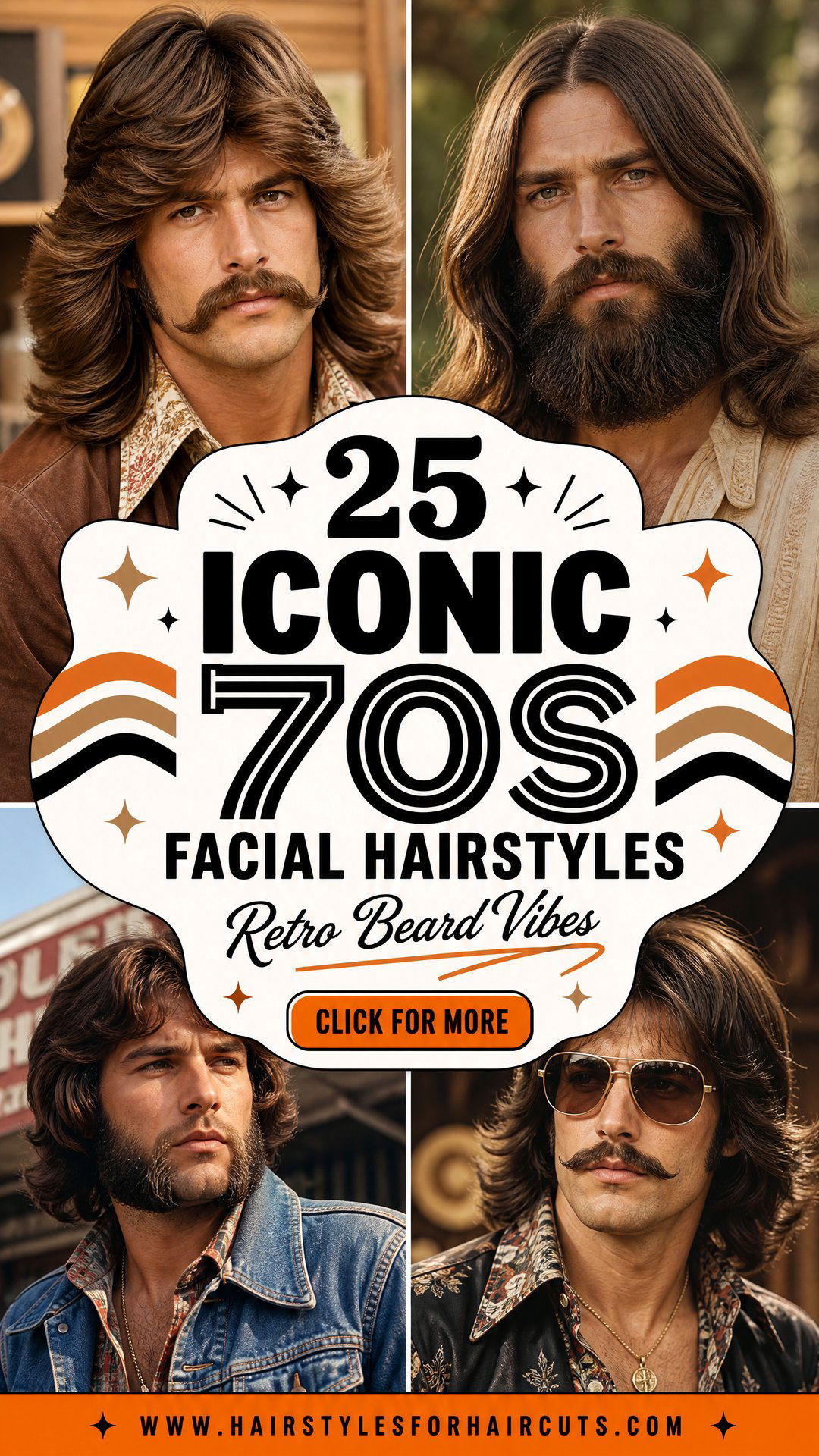
Achieving a 1970s-inspired beard aesthetic requires a blend of deliberate hair cultivation and specific shaping techniques that reflect the decade's transition from countercultural protest to mainstream fashion. Success relies on balancing natural, voluminous growth—often characterized by a full, untamed appearance—with the structural grooming standards necessary to maintain defined hairlines and healthy follicle integrity.
The Cultural Context of the 1970s Beard
The beard in the 1970s served as a multifaceted cultural signifier, shifting significantly from its role in the 1960s. During the late 60s, long, unkempt facial hair was predominantly a symbol of anti-establishment sentiment and countercultural participation. As the 1970s dawned, this aesthetic began to permeate the mainstream, becoming adopted by figures across music, cinema, and academia.
Unlike the precise, high-maintenance beard trends seen in later decades, the 70s style emphasized rugged masculinity and individual expression. It was the era of the "natural" look, where the absence of frequent trimming was often viewed as a testament to an authentic, unpretentious lifestyle. However, by the mid-to-late 70s, this shifted toward groomed but substantial styles, such as the full beard paired with sideburns that flowed seamlessly into the hairstyle of the day. Understanding this context is essential for anyone attempting to replicate the look; the goal is not mechanical precision, but rather a robust, full-growth appearance that feels lived-in rather than engineered.
Establishing the Base: Growth Requirements
The primary requirement for a 70s-style beard is patience. Most iconic looks from the era—whether the thick, full-length beard or the shorter, box-shaped style—require a minimum of four to six weeks of uninterrupted growth. During this phase, the primary challenge is overcoming the "itch" caused by dry skin beneath the emerging hair.
To support growth, prioritize skin health. Use a gentle, non-stripping cleanser to remove oil buildup without drying out the epidermis. Hydration is the most critical factor; as the hair follicles emerge, they draw moisture away from the skin. Integrating a beard oil that contains high-quality carrier oils, such as jojoba or argan, helps maintain the suppleness of the underlying skin, which in turn promotes healthier, more resilient hair shafts. Avoid over-styling during the first month; the goal is to establish density before focusing on shape.
Shaping and Maintenance Techniques
Once you have achieved sufficient volume, the grooming process shifts to structural maintenance. 70s grooming, while less restrictive than modern standards, required specific techniques to prevent the beard from looking messy rather than intentional.
- Neckline Definition: Even in the 70s, a clean neck was the standard for a polished, professional look. Use a safety razor or a straight edge to define a line slightly above the Adam’s apple. This prevents the "neckbeard" effect and provides a sharp contrast to the fullness on the chin.
- Cheekline Trimming: The cheekline in the 1970s was often kept natural. Instead of hard, razor-sharp lines, consider using a trimmer with a guard to lightly taper the hair near the cheekbones. This creates a soft gradient that feels period-accurate.
- Mustache Integration: A hallmark of the 70s beard is the connection between the mustache and the chin hair. Ensure that the mustache is kept at a similar density to the beard. Use small, fine-toothed grooming scissors to trim the hairs that hang over the upper lip, allowing for a clean eating surface without removing too much bulk.
Grooming Tools and Their Application
The tools of the 1970s were primarily analog, relying on manual dexterity rather than digital precision. While modern tech can simplify the process, the methodology remains the same.
| Tool | 1970s Application | 2026 Recommended Usage |
|---|---|---|
| Boar Bristle Brush | Distributing natural oils and manual exfoliation. | Use daily to train hair follicles to grow in a downward, cohesive direction. |
| Grooming Scissors | Manual thinning and shaping. | Use for precise, point-cutting to avoid blunt, "choppy" edges. |
| Safety Razor | Maintaining clean lines on the neck. | Use with high-quality shave soap to prevent irritation during edge-work. |
| Wooden Comb | Detangling long, coarse growth. | Use wide-tooth variants to prevent hair breakage and static. |
Common Grooming Mistakes
The most frequent mistake in attempting a vintage aesthetic is over-trimming. A 70s beard is defined by its substance; if you use a high-powered electric trimmer to set a close guard (such as a 2mm or 3mm), you will lose the signature texture of the era. Aim for a fuller, more substantial length.
Another common pitfall is ignoring the health of the ends. Split ends in a longer beard look unruly and detract from the intended "rugged" look, turning it into a "neglected" look. Periodically, use sharp grooming scissors to snip away individual split ends, a process known as dusting. This ensures the beard looks thick and healthy rather than frayed.
Addressing Related Grooming Questions
How do I stop my beard from looking patchy during the growing phase?
Patchiness is often a matter of patience. Most beards fill in as the surrounding hairs grow longer, covering thinner spots. In the 1970s, men often focused on styling the hair around the patch, such as grooming the mustache or sideburns to be more prominent, which draws visual interest away from thinner areas of the cheeks or jaw.
Is beard balm necessary for a 70s style?
While not strictly required, beard balm—which contains beeswax or shea butter—is excellent for providing a light, flexible hold. A 70s style should look natural, not stiff. Use a small amount of balm to tame stray hairs that stick out, ensuring the beard maintains its intended shape throughout the day without looking lacquered or shiny.
How often should I wash my beard?
Over-washing is a common error. Washing your beard every day will strip it of the essential sebum oils that keep it soft. Aim for two to three times per week using a specialized beard wash. On days between washes, rinse the beard thoroughly with warm water and apply a light application of beard oil to keep the hair manageable and the skin hydrated.
Next Actions: Establishing Your Routine
To successfully adopt a 70s-style beard, your first step is a "hard reset" on your current grooming routine. Stop using electric trimmers to maintain a close, uniform length. Instead, let your facial hair grow for at least six weeks to identify your natural growth patterns. Once that baseline is established, use a high-quality boar bristle brush to train the hair to lie in a uniform, downward direction. Only after this training phase should you begin to define your necklines and trim the edges. By prioritizing hair health and density over excessive clipping, you can achieve a look that captures the rugged, unforced elegance of the 1970s.