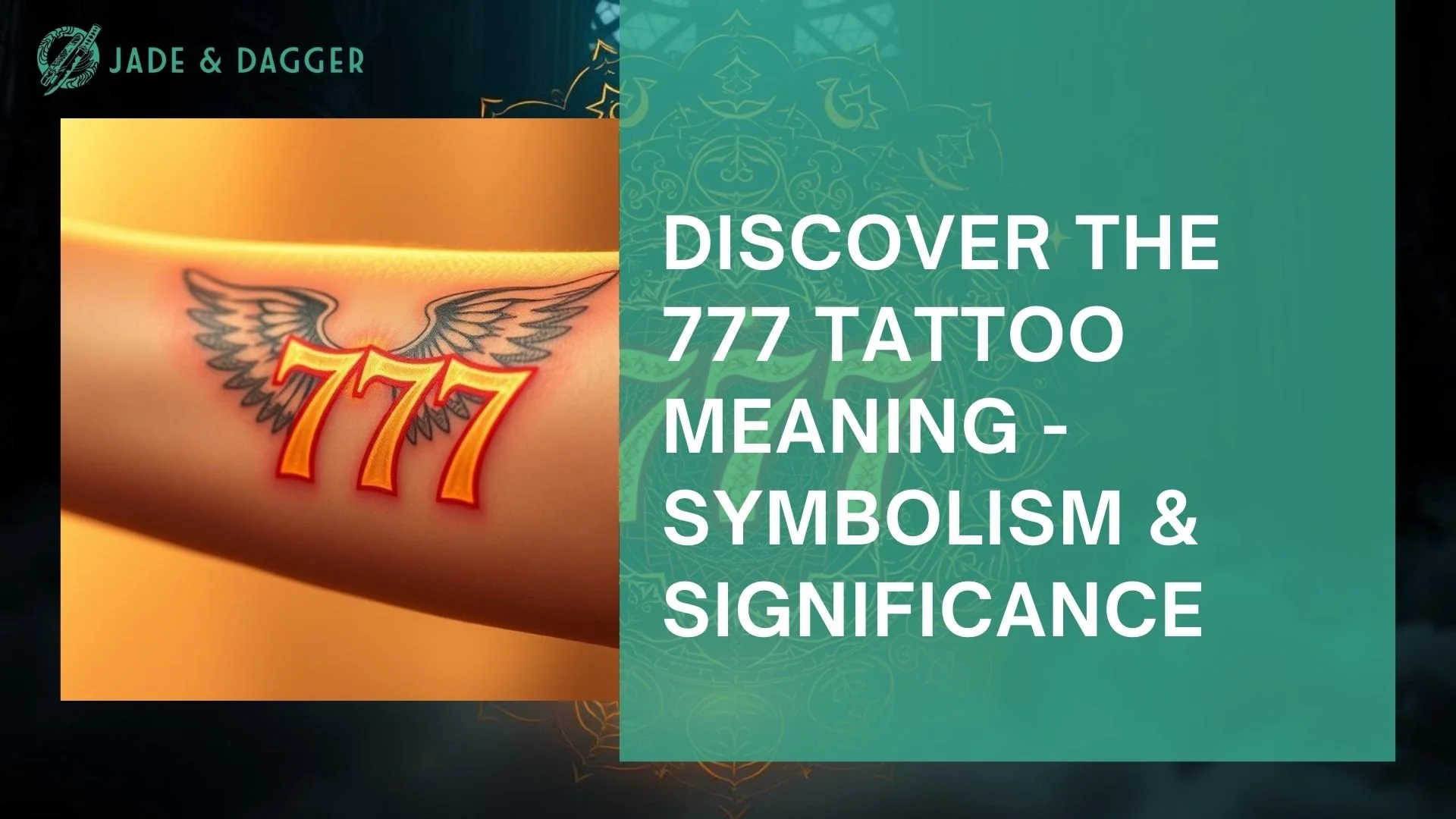
Tattoos serve as permanent, visual narratives that bridge personal identity, cultural heritage, and aesthetic expression. Understanding the diverse lexicon of tattoo styles and their historical symbolism allows individuals to make informed decisions about their body art, ensuring that the chosen imagery aligns with their values and intended aesthetic outcomes.
Decoding Tattoo Symbolism: Origins and Intent
The practice of tattooing has evolved from ancient tribal rites—where markings denoted rank, lineage, or spiritual protection—into a sophisticated form of contemporary art. When selecting a design, it is essential to distinguish between the aesthetic "style" (the artistic technique) and the "symbolism" (the conceptual meaning). While a style defines how a tattoo looks, such as the bold lines of American Traditional or the intricate shading of Realism, the symbolism defines what it represents.
Modern tattoo culture operates on a spectrum between permanent tradition and evolving personal expression. Whether one seeks to honor historical motifs or explore abstract concepts, the primary requirement for a successful tattoo is the synthesis of technical execution and personal relevance.
Major Artistic Styles and Their Technical Requirements
The technical approach to a tattoo dictates how it ages and how its meaning is conveyed. Artists often specialize in specific "languages" of tattooing, and understanding these can prevent mismatching an idea with an inappropriate medium.
Traditional and Neo-Traditional
American Traditional, or "Old School," is characterized by heavy black outlines, a limited color palette—typically red, yellow, green, and black—and two-dimensional imagery. These designs, often including nautical themes, eagles, or roses, are considered timeless. Neo-Traditional builds upon this foundation by incorporating a wider color spectrum, more depth, and intricate, illustrative details while retaining the clean, bold lines that ensure long-term legibility.
Realism and Portraiture
Realism aims to replicate a photograph or life-like image on the skin. This style requires a high degree of technical skill, as the artist must manipulate light, shadow, and negative space to create a three-dimensional effect. While visually striking, these tattoos require significant real estate on the skin to maintain detail over time.
Illustrative and Fine Line
Illustrative tattoos borrow techniques from printmaking and sketching, often featuring fine lines, cross-hatching, and stippling. Fine Line tattooing, which relies on single-needle techniques, is increasingly popular for its delicate, subtle aesthetic. These tattoos are often smaller and offer a more understated way to incorporate complex symbols.
Comparative Overview of Common Tattoo Styles
| Style | Key Technical Feature | Typical Symbolism | Longevity |
|---|---|---|---|
| American Traditional | Bold lines, flat color | Nautical, military, floral | Excellent |
| Realism | Photographic shading | Portraits, animals, nature | Moderate |
| Geometric | Symmetry, dot work | Order, math, spirituality | High |
| Neo-Traditional | Illustrative, varied color | Mythology, fantasy, nature | High |
| Fine Line | Single-needle precision | Minimalism, calligraphy | Moderate |
Cultural Significance and Historical Motif
Many tattoos draw from ancient reservoirs of meaning that transcend individual experience. For instance, the lotus flower, a staple in many styles, represents enlightenment and rebirth, rooted in its growth through murky water. Similarly, the Japanese Irezumi tradition utilizes specific flora and fauna—such as the koi fish representing perseverance or the dragon symbolizing wisdom and strength—to tell a structured, mythological story across large surfaces like sleeves or back pieces.
It is crucial to approach culturally significant iconography with sensitivity. Researching the specific origins of a motif ensures that the chosen design respects its history rather than engaging in appropriation or misinterpretation. When selecting symbols from non-Western traditions, consulting with artists who specialize in those specific aesthetics is the most reliable way to ensure historical accuracy.
Selecting Your Artist and Technical Planning
The success of a tattoo is as dependent on the artist as it is on the design. In 2026, the industry standard emphasizes a collaborative process. Before finalizing a design, evaluate an artist’s portfolio specifically for the style you have chosen. If you desire a photorealistic portrait, an artist renowned for geometric line work may not be the optimal choice.
Key Factors for Planning
- Placement: Consider the anatomy. Areas with frequent movement or high sun exposure require different care and may influence how a design is composed.
- Scale: Complex symbols often require larger surface areas to remain clear. If a design is too small, the ink may "bleed" or blur as the skin naturally changes over time.
- Longevity: Ask your artist about how a specific design will heal. Fine-line tattoos, for example, may require more frequent touch-ups than bold, traditional styles.
Practical Considerations and Aftercare
Once the design is chosen, the process moves into the procedural phase. Professional studios in 2026 operate under strict health and safety guidelines. Verify that the studio uses sterilized equipment, single-use needles, and appropriate biohazard disposal protocols.
Post-tattoo, the healing process is the final step in ensuring the integrity of the work. Following a professional aftercare regimen—typically involving gentle cleaning, non-scented moisturizing, and rigorous sun protection—is non-negotiable. Excessive sun exposure is the primary cause of premature fading and loss of detail, particularly for intricate or colored pieces.
Frequently Asked Questions
How do I know if a tattoo design will age well?
A design that ages well generally utilizes bold outlines and moderate shading. Fine-line designs or extremely detailed micro-tattoos are more prone to blurring over decades as skin cells regenerate and ink particles naturally shift. Always consult your artist about the "longevity" of a specific design before committing.
Is it necessary to have a deep personal meaning for a tattoo?
While many people choose tattoos for their deep symbolic resonance, aesthetic appreciation is a perfectly valid reason for getting a tattoo. You are not required to justify your body art to others; however, being clear about your intent helps the artist create a piece that feels personal to you.
What is the difference between custom and flash art?
Flash art consists of pre-drawn designs displayed in the studio, which are often reproducible. Custom art is a design created specifically for you based on your unique vision. Custom pieces often carry a higher price point due to the design time involved but ensure a one-of-a-kind result.
How should I prepare for a tattoo appointment?
Ensure you are well-rested, hydrated, and have eaten a balanced meal before your session. Avoid alcohol for at least 24 hours prior, as it can thin your blood and interfere with the tattooing process. Wear loose, comfortable clothing that allows the artist easy access to the area being tattooed.
Can I cover up a tattoo I no longer like?
Yes, cover-up tattoos are common, but they require a skilled artist who understands layering and color theory. A successful cover-up often requires a design that is larger and darker than the original to effectively mask the previous ink.
Taking the Next Action
When you are ready to proceed with a tattoo, the best first step is to schedule a consultation. Most professional artists offer a brief meeting to discuss your concept, evaluate the placement, and provide a realistic estimate of both cost and time. Bring reference images, but remain open to the artist’s suggestions; their experience with the medium of human skin will often lead to a more durable and aesthetically balanced result than a direct translation from a digital reference.