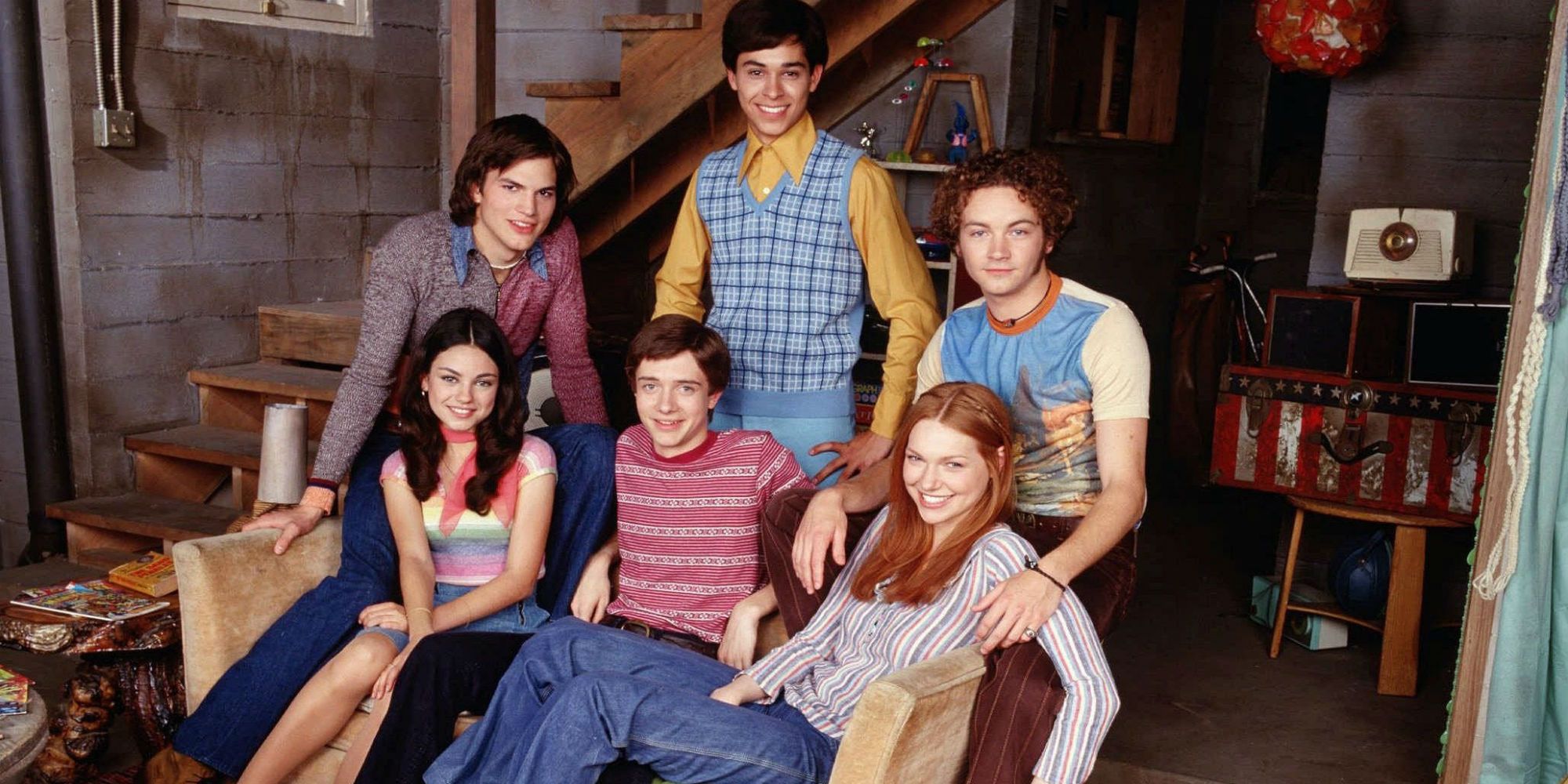
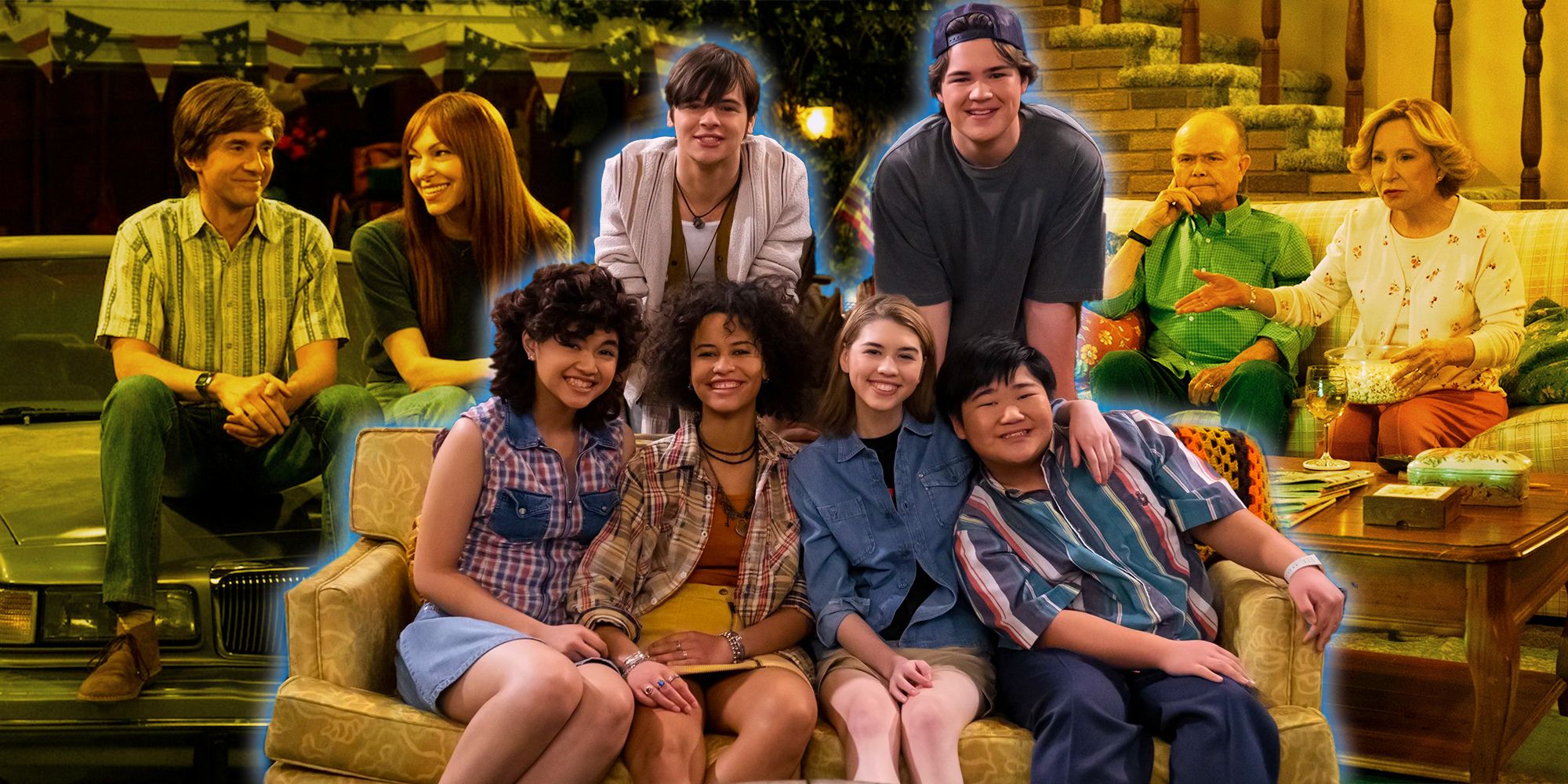
The ensemble cast of the long-running sitcom That '70s Show serves as the heartbeat of its fictional suburban setting, Point Place, Wisconsin. Spanning eight seasons from 1998 to 2006, the series chronicles the lives of six teenagers—Eric, Donna, Kelso, Jackie, Fez, and Hyde—as they navigate the turbulent transition into adulthood during the mid-to-late 1970s. This guide provides a comprehensive look at the main characters, the actors who brought them to life, and the defining traits that shaped the series.
The Core Circle: Defining the Protagonists
At the center of the show is Eric Forman, the quintessential "everyman" who anchors the group. The series is primarily told from his perspective, focusing on his relationship with his neighbor and long-time girlfriend, Donna Pinciotti, and his often strained, comedic dynamic with his parents, Red and Kitty Forman.
The group is rounded out by an eclectic mix of personalities: Michael Kelso, the dim-witted but handsome "pretty boy"; Jackie Burkhart, the spoiled, status-conscious cheerleader; Steven Hyde, the rebellious, cynical anti-establishment thinker; and Fez, the enigmatic foreign exchange student whose home country is never explicitly named. These characters function not just as friends, but as archetypes of 1970s youth culture, navigating high school, early jobs, and the social constraints of a conservative Midwestern town.
Principal Cast and Character Profiles
Understanding the That '70s Show cast requires looking at the interplay between individual character growth and the collective chemistry that defined the show’s longevity.
Eric Forman (Topher Grace)
Eric is the moral center of the group. Often seen as nerdy and physically slight, he finds himself constantly trying to prove his worth to his stern, traditionalist father, Red. His evolution from an awkward high school student to an adult attempting to forge his own path provides the show's primary narrative arc.
Donna Pinciotti (Laura Prepon)
As the daughter of Bob and Midge Pinciotti, Donna is portrayed as the independent, feminist intellectual of the group. Her dynamic with Eric is the emotional core of the series, marked by complex breakups and reconciliations. She is the anchor who challenges the boys’ more immature impulses.
Michael Kelso (Ashton Kutcher)
Kelso is defined by his vanity and lack of common sense. Despite his poor decision-making, his optimism and loyalty to his friends make him a constant source of humor. His on-again, off-again relationship with Jackie serves as a primary source of conflict throughout the early and middle seasons.
Jackie Burkhart (Mila Kunis)
Initially introduced as the "mean girl" of the high school, Jackie undergoes significant character development, transitioning into a more self-aware, though still high-maintenance, young woman. Her journey from being dependent on her social standing to becoming a career-oriented individual is one of the show’s most consistent subplots.
Steven Hyde (Danny Masterson)
Hyde is the group’s conspiracy theorist and resident cynic. Living in the Forman basement after being abandoned by his mother, he represents a deeper, more troubled perspective on life. His relationship with the Formans—particularly as a surrogate son to Red—adds significant warmth and depth to the show’s later seasons.
Fez (Wilmer Valderrama)
Fez represents the "outsider" experience. Because he is from a foreign country, his dialogue is frequently defined by culture clashes and his struggle to grasp American social norms. His intense, often obsessive pursuit of romance—particularly with Jackie and older women—is a staple of his character throughout the series.
Generational Conflicts: The Parental Figures
No guide to the That '70s Show lineup is complete without acknowledging the adults of Point Place. The parental dynamic is essential for providing contrast to the teenagers' world.
- Red Forman (Kurtwood Smith): A Korean War veteran who works at an auto parts plant. Red is famous for his harsh parenting style, often threatening to put his "foot in" various characters' posteriors.
- Kitty Forman (Debra Jo Rupp): The glue that holds the house together. Kitty is known for her high-pitched laugh, her medical career as a nurse, and her desperate, often comical attempt to be the perfect matriarch.
- Bob and Midge Pinciotti (Don Stark and Tanya Roberts): Donna’s parents serve as a foil to the Formans. Bob is boisterous and frequently over-shares, while Midge serves as the glamorous, somewhat oblivious mother who struggles with the traditional role of a suburban housewife.
Cast Comparison and Impact
The ensemble cast was carefully curated to ensure a balance of opposing personalities, which maximized the comedic potential of the basement scenes. The following table highlights the core cast and their primary character archetypes.
| Character | Actor | Key Defining Trait |
|---|---|---|
| Eric Forman | Topher Grace | The Reluctant Everyman |
| Donna Pinciotti | Laura Prepon | Independent Intellectual |
| Michael Kelso | Ashton Kutcher | The Oblivious Heartthrob |
| Jackie Burkhart | Mila Kunis | Socially Ambitious |
| Steven Hyde | Danny Masterson | The Cynical Rebel |
| Fez | Wilmer Valderrama | The Cultural Outsider |
| Red Forman | Kurtwood Smith | Traditionalist Authoritarian |
| Kitty Forman | Debra Jo Rupp | The Anxious Caretaker |
Behind the Scenes: The Evolution of the Lineup
While the core cast remained remarkably stable for most of the show's run, the departure of Topher Grace at the end of the seventh season necessitated a shift in the show’s focus. The introduction of Randy Pearson, played by Josh Meyers, in the final season was an attempt to fill the void left by Eric, though it remains a point of contention among long-term fans. This period underscores the difficulty of maintaining a sitcom’s "magic" when key ensemble members transition away from the project.
Furthermore, the character of Laurie Forman, Eric’s older sister, played by Lisa Robin Kelly (and later Christina Moore), serves as a recurring antagonist. Her presence highlights the sibling rivalry and the differing expectations placed on the Forman children, adding an extra layer of dysfunction to the family dynamic.
Frequently Asked Questions
Did the actors playing the teenagers actually grow up in the 1970s?
No. The primary cast members were born in the late 1970s and early 1980s, meaning they were children or not yet born during the era depicted in the show. Their performances were based on script writing that utilized 1970s cultural markers like pop music, fashion trends, and political events to simulate the era.
Why is Fez’s home country never revealed?
The ambiguity surrounding Fez’s origin was a deliberate creative choice. By keeping his home country unnamed, the writers were able to use him as a "blank slate" for various cultural misunderstandings without needing to adhere to the specific political or social realities of any one real-world nation.
How did the show handle the transitions in the final season?
The final season, occurring in 1979, had to navigate the exit of Eric Forman. The narrative pivoted to focus more heavily on the remaining group dynamics and the maturation of Hyde and Jackie, while introducing new characters to bridge the gap in the social circle. It marked a distinct shift from the "coming of age" theme of earlier seasons to a "moving on" theme.
What happened to the actors after the series concluded?
Most of the main cast went on to have successful careers in film and television. For instance, Mila Kunis transitioned into high-profile film roles, while Ashton Kutcher continued to find success in both television and business ventures. The chemistry formed during the show often led to long-term personal relationships, including marriages among several cast members.
Next Steps for Fans and Researchers
For those looking to explore the series further, the best approach is to examine the character arcs season-by-season rather than looking at them as static figures. Start by watching the pilot, which establishes the primary motivations for Eric and his friends, and compare their goals in the first season to their final positions in the eighth season. The progression of the Forman family dynamic, in particular, offers a masterclass in sitcom character development, illustrating how tension-filled familial relationships can evolve toward mutual respect and understanding over time.