A 7-pound newborn falls directly into the ideal average weight range for full-term babies, signaling healthy fetal development. During your baby's first week, expect them to feed 8 to 12 times daily, lose up to 7% to 10% of their birth weight initially, and progress from sticky meconium to yellow, seedy diapers by day five.
Medical Disclaimer: The information provided in this guide is for educational purposes only and does not replace professional medical advice, diagnosis, or treatment. Always consult your pediatrician or primary healthcare provider regarding any concerns about your newborn's health, weight, or development.
Baseline Expectations: What a 7-Pound Birth Weight Means for Your Baby
In pediatric medicine, a birth weight of 7 pounds (approximately 3.18 kilograms or 112 ounces) is considered a benchmark for healthy, full-term development. Most full-term infants born between 37 and 42 weeks weigh between 5.5 and 8.8 pounds. A 7-pound infant enters the world with ideal subcutaneous fat reserves and robust muscle tone, providing a solid foundation for physiological stabilization outside the womb.
During the first 24 to 48 hours, your 7-pound newborn transitions from receiving continuous intrauterine nutrition through the placenta to managing intermittent digestive processes independently. The stomach capacity of a newborn on day one is roughly the size of a small marble or cherry, holding only 5 to 7 milliliters (about one to one-and-a-half teaspoons) per feeding. Because of this limited capacity, your infant requires frequent, small feedings rather than large volumes.
A baby's body temperature control also relies on their birth weight and metabolic rate. At 7 pounds, infants generally possess sufficient brown adipose tissue (specialized fat that generates heat) to assist with thermoregulation, assuming they are dressed in appropriate layers and kept in a draft-free environment. Understanding these anatomical baselines helps parents distinguish between normal physiological adjustments and signs that warrant medical attention.
Day-by-Day Progression: Feeding, Diapers, and Sleep
The first seven days of a newborn's life bring rapid changes in digestive capacity, waste excretion, and sleep-wake cycles. Tracking these day-by-day shifts ensures your 7-pound baby remains hydrated and well-nourished while their metabolic systems adjust.
- Day 1-2: Liquid Gold & Meconium
- 5-15 ml stomach capacity
- Thick colostrum feedings
- Dark, tarry meconium stools
- Day 3-4: Milk Transition & Change
- 22-27 ml stomach capacity
- Transitional milk arrives
- Greenish-brown, lighter stools
- Day 5-7: Steady Rhythms & Recovery
- 45-60 ml stomach capacity
- Mature milk / full volume
- 6+ wet, 3-4 yellow seedy stools
Days 1 to 2: The Adaptation Phase
During the first 48 hours, your baby will spend a significant amount of time sleeping, recovering from the physical effort of birth. Breastfed infants will consume small amounts of colostrum—the nutrient-rich, antibody-dense early milk often called "liquid gold." Formula-fed newborns will typically take between 0.5 to 1 ounce (15 to 30 ml) per feeding.
- Feeding frequency: Every 1.5 to 3 hours (8 to 12 times per 24 hours). Wake your baby if they sleep past 3 hours during these initial days to ensure adequate caloric intake.
- Diaper output: Day 1 usually brings at least 1 wet diaper and 1 dark, sticky meconium stool. Day 2 typically yields at least 2 wet diapers and 2 meconium or transitional (dark brown-green) stools.
- Sleep patterns: Expect 16 to 18 hours of total sleep per 24-hour period, broken up into short segments lasting 1 to 3 hours.
Days 3 to 4: The Transition Phase
By the third and fourth days, your baby's stomach expands to roughly the size of a walnut, accommodating 0.75 to 1 ounce (22 to 30 ml) per feeding. For nursing mothers, maternal milk supply transitions from colostrum to transitional milk, increasing in volume and changing from a thick yellow liquid to a thinner, lighter consistency.
- Feeding frequency: 8 to 12 feedings per 24 hours. Cluster feeding—where the infant requests multiple feedings close together over several hours—is common during this stretch.
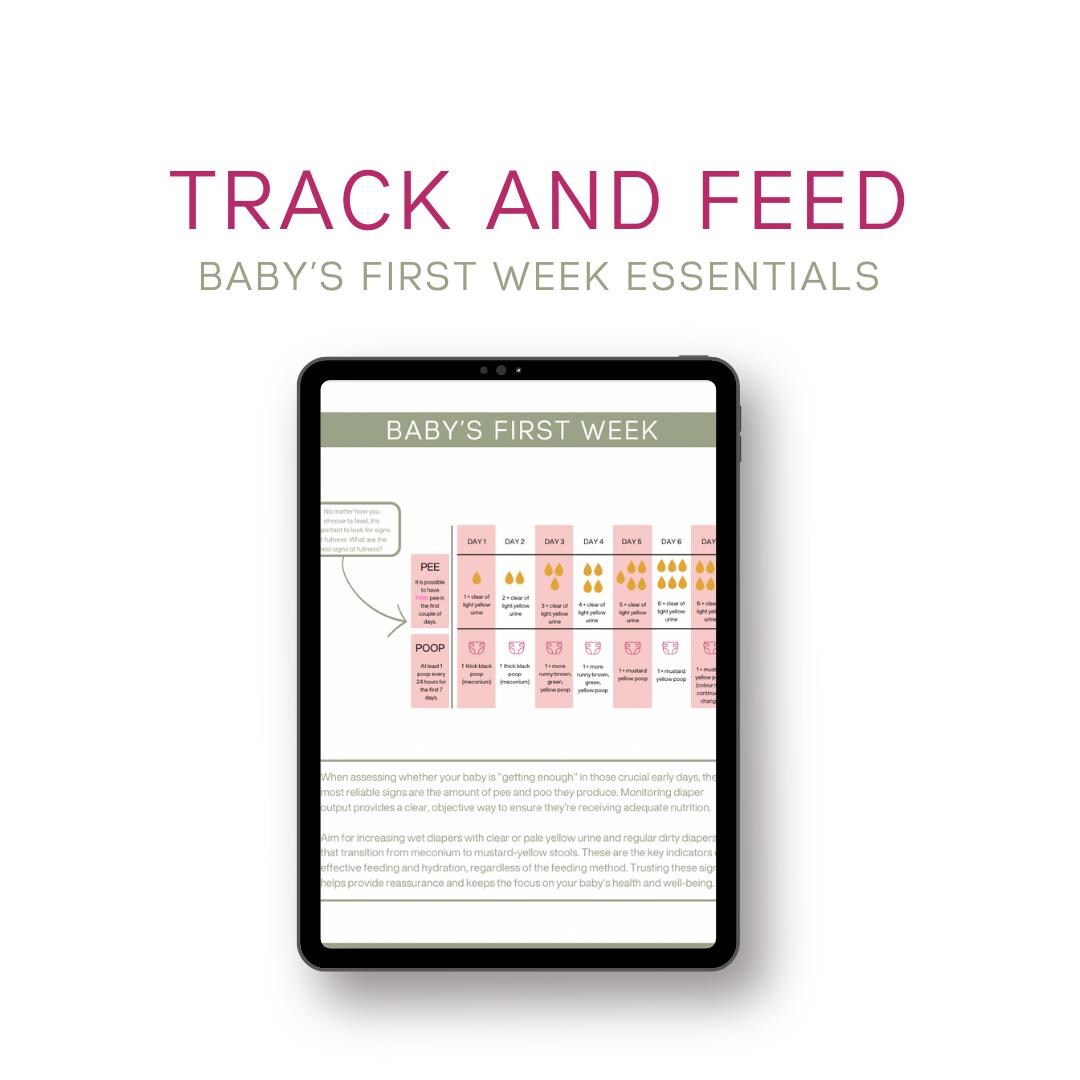
- Diaper output: Expect 3 to 4 wet diapers on day 3, moving to 4 to 5 wet diapers on day 4. Stools change from dark green to a lighter greenish-yellow.
- Behavioral shifts: The baby may become noticeably more alert and active, expressing hunger cues such as rooting, smacking lips, and putting hands to the mouth before resorting to crying.
Days 5 to 7: Establishing the Pattern
By day five, a healthy 7-pound baby's stomach capacity expands to approximately 1.5 to 2 ounces (45 to 60 ml). Mature milk typically arrives for breastfeeding mothers, and formula-fed babies settle into predictable intake volumes.
- Feeding frequency: 8 to 12 feedings daily for breastfed infants; formula-fed infants usually take 2 to 3 ounces every 3 to 4 hours.
- Diaper output: A reliable baseline of hydration is at least 6 heavy wet diapers per 24 hours. Stools should now be soft, mustard-yellow, and slightly seedy in texture (for breastfed babies) or light brown/tan and pasty (for formula-fed babies), occurring 3 to 4 times daily.
- Weight trend: The physiological weight loss peak usually occurs around day 3 or 4, after which your baby should begin gaining roughly 0.5 to 1 ounce (15 to 30 grams) per day.
First-Week Tracking: Feeding, Diaper, and Weight Milestones
The following baseline matrix outlines typical clinical expectations for a 7-pound newborn across their first seven days of life:
| Timeline | Expected Weight Status | Stomach Capacity | Minimum Wet Diapers | Expected Stool Color & Count | Typical Sleep (per 24 hrs) |
|---|---|---|---|---|---|
| Day 1 | 7 lbs 0 oz (100% of birth weight) | 5–7 mL (cherry size) | 1 wet diaper | 1+ dark, tarry meconium | 16–18 hours |
| Day 2 | 6 lbs 13 oz (~3% weight loss) | 10–15 mL | 2 wet diapers | 2+ dark green/meconium | 15–17 hours |
| Day 3 | 6 lbs 10 oz (~5-6% weight loss) | 22–27 mL (walnut size) | 3–4 wet diapers | 2–3 transitional green/yellow | 15–16 hours |
| Day 4 | 6 lbs 8 oz (Peak loss: ~7% max) | 30–45 mL | 4–5 wet diapers | 3+ turning mustard yellow | 14–16 hours |
| Day 5 | 6 lbs 9 oz (Beginning gain) | 45–60 mL (apricot size) | 6+ heavy wet diapers | 3–4 mustard yellow, seedy | 14–16 hours |
| Days 6–7 | 6 lbs 10 oz to 6 lbs 12 oz | 60 mL per feeding | 6+ heavy wet diapers | 3–4 mustard yellow or tan | 14–16 hours |
Understanding Normal First-Week Weight Changes
It is entirely normal for a 7-pound newborn to lose weight after birth. Newborns are born with extra body fluid, which they shed during their first few days through urination and respiration.
Calculating Expected Weight Loss for a 7-Pound Baby
A 7-pound baby weighs 112 ounces at birth. Pediatric standards establish that a body weight drop of 5% to 7% is typical and expected during the first week:
- A 5% weight loss equals a drop of 5.6 ounces, putting your baby's weight at approximately 6 pounds, 10.4 ounces.
- A 7% weight loss equals a drop of 7.8 ounces, putting your baby's weight at approximately 6 pounds, 8.2 ounces.
According to clinical guidance from the American Academy of Pediatrics (AAP), weight loss exceeding 10% of birth weight is a sign of potential feeding inadequacy, excessive fluid depletion, or underlying complications. For a 7-pound baby, a 10% loss brings their weight down to 6 pounds, 4.8 ounces (11.2 ounces lost). If your baby hits or exceeds this threshold, your pediatrician will closely evaluate your feeding routine, latch dynamics, or milk supply to determine if supplementation is necessary.
- Birth Weight: 7 lbs 0 oz (112 oz)
- Normal Expected Drop (5–7%): 6 lbs 8 oz to 6 lbs 10 oz
- Clinical Warning Threshold (10%+): 6 lbs 4.8 oz or less (Requires Evaluation)
Most infants stop losing weight by day 4 or 5 and regain their full birth weight of 7 pounds within 10 to 14 days after delivery.
Essential Physical Care and Daily Hygiene
Caring for a newborn involves managing sensitive skin, caring for the healing umbilical cord stump, and maintaining safe sleeping spaces.
Umbilical Cord Stump Care
The umbilical cord stump gradually dries out, turns black, and falls off between 7 and 21 days after birth. Current standard medical advice from the World Health Organization (WHO) emphasizes dry cord care:
Keep it clean and dry: Expose the cord stump to air as much as possible. Fold down the top of your baby's diaper below the cord line to prevent urine contamination and mechanical friction.
Avoid alcohol swabs: Routine application of rubbing alcohol is no longer recommended, as it can kill beneficial bacteria that help the cord separate naturally.
Sponge baths only: Keep the baby out of submerged bath water until the cord stump completely detaches and the area heals cleanly.
DO
- Keep stump dry and exposed to air.
- Fold diaper below the belly button.
- Clean gently with water if soiled.
DON'T
- Submerge stump in tub baths.
- Apply rubbing alcohol or ointments.
- Pull or yank a loose cord stump.
Jaundice Screening at Home
Neonatal jaundice—a yellowing of the skin and eyes caused by elevated bilirubin levels—commonly peaks between days 3 and 5. Because a newborn's liver is still maturing, it processes bilirubin slowly.
To check for jaundice, place your baby in natural daylight near a window. Gently press your finger against your baby's forehead or nose for one second and release. If the skin looks pale or white where pressed, jaundice is unlikely. If the skin appears distinctly yellow, contact your pediatrician. If yellow discoloration spreads down past the chest to the abdomen, legs, or eyes, prompt medical evaluation is required.
Safe Sleep Guidelines and Environmental Setup
Creating a safe sleep environment significantly reduces the risk of Sudden Infant Death Syndrome (SIDS). The American Academy of Pediatrics updates safe sleep practices regularly to guide caregivers through the early months.
- SAFE SLEEP CHECKLIST
- BACK TO SLEEP
- Always place baby on their back for sleep.
- Avoid side/stomach sleeping positions.
- BARE CRIB SURFACE
- Firm, flat mattress.
- No pillows, blankets, bumpers, or plush toys.
- Fitted sheet only.
- OPTIMAL ROOM TEMP
- Set room to 68–72°F.
- Dress in light layers; use a swaddle or sleep sack.
- Avoid overheating.
- BACK TO SLEEP
- Back to Sleep: Always place your baby on their back for every sleep period—both naps and night sleep. Side and stomach positions pose significant airway compromise risks.
- Firm, Flat Surface: Use a safety-approved bassinet or crib mattress covered only by a tight, fitted sheet. Avoid soft mattresses, memory foam, or inclined sleepers.
- Keep the Sleep Space Bare: Keep soft objects, loose blankets, pillows, crib bumpers, and stuffed animals out of the baby's sleep area.
- Room Sharing Without Bed Sharing: The AAP recommends having your newborn sleep in your room—in their own dedicated bassinet or crib—close to your bed for at least the first six months. Bed-sharing (co-sleeping on the same surface) carries documented safety hazards.
- Maintain Temperature Control: Keep the nursery at a comfortable ambient temperature, typically between 68°F and 72°F (20°C to 22°C). Overheating increases SIDS risk. A good rule of thumb is to dress your baby in one more light layer of clothing than an adult would comfortably wear in the same room.
Red Flag Signs: When to Call Your Pediatrician Immediately
While minor fluctuations in feeding and sleep are typical, certain clinical signs require immediate evaluation by a healthcare provider. Do not hesitate to contact your pediatrician if you notice any of the following warning indicators during your baby's first week:
- Fever: A rectal temperature of 100.4°F (38.0°C) or higher is a medical emergency in a newborn under 28 days old.
- Dehydration / Poor Output: Fewer than 6 wet diapers per 24-hour period by day 5, lack of tears when crying, dry mucous membranes (mouth), or a noticeably sunken fontanelle (the soft spot on top of the head).
- Excessive Weight Loss: A weight drop exceeding 10% of birth weight (weighing less than 6 pounds, 4.8 ounces for a 7-pound baby).
- Lethargy and Poor Responsiveness: Extreme difficulty waking the baby for feedings, or a baby who remains completely limp or unresponsive to touch and voice.
- Respiratory Distress: Breathing faster than 60 breaths per minute, persistent grunting sounds with exhales, deep chest retractions (skin pulling tight between or under the ribs), or flaring nostrils.
- Progressive Jaundice: Jaundice that appears within the first 24 hours of life, deepens in color, or spreads down to the abdomen, arms, and legs.
- Umbilical Infection Signs: Redness around the skin base of the umbilical stump, foul-smelling pus or discharge, or bleeding that does not stop after gentle pressure.
Frequently Asked Questions
Is a 7-pound birth weight considered healthy for a full-term newborn?
Yes, a 7-pound birth weight sits squarely in the middle of the normal, healthy range for full-term newborns (which generally spans 5.5 to 8.8 pounds). Infants born at this weight typically have well-developed physiological reserves to support them through their initial home transition.
How much weight loss is normal for a 7-pound baby in the first week?
A loss of 5% to 7% of birth weight is standard. For a 7-pound baby (112 ounces), this means a normal drop of roughly 5.6 to 7.8 ounces, bringing their weight to between 6 pounds 8 ounces and 6 pounds 10 ounces. Weight loss exceeding 10% (weighing less than 6 pounds 4.8 ounces) requires clinical evaluation by your pediatrician.
How often should a 7-pound newborn feed during their first few days?
Newborns should feed every 1.5 to 3 hours, amounting to 8 to 12 feedings per 24-hour period. Because their stomach capacity starts very small (5 to 7 mL on day one), frequent feedings are necessary to provide adequate nutrition and stimulate maternal milk production.
When will my newborn's umbilical cord stump fall off?
The umbilical cord stump typically dries up and falls off naturally between 7 and 21 days after birth. Keep the area dry, expose it to air, fold the diaper line down below the stump, and stick to sponge baths until it completely detaches.
How do I know if my 7-pound baby is getting enough milk when breastfeeding?
Hydration and weight patterns are the best indicators of milk intake. By day 5, your baby should produce at least 6 heavy wet diapers and 3 to 4 yellow, seedy stools per day. Your baby should also appear satisfied after feedings and begin gaining weight at a rate of 0.5 to 1 ounce per day.
Preparing for Your First Pediatric Visit
Your newborn's first outpatient pediatrician appointment typically occurs within 2 to 5 days after leaving the hospital. This checkup is an important opportunity to evaluate how your baby is adjusting to life outside the womb.
- PEDIATRIC VISIT CHECKLIST
- DOCUMENTATION
- Discharge paperwork.
- Insurance information.
- Newborn screening file.
- LOG PREPARATION
- 24-hr feeding schedule.
- Diaper count breakdown.
- Weight log readings.
- QUESTIONS LIST
- Latch or formula query.
- Sleep environment check.
- Cord stump progress.
- DOCUMENTATION
To make the most of this appointment, bring a clear log detailing your baby's feeding times, sleep stretches, and diaper counts over the preceding 24 to 48 hours. The medical team will weigh your baby unclothed to establish their weight baseline, measure their head circumference and length, check for jaundice with a transcutaneous bilirubin meter or blood test if needed, and assess overall neurological reflexes.
Use this appointment to voice any questions regarding latching difficulty, feeding volumes, swaddling techniques, or sleep routines. Establishing open communication with your pediatric care team ensures your 7-pound newborn stays healthy and supported throughout their first week and beyond.