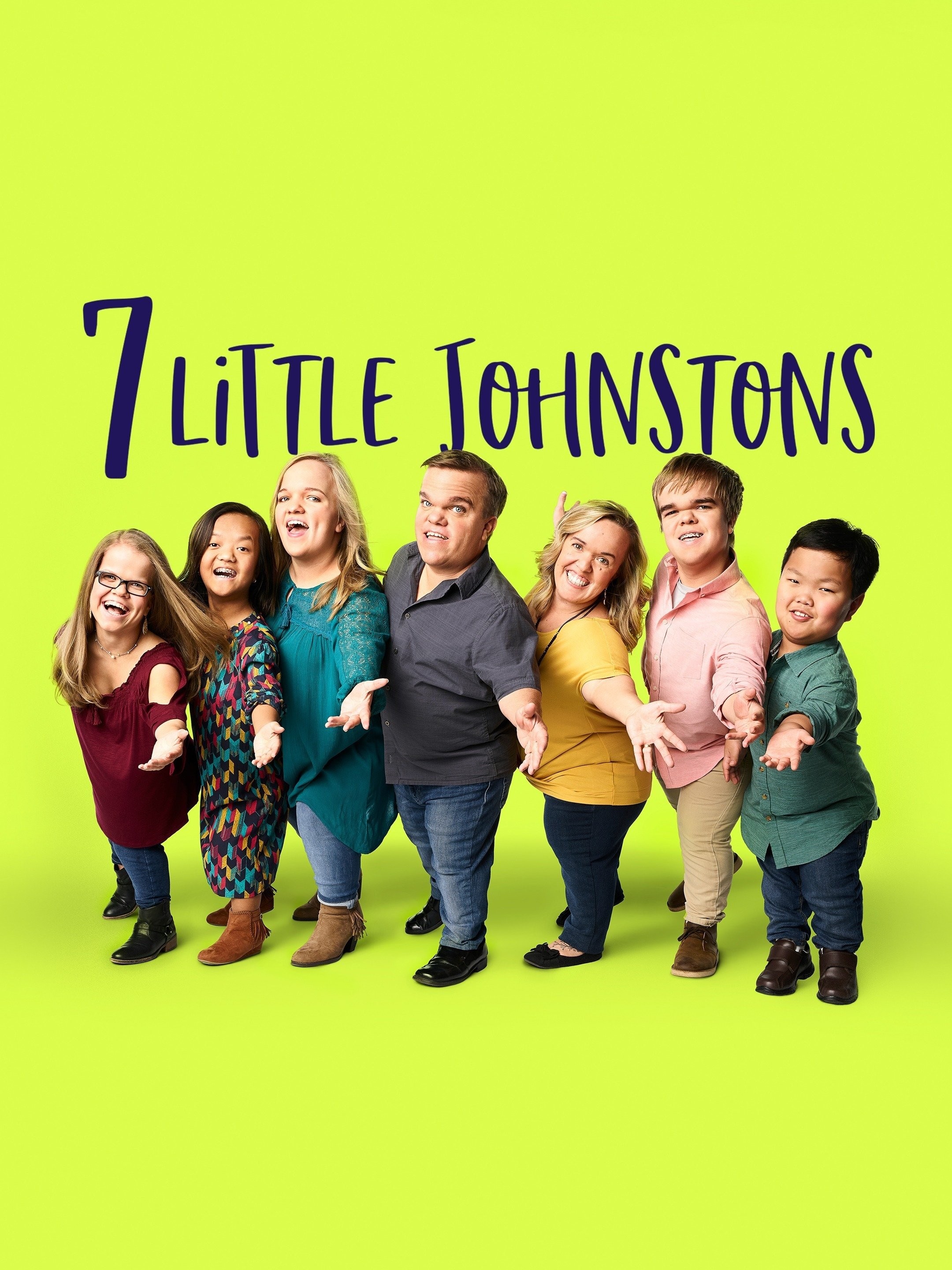
7 Little Johnstons is a popular American reality television series broadcast on TLC that chronicles the daily lives of the Johnston family from Forsyth, Georgia. All seven family members live with achondroplasia dwarfism. The show explores their personal achievements, home projects, adoption journeys, health milestones, and efforts to navigate an average-sized world.
Family Overview and the Achondroplasia Connection
7 Little Johnstons premiered on TLC on March 31, 2015, introducing viewers to what is frequently described as the world's largest known family living with achondroplasia dwarfism. Achondroplasia is a genetic bone growth disorder that causes short-stature dwarfism, characterized by an average-sized torso, shorter arms and legs, and specific facial features. Rather than viewing their height as a disability, parents Trent and Amber Johnston built a household foundation centered on self-reliance, practical adaptation, and resilience.
A core philosophy presented throughout the series is the family's choice not to customize their living environment to accommodate their short stature. Aside from minor practical modifications—such as portable stepping stools or customized furniture height adjustments when strictly necessary—the Johnstons purposefully keep counters, light switches, and appliances at standard building heights. Trent and Amber designed this approach to ensure that their five children would learn to adapt to an average-sized world outside the home rather than expecting external environments to modify for them.
Beyond everyday household logistics, the series provides insight into the medical realities associated with achondroplasia. Viewers frequently observe the family managing routine orthopedic evaluations, spinal surgeries, corrective joint procedures, and physical therapy sessions. By highlighting both the medical complexities and ordinary domestic routines, the show balances physical health management with relatable family dynamics.
Cast Breakdown: Meet the Johnston Family
The Johnston family consists of parents Trent and Amber alongside their five children: two biological offspring and three children adopted from international orphanages. Each family member plays a distinct role within the household and the narrative structure of the show.
| Family Member | Relation | Biological / Adopted | Background & Profession |
|---|---|---|---|
| Trent Johnston | Father | N/A | Grounds Supervisor, Handyman |
| Amber Johnston | Mother | N/A | Educator, Real Estate Agent |
| Jonah Johnston | Eldest Son | Biological | Finance & Car Sales Professional |
| Anna Johnston | Eldest Daughter | Adopted (Russia) | Small Business Owner, Social Work |
| Elizabeth Johnston | Middle Daughter | Biological | Registered Nurse, Mother |
| Alex Johnston | Younger Son | Adopted (South Korea) | High School/College Student, Video |
| Emma Johnston | Youngest Daughter | Adopted (China) | Student, Jewelry Business Owner |
Trent and Amber Johnston
Trent and Amber are the heads of the household. Trent has worked professionally as a grounds supervisor at a local college and is known on the show for his hands-on DIY home renovation skills, woodworking, and humor. Amber has worked as an educator and licensed real estate agent. Together, they advocate for dwarfism awareness and support international adoption initiatives for children with special needs.
Jonah Johnston
Jonah is the eldest biological son. Over the course of the series, viewers have watched Jonah transition from high school athletics into higher education and the workforce, including jobs in automotive sales and finance. His storyline frequently explores the pressures of entering young adulthood, managing anxiety, and establishing financial independence while living close to family.
Anna Johnston
Anna was adopted by Trent and Amber from an orphanage in Russia at age four. Known for her creative personality and independent spirit, Anna's journey has featured key milestones such as earning a degree in social work, launching her own handmade accessory business, and purchasing her first home.
Elizabeth Johnston
Elizabeth is the family's biological middle daughter. Domestically minded and artistic, Elizabeth pursued a degree in nursing and became a Registered Nurse. Her relationship narrative, long-term personal goals, and transition into motherhood—welcoming her first child, Leighton Drew, with partner Brice Bolden—have formed central focus points in recent seasons.
Alex Johnston
Alex was adopted from South Korea as an infant. Recognized for his emotional sensitivity and technical aptitude in earlier seasons, Alex has grown into an accomplished student interested in media production, robotics, and culinary arts. His storyline follows high school achievements, academic planning, and personal hobbies.
Emma Johnston
Emma was adopted from China at age five. As the youngest member of the family, Emma is known for her energetic personality and entrepreneurial drive. She operates her own online retail shop selling handmade jewelry and accessories while balancing academic and extracurricular commitments.
Key Themes and Public Impact of the Series
7 Little Johnstons stands apart from typical reality programs by prioritizing structural family developmental milestones over sensationalized interpersonal conflict. Several primary themes define the show's ongoing narrative structure:
- International Adoption Awareness: A substantial portion of the show highlights the complexities and rewards of international adoption, particularly for children with physical conditions who may face extended stays in institutional care.
- Transition to Adulthood: As the children have aged, recent seasons have shifted focus toward career choices, trade certifications, college degrees, independent housing, and emerging romantic relationships.
- Medical Transparency: The program candidly addresses orthopedics, spinal stenosis risks, corrective leg surgeries, and recovery processes inherent to achondroplasia, offering educational context without sensationalism.
- Advocacy and Education: By showing standard tasks—such as driving modified vehicles with pedal extenders, shopping for standard clothing, or navigating public spaces—the program normalizes the everyday realities of short-stature individuals.
Through partnerships with non-profit organizations such as Little People of America (LPA), the family regularly participates in national conventions, community outreach programs, and advocacy panels.
Show Timeline and Evolution Across Seasons
Since its debut in 2015, 7 Little Johnstons has documented over a decade of family growth across numerous broadcast seasons on TLC.
In the early seasons, episodes concentrated primarily on raising five young children simultaneously within a single residence, managing home updates in Forsyth, Georgia, and attending regional LPA events. Middle seasons examined the challenges of parenting five teenagers simultaneously, tackling high school graduations, driving lessons, and trade school decisions.
In later seasons, the thematic focus evolved toward empty-nest transitions, multi-generational family growth, and career stability. The inclusion of grand-parenting dynamics, small business expansion, and independent home ownership reflects the natural aging process of the family, maintaining audience engagement over an extended multi-year broadcast run.
Where to Watch and Stream 7 Little Johnstons
Viewers looking to watch current or past episodes of 7 Little Johnstons have multiple broadcast and digital streaming options available depending on platform subscriptions:
- Linear Television: New seasons air primary episodes on the TLC cable network.
- Subscription Video on Demand (SVOD): Full seasons are available for streaming on Discovery+ and Max (formerly HBO Max), which host complete archives of TLC original programming.
- Digital Purchase Platforms: Individual episodes and complete season passes can be purchased digitally on platforms such as Amazon Prime Video, Apple TV, Google TV, and Vudu.
- Live TV Streaming Services: Live broadcasts and on-demand back catalogs can be accessed through live streaming providers carrying TLC, including Philo, Hulu + Live TV, Sling TV, and YouTube TV.
Frequently Asked Questions
What type of dwarfism do the members of the Johnston family have?
All seven members of the Johnston family have achondroplasia, which is the most common form of short-stature dwarfism. It is a genetic condition affecting bone growth, primarily impacting the long bones of the arms and legs.
Which children in the Johnston family are adopted?
Three of the five Johnston children are adopted. Anna was adopted from Russia, Alex was adopted from South Korea, and Emma was adopted from China. Jonah and Elizabeth are Trent and Amber's biological children.
Where does the Johnston family live?
The Johnston family resides in rural Forsyth, Georgia, where they purchased a large home and acreage featured prominently in the TLC television series.
Why don't the Johnstons modify their home furniture and counter heights?
Trent and Amber Johnston intentionally keep standard counter heights and furniture fixtures so their children learn to adapt to an average-sized world. They use simple tools like portable step stools when necessary, fostering independence outside their home.
Viewer Guidelines for Supporting Dwarfism Awareness
For viewers inspired by 7 Little Johnstons who wish to learn more about short stature and advocacy, several practical actions offer accurate educational resources:
- Consult Recognized Organizations: Explore educational resources published by established advocacy groups such as Little People of America (LPA) or Understanding Dwarfism to learn proper terminology and medical facts.
- Support Special-Needs Adoption: Research non-profit international adoption agencies that specialize in placing children with medical conditions or physical differences into permanent families.
- Promote Accessibility Standards: Encourage local businesses, educational institutions, and public venues to meet physical accessibility guidelines, ensuring environments accommodate individuals of all physical statures and physical needs.