A 7-Eleven Store Manager directs daily retail operations, oversees staff hiring and scheduling, manages store profitability, and maintains strict inventory control. Serving as a crucial leadership role within convenience retail, this position offers a clear career advancement pathway from Assistant Store Manager to Field Consultant, Market Manager, and executive corporate operational leadership.
Overview of the 7-Eleven Management Ecosystem
The 7-Eleven management model operates across both corporate-owned locations and franchisee-operated stores. While the foundational responsibilities of managing store operations, inventory, and staff remain consistent, the administrative reporting structure varies depending on whether a manager works directly for 7-Eleven, Inc. or an independent franchise owner.
In corporate stores, managers report to a Field Consultant who oversees a network of local outlets. In franchised locations, the manager reports directly to the franchise operator, who sets specific business goals while remaining aligned with broader brand standards.
Managing a 7-Eleven store requires adapting to a continuous, 24/7 retail environment. Unlike traditional big-box retail stores with fixed closing hours, 7-Eleven locations demand round-the-clock operational oversight. Store managers must establish reliable team structures, emergency coverage protocols, and consistent workflow execution across morning, evening, and overnight shifts to ensure uninterrupted service and brand compliance.
Primary Responsibilities of a 7-Eleven Store Manager
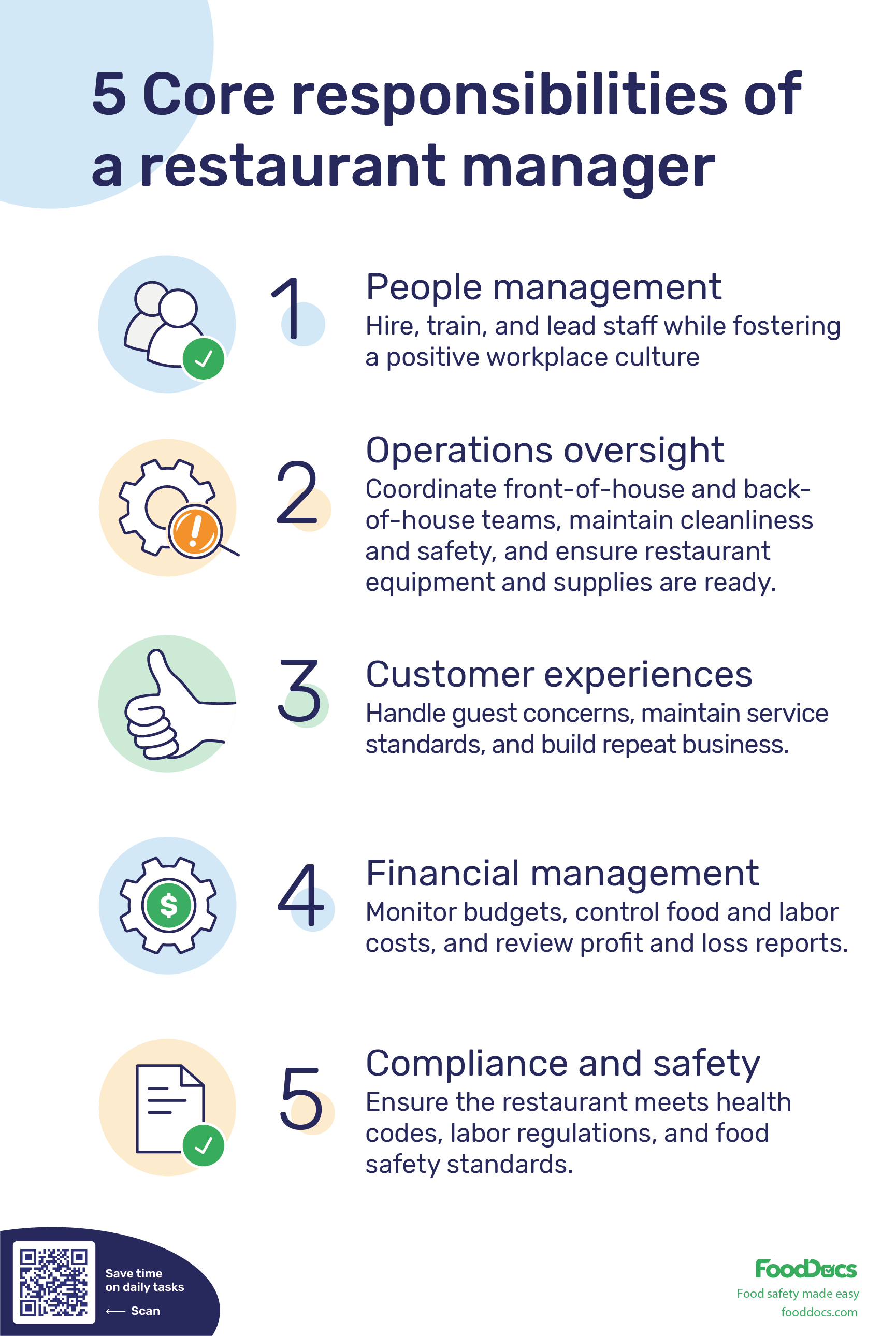
The day-to-day work of a 7-Eleven Store Manager spans financial oversight, team leadership, inventory tracking, regulatory compliance, and customer service management. Balancing these operational duties directly impacts store sales, profitability, and customer satisfaction.
- 7-Eleven Store Manager Role
- Financial & Profitability
- Team Leadership & Staffing
- Merchandising & Inventory
- Operational Compliance & Store Safety
Financial Management and Profit & Loss (P&L) Control
Store Managers are fully accountable for the financial performance of their assigned location. They review monthly Profit and Loss statements to monitor gross margins, evaluate labor expenses, and identify cost-saving opportunities. Core financial tasks include:
- Labor Expense Allocation: Creating weekly shift schedules that match sales trends while keeping labor costs within budget.
- Shrink Reduction: Auditing inventory to prevent product loss caused by administrative errors, vendor miscounts, product damage, or theft.
- Daily Reconciliation: Verifying point-of-sale cash drops, safe balances, electronic fund transfers, and lottery ticket revenues to ensure accurate daily financial accounting.
Staff Leadership, Hiring, and Talent Development
A Store Manager builds, trains, and retains a team of shift leaders and sales associates. High employee turnover can increase recruitment costs and disrupt service quality, making effective staff management essential. Responsibilities in this area include:
- Recruitment and Onboarding: Sourcing, interviewing, and hiring candidates who fit customer service standards and can work flexible retail shifts.
- Operational Training: Teaching team members cashiering protocols, customer engagement practices, food handling methods, and safety procedures.
- Performance Coaching: Conducting regular evaluations, offering constructive feedback, and preparing qualified shift leads for Assistant Store Manager roles.
Merchandising, Inventory Control, and Supply Chain Coordination
Maintaining high product availability while minimizing waste requires disciplined inventory tracking. 7-Eleven managers rely on automated ordering platforms alongside hands-on stock management. Tasks include:
- Computer-Assisted Ordering (CAO): Utilizing store inventory tracking systems to analyze historical sales data, manage automatic reorder triggers, and adjust safety stock levels.
- Planogram Compliance: Ensuring shelves, endcaps, beverage vaults, and fresh food displays match corporate merchandising guidelines to maximize sales per square foot.
- Direct Store Delivery (DSD) Verification: Inspecting vendor shipments—such as dairy, bakery, snack, and beverage items—to verify delivered quantities match purchase orders before stocking.
- Fresh Food Safety Oversight: Monitoring expiration dates and holding temperatures for proprietary fresh food programs, hot beverages, and cold beverages like the Slurpee to limit waste while preserving food quality.
Operational Compliance, Security, and Quality Standards
Maintaining store cleanliness, physical security, and regulatory compliance is vital for managing risk and passing corporate audits. Store Managers oversee:
- Age-Restricted Product Sales: Enforcing strict identity verification rules for alcohol, tobacco, vape, and lottery purchases to satisfy local regulations and avoid compliance penalties.
- Health and Sanitation Compliance: Following strict sanitation schedules for food preparation zones, coffee stations, restrooms, and customer shopping areas.
- Facility Safety and Asset Protection: Testing store security systems, maintaining exterior lighting, ensuring parking lot safety, and arranging prompt equipment repairs for HVAC units, commercial refrigeration, and fuel dispensers.
Essential Qualifications and Skill Requirements
Becoming a successful 7-Eleven Store Manager requires a mix of retail supervisory experience, financial management skills, and strong interpersonal leadership.
- Required Managerial Competencies
- Retail Oversight: 2+ years of lead experience
- Financial Acumen: P&L management, shrink prevention
- Tech Proficiency: POS, CAO, shift scheduling software
- Problem-Solving: Emergency response 24/7 readiness
Experience and Education Background
Candidates typically need a high school diploma or equivalent, though an Associate or Bachelor’s degree in Business Administration, Management, or Logistics is advantageous for corporate progression. Minimum prerequisites generally include:
- Supervisory Experience: At least 2 years of retail management, shift supervision, or quick-service restaurant (QSR) experience.
- Background Credentials: A valid driver's license, reliable transportation for bank runs and off-site meetings, and successful completion of background checks and drug screenings.
- Certifications: Food safety manager certification (such as ServSafe) and local age-restricted sales compliance certifications.
Core Leadership Competencies
- Analytical Capabilities: The ability to translate P&L reports and inventory dashboards into actionable improvements for store profitability.
- Adaptability under Pressure: Maintaining operational focus during inventory discrepancies, equipment breakdowns, sudden staffing shortages, or peak sales spikes.
- Clear Communication: Directing multi-shift teams clearly so operational standards stay consistent across morning, evening, and overnight shifts.
Career Path: Step-by-Step Progression within 7-Eleven
The 7-Eleven career pathway offers structural mobility for professionals showing strong leadership, financial results, and operational mastery.
- 7-Eleven Career Pathway
- Sales Associate / Shift Leader
- Entry point: cashiering, stocking, customer service
- Assistant Store Manager (ASM)
- Supports scheduling, inventory control, team leadership
- Store Manager (SM) / Senior Store Manager
- Full P&L responsibility, store operations management
- Field Consultant (FC) / Multi-Unit Leader
- Oversees 6 to 10 stores; drives franchise/corporate growth
- Market Manager / Operations Director
- Directs broad geographical markets, strategies, and budgets
- Sales Associate / Shift Leader
1. Sales Associate / Shift Leader
Entry-level employees focus on customer engagement, cashiering, basic food prep, and maintaining store cleanliness. Shift leaders take on early supervisory duties, such as conducting register drawer counts, accepting vendor deliveries, and running individual shifts.
2. Assistant Store Manager (ASM)
The Assistant Manager works directly alongside the Store Manager to learn high-level operational skills. Duties include building weekly employee schedules, monitoring inventory levels via the CAO system, handling customer service issues, and managing the store during the Store Manager's days off.
3. Store Manager (SM) / Senior Store Manager
Upon reaching Store Manager, the professional gains full operational authority over the location. Experienced Store Managers who consistently achieve financial goals may become Senior Store Managers, training newly appointed managers and assisting nearby store teams.
4. Field Consultant (FC)
The Field Consultant role is a major milestone in multi-unit corporate management. Overseeing a district of 6 to 10 corporate or franchised locations, the FC acts as a strategic business advisor. They help store managers and franchise operators boost sales, lower operational costs, interpret P&L reports, and maintain brand standards.
5. Market Manager / Operations Director
Market Managers oversee multiple Field Consultants and manage operational strategies across 50 to 80 stores within a broader region. They focus on regional market expansion, real estate choices, financial planning, and broad workforce development strategies.
Overview of 7-Eleven Store Management Roles and Progression Stages
The table below outlines the responsibilities, prerequisites, and operational focus across each key advancement stage within the 7-Eleven network.
| Role Title | Primary Scope | Core Responsibilities | Typical Requirements | Next Career Step |
|---|---|---|---|---|
| Shift Leader | Single-shift operations | Register balance checks, customer support, task delegation to associates | 6+ months retail experience | Assistant Store Manager |
| Assistant Store Manager | Daily store support | Shift scheduling, inventory receiving, staff coaching, register auditing | 1–2 years retail supervisor experience | Store Manager |
| Store Manager | Single-store operations | Full P&L control, hiring/retention, CAO inventory oversight, audit compliance | 2–4 years management experience; food safety certification | Senior Store Manager / Field Consultant |
| Field Consultant | District oversight (6–10 stores) | Strategic growth consulting, brand audit compliance, P&L advising for franchisees | Proven Store Manager track record; Bachelor's degree preferred | Market Manager |
| Market Manager | Regional oversight (50+ stores) | Regional budget setting, multi-unit expansion, regional workforce strategy | 5+ years multi-unit leadership experience | Operations Director / Executive Corporate Leadership |
Employee Training, Leadership Development, and Onboarding
7-Eleven provides structured professional development programs designed to prepare managers for operational success and future career growth.
- Training & Onboarding Ecosystem
- Core Software & Systems
- Field Mentorship
- Leadership Development
- Executive & Multi-Unit Readiness Programs
Onboarding Framework
Newly appointed Store Managers complete a comprehensive onboarding program combining online learning modules with hands-on store training. Trainees study core systems, including automated ordering tools, back-office cash settlement software, and HR management applications.
In-Store Mentorship
Trainees shadow experienced Store Managers or Certified Training Managers at designated training stores. This mentorship covers real-world tasks like handling vendor delivery disputes, preparing for food safety audits, managing inventory discrepancies, and handling shift call-outs.
Ongoing Leadership Advancement
7-Eleven provides continuous education pathways for managers seeking advancement into multi-unit leadership:
- Financial Literacy Workshops: Advanced courses on analyzing P&L statements, budgeting capital, and planning regional margins.
- Field Consultant Development Tracks: Targeted training covering franchising law, business coaching, multi-unit analytics, and conflict resolution.
- Safety and Loss Prevention Seminars: Specialized instruction on managing store security, preventing robbery risks, and applying asset-protection strategies.
Compensation, Performance Metrics, and Key Indicators
Store Manager compensation packages generally feature a base salary supplemented by performance-based bonus structures. Bonus payouts depend on hitting specific operational performance targets measured through key performance indicators (KPIs).
Compensation Structure
- Base Salary: Positioned competitively within local retail markets, reflecting the local cost of living and the manager's experience level.
- Incentive Bonuses: Paid quarterly or annually based on store performance, including sales growth over previous periods, gross profit margins, and inventory accuracy.
- Benefits Packages: Full-time managers typically receive healthcare coverage (medical, dental, vision), paid time off, life insurance, and a 401(k) retirement plan with corporate matching.
Primary Performance Metrics (KPIs)
Store Manager Performance KPIs
- Gross Sales Growth: YoY targets, fresh food volume
- Inventory Shrink: Target <1.0% of total merchandise sales
- Labor Hour Ratio: Actual vs budgeted labor spend
- Audit Compliance: Health, safety, age-sale checks
Gross Sales Growth: Measured against historical store metrics, with an emphasis on expanding high-margin categories like fresh foods and hot beverages.
Inventory Shrink Percentage: Calculated during stock audits; managers must keep unexplained losses below target thresholds.
Labor Efficiency: Evaluating actual store labor hours against recommended corporate sales-to-labor hour formulas.
Customer Experience & Audit Scores: Results from mystery shopper evaluations, local health department inspections, and internal compliance audits.
Frequently Asked Questions About 7-Eleven Management Roles
What is the typical work schedule for a 7-Eleven Store Manager?
7-Eleven Store Managers generally work 45 to 50 hours per week, primarily during standard daytime business hours. However, because locations operate 24/7, managers remain on call to handle unexpected emergencies, equipment failures, inventory delivery delays, or unstaffed shifts.
Is a college degree mandatory to become a Store Manager at 7-Eleven?
A college degree is not strictly required. 7-Eleven highly values practical retail experience, and many store managers advance internally from Shift Leader or Assistant Store Manager roles based on performance. That said, a bachelor's degree in business, management, or supply chain logistics can accelerate advancement into multi-unit roles like Field Consultant.
How does managing a corporate-owned 7-Eleven differ from a franchise location?
At a corporate store, the manager is a direct employee of 7-Eleven, Inc., adhering strictly to corporate pay schedules, HR guidelines, and operational metrics. In a franchised store, the manager is employed directly by the franchise owner. While operational duties stay largely the same, employee benefits, compensation packages, and workplace rules are set by the independent franchisee.
How long does it usually take to advance from Assistant Manager to Store Manager?
Advancement typically takes 1 to 3 years, depending on performance, leadership skill, store opening needs, and local job openings. Candidates who master inventory management, maintain high health-audit scores, and demonstrate team leadership can advance quickly.
What is the single biggest operational challenge facing a 7-Eleven Store Manager?
Balancing labor allocation with staff retention in a 24/7 retail environment is often the top operational challenge. Managing shift schedules to cover overnight, weekend, and holiday hours while controlling labor costs and minimizing burnout requires constant communication, clear expectations, and effective leadership.
Next Steps for Pursuing a 7-Eleven Store Management Career
If you want to secure a Store Manager position at 7-Eleven or position yourself for promotion from an entry-level role, consider these strategic steps:
- Build Core Retail Expertise: Seek out cross-training opportunities in shift management, computer-assisted reordering systems, vendor receiving, and customer issue resolution.
- Master Financial Fundamentals: Learn to analyze store Profit & Loss reports. Practice connecting daily operational decisions—such as labor scheduling and food waste management—to bottom-line profitability metrics.
- Earn Operational Certifications: Complete relevant credentials ahead of time, such as local food safety manager certifications (ServSafe) and age-restricted product sales compliance training.
- Engage with Multi-Unit Leadership: If you work at 7-Eleven, express your long-term career goals clearly to your Store Manager or Field Consultant. Ask for actionable guidance to prepare for internal leadership advancement programs.
- Monitor Official Hiring Portals: External applicants can review open opportunities on the official 7-Eleven Careers Page to find Assistant Manager, Store Manager Candidate, and Field Consultant openings in their area.