A 7'6" basketball player represents one of the most extreme physical outliers in professional sports, offering a transformative advantage in rim protection and vertical spacing. Standing approximately 229 centimeters, such a player possesses a natural standing reach that can exceed 9'6", allowing them to contest shots and dunk with minimal orthostatic effort. However, this height also introduces significant biomechanical risks and tactical vulnerabilities in a modern, fast-paced game.
The Rarity and Physicality of the 7'6" Frame
In the history of organized basketball, specifically the NBA, players standing 7'6" or taller are exceptionally rare, with fewer than a dozen individuals officially reaching this mark. This height is not merely a quantitative increase from the "standard" center height of 6'11" or 7'0"; it is a qualitative shift in how a human body interacts with the geometry of the basketball court. At 7'6", a player's center of gravity is significantly higher, which dictates a different set of kinetic requirements for balance, acceleration, and deceleration.
From a physics perspective, a 7'6" athlete must manage immense torque on their joints. The lever arms created by long femurs and tibias mean that simple movements, such as pivoting in the post or sprinting in transition, require more muscular force to stabilize the skeletal structure than they would for a player even four inches shorter. In 2026, sports science has advanced to help these athletes manage these loads through specialized proprioceptive training, but the fundamental reality remains: a 7'6" frame is a high-maintenance biological machine.
The "wingspan-to-height" ratio often compounds this physical presence. Most players of this stature possess wingspans ranging from 7'10" to 8'2". This allows them to occupy a massive volume of "defensive air space," essentially serving as a mobile wall that forces opponents to alter their shot trajectories or abandon drives to the basket entirely.
Defensive Dominance: The "No-Fly Zone" and Drop Coverage
The primary value of a 7'6" player lies in their ability to anchor a defense. In basketball terminology, this is often referred to as "rim protection." Because the rim is 10 feet high, a 7'6" player with a 9'8" standing reach only needs to extend their arms to effectively block the path of the ball. This creates a psychological deterrent; offensive players are statistically less likely to attempt shots in the paint when a "giant" is present, leading to a significant drop in the opponent's "True Shooting Percentage" (TS%).
Tactically, most coaches utilize 7'6" players in a "drop coverage" scheme. In this setup, during a pick-and-roll, the giant defender "drops" back toward the basket rather than "switching" onto the smaller, faster ball-handler. This keeps the height advantage where it is most useful—near the rim. However, the modern game’s emphasis on three-point shooting creates a dilemma. If a 7'6" player is forced to defend on the perimeter (the "arc"), their lack of lateral quickness becomes a liability. The "space-and-pace" era of 2026 requires these players to have better-than-average footwork to avoid being exploited in isolation by smaller guards.
Furthermore, the "verticality rule" in the NBA is a 7'6" player's best friend. As long as the defender jumps straight up with their arms extended vertically, any contact initiated by the offensive player is typically not a foul on the defender. For someone this tall, "straight up" covers almost the entire diameter of the rim, making it nearly impossible for an opponent to score a layup without a high-arcing floater.
Offensive Mechanics: Efficiency vs. Mobility
Offensively, a 7'6" player changes the "gravity" of the court. "Gravity" refers to how much attention a player draws from the defense. When a giant is stationed near the hoop, the defense must often commit two players to "box them out" or prevent a lob pass. This creates open shooting lanes for teammates on the perimeter.
The most efficient offensive weapon for a 7'6" player is the lob. Because of their reach, a teammate can throw the ball to a height that no other player on the court can reach, allowing the giant to catch and finish in one motion. This "vertical spacing" is just as valuable as the "horizontal spacing" provided by three-point shooters. However, there are distinct drawbacks:
- Lower Body Leverage: Shorter, stronger defenders can sometimes "get under" a 7'6" player, pushing their center of gravity back and forcing them away from the basket.
- Ball Handling Risks: Because the ball has a longer distance to travel from the floor to the hand of a 7'6" player, they are more susceptible to "digs" and steals from smaller, quicker defenders if they put the ball on the floor.
- Transition Pace: If the game becomes a "track meet," the 7'6" player may struggle to keep up, leading to 4-on-5 situations on the other end of the court.
The Biomechanical Trade-offs: Health and Longevity
The history of 7'6" players is unfortunately marred by injuries, particularly those involving the feet and lower extremities. The human skeletal system, specifically the navicular and metatarsal bones in the feet, was not evolutionarily designed to handle the explosive forces of professional basketball at a weight of 280 to 310 pounds.
Common Health Concerns for 7'6" Athletes:
- Stress Fractures: Constant jumping and running can lead to micro-fractures in the feet (e.g., Jones fractures), which often require surgical intervention and long recovery periods.
- Cardiac Load: Circulating blood through such a large frame puts additional stress on the heart, requiring rigorous medical monitoring.
- Joint Degeneration: The knees and hips of 7'6" players undergo significant wear and tear, often leading to early-onset arthritis or chronic inflammation.
In 2026, teams mitigate these risks through "load management" (resting players on back-to-back game nights) and custom-engineered footwear. Biomechanical mapping is now used to analyze a player's gait and identify "red zones" where their movement patterns might lead to an impending injury. Despite these advances, the "career clock" for a 7'6" player is generally considered shorter than that of a 6'6" wing player.
Historical Context: Notable 7'6" and Taller Players
To understand what 7'6" means, one must look at those who have defined the height. Each of these players utilized their stature differently based on the era's rules and style of play.
| Player Name | Height | NBA Tenure | Primary Impact |
|---|---|---|---|
| Gheorghe Mureșan | 7'7" | 1993–2000 | Led the NBA in Field Goal % twice; utilized pure size in the post. |
| Manute Bol | 7'7" | 1985–1995 | One of the greatest shot-blockers ever; extremely slender frame. |
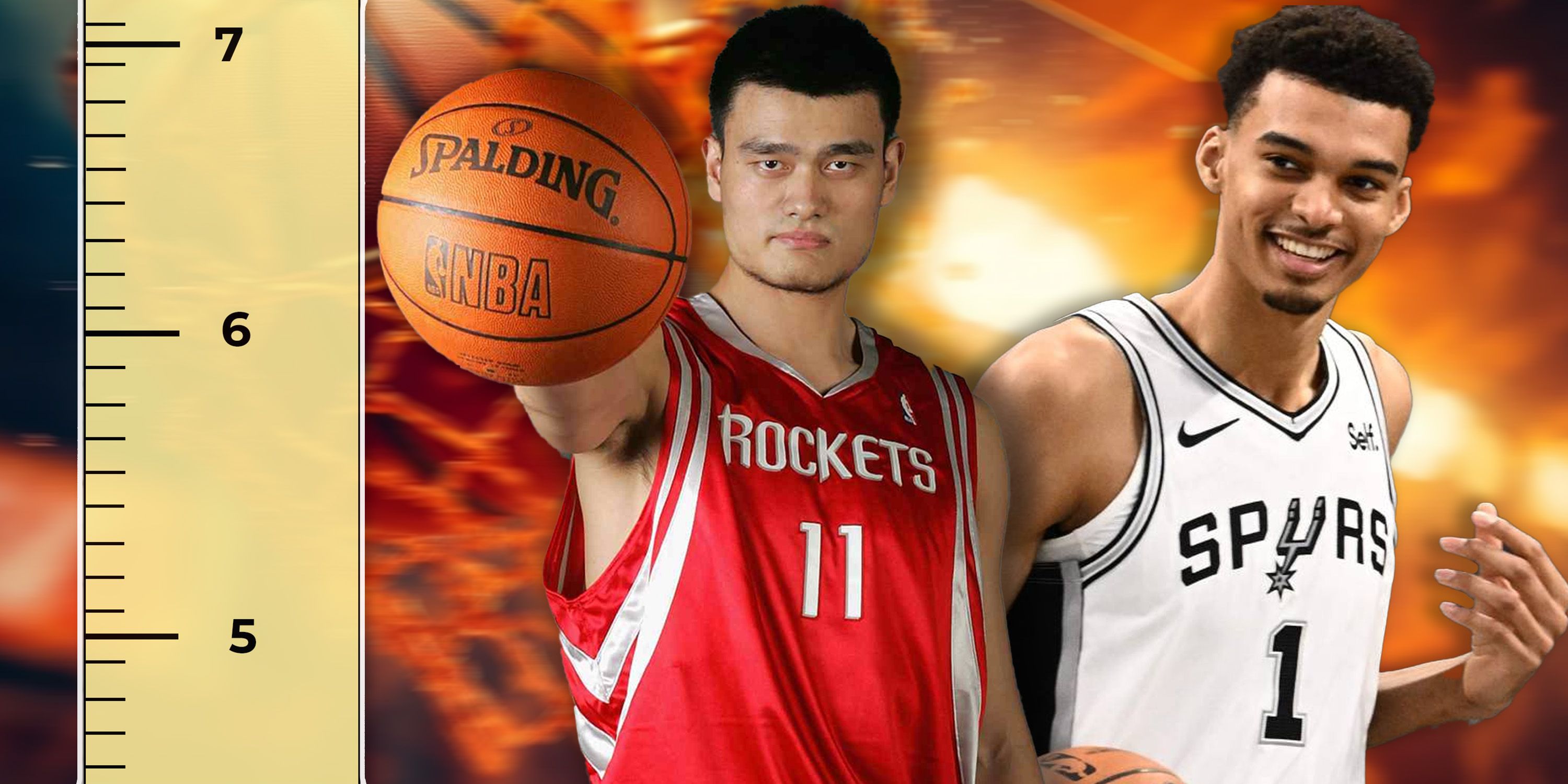
| Yao Ming | 7'6" | 2002–2011 | Most skilled giant; possessed a mid-range jumper and elite footwork. |
| Shawn Bradley | 7'6" | 1993–2005 | Elite rim protector; known for high block totals and defensive presence. |
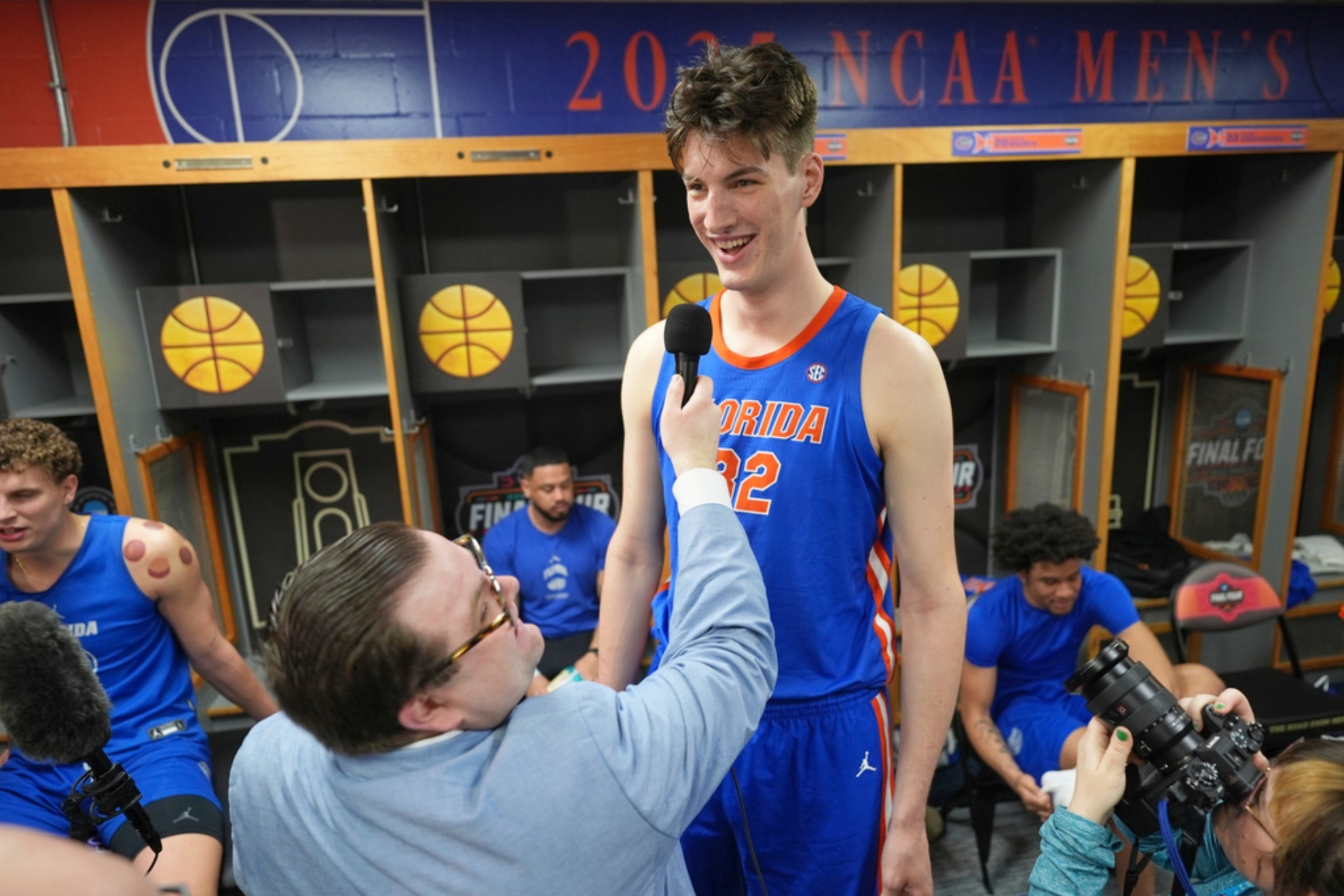
| Tacko Fall | 7'6" | 2019–2022 | Defensive specialist; massive wingspan (8'2") made him a fan favorite. |
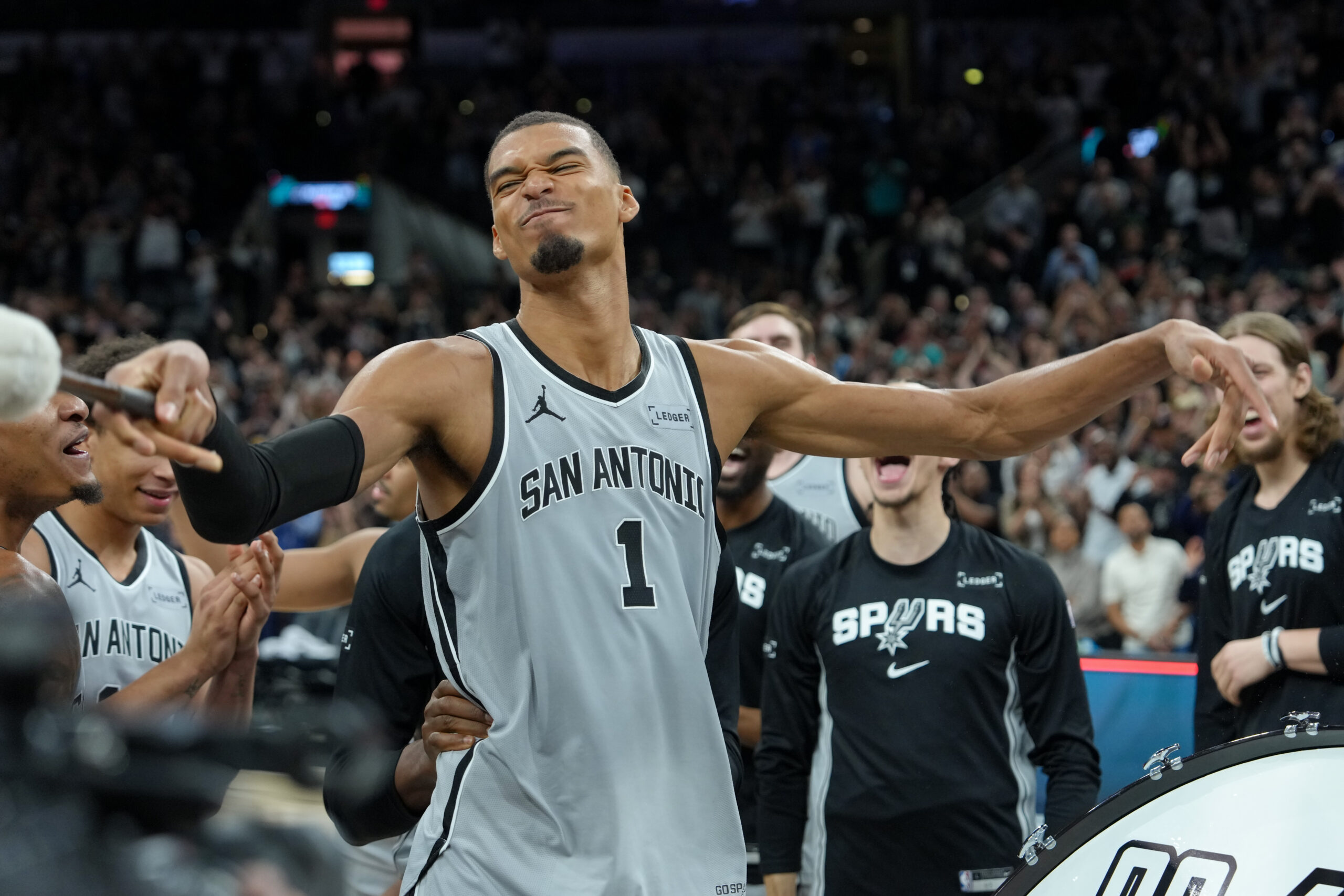
| Victor Wembanyama* | 7'4"+ | 2023–Present | While officially 7'4", his "wingspan-reach" mimics a 7'6" player with guard skills. |
Note: Wembanyama is included for context as his functional reach often exceeds traditional 7'6" players due to mobility.
The "Unicorn" Evolution: 7'6" Players in 2026
The definition of what a 7'6" player "should" do has evolved. In the 1990s, a player of this height was expected to stay in the paint, block shots, and score via "hook shots" or "put-backs." In 2026, the archetype has shifted toward the "Unicorn"—a player who possesses the height of a giant but the skills of a perimeter player.
Modern training emphasizes "functional mobility." Instead of just lifting heavy weights to gain mass, 7'6" prospects now focus on flexibility, yoga, and core stability. This allows them to stay low in a defensive stance, making it harder for guards to blow past them. Additionally, the ability to shoot the three-pointer has become a requirement. If a 7'6" player can stand at the three-point line and knock down shots, they pull the opposing team's best shot-blocker away from the rim, creating a massive tactical advantage for their team.
FAQs
Does being 7'6" guarantee a spot in the NBA?
No. While height is a significant advantage, "functional athleticism" is the deciding factor. A player who is 7'6" but cannot move laterally or lacks the stamina to run for five consecutive minutes is difficult to play in a professional setting. Modern scouting prioritizes "motor" (effort level) and "basketball IQ" alongside raw height.
What size shoes do 7'6" players typically wear?
Most players of this height wear between a size 18 and 22 (US). Because these sizes are not mass-produced, brands like Nike, Adidas, and Under Armour typically create custom molds for these athletes. These shoes often feature extra-wide bases and specialized cushioning to protect the player's feet from the extreme vertical forces of landing.
How does the 3-second rule affect 7'6" players?
The "Defensive Three-Second Rule" (also known as illegal defense) prevents a player from standing in the paint for more than three seconds unless they are actively guarding an opponent. This rule was specifically designed to prevent giants from simply standing under the rim and blocking every shot. It forces 7'6" players to constantly move their feet and stay mentally engaged with the opposing team's movement.
Are 7'6" players usually drafted number one?
Historically, yes. NBA teams have a saying: "You can't teach height." If a player is 7'6" and shows even moderate coordination and skill, they are almost always a high draft pick. The potential for defensive dominance is usually worth the injury risk associated with such a large frame.
Scouting and Training Recommendations for the Ultra-Tall Athlete
If you are scouting or training an athlete approaching the 7'6" mark, the focus must shift from "basketball skills" to "injury prevention and mobility" in the early years. The priority should be developing a strong posterior chain (glutes, hamstrings, and lower back) to support the spine.
For coaches, the most effective way to utilize a 7'6" player is to build a "containment" defense. Do not ask them to "hedge" or "blitz" screens at the level of the three-point line. Instead, funnel all penetration toward the giant, allowing them to stay within five feet of the basket where their height is most impactful. Offensively, ensure the player develops a "go-to" move that does not require putting the ball on the floor, such as a quick-release "baby hook" or a "rim-run" lob finish. By minimizing the time the ball spends below their waist, you maximize their efficiency and minimize turnovers.