In the history of the NBA, players standing exactly 7 feet 2 inches (218 cm) represent a rare intersection of elite height and functional athleticism. This height has been occupied by legendary Hall of Famers like Kareem Abdul-Jabbar and Dikembe Mutombo, as well as modern rim protectors. Currently, in 2026, the archetype of the 7'2" player has shifted from a traditional "low-post bruiser" to a versatile defensive anchor.
The Evolution of the 7'2" Archetype in Professional Basketball
The significance of the 7'2" measurement in the NBA is historically rooted in the "center" position's evolution. For decades, being 7'2" meant a player was expected to remain within five feet of the basket, contesting shots and securing rebounds. However, as the league transitioned toward "positionless basketball," the requirements for these giants changed.
In the 20th century, a 7'2" player was a massive anomaly. During the era of Kareem Abdul-Jabbar (1970s and 80s), his height combined with a 90-inch wingspan allowed him to develop the "Skyhook," a shot that remains statistically the most unblockable weapon in league history. By the 1990s and early 2000s, the 7'2" frame was utilized primarily for rim protection and "clogging the paint," exemplified by Dikembe Mutombo and Greg Ostertag.
The modern era, particularly as we look at the landscape in 2026, has redefined the 7'2" player. Today’s giants, such as Donovan Clingan or Luke Kornet, are expected to execute "drop coverage" in pick-and-roll defense while also possessing enough mobility to recover to the three-point line. The "shoes-off" measurement rule implemented by the NBA in 2019 provided more transparency, confirming that many players previously thought to be 7'3" or taller were actually closer to the 7'2" mark.
The Hall of Famers and All-Stars at 7'2"
Only a select few individuals of this stature have achieved the highest honors in basketball. These players did not just rely on their height; they combined it with elite footwork, endurance, and basketball IQ.
Kareem Abdul-Jabbar
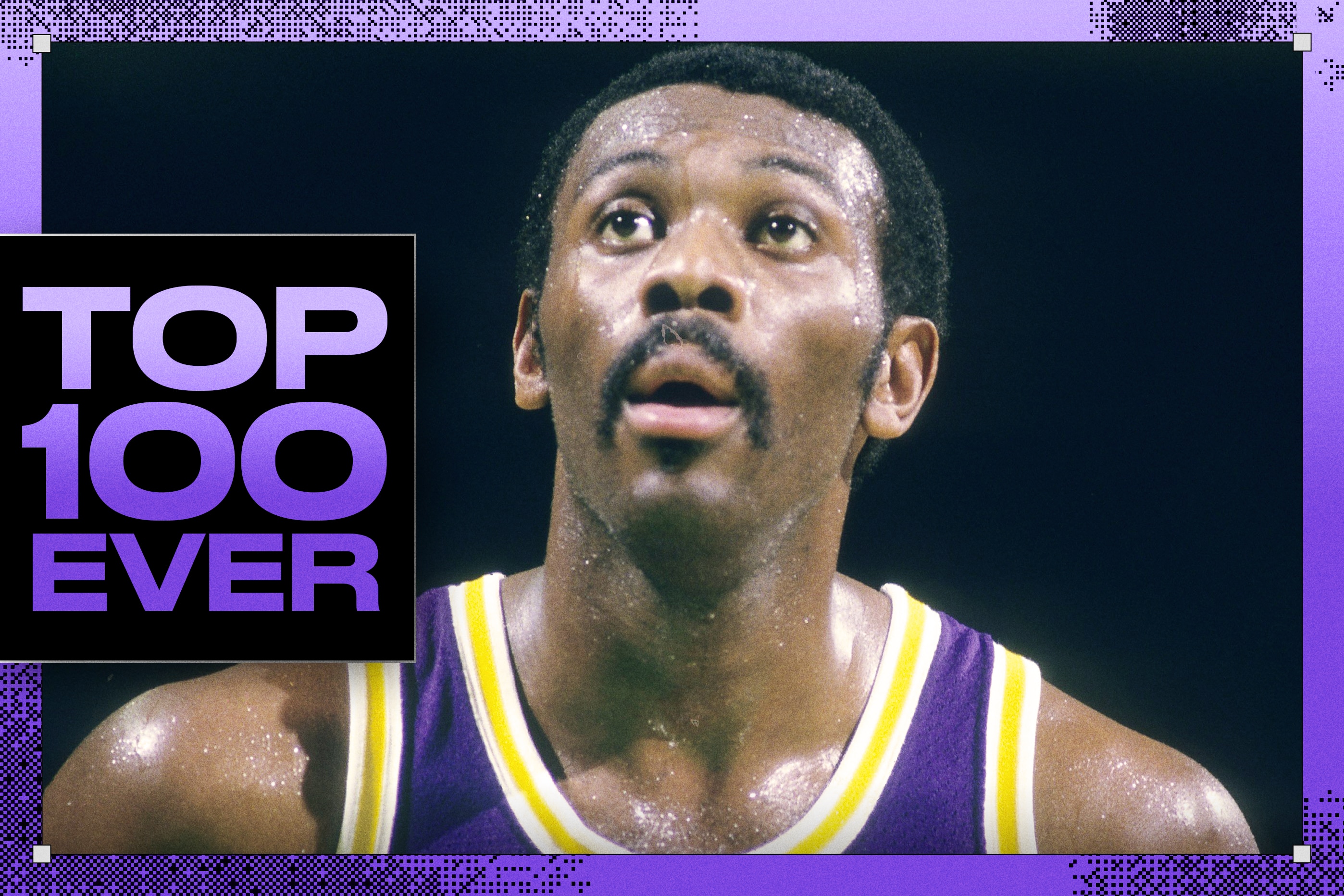
Standing 7'2", Abdul-Jabbar is arguably the greatest center to ever play the game. Over a 20-year career with the Milwaukee Bucks and Los Angeles Lakers, he secured six NBA championships and a record six MVP awards. His height was his greatest asset, but his longevity was his greatest feat. Unlike many giants who suffer from foot and knee issues, Kareem utilized yoga and martial arts to maintain a 7'2" frame that rarely broke down, allowing him to retire as the league's all-time leading scorer (a record he held until 2023).
Dikembe Mutombo
Known for his signature finger wag, Mutombo was a defensive powerhouse. Standing 7'2" with an enormous wingspan, he won the Defensive Player of the Year (DPOY) award four times. Mutombo's impact was measured not just in his 3,289 career blocks, but in the "intimidation factor" he provided. His presence in the paint forced entire offenses to alter their shot selection. Basketball-Reference tracks his defensive win shares as among the highest for any player of his height.
Artis Gilmore
"The A-Train" stood 7'2" and was a dominant force in both the ABA and the NBA. Gilmore was known for his incredible strength and efficiency; he held the NBA record for career field goal percentage (.599) for decades. His ability to use his 7'2" frame to shield defenders allowed him to shoot high-percentage shots with ease, making him one of the most consistent scorers of the 1970s.
The Complete List of Notable 7'2" NBA Players
The following table categorizes the most significant players officially listed at 7'2" throughout NBA history. This includes players who spent the majority of their careers at this height listing, though some may have had slight fluctuations due to the 2019 measurement standard changes.
| Player Name | Primary Team(s) | Era/Years Active | Notable Achievement |
|---|---|---|---|
| Kareem Abdul-Jabbar | MIL, LAL | 1969–1989 | 6x MVP, 19x All-Star |
| Dikembe Mutombo | DEN, ATL, PHI | 1991–2009 | 4x Defensive Player of the Year |
| Artis Gilmore | CHI, SAS | 1971–1988 | 11x All-Star (ABA/NBA) |
| Roy Hibbert | IND, LAL | 2008–2017 | 2x All-Star, Master of Verticality |
| Luc Longley | CHI, PHX | 1991–2001 | 3x NBA Champion (Bulls) |
| James Donaldson | SEA, DAL | 1980–1995 | 1988 NBA All-Star |
| Greg Ostertag | UTA, SAC | 1995–2006 | Key Rim Protector for Jazz Finals teams |
| Luke Kornet | BOS, NYK | 2017–Present | "The Kornet Kontest" defensive innovator |
| Donovan Clingan | POR | 2024–Present | Elite 2024 Draft Prospect/Defensive Anchor |
| Alexis Ajinca | NOP, CHA | 2008–2018 | International standout (France) |
| Primoz Brezec | CHA, IND | 2001–2010 | Expansion Bobcats' leading scorer |
| Moses Brown | POR, OKC | 2019–Present | High-volume rebounder |
| Salah Mejri | DAL | 2015–2019 | Tunisian defensive specialist |
| Peter John Ramos | WAS | 2004–2005 | Puerto Rican national team legend |
Specialized Roles: The Defensive Anchors and Role Players
While the stars get the headlines, many 7'2" players carved out long careers as specialized defensive "enforcers." This role required them to use their massive reach to deny entry passes and alter shots without necessarily scoring at a high rate.
- Roy Hibbert and the Verticality Rule: During the early 2010s, Hibbert's 7'2" frame was the center of an NBA officiating revolution. He perfected the "verticality" defense, where a defender jumps straight up with arms extended to contest a shot without fouling. This made the Indiana Pacers one of the few teams capable of challenging the Miami Heat’s "Big Three" era.
- Luc Longley: The first Australian to play in the NBA, Longley was the starting center for the Chicago Bulls during their second three-peat (1996–1998). At 7'2", his job was not to outscore Michael Jordan, but to provide a massive screen-setting presence and a defensive wall that allowed Jordan and Scottie Pippen to gamble on the perimeter.
- Greg Ostertag: Ostertag was the backbone of the Utah Jazz defense during their 1997 and 1998 Finals runs. Standing 7'2" and weighing nearly 280 pounds, he was one of the few players with the sheer mass to make life difficult for Shaquille O'Neal in the Western Conference playoffs.
The Physical Reality: Biomechanics and Longevity at 7'2"
Maintaining a professional athletic career at 7'2" presents unique physiological challenges. The skeletal system, particularly the feet and lower back, undergoes immense stress during 82-game seasons.
According to research often cited by sports medicine professionals at organizations like the Mayo Clinic, extremely tall athletes are more susceptible to stress fractures in the metatarsals (the long bones in the feet) and navicular bone. This is because the leverage created by a longer frame increases the torque on the joints.
Common health management strategies for 7'2" players include:
- Weight Management: Keeping the playing weight low to reduce the load on the knees.
- Minutes Restriction: Modern "load management" is especially critical for players over seven feet to prevent overuse injuries.
- Orthotics and Custom Footwear: Most 7'2" players require custom-molded shoes to support their arches and mitigate the risk of Jones fractures.
International Influence: The Global Reach of 7'2" Giants
The NBA's search for height has led scouts across the globe. Some of the most technically proficient 7'2" players have come from international backgrounds, where the focus on "big man" training often emphasizes passing and mid-range shooting over raw athleticism.
- Alexis Ajinca (France): A 7'2" center with a soft touch, Ajinca showcased the "European style" where centers are expected to shoot from the elbow.
- Primoz Brezec (Slovenia): Brezec was a fundamental part of the early Charlotte Bobcats history, proving that 7'2" players could be mobile enough to run a modern fast break.
- Cezary Trybański (Poland): As the first Polish player in NBA history, Trybański’s 7'2" frame opened the door for future European giants.
The influx of international talent has ensured that the "giant" position remains populated, even as American grassroots basketball shifted toward producing more guards and wings.
Frequently Asked Questions about 7'2" NBA Players
Is Victor Wembanyama 7'2"?
No, Victor Wembanyama is officially listed at 7'4". While he shares the mobility of smaller players, he exceeds the 7'2" category. Players like Wembanyama and Bol Bol (who is often listed at 7'3") represent the "super-giant" tier that sits just above the 7'2" group.
Who is the tallest 7'2" player currently in the NBA?
As of the 2025-2026 season, Donovan Clingan and Luke Kornet are the most prominent players listed at the 7'2" mark. Clingan, drafted out of UConn in 2024, has become a primary example of how a 7'2" player can thrive in the modern era through elite shot-blocking and efficient rim-running.
How did the 2019 height rule change affect 7'2" listings?
Prior to 2019, teams often self-reported heights, and players were frequently measured with shoes on, which added 1 to 2 inches. In 2019, the NBA mandated "shoes-off" measurements conducted by team physicians. This resulted in some players who were previously called 7'2" or 7'3" being re-listed as 7'1" or 7'0". However, the historical players like Kareem and Mutombo have kept their original "official" listings in the record books.
Why are there so few 7'2" players compared to 7'0" players?
The rarity of the 7'2" height is a matter of human biology. Statistically, the number of people on Earth who reach 7 feet is incredibly small; the number who reach 7'2" and possess the coordination required for professional basketball is even smaller. A 7'0" frame is more common and often allows for slightly better lateral quickness, which many NBA coaches prefer in the modern, high-speed game.
Who had the longest career among 7'2" players?
Kareem Abdul-Jabbar holds this record, playing 20 seasons. Following him is Dikembe Mutombo, who played 18 seasons and remained an effective defensive substitute well into his 40s. Their longevity is considered an outlier for players of such immense stature.
Tracking the Future of 7'2" Prospects
For fans and scouts looking to follow the next generation of 7'2" talent, the focus has shifted toward "skill-based size." The goal is no longer just to find the tallest person in the room, but to find the person who can pair that height with modern basketball skills.
If you are tracking modern giants, monitor the development of collegiate and international prospects who utilize 7'2" frames for "switchable" defense. The era of the "plodding giant" is over; the future of the 7'2" player lies in the ability to protect the rim while remaining a threat on the perimeter. Organizations like NBA.com provide real-time updates on player measurements and advanced defensive metrics that highlight the true value of these 7'2" anchors in today's game.