The term "7 11 employee brain dead" refers to the tragic medical outcome following a series of violent assaults on convenience store workers, most notably highlighting a rise in extreme workplace violence. This alarming trend reflects a convergence of inadequate overnight security, escalating retail crime, and the vulnerability of staff working solitary shifts in high-traffic urban areas.
The "alarming trend" of severe violence against convenience store employees reached a critical point of public discourse following high-profile incidents where workers, often young immigrants or students, suffered catastrophic neurological injuries during robberies. These events are not isolated; they represent a systemic failure in retail safety protocols that has persisted into 2026. To understand the gravity of this situation, one must examine the specific factors that make 7-Eleven and similar franchises targets for such brutality and the medical reality of the injuries sustained by these essential workers.
The Context of the "Brain Dead" Incidents
The phrase gained significant traction following a specific incident in Brampton, Ontario, where a young 7-Eleven employee was left in a "brain dead" state after a senseless assault. While medical privacy laws often limit the release of specific patient files, the term is used in public discourse to describe a state of irreversible cessation of all brain function, typically resulting from severe blunt force trauma or oxygen deprivation during an attack.
In these scenarios, "brain dead" is more than a medical diagnosis; it serves as a stark indicator of the level of violence now present in retail crime. Historically, convenience store robberies were focused on quick cash or merchandise theft with minimal physical confrontation. However, the current trend shows a shift toward unprovoked or disproportionate physical aggression. This change has forced a re-evaluation of how 24-hour retail operations are managed and protected.
Defining Brain Death in Trauma Cases
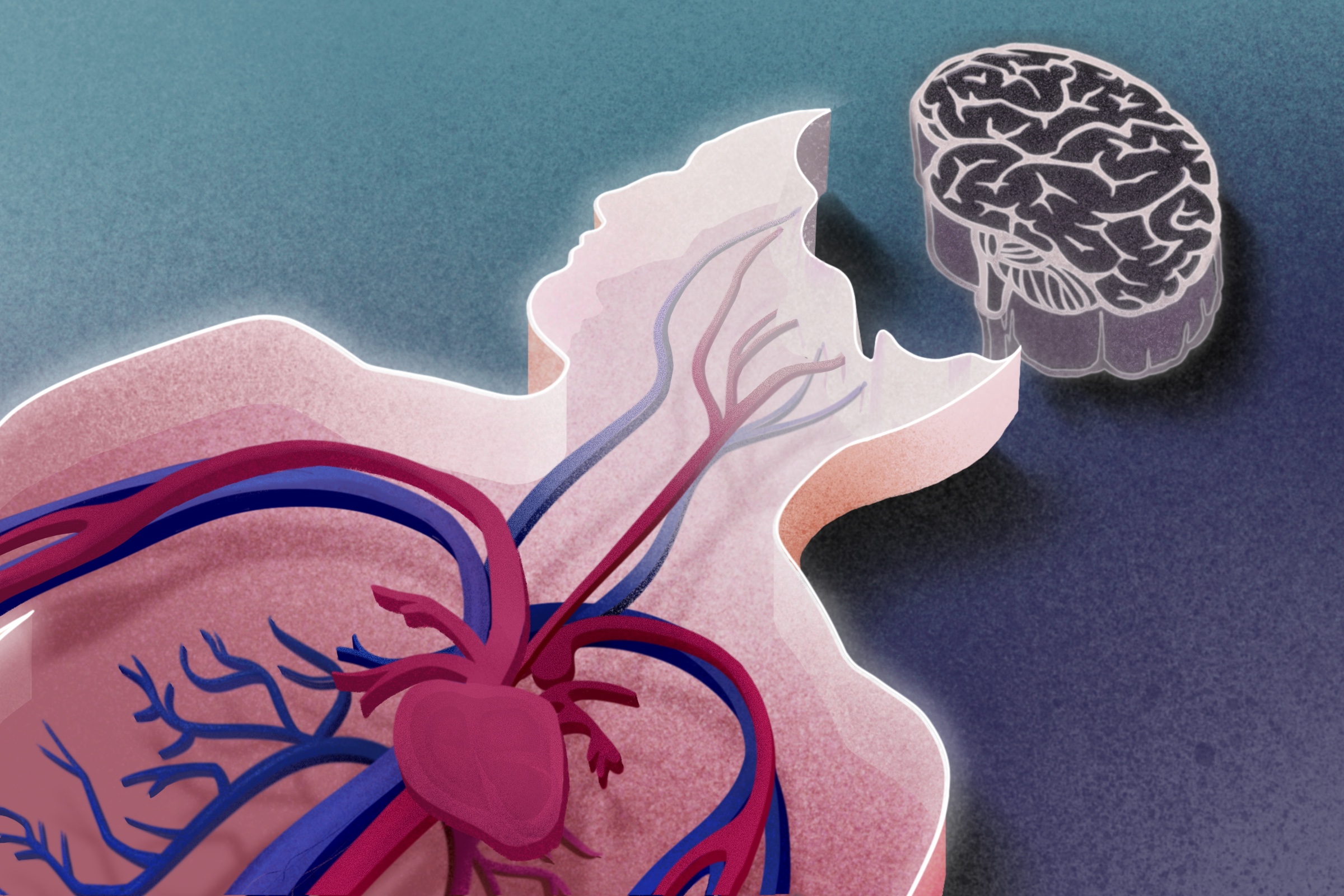
In the context of workplace assaults, brain death occurs when the brain suffers a primary injury (such as a blow to the head) or a secondary injury (such as cardiac arrest leading to a lack of blood flow to the brain). When an employee is declared brain dead, they are legally dead, even if a ventilator continues to provide oxygen to the organs. For families and the community, this outcome is particularly devastating because it often occurs to healthy individuals in the prime of their lives who were simply performing their job duties.
Factors Driving the Alarming Trend in 2026
By 2026, several socio-economic and operational factors have exacerbated the risks faced by convenience store employees. The "alarming trend" is not the result of a single cause but a combination of systemic vulnerabilities.
- Solitary Shift Patterns: Many 7-Eleven locations continue to operate with a single employee during the "graveyard" shift (11 PM to 7 AM). This makes the worker an easy target for multiple assailants or individuals with violent intent, as there is no second person to call for help or act as a deterrent.
- Inadequate Physical Barriers: Despite rising crime rates, many franchises have been slow to install full-height plexiglass barriers or "man-trap" entry systems. These physical deterrents are often seen as detrimental to the "open" shopping experience but are essential for life safety.
- Rise in Organized Retail Crime (ORC): While some attacks are random, many are linked to organized groups that target convenience stores for high-turnover goods like tobacco, lottery tickets, and specialized electronics. These groups are often more willing to use extreme violence to ensure a quick exit.
- Mental Health and Substance Abuse Crises: Retail workers are often on the front lines of societal issues. In many urban centers, convenience stores serve as hubs where employees must interact with individuals experiencing acute mental health crises or the effects of potent synthetic substances, which can lead to unpredictable and violent outbursts.
Corporate Responsibility and Safety Protocols
The recurring news of 7-Eleven employees suffering permanent disability or death has placed a spotlight on corporate accountability. While 7-Eleven Inc. provides safety guidelines, the franchise model often complicates the implementation of high-end security measures. Franchisees, who operate on thin margins, may hesitate to invest in expensive security upgrades unless mandated by law or the parent corporation.
Standard Safety Requirements vs. Reality
Most retail safety manuals emphasize "non-resistance" during a robbery. Employees are trained to hand over cash and avoid eye contact. However, the recent trend shows that even compliant employees are being targeted with extreme violence. This suggests that "compliance training" is no longer a sufficient safety strategy.
| Security Measure | Implementation Status (2026) | Effectiveness Level | Primary Limitation |
|---|---|---|---|
| CCTV/AI Surveillance | High (95% of stores) | Moderate | Retrospective; does not stop active violence. |
| Plexiglass Shields | Variable (40% of stores) | High | Can be bypassed if the counter is not fully enclosed. |
| Two-Person Shifts | Low (20% of stores) | Very High | Significant increase in labor costs for franchisees. |
| Panic Buttons | High (90% of stores) | Low | Requires the employee to reach a specific location during an attack. |
| Armed Security | Very Low (<5% of stores) | High | Extremely high cost; potential liability issues. |
Legal Consequences and Workers' Rights
The "brain dead" status of an employee triggers complex legal proceedings involving workers' compensation, personal injury lawsuits, and potentially criminal negligence charges against employers. In many jurisdictions, if it can be proven that an employer was aware of a specific threat or had a history of violence at a location but failed to implement reasonable security measures, they may be held liable beyond standard insurance payouts.
The Role of Occupational Safety and Health Agencies
Regulatory bodies like OSHA in the United States and similar provincial boards in Canada have begun classifying convenience stores as high-risk environments. This classification allows for stricter enforcement of safety standards, such as requiring "Violence Prevention Programs." By 2026, some regions have introduced legislation that mandates double-staffing for stores operating after midnight, directly addressing the vulnerability identified in the "brain dead" employee cases.
Psychological Impact on the Retail Workforce
The trend of extreme violence has led to what labor experts call a "chilled workforce." The psychological toll on convenience store employees is profound. Those who witness these attacks or work in the same districts often suffer from Post-Traumatic Stress Disorder (PTSD).
The difficulty in hiring for late-night shifts has reached an all-time high. Workers are increasingly demanding "hazard pay" or refusing to work solo shifts. This shift in the labor market is forcing 11-Eleven and its competitors to rethink the 24/7 business model. In some high-crime areas, stores have shifted to "window-service only" after dark, where the interior of the store is closed to the public and transactions happen through a secure slot.
Technical Improvements in Retail Security
To combat the trend, technology is evolving. By 2026, several "smart" security features have been piloted to protect retail workers from the types of injuries that lead to brain death.
- AI-Driven Threat Detection: Cameras equipped with behavioral analysis software can now identify the "pre-attack" posture of an individual or the presence of a weapon before the person even enters the store, automatically locking the doors.
- Remote Monitoring Hubs: Instead of a lone employee being responsible for security, stores are linked to central hubs where security professionals monitor live feeds. These professionals can speak through two-way audio to deter potential attackers.
- DNA Marking Sprays: Some high-risk locations have installed systems that spray a unique, invisible chemical marker on an assailant as they flee, making it significantly easier for law enforcement to link them to the crime scene later.
Critical Actions for Store Owners and Franchisees
To prevent further tragedies, a proactive approach to store management is necessary. It is no longer enough to react after an incident; the environment must be hardened against the possibility of violence.
Implementing a Tiered Security Strategy
Store owners should conduct a formal risk assessment based on local crime statistics. A "one-size-fits-all" approach to security is often ineffective. High-risk locations must implement "Level 3" security, which includes full-enclosure barriers and mandatory two-person staffing.
Community Integration
Successful stores often maintain high visibility and a positive relationship with local law enforcement. Encouraging officers to take their breaks at the store or providing dedicated "police kiosks" inside the premises can act as a significant deterrent to violent crime.
Investing in Emergency Medical Training
While the goal is to prevent the attack, the immediate aftermath is critical. Providing employees with basic trauma kits and training on how to handle head injuries or heavy bleeding can be the difference between a recoverable injury and brain death.
H3: Why are 7-Eleven employees specifically mentioned in this trend?
7-Eleven is the largest convenience store chain globally, with many locations operating 24/7. Because of their sheer numbers and consistent late-night hours, they are statistically more likely to be involved in retail crime reports. The brand name has become synonymous with the "lone worker" vulnerability in the public consciousness.
H3: What does it mean when an employee is declared "brain dead"?
Brain death is the legal and medical definition of death. It occurs when all functions of the brain, including the brainstem, have permanently ceased. In the context of retail violence, this is usually caused by severe traumatic brain injury (TBI) resulting from physical assault or a secondary lack of oxygen during the event.
H3: Can a 7-Eleven employee sue for a lack of security?
Yes, in many cases. While workers' compensation usually covers medical bills, employees or their families can often file "third-party" lawsuits or claims for gross negligence if the employer failed to provide a "recognized safe" working environment, especially if the store had a history of previous violent incidents that were ignored.
H3: Has the 24/7 business model changed because of these trends?
By 2026, there has been a noticeable shift. Many stores in high-violence areas have reduced their hours or switched to "lock-out" service at night. Legislation in several states and provinces now requires more stringent security measures for any business operating between 11 PM and 5 AM.
H3: What is the most effective way to prevent these attacks?
Data suggests that the most effective deterrent is the presence of more than one employee. Criminals are significantly less likely to engage in unprovoked violence when there are witnesses or multiple people to contend with. Combined with physical barriers (plexiglass), this creates the safest possible environment for late-night retail.
Prioritizing Human Life Over Operational Convenience
The alarming trend of 7-Eleven employees being left in "brain dead" or critical conditions is a call to action for the entire retail industry. To halt this trend, companies must prioritize the lives of their workers over the convenience of an open-door policy. This involves a fundamental shift from reactive security—like cameras that only record the crime—to proactive safety measures like physical enclosures, double-staffing, and AI-enabled threat detection. For the employees who keep these essential services running, the right to a safe workplace must be non-negotiable, ensuring that no one ever has to face a life-ending injury for a minimum-wage shift.