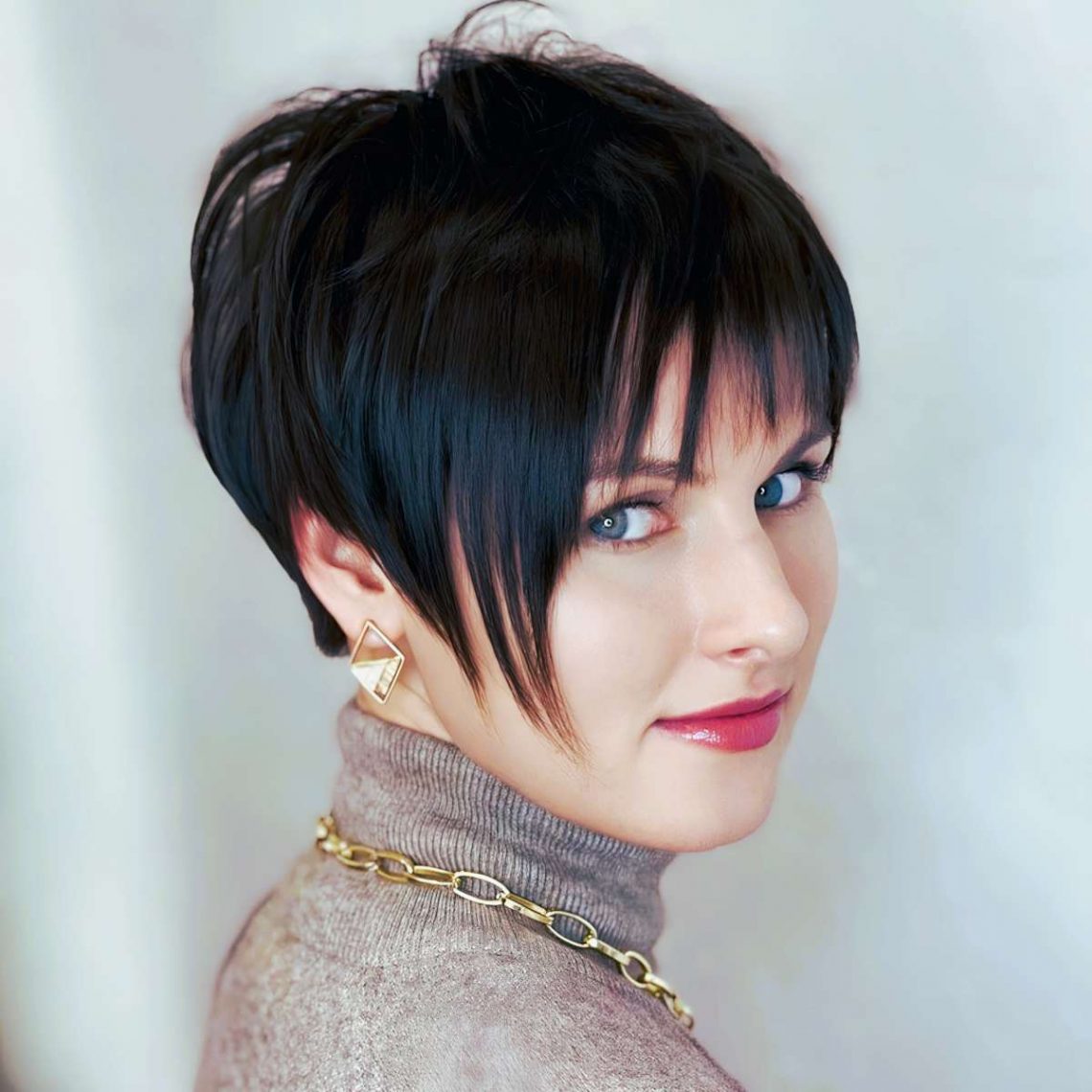
The 60s mod pixie cut is a precision-engineered, short hairstyle characterized by sharp geometric lines, a deep side part, and a sleek, flat finish. Originally popularized by icons like Twiggy and Mia Farrow under the architectural eye of Vidal Sassoon, it remains a hallmark of the 1960s "Youthquake" movement and a timeless choice for modern minimalist styling.
The Cultural Architecture of the Mod Pixie Cut
The 1960s mod pixie cut was more than just a fashion choice; it was a radical departure from the hyper-feminine, high-maintenance "beehives" and bouffants of the 1950s. This "Modernist" (Mod) approach to hair focused on the concept of the "wash and wear" philosophy, pioneered by legendary stylist Vidal Sassoon. In an era of burgeoning social liberation, the pixie cut signaled a shift toward androgyny, efficiency, and youthful rebellion.
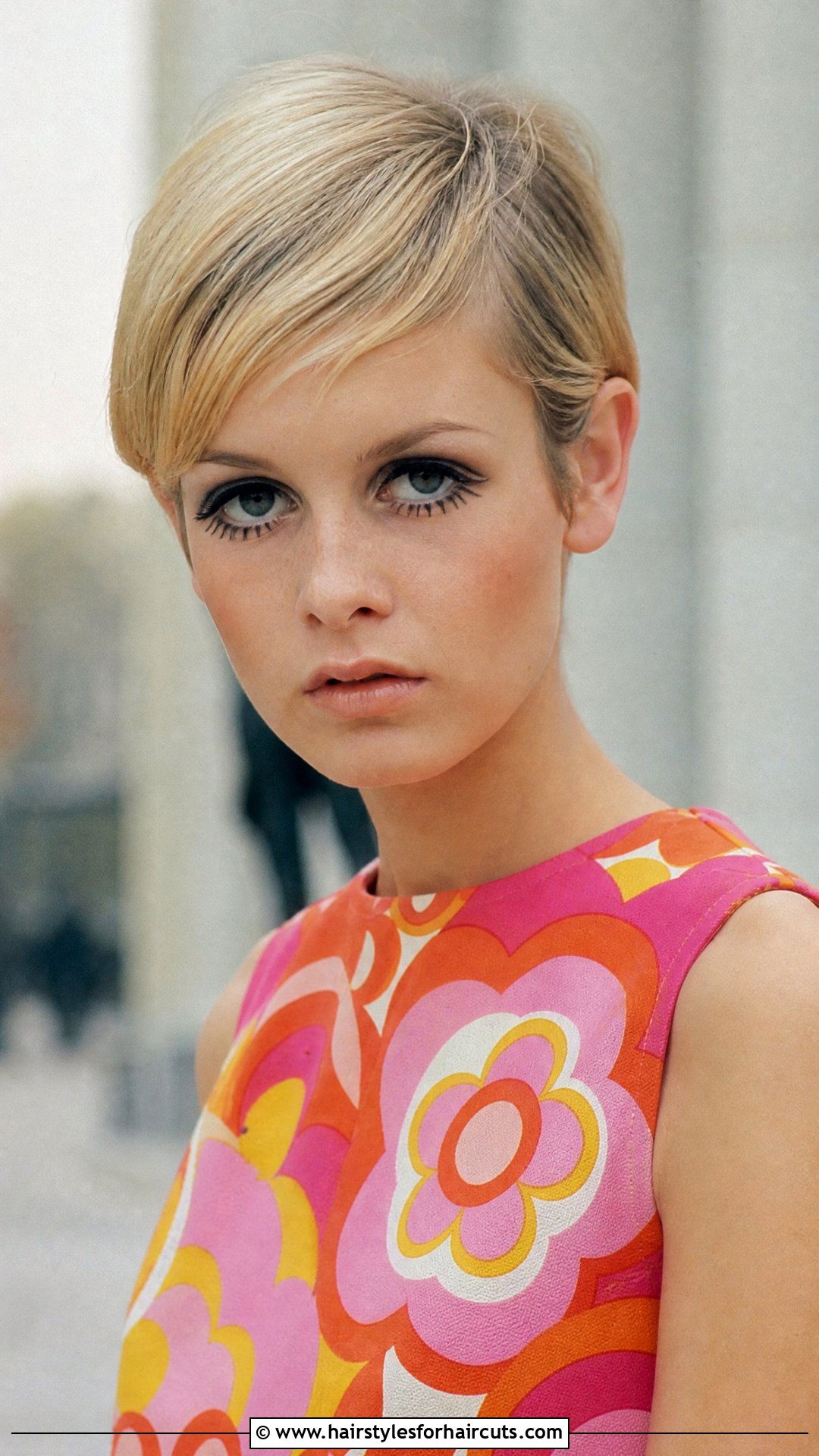
Sassoon’s philosophy was rooted in the Bauhaus movement, treating hair as a three-dimensional fabric that should be cut according to the bone structure of the individual. The "Five-Point Cut" became the technical foundation for many mod styles, emphasizing sharp angles at the nape and ears. When Twiggy appeared on the scene in 1966 with her blonde, side-parted pixie, she became the global face of the look, proving that short hair could enhance, rather than detract from, a woman’s features.
By 2026, the mod pixie has seen a significant resurgence. Modern versions often incorporate the original's structured silhouette but utilize updated texturizing techniques to allow for more versatility. However, the core identity of the mod pixie—its sleekness and commitment to shape—remains its most defining characteristic.
Identifying the Key Features of a True Mod Pixie
To distinguish a 60s mod pixie from a standard short crop or a 90s "gamine" cut, one must look at the specific geometry of the style. The mod version is less about "messy texture" and more about "graphic impact."
The Deep Side Part and Sleek Fringe
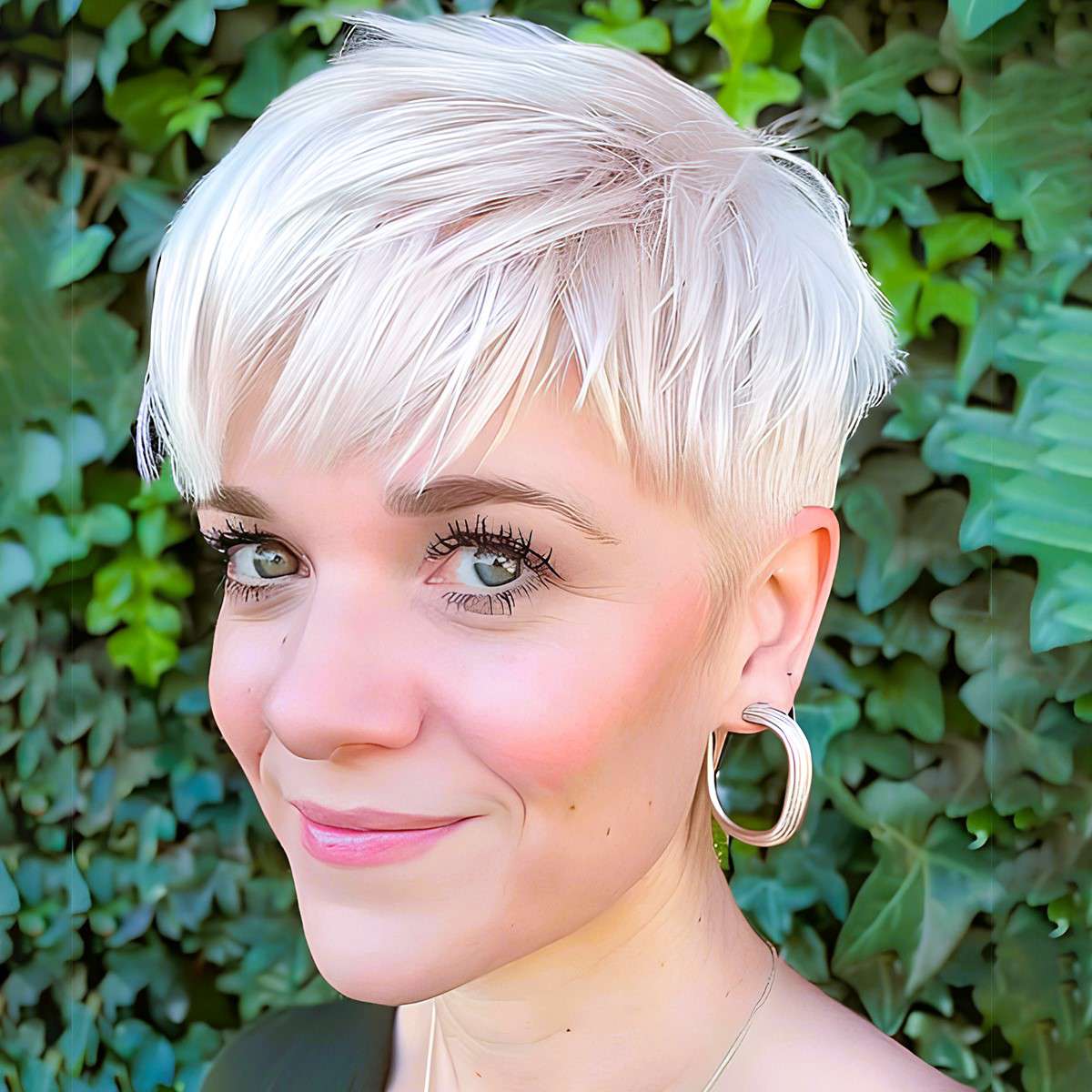
The most recognizable feature of the mod pixie is the exaggerated side part. This parting is typically clean and low, creating a heavy "sweep" of hair across the forehead. The fringe (bangs) is often cut to skim the eyebrows or slightly higher, maintaining a straight or slightly curved line that directs focus to the eyes. Unlike modern shaggy pixies, the mod fringe is kept flat and smooth.
Exposed Ears and Sculpted Sideburns
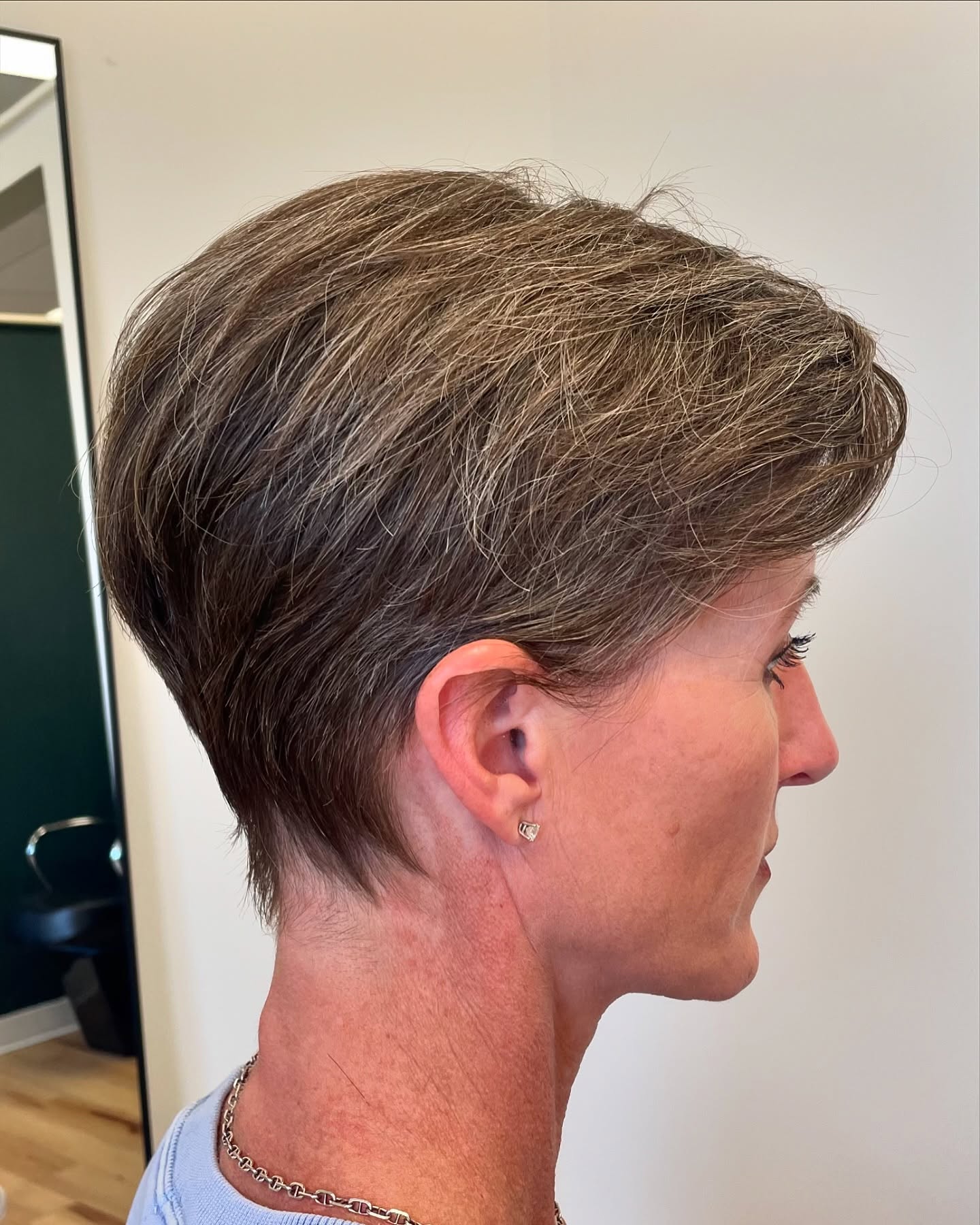
In a classic mod cut, the ears are almost always fully exposed. This is achieved by cutting sharp, "pointed" sideburns (often referred to as "whisps") that hug the cheekbone. This detail requires precise scissor-over-comb work to ensure the lines are crisp and symmetrical, framing the face with architectural intent.
The Nape and Back Graduation
The back of a mod pixie is characterized by tight graduation. The hair is cut close to the scalp at the nape of the neck, tapering upward to create volume at the crown without the need for backcombing. This "wedge" effect ensures the hair maintains its shape even when moving, a hallmark of Sassoon’s "shake it" hair revolution.
Suitability: Face Shapes and Hair Textures
While the mod pixie is a bold statement, its success depends heavily on the wearer’s facial geometry and hair density. Because the cut is so exposed, it highlights specific features in ways that longer styles do not.
- Oval and Heart-Shaped Faces: These shapes are generally considered the "ideal" canvas for a mod pixie. The cut emphasizes high cheekbones and a delicate jawline. The side-swept fringe can help balance a wider forehead in heart-shaped faces.
- Square Faces: A mod pixie can work for square faces if the sideburns are kept slightly softer and the fringe is curved rather than strictly horizontal. This helps to soften the angularity of the jaw.
- Round Faces: To make this cut work for rounder faces, stylists often add a bit more height at the crown to elongate the profile, ensuring the side parts are sharp to create a more linear look.
Regarding hair texture, the 60s mod pixie is traditionally best suited for fine to medium-thick straight hair. Straight hair naturally holds the geometric lines that the cut requires. Those with curly or very wavy hair can achieve the look, but it will require significant daily thermal styling (flat ironing) and heavy-duty smoothing serums to maintain the "glass-like" finish characteristic of the 1960s aesthetic.
Technical Comparison: 1960s vs. 2026 Interpretations
The evolution of hair tools and products has allowed the mod pixie to transition into the mid-2020s with improved manageability and health.
| Feature | Original 1960s Mod Pixie | 2026 Modern Mod Pixie |
|---|---|---|
| Styling Tools | Hooded dryers, setting lotion, rollers | Ionic flat irons, precision detailers |
| Finish | Matte or slightly stiff with heavy hairspray | High-shine "glass" finish with flexible hold |
| Cutting Technique | Strict geometric "Box" cutting | Point-cutting for internal movement |
| Volume | Created through structural graduation | Achieved with root-lifting resins |
| Maintenance | Weekly salon visits for "sets" | 4-6 week precision trims |
| Color Trends | Solid "block" colors (Platinum, Jet Black) | Dimensional "lived-in" tones or vivid pastels |
How to Style and Maintain the Mod Pixie
Achieving the sleek, retro-mod look requires a specific routine. Unlike modern textured cuts that benefit from "air drying," the mod pixie is a product of deliberate styling.
Step-by-Step Styling Routine
- Prep: Apply a smoothing cream or a light heat protectant to damp hair. If your hair is fine, use a volumizing mousse only at the roots of the crown.
- The Parting: Using a fine-tooth tail comb, create a clean, straight part starting from the outer corner of the eye or the high point of the eyebrow.
- Blow-Dry: Use a small boar-bristle paddle brush. Direct the hair flat against the scalp, following the curve of the head. Avoid using a round brush, as this creates "pouf" rather than the desired "sleekness."
- Flat Ironing: Once dry, use a slim-plate flat iron (half-inch plates are ideal for short hair) to polish the ends. Curve the iron slightly inward at the fringe and sideburns to hug the face.
- Finishing: Apply a small amount of pomade or shine wax between your palms and lightly smooth it over the surface to tame flyaways. Finish with a high-shine, light-hold hairspray.
Maintenance Requirements
Precision is the lifeblood of the mod pixie. Because the lines are so sharp, even a half-inch of growth can make the cut look "shaggy" and lose its mod identity. Expect to visit your stylist every 4 to 6 weeks for a "shape-up." During these appointments, the focus should be on cleaning up the nape and ensuring the sideburns remain symmetrical.
Choosing the Right Stylist
Not every stylist is trained in the specific geometric cutting techniques required for a true 1960s mod pixie. When searching for a professional, look for those with certifications in "Vidal Sassoon cutting" or "Precision Cutting." These stylists understand how to map the head into sections that allow for the structural graduation necessary to make the hair lie flat without looking thin.
During your consultation, bring photos that show the nape and the ear detail, not just the front. This helps the stylist understand exactly how much "exposure" you are comfortable with. Discuss your natural hair growth patterns (cowlicks), as these can significantly impact how a short fringe behaves.
Common Mistakes to Avoid
- Too Much Texture: Asking for "choppy layers" will turn a mod pixie into a standard pixie. A mod cut relies on "solid" looking edges.
- Neglecting the Back: Many people focus on the fringe, but the tightly tapered back is what gives the mod pixie its iconic silhouette.
- Over-styling: Avoid "teasing" or "backcombing." The volume should come from the cut itself, not from mechanical distress to the hair.
H3: Is the 60s mod pixie hard to grow out?
The transition from a mod pixie to a longer style requires patience because of the heavy fringe and short nape. As it grows, it typically turns into a "mod bob." To manage the growth, keep the nape trimmed short while the top and sides catch up in length to avoid a "mullet" effect.
H3: Can I get a mod pixie if I have a high forehead?
Yes, a mod pixie is actually excellent for high foreheads. The signature heavy, side-swept fringe acts as a curtain that masks the hairline, allowing you to "re-proportion" the face visually.
H3: What products are essential for this style in 2026?
The three essentials are a high-quality heat protectant, a fine-tooth tail comb for precise parting, and a lightweight shine wax. Modern "dry texture sprays" are generally avoided for this look, as they create too much volume and matte texture.
H3: Does this cut work with glasses?
Absolutely. Because the hair is cut away from the ears, the mod pixie is one of the most "glasses-friendly" short cuts. It prevents the hair from "bulging" over the frames of your spectacles.
Final Recommendation for Aspiring Mods
If you are looking for a hairstyle that combines historical gravitas with a modern, low-effort daily routine, the 60s mod pixie is an exceptional choice. It rewards those who value structure and precision. Before committing, ensure you are ready for the maintenance of regular trims and that you have a stylist who understands the architectural heritage of the look. For those with the right bone structure and a penchant for retro aesthetics, this cut offers a level of sophistication that few other short hairstyles can match.