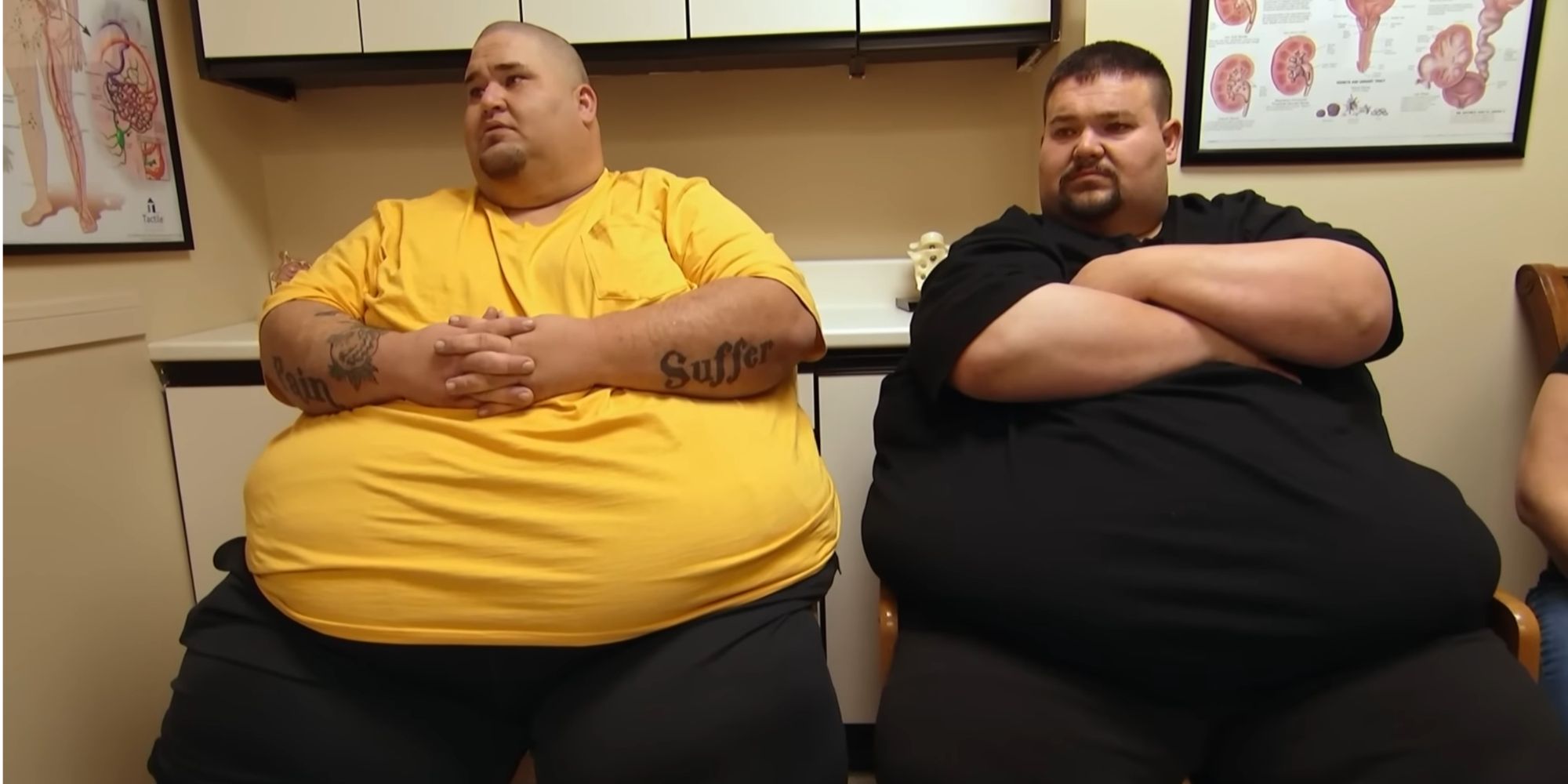
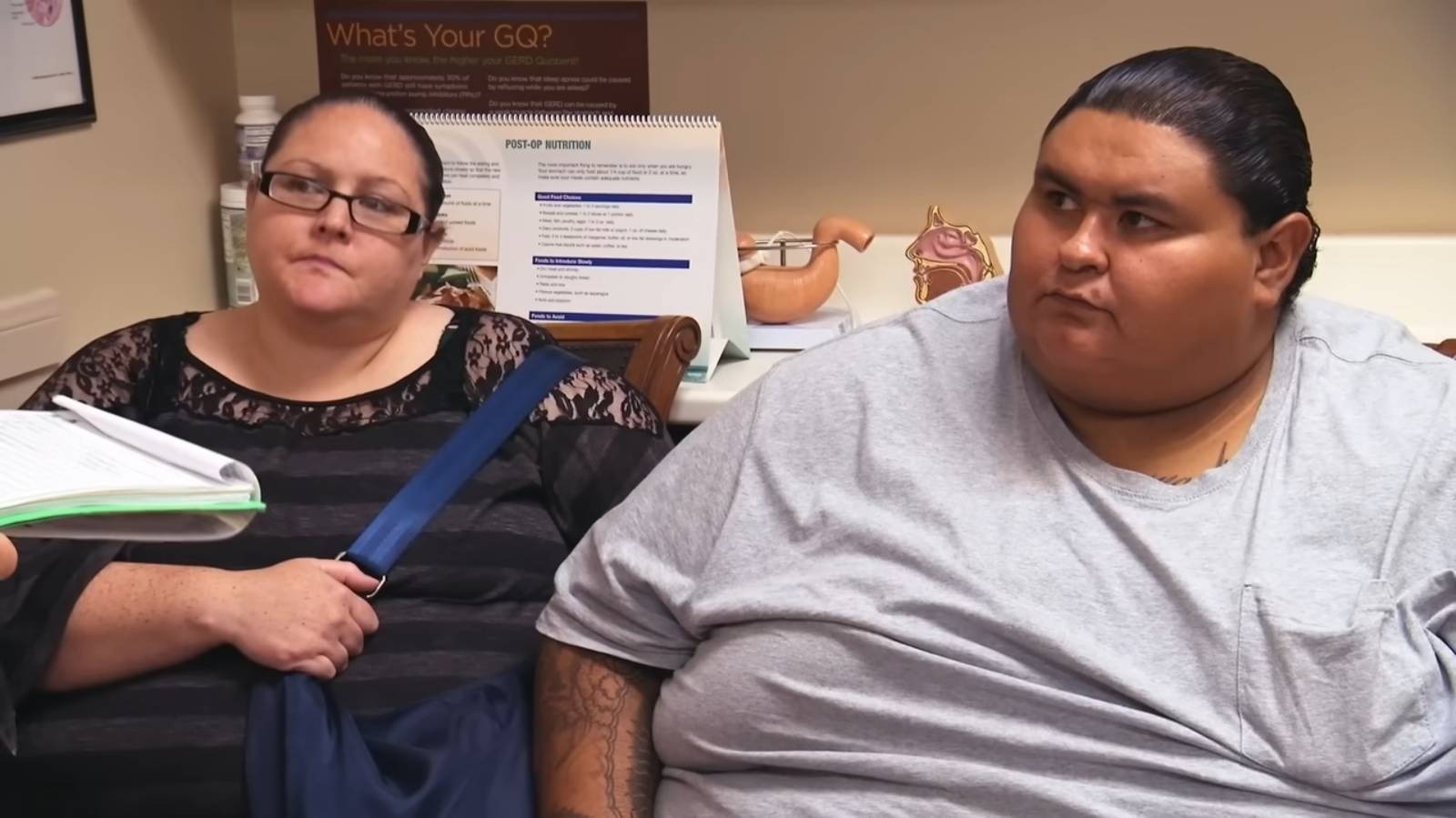
Dr. Younan Nowzaradan, the renowned bariatric surgeon featured on TLC's My 600-lb Life, is alive and continuing his medical practice. Reports claiming that the iconic doctor died are false, stemming from recurring internet death hoaxes, clickbait headlines misrepresenting patient deaths, and deceptive search engine algorithms that monetize celebrity misinformation.
Fact Check: Is Dr. Younan Nowzaradan Alive?
The widely circulated headline claiming that the doctor from My 600-lb Life died is entirely unfounded. Dr. Younan Nowzaradan—affectionately known to millions of viewers as "Dr. Now"—is alive, actively practicing medicine in Houston, Texas, and continuing to document his work and life through official public channels.
Rumors suggesting his passing surface periodically across social media platforms, video sharing sites, and low-quality content aggregator websites. These stories frequently rely on vague, emotional phrasing such as "Tragedy Strikes My 600-lb Life" or "Fans Mourn Loss of My 600-lb Life Figure." When clicked, these links either lead to articles discussing the genuine passing of former patients from the show or function as programmatic ad traps designed to generate revenue through deceptive titles.
Dr. Nowzaradan, born in Tehran, Iran, in October 1944, has spent decades specializing in vascular and bariatric surgery. He maintains an active medical license in the state of Texas and regularly updates his verified social media accounts, frequently debunking health scares and confirming his ongoing commitment to treating patients with severe obesity.
The Anatomy of Internet Celebrity Death Hoaxes
The persistence of the rumor that the My 600-lb Life doctor died highlights a broader trend within digital media: the systematic monetization of celebrity death hoaxes. Understanding how these false narratives proliferate reveals why they continue to appear in search results and social feeds.
| Stage | Mechanics of a Clickbait Death Rumor |
|---|---|
| 1. TRAGIC EVENT | A patient or minor cast member on a popular show passes away from chronic illness or medical complications. |
| 2. DECEPTIVE HEADLINE | Content farms publish articles with vague titles like "Tragic Loss: Beloved 600-Lb Life Doctor Icon Dies." |
| 3. ALGORITHMIC SPREAD | Search engines and social media algorithms boost the high-click headline based on trending keyword spikes. |
| 4. PUBLIC CONFUSION | Readers share the headline without reading the article, solidifying the fake news in public search trends. |
Search Engine Optimization Manipulation
Content aggregators routinely publish articles containing ambiguous phrasing designed to capture high-volume search queries. By pairing the keywords "600 lb life doctor" with words like "died," "funeral," or "shocking truth," these sites manipulate search engine indexing. Even if the body of the article eventually clarifies that the doctor is alive, the metadata and headline serve their purpose: pulling in high volumes of search traffic.
Automated Content Farms and Synthetic Media
With the proliferation of automated content generators and synthetic media, fake news sites can automatically publish hundreds of short, artificial obituaries within minutes of a public figure trending online. These operations monitor search trends for names associated with health, aging, or high-risk medical shows, generating instant articles that manufacture tragedy for advertising pay-outs.
Conflating Patient Tragedies with Medical Staff
A primary driver behind the persistent belief that Dr. Nowzaradan passed away is the tragic reality surrounding the subjects of My 600-lb Life. The individuals featured on the TLC program suffer from severe morbid obesity, often accompanied by severe comorbidities such as heart disease, type 2 diabetes, respiratory failure, and systemic infection.
Over the course of the show's multi-season history, several former patients have passed away due to long-term health complications, acute medical events, or mental health struggles. When news breaks regarding the death of a former cast member, irresponsible headlines frequently obscure the identity of the deceased, leading casual readers to assume the show's lead physician was the subject of the tragedy.
| Individual | Role on Show | Status / Verified Fact | Context of News Coverage |
|---|---|---|---|
| Dr. Younan Nowzaradan | Lead Bariatric Surgeon | Alive | Continues medical practice in Houston; subject of frequent clickbait hoaxes. |
| Henry Foots | Season 1 Patient | Deceased (2013) | Passed away from medical complications unrelated to his initial surgery. |
| Sean Milliken | Season 4 Patient | Deceased (2019) | Passed away in a hospital due to complications from an infection. |
| LB Bonner | Season 6 Patient | Deceased (2018) | Tragic death; raised public awareness around mental health support for cast members. |
| Kelly Mason | Season 7 Patient | Deceased (2019) | Passed away from heart failure during filming, highlighted in her episode. |
| Gina Krasley | Season 8 Patient | Deceased (2021) | Passed away at home; death prompted wider discussions on patient aftercare. |
Because media outlets frequently report on these patient deaths under general titles like "My 600-Lb Life Star Dies at Age X," consumers skimming headline feeds easily confuse the subjects. Over time, these individual stories merge in public memory, solidifying the erroneous belief that the doctor himself had died.
Who Is Dr. Younan Nowzaradan? Career and Legacy
To understand why Dr. Nowzaradan remains a central figure in bariatric medicine and television, it is essential to look at his medical credentials and clinical approach. Far from just a television personality, Dr. Nowzaradan is a pioneer in treating individuals whom other surgeons reject due to extreme surgical risk.
Medical Background and Surgical Training
Dr. Nowzaradan received his medical degree from the University of Tehran School of Medicine in 1970. He completed his rotating internship at St. John Hospital in Detroit, Michigan, followed by a surgical residency at St. Thomas Hospital in Akron, Ohio. He further specialized in cardiovascular surgery through a fellowship at the Texas Heart Institute in Houston under the renowned Dr. Denton Cooley.
Pioneering High-Risk Bariatric Care
Long before TLC launched My 600-lb Life in 2012, Dr. Nowzaradan established a reputation in Houston for accepting patients weighing over 600 pounds—a demographic traditionally considered ineligible for elective bariatric procedures due to severe anesthesia and surgical risks.
He was among the early adopters of laparoscopic techniques for complex bariatric surgeries, demonstrating that minimally invasive methods could be safely adapted for super-obese patients to minimize recovery times and surgical complications.
Strict Treatment Protocols
On My 600-lb Life, Dr. Nowzaradan is known for his firm, uncompromising bedside manner. His standard protocol requires patients to demonstrate commitment and physiological readiness prior to undergoing surgery. Key elements of his regimen include:
- Controlled Caloric Restriction: Adherence to a strict 1,200-calorie per day, low-carbohydrate, high-protein diet designed to reduce visceral fat and shrink the liver prior to operation.
- Psychological Evaluation: Mandatory therapy to address underlying trauma, emotional eating, and addiction patterns that drive severe obesity.
- Weight Reduction Milestones: Requiring patients to lose a specific percentage of body weight independently to prove operational viability and reduce anesthesia risk.
Ethical Controversies and Legal Context of Reality Medicine
The rumors surrounding My 600-lb Life and its lead medical provider do not exist in a vacuum. The television show has faced significant scrutiny over the years regarding its production practices, patient aftercare, and ethical representation of extreme medical conditions.
Patient Lawsuits and Allegations
Several former cast members and families of deceased patients have filed lawsuits against Megalomedia, the production company behind My 600-lb Life. These legal filings have alleged various issues, including:
- Inadequate Psychological Care: Claims that production emphasized dramatic tension over comprehensive, long-term mental health support for vulnerable participants.
- Financial Disagreements: Disputes regarding coverage for medical bills, living expenses during filming, and promised financial assistance for aftercare.
- Filming Stress: Allegations that production schedules forced participants into physically stressful situations to create compelling narrative arcs.
While these lawsuits primarily target the show's production company rather than Dr. Nowzaradan's independent medical practice, they have contributed to a dense media landscape filled with controversy, legal claims, and sensational reporting. This constant stream of negative news creates a backdrop where rumors of tragedy—including the fake death of the doctor—find fertile ground to take root.
How to Verify Health and Celebrity News Online
Navigating digital media requires active verification strategies, particularly when dealing with health news, celebrity obituaries, and sensational headlines. The following guidelines help readers distinguish verified factual reporting from manipulative clickbait.
Verification Checklist
- CHECK THE SOURCE
- Is the story published by a reputable news organization or official body?
- LOOK FOR OFFICIAL RELEASES
- Has the medical board, hospital, family, or official representative issued a statement?
- READ BEYOND THE HEADLINE
- Does the body of the article support the headline, or is it using misleading hook phrases?
- VERIFY MEDICAL LICENSURE AND SOCIAL CHANNELS
- State medical boards and verified social media accounts offer direct confirmation.
1. Check Primary Sources and Medical Registries
When news involves a licensed professional, state medical boards provide public access to license statuses. The Texas Medical Board maintains public databases verifying whether a physician holds an active, unrestricted license to practice.
2. Cross-Reference Standard News Outlets
Major news events, especially the passing of a prominent television figure, are covered by established, peer-reviewed journalistic outlets. If a major story appears only on obscure blogs, unverified video channels, or content farms, it is almost certainly false.
3. Analyze Headline Construction
Be skeptical of headlines that use exaggerated emotional framing without providing direct facts in the title. Phrases such as "Fans Are Devastated By What Happened To..." or "The Shocking Truth About Dr. Now..." are classic markers of click-driven engagement bait.
Frequently Asked Questions
Is Dr. Nowzaradan still practicing medicine?
Yes, Dr. Younan Nowzaradan continues to practice medicine in Houston, Texas. He operates his surgical practice, Houston Obesity Surgery, specializing in bariatric and vascular procedures for high-risk patients.
Where did the rumor that the 600-lb Life doctor died originate?
The rumor stems primarily from clickbait news websites and content farms that publish sensational titles linking the show's name to fatal events. These titles misrepresent the deaths of former show patients or use fake headlines to drive advertising traffic.
Have any doctors featured on My 600-Lb Life passed away?
No primary recurring physicians or surgeons featured on My 600-lb Life have passed away. The medical team led by Dr. Nowzaradan remains active, though several patients featured on the program over its multi-season run have passed due to obesity-related complications.
How old is Dr. Younan Nowzaradan?
Dr. Younan Nowzaradan was born on October 11, 1944. He continues to perform surgeries, author books on obesity management, and appear on public media platforms.
Where can I find official updates on Dr. Nowzaradan?
Official updates regarding Dr. Nowzaradan’s medical work, public appearances, and publications are shared directly through his official website, verified social media accounts, and legitimate entertainment press releases.
Navigating Media Consumption Responsibly
When encountering sensational claims about public figures or medical professionals, readers should prioritize source verification over immediate social sharing. The claim that the doctor from My 600-lb Life died serves as a case study in how online content farms exploit real-world tragedies—such as patient deaths—to create deceptive narratives for web traffic. By relying on official records, established news institutions, and direct statements from public figures, media consumers can protect themselves from viral misinformation and maintain a clear understanding of the facts.