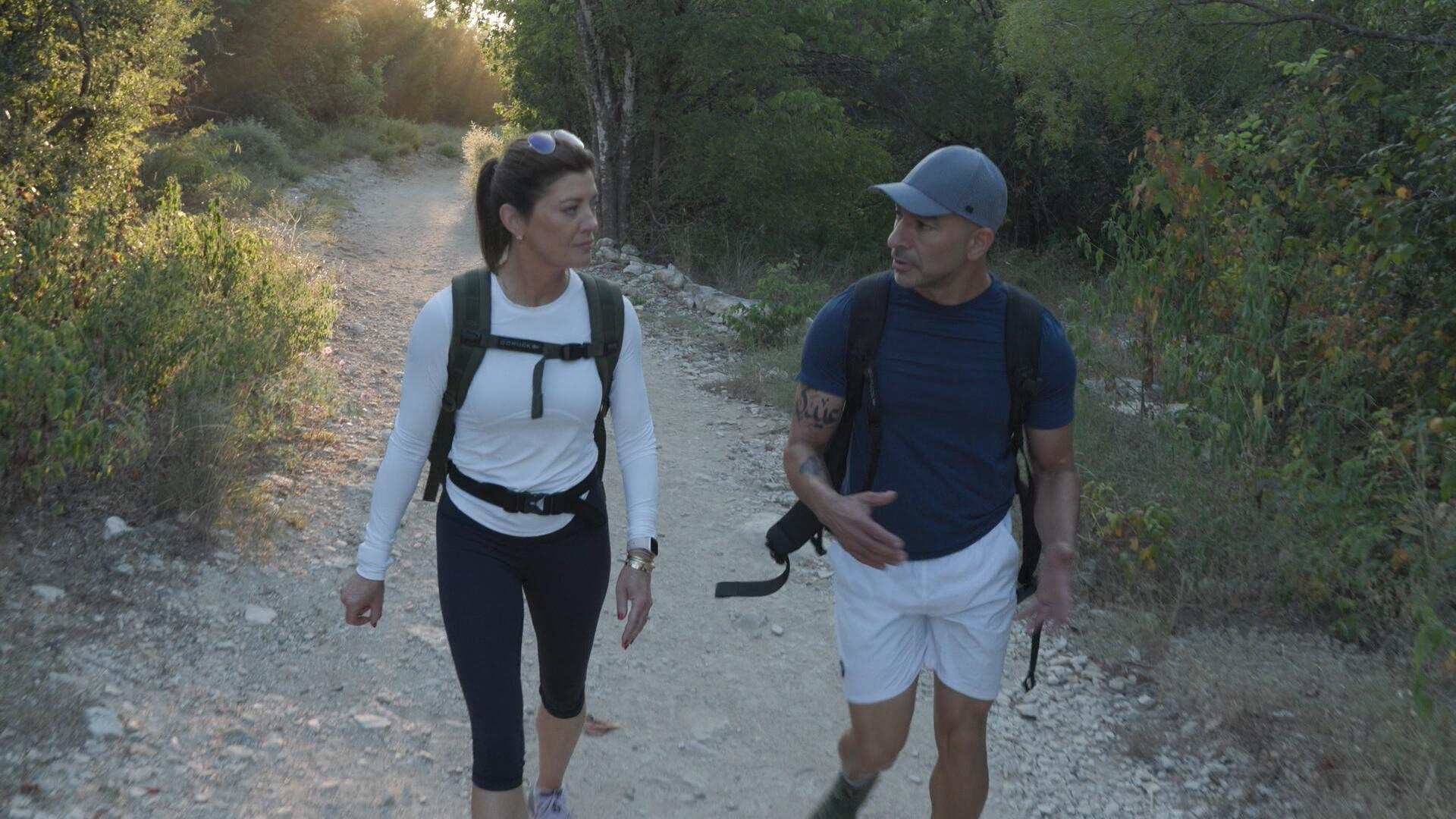
The 60 Minutes Overtime feature with Dr. Peter Attia examines the transition from reactive healthcare to proactive longevity medicine, known as Medicine 3.0. Dr. Attia highlights exercise as the most potent longevity intervention, early diagnostic screening for cardiovascular and metabolic disease, optimized muscular strength, and preserving healthspan alongside lifespan.
The Paradigm Shift: Understanding Medicine 2.0 vs. Medicine 3.0
In his appearance on CBS News' 60 Minutes Overtime, physician Dr. Peter Attia outlined a fundamental flaw in contemporary medical practice. Modern healthcare systems operate largely under what he calls Medicine 2.0—a reactive framework developed in the 20th century to manage acute trauma, infectious diseases, and late-stage chronic illness. While Medicine 2.0 excels at keeping patients alive after a major event, such as a heart attack or stroke, it frequently fails to prevent the slow, progressive degeneration that leads to those events in the first place.
Dr. Attia advocates for Medicine 3.0, an approach focused on extending healthspan—the period of life spent free from chronic disease and physical or cognitive disability—to match lifespan. Rather than waiting for clinical symptoms to manifest or diagnostic thresholds to be breached, Medicine 3.0 uses early, aggressive prevention.
Medicine 1.0 (Historical) ---> Observation & Basic Hygiene Medicine 2.0 (Current) ---> Reactive Treatment of Manifested Disease Medicine 3.0 (Longevity) ---> Early Diagnostics & Proactive Risk Minimization
Under this paradigm, chronic conditions like cardiovascular disease, type 2 diabetes, neurodegenerative disorders, and cancer are recognized as developing over decades. Consequently, prevention must begin decades before traditional medical guidelines typically suggest initiating treatment.
Exercise as the Ultimate Longevity Intervention
A central pillar of Dr. Attia’s insights shared during the 60 Minutes Overtime segment is that exercise exerts a far greater impact on lifespan and healthspan than any pharmaceutical agent currently available. While nutritional interventions, sleep optimization, and pharmacology play vital roles, physical training yields unmatched benefits across metabolic, cardiovascular, and musculoskeletal systems.
Dr. Attia categorizes physical preparation into four core domains, each addressing distinct physiological vulnerabilities associated with aging:
- Zone 2 Aerobic Efficiency: Low-intensity, steady-state cardiovascular exercise performed at an effort level where a person can maintain a conversation (typically around lactate levels of 1.5 to 2.0 mmol/L). Zone 2 training builds mitochondrial density and flexibility, enhancing the body's ability to oxidize fat and preventing metabolic dysfunction.
- VO2 Max (Peak Cardiorespiratory Fitness): Maximum oxygen uptake serves as one of the strongest statistical predictors of all-cause mortality. Individuals who move from the lowest quartile of VO2 max to the top quartile experience a dramatic reduction in mortality risk, exceeding the risk reduction associated with quitting smoking or reversing high blood pressure.
- Muscular Strength and Hypertrophy: Sarcopenia—the age-related loss of muscle mass and force production—accelerates functional decline and frailty in later decades. Maintaining heavy strength capacity (such as grip strength and leg press capability) protects against fall-related injuries and maintains metabolic glucose sink capacity.
- Stability and Movement Patterns: Neuromuscular stability, joint control, and balance prevent catastrophic falls, which remain a leading cause of accidental death and disability among older adults.
Maintaining high physical function requires training specifically for the "Centenarian Decathlon"—a framework Dr. Attia uses to define the physical tasks an individual wishes to perform in their final decade of life, such as lifting a suitcase into an overhead bin or getting up off the floor without assistance.
Metabolic Health and Early Cardiovascular Risk Management
Cardiovascular disease remains the leading cause of death globally, yet Dr. Attia emphasizes on 60 Minutes Overtime that it is also largely preventable when addressed early. Traditional routine checkups rely on basic lipid panels that measure total cholesterol, HDL, and calculated LDL-C. However, these metrics often miss underlying cardiovascular risks.
Medicine 3.0 prioritizes direct measurement of atherogenic particles through Apolipoprotein B (ApoB) testing. ApoB measures the exact number of circulating particles (including LDL, VLDL, and IDL) capable of penetrating the endothelial wall and initiating plaque formation. By reducing ApoB levels significantly earlier in life, individuals can substantially alter their long-term cumulative exposure to cardiovascular risk.
Standard Panel: Total Cholesterol + HDL + LDL-C ==> Misses Particle Count Risk Advanced Panel: ApoB + Lp(a) + Continuous Glucose ==> Directly Measures Particle Toxicity & Risk
In parallel with lipid management, monitoring metabolic health is essential. Insulin resistance often develops 10 to 15 years before fasting blood glucose levels reach the diagnostic threshold for type 2 diabetes. Tracking markers such as fasting insulin, HbA1c, and continuous glucose monitor (CGM) trends allows individuals to detect metabolic hyperinsulinemia early, preventing downstream inflammation and cellular damage.
Comparative Overview: Medicine 2.0 vs. Medicine 3.0 Frameworks
To visualize how Dr. Attia's framework contrasts with standard medical practices discussed in public media, the following table highlights key differences across primary health metrics and strategies:
| Category | Medicine 2.0 (Standard Reactive Care) | Medicine 3.0 (Longevity Framework) | Primary Practical Objective |
|---|---|---|---|
| Primary Goal | Treat acute illness; extend lifespan after disease diagnosis | Extend healthspan to match lifespan; prevent disease onset | Prevent functional decline and chronic morbidity |
| Intervention Timing | Begins when biomarkers cross clinical disease thresholds | Begins decades before symptoms appear (early 30s–40s) | Eliminate cumulative arterial and cellular damage |
| Cardiovascular Biomarkers | Standard LDL-C, Total Cholesterol, HDL | ApoB, Lipoprotein(a), Coronary Artery Calcium (CAC) | Directly evaluate atherogenic particle concentration |
| Metabolic Screening | Fasting blood glucose, HbA1c | Fasting insulin, OGTT, Continuous Glucose Monitoring | Identify insulin resistance long before diabetes onset |
| Exercise Strategy | General recommendation (150 mins/week moderate movement) | Structured regimen (Zone 2, VO2 Max, Heavy Strength, Stability) | Maximize cardiorespiratory reserves and muscle mass |
| Patient Role | Passive recipient of medical treatment | Active manager of health data, habits, and lifestyle interventions | Take personal ownership of long-term health trajectory |
Nutrition, Sleep, and Emotional Health in Longevity Strategy
Beyond exercise and diagnostics, Dr. Attia’s broader longevity framework incorporates three additional essential levers: nutritional biochemistry, sleep architecture, and emotional wellbeing.
Nutritional Biochemistry over Dictated Diets
Rather than advocating for a single dogmatic diet (such as strict keto, vegan, or paleolithic regimes), Dr. Attia emphasizes matching nutritional strategies to individual metabolic needs. The foundational requirement for aging adults is acquiring adequate high-quality protein (typically 1.6 to 2.2 grams per kilogram of body weight per day) to preserve lean muscle tissue. Energy balance—whether managed via caloric restriction, dietary restriction, or time-restricted feeding—must be optimized to keep visceral fat low without triggering muscle wasting.
Sleep Architecture
Quality sleep serves as the primary repair phase for cognitive and physiological systems. Chronic sleep restriction impairs insulin sensitivity, elevates blood pressure, increases systemic inflammation, and suppresses immune function. Sleep architecture, encompassing adequate Deep (slow-wave) and REM sleep stages, is crucial for memory consolidation and cellular waste clearance via the brain's glymphatic system.
Emotional Health as a Core Pillar
A crucial insight highlighted in Dr. Attia's work is that extending physical life without emotional health yields a poor quality of existence. High stress, unaddressed psychological trauma, isolation, and lack of purpose contribute to elevated cortisol levels, systemic inflammation, and damaged personal relationships. Longevity strategies must address mental health with the same rigor applied to cardiovascular or metabolic metrics.
Practical Steps to Apply Dr. Attia's Longevity Framework
Implementing the concepts discussed in the 60 Minutes Overtime interview does not require elite medical access, but it does demand consistency, structured testing, and deliberate habits.
- Establish Advanced Baseline Diagnostics: Request an expanded blood panel from your physician that includes ApoB, Lipoprotein(a), fasting insulin, and high-sensitivity C-reactive protein (hs-CRP).
- Measure Cardiorespiratory Fitness: Conduct a formal VO2 max test or estimate your cardiorespiratory fitness using standardized field tests (such as the Cooper 12-minute run or step tests) to determine your baseline fitness percentile.
- Build a Zone 2 Base: Dedicate 3 to 4 hours per week to steady-state Zone 2 aerobic exercise (cycling, rowing, brisk walking on an incline) split across multiple sessions.
- Incorporate Dedicated Strength Training: Perform resistance exercise 2 to 3 days per week, focusing on compound multi-joint movements (squats, deadlifts, presses, loaded carries) to preserve bone density and muscle mass.
- Prioritize Protein and Sleep: Calculate daily protein targets to ensure adequate muscle protein synthesis and maintain a consistent 7- to 8-hour sleep window free from late-night alcohol or heavy meal consumption.
Frequently Asked Questions
What is the central message of Dr. Peter Attia's 60 Minutes Overtime segment?
The segment emphasizes shifting from a reactive medical model (Medicine 2.0) to a proactive model (Medicine 3.0). This framework prioritizes early diagnostic screening, physical exercise as a key longevity tool, and preventing chronic conditions long before they manifest clinically.
How does Dr. Attia define "healthspan" versus "lifespan"?
Lifespan refers strictly to the total number of years an individual lives. Healthspan defines the duration of life spent in optimal physical, cognitive, and emotional health, free from chronic disease, pain, or debilitating physical limitations.
What physical assessments does Dr. Attia recommend for evaluating cardiovascular fitness?
Dr. Attia frequently highlights VO2 max testing as the benchmark for cardiorespiratory fitness. Additionally, tracking Zone 2 power output (wattage or pace maintained at a low heart rate) provides clear data on cellular metabolic health.
Is Zone 2 cardio suitable for beginners attempting longevity training?
Yes, Zone 2 training is exceptionally safe and accessible for beginners because it involves low-intensity exercise. The primary goal is maintaining a manageable pace where conversation is still possible, making it low-impact while building aerobic foundation.
How does Medicine 3.0 alter standard cholesterol testing?
Medicine 3.0 shifts focus away from standard LDL-C concentration metrics toward testing Apolipoprotein B (ApoB), which measures the actual particle count of atherogenic lipoproteins. Knowing particle count provides a far more accurate assessment of arterial disease risk.
Optimizing Your Personal Longevity Strategy Safely
Transitioning to a proactive longevity approach requires systematic execution rather than drastic, unguided lifestyle overhauls. Start by acquiring accurate baseline data: obtain comprehensive blood panels, evaluate your current cardiorespiratory fitness, and assess your daily nutritional intake. Focus initial efforts on building consistent physical habits, particularly establishing a steady schedule of low-intensity aerobic training alongside regular resistance exercises.
Disclaimer: The information presented in this article is for educational purposes only and should not be construed as personal medical advice. Consult a qualified, licensed physician or healthcare provider before altering your exercise routine, dietary protocols, or diagnostic testing strategies.