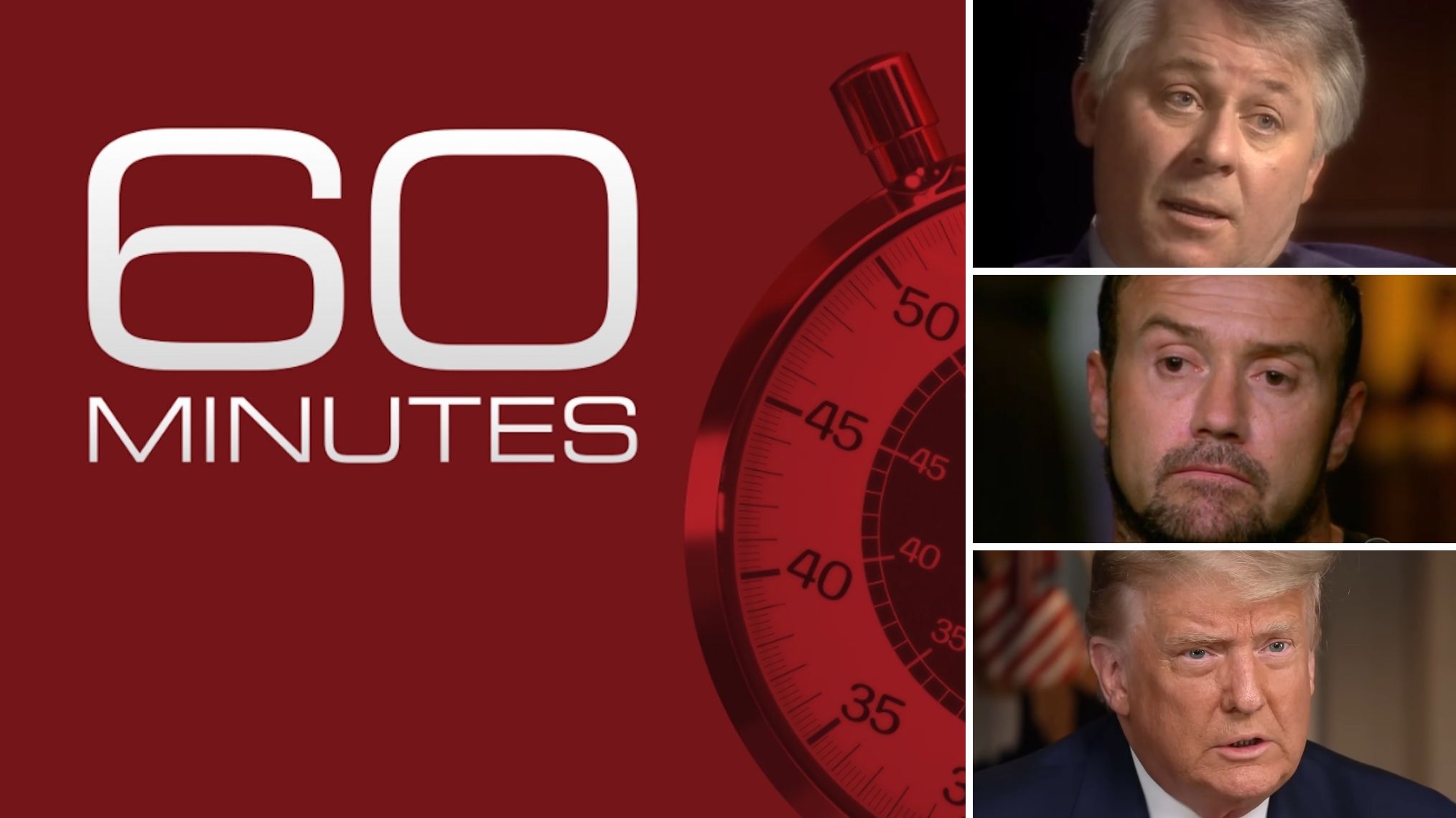
A 60 Minutes interview represents the gold standard of American broadcast journalism, characterized by deep investigative reporting, unvarnished cross-examination, and high-impact storytelling. Broadcast on CBS since 1968, these interviews are accessible via live television, Paramount+ streaming, CBSNews.com, official YouTube highlights, and archival research databases.
Streaming and Viewing Options: How to Access 60 Minutes Interviews
Finding full episodes, individual segments, or archived recordings of a 60 Minutes interview depends on whether you are seeking current broadcasts, recent segments, or historical investigative archives. CBS distributes content across broadcast television, subscription streaming platforms, and digital news portals.
Live Broadcasts and Subscription Streaming
The primary method to watch new 60 Minutes interviews as they air is via the CBS Television Network on Sunday evenings at 7:00 PM Eastern Time (ET) / Pacific Time (PT), subject to NFL game overruns during football season. For digital streaming viewers, CBS offers several official avenues:
- Paramount+ (With Showtime Plan): Streams your local CBS station live, allowing you to watch the broadcast in real time on smart TVs, mobile devices, and web browsers.
- Paramount+ (Essential Plan): Offers full episodes of 60 Minutes on-demand standardly the day after the broadcast airs.
- Live TV Streaming Services: Platforms such as YouTube TV, Hulu + Live TV, Fubo, and DirecTV Stream include local CBS network feeds, offering cloud DVR capabilities to record broadcasts.
Free Digital Clips, Web Exclusives, and Podcasts
Viewers seeking specific interview segments without a full cable or streaming subscription can utilize CBS's official free digital properties:
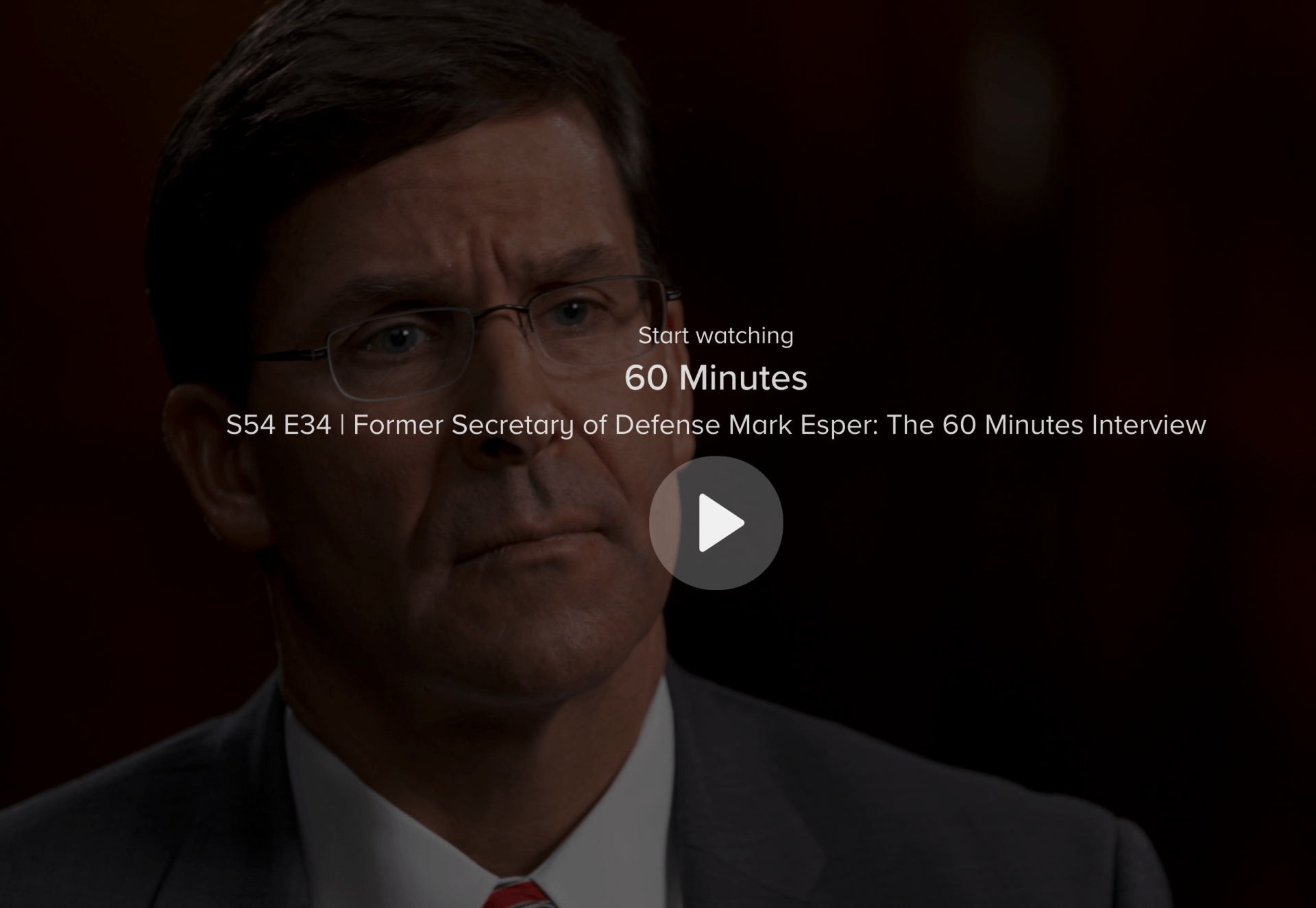
- CBSNews.com and the CBS News App: Publishes featured video segments, full text transcripts, and supplementary digital-only content under the "60 Minutes Overtime" banner shortly after the broadcast.
- Official 60 Minutes YouTube Channel: Hosts prominent interview clips, full segment extracts, and historical retrospectives. High-profile political and celebrity interviews are routinely uploaded within 24 to 48 hours of initial transmission.
- Audio Broadcasts and Podcasts: CBS Audio distributes 60 Minutes as an audio podcast on major platforms (Apple Podcasts, Spotify, Amazon Music), releasing the full audio track of each broadcast shortly after its television debut.
The Anatomy of a 60 Minutes Interview: Editorial Standards and Technique
Created by Don Hewitt in 1968, 60 Minutes pioneered a narrative format built around compelling personal interactions and detailed visual storytelling. Unlike standard daytime or late-night talk shows, a 60 Minutes interview is an intensive news reporting operation designed to reveal character, test accountability, and uncover facts.
- Deep Research & Discovery: Extensive pre-interviews & documentary review
- Multi-Angle Production: Multi-camera shooting (Interrogator & Subject)
- High-Stakes Interrogation: Unscripted questioning & persistent follow-ups
- Fact-Checking & Review: Legal oversight, verification, & rigorous edit
Thorough Pre-Interview Research
Before a correspondent sits down across from an interview subject, dedicated producers and associate producers spend weeks or months gathering documentation. They examine financial records, legal filings, public records, and previous media appearances. Producers often conduct informal pre-interviews with secondary sources and witnesses—and sometimes preliminary background chats with the primary subject—to construct an exhaustive questioning roadmap.
Distinctive Visual and Technical Setup
The technical signature of a 60 Minutes interview is designed to heighten intimacy and focus strictly on the truth:
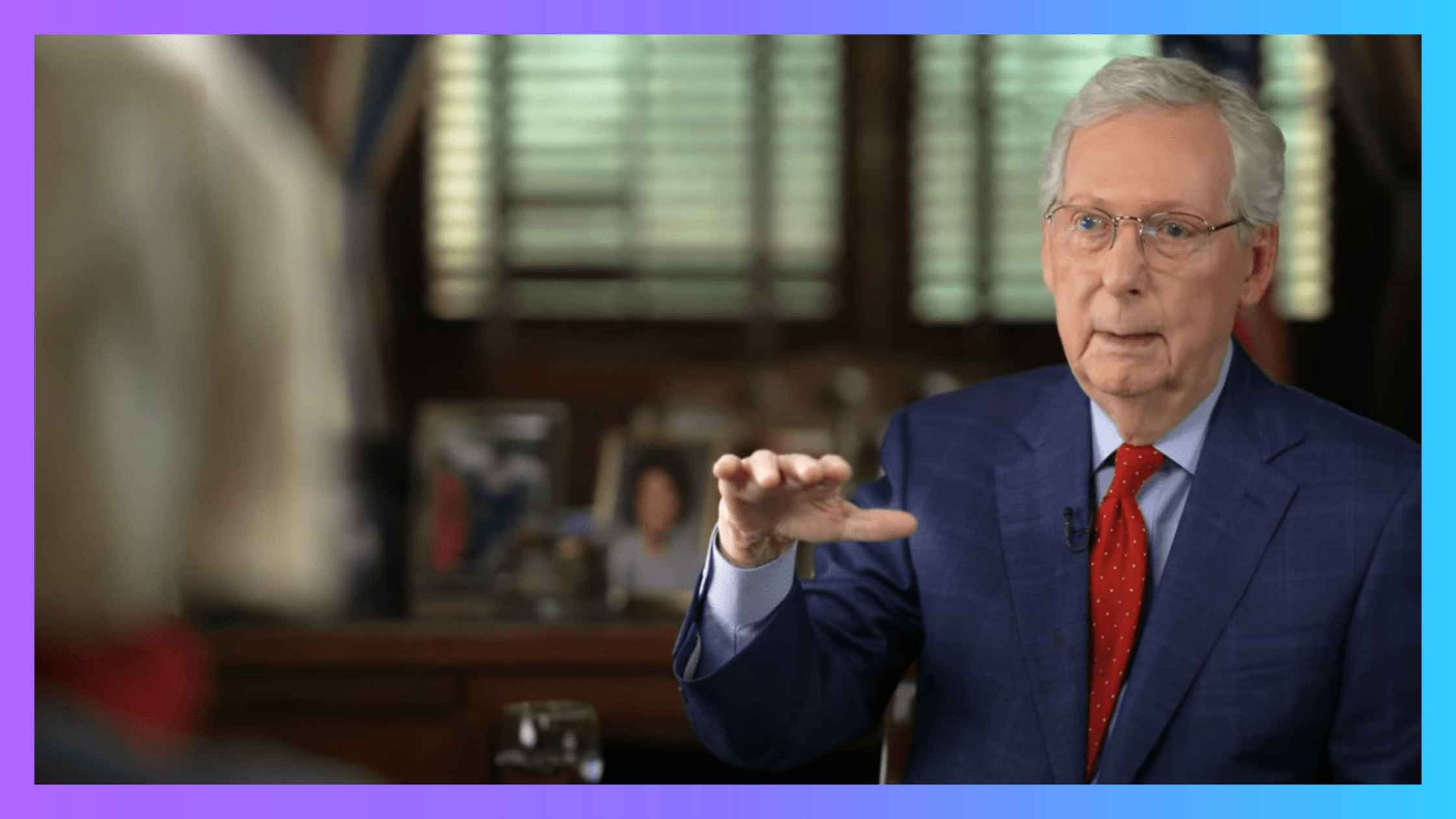
- Tight Lighting and Framing: Close-up lens framing captures subtle facial expressions, micro-hesitations, and shifts in composure when direct questions are posed.
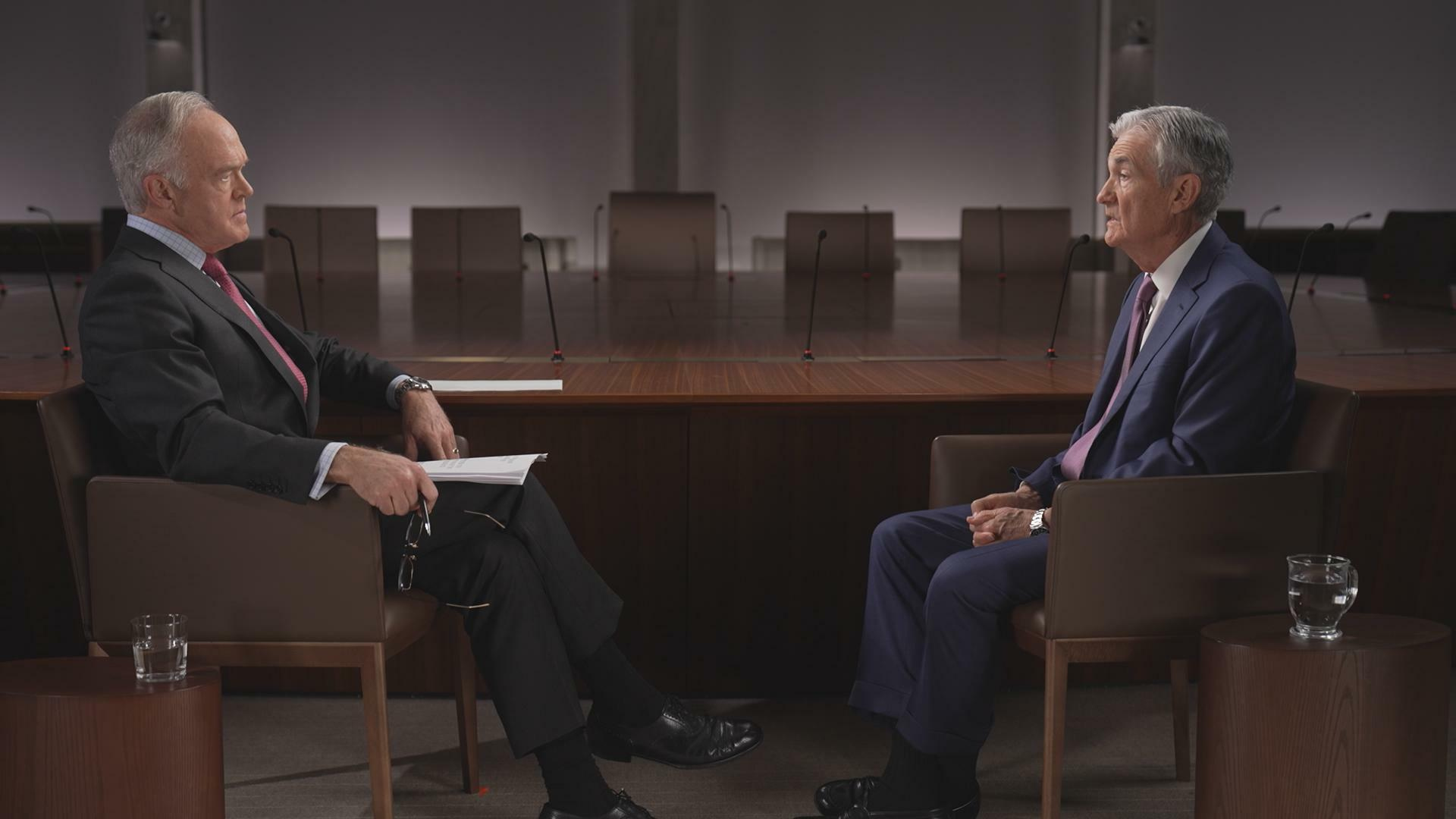
- Multi-Camera Coverage: Simultaneous cameras record the correspondent and the interview subject, preventing cutaway edits from masking authentic reactions.
- The Stopwatch Signature: The iconic ticking stopwatch signifies that time is finite and every second of airtime must deliver factual substance.
The Art of the Cross-Examination
Correspondents such as Mike Wallace, Lesley Stahl, Scott Pelley, Anderson Cooper, Sharyn Alfonsi, and Bill Whitaker established reputations for persistent, respectful, yet unrelenting questioning. The editorial philosophy rejects talking points. If an interview subject evades a direct question, the correspondent routinely repeats the question verbatim until an authentic answer—or a clear refusal to answer—is established on record.
Historic and Impactful 60 Minutes Interviews
Over more than five decades, 60 Minutes has produced interviews that altered public perception, influenced legal proceedings, and shaped historical memory. The table below highlights key interviews, the correspondents involved, and their broader societal impact.
| Interview Subject | Year | Correspondent | Central Focus & Significance | Media & Cultural Impact |
|---|---|---|---|---|
| Ayatollah Ruhollah Khomeini | 1979 | Mike Wallace | First Western TV interview during the Iran hostage crisis; challenged the Iranian leader directly. | Defined hard-hitting foreign policy broadcast journalism. |
| Bill & Hillary Clinton | 1992 | Steve Kroft | Addressed marital infidelity allegations during the 1992 Democratic primary campaign. | Crucial campaign moment credited with saving Clinton's primary candidacy. |
| Jeffrey Wigand | 1996 | Mike Wallace | Whistleblower exposé detailing Big Tobacco's knowledge of addictive chemical additives. | Prompted historic tobacco litigation settlements; later adapted into The Insider. |
| Barack Obama | 2008 | Steve Kroft | First post-election joint interview with President-elect Obama and Michelle Obama. | Set viewship records for political post-election coverage. |
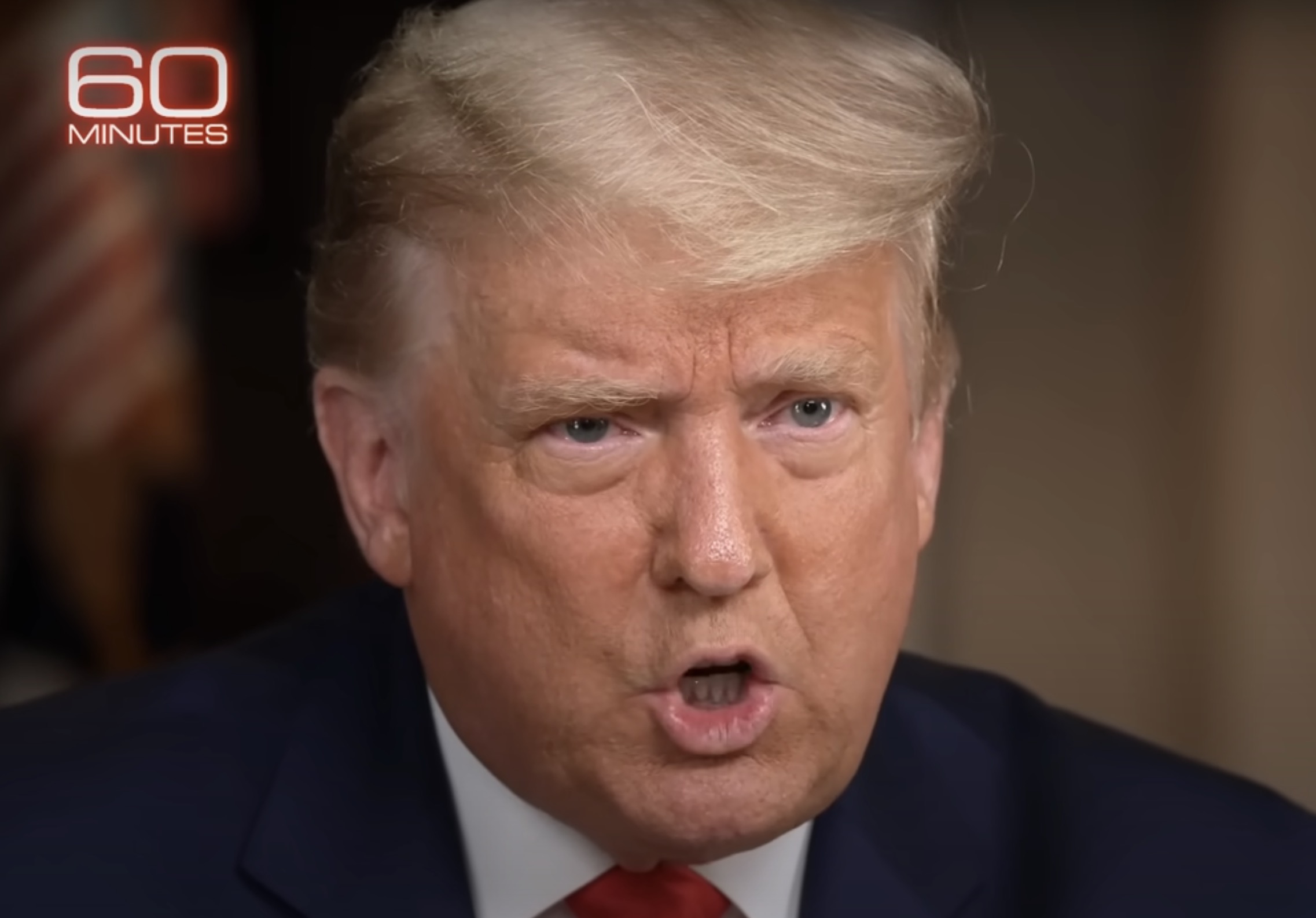
| Donald Trump | 2020 | Lesley Stahl | Contentious White House interview addressing pandemic response and administration policies. | Highlighted sharp tensions between political figures and non-partisan news outlets. |
| Prince Harry | 2023 | Anderson Cooper | Discussion regarding royal family dynamics, security concerns, and his memoir Spare. | Drove international media coverage and massive digital streaming audiences. |
Political Accountabilities and Whistleblowers
The legacy of 60 Minutes relies heavily on whistleblowers and corporate oversight. The 1996 interview with former tobacco executive Dr. Jeffrey Wigand exposed how tobacco companies manipulated nicotine levels. Despite initial legal challenges from CBS corporate lawyers regarding non-disclosure agreements, the eventual broadcast transformed public health policy and corporate accountability standards in the United States.
Similarly, interviews with sitting heads of state—including Richard Nixon, Jimmy Carter, Ronald Reagan, George W. Bush, Barack Obama, Donald Trump, and Joe Biden—demonstrate the broadcast’s role as an independent press institution demanding transparency from government leadership.
How High-Profile Subjects Prepare for a 60 Minutes Sit-Down
Appearing on 60 Minutes carries both significant public relations opportunity and profound professional risk. Media strategists and communications advisors often view an invitation to the program with extreme caution.
- INVITATION RECEIVED
- Intensive Mock Interrogations (Replicating correspondent style)
- Document & Fact Audit (Verifying all public records)
- Real-Time Interview Execution (Focus on direct, verifiable facts)
Media Training and Mock Interrogations
Public relations professionals conduct rigorous "mock interviews" replicating the aggressive questioning style of 60 Minutes correspondents. Subjects are coached on several core tactics:
- Eliminating Fluff: Avoiding verbose PR speak or corporate jargon, which editorially signals evasiveness and is routinely cut during post-production.
- Anchoring on Verifiable Facts: Ensuring every stat, quote, or claim can withstand rigorous post-interview fact-checking by CBS producers.
- Maintaining Emotional Control: Resisting frustration when correspondents ask uncomfortable or repetitive questions, as non-verbal reactions are captured clearly on camera.
Ground Rules, Off-the-Record Claims, and Legal Agreements
Ground rules for a 60 Minutes interview are straightforward. The broadcast rarely accepts conditional interviews where specific subjects or topics are declared off-limits.
While pre-interview background conversations with producers may happen off-the-record to help producers understand context, once the main cameras are rolling, everything said by the subject is on-the-record and subject to broadcast.
Archival Access, Transcripts, and Educational Research
For researchers, historians, legal professionals, and journalism students, accessing historical 60 Minutes interviews requires navigating specialized library databases and archival resources.
Obtaining Official Transcripts
- CBS News Digital Archives: Transcripts for recent broadcasts (typically from the late 2000s to the present) are often available directly on the CBS News 60 Minutes website free of charge.
- LexisNexis and NewsBank: Academic institutions and public libraries subscribe to news databases that archive full text transcripts of 60 Minutes broadcasts dating back several decades. Search operators can filter by correspondent, guest name, or broadcast date.
- Gale Academic OneFile: Contains indexed entries and transcripts for television news broadcasts, suitable for citations in academic research.
Paley Center for Media and the Library of Congress
Physical and digital preservation of older broadcasts—especially episodes from the 1960s through the 1990s—is maintained at major media institutions:
- The Paley Center for Media (New York City & Los Angeles): Holds extensive archives of complete 60 Minutes broadcasts available for public viewing on-site.
- The Library of Congress (National Screening Room): Preserves landmark television broadcasts deemed culturally, historically, or aesthetically significant.
Frequently Asked Questions
Where can I watch full 60 Minutes interviews online?
Full episodes of 60 Minutes can be streamed on-demand on Paramount+ or watched live with a Paramount+ with Showtime subscription. Individual video segments and clips are also available for free on CBSNews.com, the CBS News app, and the official 60 Minutes YouTube channel.
Are official transcripts of 60 Minutes interviews available for free?
Yes, written transcripts for most contemporary segments are published on CBSNews.com under the 60 Minutes section shortly after the original television broadcast. Older historical transcripts can be accessed through academic databases such as LexisNexis or ProQuest.
Who are the main correspondents conducting 60 Minutes interviews?
The correspondent roster features veteran journalists including Lesley Stahl, Scott Pelley, Anderson Cooper, Bill Whitaker, Sharyn Alfonsi, and Jon Wertheim, along with contributing correspondents invited for specialized investigations.
How does a 60 Minutes interview differ from standard news interviews?
60 Minutes interviews are distinguished by months of background reporting, multi-camera shooting techniques, persistent follow-up questioning, strict refusal to allow corporate PR conditions, and a rigorous post-production edit focused on narrative investigation.
Can an interview subject review or edit their 60 Minutes segment before it airs?
No. CBS News operates under strict editorial independence principles. Interview subjects are not permitted to review, edit, approve, or veto any portion of the interview footage or finished broadcast prior to transmission.
Accessing and Analyzing 60 Minutes Content Responsibly
When referencing or utilizing a 60 Minutes interview for journalistic, educational, or professional purposes, follow these clear verification steps:
- Cross-Reference Video with Transcripts: Always verify quotes using both the broadcast audio/video and the published CBS News transcript to ensure context and nuance are accurately captured.
- Review Overtime Material: Check "60 Minutes Overtime" on CBSNews.com for extra behind-the-scenes reporting details, extended interview clips, and explanations of producer methodology.
- Confirm Broadcast Dates and Edits: Note whether you are viewing the original full Sunday broadcast segment or an abbreviated digital summary, as broadcast versions contain the complete editorial edit approved by CBS News legal and executive producers.