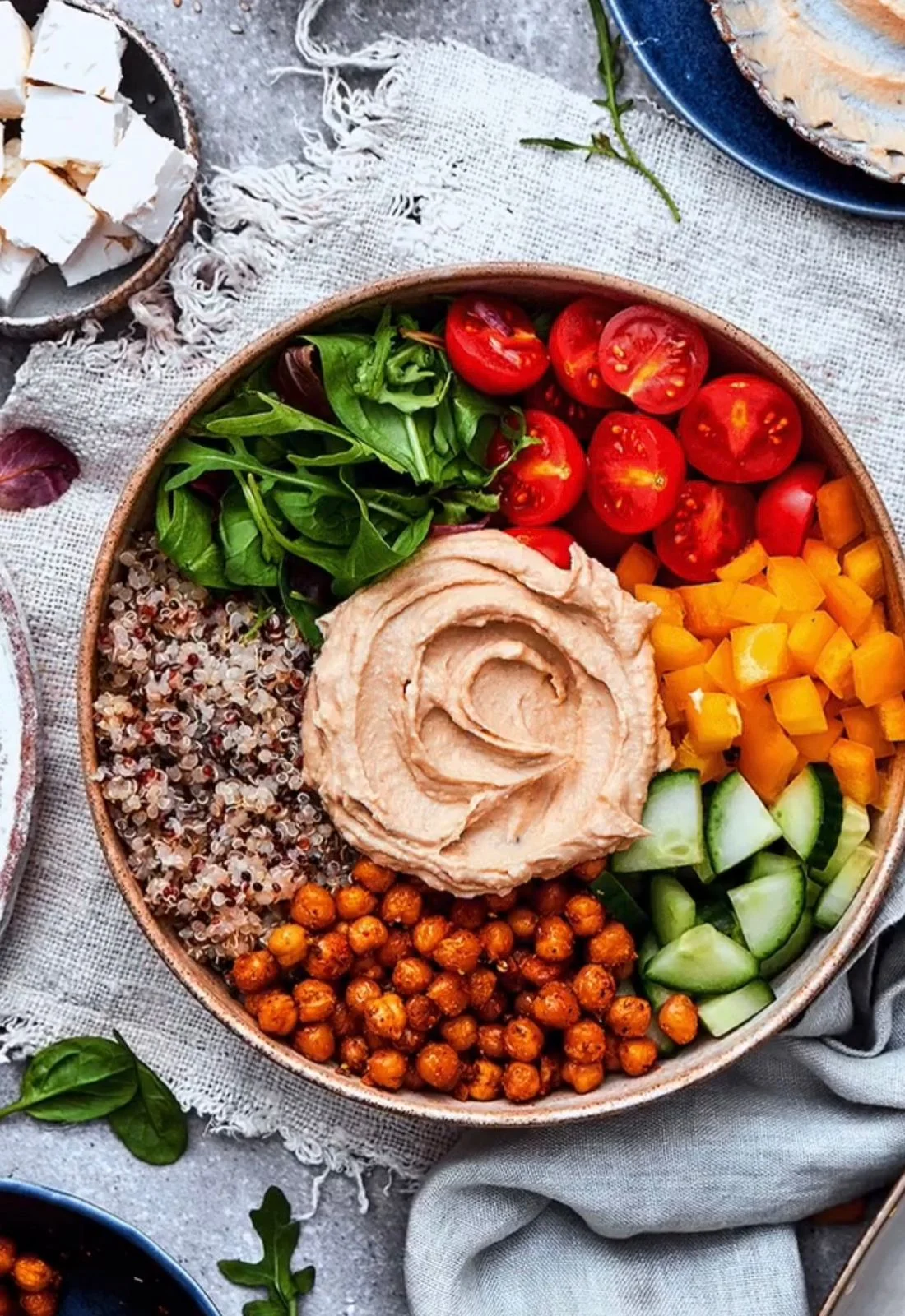
Enjoying a flavorful restaurant meal within a 500-calorie target requires strategic menu selection, focusing on lean protein sources, fiber-rich vegetables, and controlled sauce portions. Major fast-casual and casual dining chains offer satisfying options by replacing refined carbohydrates with leafy greens, requesting dressings on the side, and avoiding heavy pan-fried dishes or butter-laden sauces.
Why the 500-Calorie Threshold Works for Restaurant Dining
Maintaining a target of approximately 500 calories per restaurant meal aligns with standard nutritional guidelines for weight management and balanced energy intake. For an adult consuming a standard daily energy budget of 1,500 to 2,000 calories, allocating 500 calories to lunch or dinner leaves adequate room for a nutritious breakfast and intentional snacks throughout the day.
The primary challenge of restaurant dining is not finding low-calorie food, but finding food that is both low-calorie and satisfying. Restaurant culinary preparations frequently rely on saturated fats, finishing butters, and sugar-laden glazes to enhance flavor and shelf-life, which rapidly inflates total caloric density without increasing food volume.
Achieving high satiety on a restricted calorie budget depends heavily on two key physiological factors: protein leverage and dietary fiber volume. High-protein foods delay gastric emptying and trigger the release of satiety hormones like peptide YY (PYY) and glucagon-like peptide-1 (GLP-1). Meanwhile, dietary fiber from non-starchy vegetables adds physical volume to the stomach, stimulating stretch receptors that signal fullness to the brain.
| The 500-Calorie Macro Formula | Sources |
|---|---|
| Protein: 35-50g | Lean poultry, seafood, tofu, or sirloin |
| Carbs: 30-50g | Quinoa, brown rice, sweet potatoes, or beans |
| Fats: 10-18g | Olive oil dressings, avocado, or natural seed oil |
| Fiber: 8-12g | Leafy greens, cruciferous veggies, legumes |
When dining out, structuring a meal around 35 to 50 grams of lean protein, 8 to 12 grams of fiber, and controlled dietary fats keeps total energy under 500 calories while maintaining blood sugar stability and preventing energy crashes later in the day.
Top 500-Calorie Options at Major Fast-Casual Chains
Fast-casual restaurants offer customizable assembly-line menus, making them ideal for crafting precise, low-calorie meals tailored to specific macronutrient goals.
Chipotle Mexican Grill
Chipotle provides excellent transparency through its nutritional calculator. A optimized 500-calorie meal emphasizes lean protein and high-fiber vegetables while skipping high-density additions like sour cream, queso, and large flour tortillas.
- Custom Salad Bowl (Approx. 460 Calories / 42g Protein / 14g Fat / 41g Carbs):
- Base: Supergreens lettuce mix
- Protein: Double Chicken or Steak
- Fajita Veggies (sautéed bell peppers and onions)
- Pinto Beans (half scoop)
- Fresh Tomato Salsa and Tomatillo Green-Chili Salsa
- Skip: Rice, cheese, sour cream, chips, and vinaigrette.
CAVA
CAVA specializes in Mediterranean-inspired fast-casual dining, featuring high-quality olive oils, roasted vegetables, and lean grilled proteins.
- Greens & Grains Bowl (Approx. 475 Calories / 38g Protein / 16g Fat / 45g Carbs):
- Base: Splithalf SuperGreens and Brown Rice
- Protein: Grilled Chicken or Harissa Honey Chicken
- Dips: Crazy Feta or Tzatziki (1 scoop max)
- Toppings: Tomato & Cucumber Salad, Pickled Onions, Salted Cucumbers
- Dressing: Greek Vinaigrette (light drizzle or on the side)
Sweetgreen
Sweetgreen offers plant-forward bowls with transparent sourcing. Ordering smartly requires choosing low-calorie bases and lighter dressings.
- Modified Guacamole Greens or Crisp Kitchen Bowl (Approx. 480 Calories / 34g Protein / 22g Fat / 38g Carbs):
- Base: Chopped romaine and warm quinoa
- Protein: Roasted chicken or roasted tofu
- Add-ins: Tomatoes, cucumbers, raw carrots, cabbage
- Fat Source: Diced avocado (1/4 portion) or parmesan crisps
- Dressing: Lime cilantro jalapeño vinaigrette (served on the side, use half)
500-Calorie Picks at Sit-Down & Casual Dining Restaurants
Sit-down restaurants present larger baseline portion sizes, requiring active requests for modifications and precise menu selection.
| Casual Dining Modification Checklist |
|---|
| [ ] Request all salad dressings, glazes, and sauces ON THE SIDE. |
| [ ] Swap French fries or mashed potatoes for steamed broccoli or asparagus. |
| [ ] Ask for proteins to be prepared "dry" or grilled with minimal oil. |
| [ ] Decline complimentary bread baskets, chips, or chips and salsa. |
The Cheesecake Factory
While famous for oversized portions, The Cheesecake Factory features an extensive "SkinnyLicious" menu with dishes specifically engineered under 590 calories, easily tailored to the 500-calorie threshold.
- SkinnyLicious Asian Chicken Salad (Approx. 480 Calories / 35g Protein): Features grilled chicken breast, romaine, snow peas, carrots, sesame seeds, and a light cilantro-peanut vinaigrette served on the side.
- SkinnyLicious Grilled Salmon (Approx. 540 Calories / 45g Protein): Served with fresh asparagus and a light tomato-basil salad. Ask to trim the cooking oil slightly to reduce the dish to roughly 480 calories.
Texas Roadhouse
Steakhouses offer some of the easiest high-protein, low-carbohydrate meals if you stick to lean cuts of meat and non-starchy sides.
- 6 oz. Sirloin Meal (Approx. 440 Calories / 46g Protein / 14g Fat / 28g Carbs):
- Main: 6 oz. USDA Choice Lean Sirloin (grilled without extra butter coating)
- Side 1: Steamed Broccoli (no garlic butter sauce)
- Side 2: House Salad with oil & vinegar on the side (use 1 tablespoon) or Seasoned Rice
Panda Express
Panda Express makes identifying low-calorie choices straightforward with its "WokSmart" designation, which signals dishes containing under 300 calories and at least 8 grams of protein per serving.
- WokSmart Plate Combination (Approx. 420 Calories / 36g Protein / 14g Fat / 44g Carbs):
- Side: Super Greens (cabbage, kale, and broccoli mix – 90 calories)
- Entrée 1: Grilled Teriyaki Chicken (without sauce topping – 300 calories)
- Entrée 2: Black Pepper Chicken or Broccoli Beef (150–180 calories)
Comparative Matrix of 500-Calorie Restaurant Meals
The table below outlines balanced menu choices across popular nationwide chains. All macronutrient estimates reflect standardized published nutrition disclosures under standard preparation or common modifications.
| Restaurant Chain | Menu Item & Customization | Approx. Calories | Protein (g) | Carbohydrates (g) | Fat (g) | Key Ordering Modification |
|---|---|---|---|---|---|---|
| Chipotle | Chicken Salad Bowl with Fajita Veggies, Pinto Beans, and Green Salsa | 440 | 42 | 40 | 13 | Omit sour cream, cheese, rice, and dressing. |
| Panda Express | Grilled Teriyaki Chicken + Broccoli Beef over Super Greens | 470 | 44 | 32 | 18 | Request teriyaki sauce on the side; skip fried rice. |
| Chick-fil-A | 12-ct Grilled Nuggets + Kale Crunch Side Salad + Fruit Cup | 410 | 40 | 28 | 15 | Choose grilled options over breaded; limit high-calorie dipping sauces. |
| Texas Roadhouse | 6 oz. Sirloin Steak with Steamed Broccoli and Fresh Green Beans | 420 | 48 | 18 | 16 | Request steak prepared without garlic finishing butter. |
| CAVA | Harissa Avocado Bowl (Modified with Greens, Chicken, Tzatziki) | 480 | 38 | 42 | 17 | Use tzatziki instead of mayonnaise-based dressings. |
| Panera Bread | Half Strawberry Poppyseed Salad with Chicken + Ten Vegetable Soup | 380 | 28 | 44 | 12 | Pair a broth-based soup with a fruit-and-protein salad. |
| The Cheesecake Factory | SkinnyLicious Tuscan Chicken | 490 | 45 | 28 | 16 | Entrée comes pre-portioned under standard calorie targets. |
| Starbucks | Spinach, Feta & Egg White Wrap + Rolled Oatmeal (Plain) | 450 | 25 | 53 | 14 | Skip added sugar or dried fruit packets in the oatmeal. |
Identifying and Avoiding Hidden Calorie Traps
A primary obstacle when eating out is calorie inflation from hidden fats and added sugars. Dishes that sound healthy on the surface can easily exceed 1,000 calories due to preparation techniques and heavy garnishes.
High-Calorie Salad Dressings and Sauces
Salad is often assumed to be a light option, but commercial dressings can add hundreds of uncounted calories. Standard creamy dressings (such as ranch, blue cheese, caesar, or thousand island) contain roughly 140 to 200 calories per two-tablespoon serving, and restaurants frequently serve three to four times that amount.
Even vinaigrettes often use high ratios of oil to vinegar, along with added sugars or honey. Always request dressings and sauces on the side. Dip your fork into the dressing before picking up a bite of food to enjoy the flavor while using less than a third of the serving.
- DRESSING CALORIE DENSITY (PER 2 TBSP SERVING):
- Light Vinaigrette / Lemon Juice: ~40-60 kcal
- House Italian / Balsamic: ~100-120 kcal
- Creamy Ranch / Caesar / Honey Mustard: ~150-200+ kcal
Cooking Oils and Butter Glazes
Commercial kitchens frequently brush meats with butter before serving and cook vegetables in generous amounts of vegetable oil. A single extra tablespoon of butter or cooking oil adds approximately 100 to 120 calories of pure fat to a meal.
When ordering grilled chicken, fish, or steaks, ask the server to have your protein prepared "dry" or "grilled with minimal oil." For side dishes, request steamed vegetables without butter.
Misleading Menu Descriptors
Understanding restaurant menu terminology helps you spot hidden calorie sources before ordering:
- High-Calorie Terms to Avoid: Crispy, battered, breaded, panko-crusted, glazed, smothered, creamy, Alfredo, au gratin, melted, tossed in butter, tempura.
- Low-Calorie Terms to Choose: Grilled, blackened, roasted, steamed, broiled, charred, seared, poached, baked, garden-fresh.
Practical Customization Strategies for Any Restaurant
If you are dining at a non-chain restaurant without published nutrition facts, follow this simple framework to keep any meal under 500 calories:
THE 4-STEP PLATE BUILDING SYSTEM
- STEP 1: Anchor the Meal with Protein
- Select 6-8 oz of grilled chicken, sirloin, shrimp, cod, or tofu
- STEP 2: Double the Non-Starchy Vegetables
- Request a double portion of steamed or roasted greens
- STEP 3: Control Complex Carbohydrates
- Limit rice, potato, or quinoa to a 1/2-cup portion (~100-150 kcal)
- STEP 4: Isolate Added Fats
- Keep dressings, butter, and sauces strictly on the side
1. Prioritize Lean Protein First
Select a protein source that is naturally low in fat. Excellent options include:
- Skinless chicken breast or turkey tenderloin
- White fish (cod, halibut, mahi-mahi, sea bass)
- Shellfish (shrimp, crab, scallops)
- Lean beef cuts (sirloin, filet mignon, flank steak)
- Tofu or edamame for plant-based diets
Ensure the protein serving size is about the size of your palm (roughly 5 to 7 ounces cooked), providing 35 to 45 grams of protein for 200 to 280 calories.
2. Swap Starchy Sides for Double Vegetables
Standard meals often come with high-calorie side dishes like french fries, loaded baked potatoes, mac and cheese, or heavy pasta. Replace these items with non-starchy vegetables such as:
- Steamed broccoli, cauliflower, or green beans
- Grilled asparagus or zucchini
- Side salads with light vinegar-based dressings
Swapping a side of french fries (400–500 calories) for steamed broccoli (45–60 calories) immediately creates a substantial calorie buffer while increasing fiber intake.
3. Handle Beverages and Appetizers Wisely
Liquid calories add up quickly without contributing to fullness. Sweetened iced teas, specialty sodas, margaritas, and craft beers range from 150 to over 500 calories per glass.
Stick to zero-calorie beverages such as water, sparkling water with fresh lemon or lime wedges, unsweetened iced tea, or black coffee. Additionally, skip pre-meal bread baskets and tortilla chips, which can easily add 300 to 600 uncounted calories before your main meal arrives.
Frequently Asked Questions
How accurate are published restaurant calorie counts?
Under the regulatory framework enforced by the U.S. Food and Drug Administration (FDA) Menu Labeling Requirements, chain restaurants with 20 or more locations must provide written calorie disclosures for standard menu items.
However, natural variations in ingredient portioning, kitchen assembly, and cooking oil application can introduce an error margin of 10% to 20%. To account for potential variance, select options that fall slightly below your hard calorie cap (e.g., aiming for 450 calories if your target is 500).
Can you build muscle or lose weight on a 500-calorie restaurant meal?
Yes. Weight loss depends on maintaining a consistent daily energy deficit, while muscle retention and growth require adequate protein intake and resistance training. A 500-calorie restaurant meal centered around 35 to 50 grams of lean protein provides the essential amino acids needed to stimulate muscle protein synthesis while keeping total daily intake within a weight-loss or maintenance range.
What is the best strategy if a restaurant does not publish nutritional information?
When dining at independent or fine-dining establishments that do not publish nutrition facts, use a simple visual portion guide:
- Protein: One palm-sized portion of lean, grilled, roasted, or broiled protein (~200–250 kcal).
- Vegetables: Two fist-sized portions of non-starchy greens or roasted vegetables (~50–100 kcal).
- Carbohydrates: One cupped-hand portion of complex carbs like potatoes, beans, or rice (~100–150 kcal).
- Fats: One thumb-sized portion of added fats like oil, butter, or cheese (~50–80 kcal).
Always ask your server to request that the kitchen prepare your meal with minimal oil or butter.
How do high sodium levels in restaurant meals affect weight loss?
Restaurant meals are often high in sodium to enhance flavor and preserve ingredients, with many single dishes exceeding 1,500 mg of sodium—close to the American Heart Association's recommended daily intake.
While sodium does not contain calories or add body fat, high intake causes temporary water retention, which can cause scale weight to fluctuate upward for 24 to 48 hours after dining out. Drinking plenty of water during and after your meal helps flush out excess sodium and minimize fluid retention.
Are 500-calorie restaurant meals sufficiently filling?
Yes, provided the meal is built around high-volume, nutrient-dense ingredients. A 500-calorie meal consisting of fried foods or sugary glazes will be small in physical volume and leave you hungry shortly after eating.
In contrast, a 500-calorie meal composed of 40 grams of lean protein, high-fiber greens, complex carbohydrates, and water-rich vegetables creates substantial physical volume in the stomach, promoting long-lasting satiety.
Action Plan for Healthy Restaurant Dining
To eat well at restaurants while staying within your calorie goals, keep these key habits in mind:
- Review the Menu in Advance: Check the restaurant's nutritional guide online before arriving so you can choose your meal calmly without impulse ordering.
- Order First at the Table: Placing your order first helps you stick to your target meal choice without being influenced by others' selections.
- Customize Directives Clearly: Politely ask for sauces and dressings on the side, request dry-grilled preparation for lean proteins, and swap starchy sides for steamed greens.
- Drink Water Before the Meal: Drinking 16 ounces of water before your food arrives aids digestion and helps moderate appetite.
- Pack Excess Food Early: If a portion exceeds your target, ask for a to-go container right away and set half the meal aside before you begin eating.