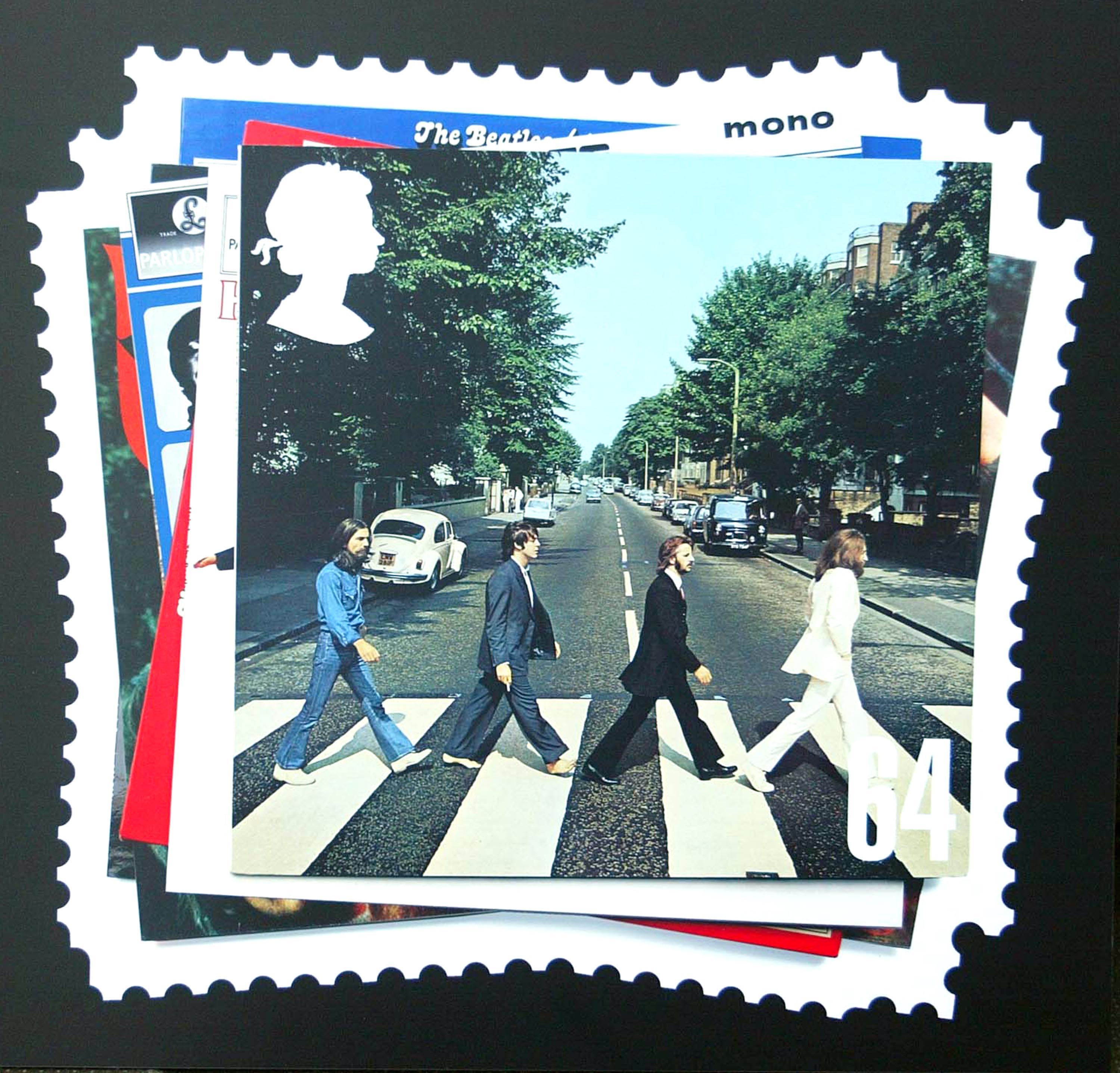
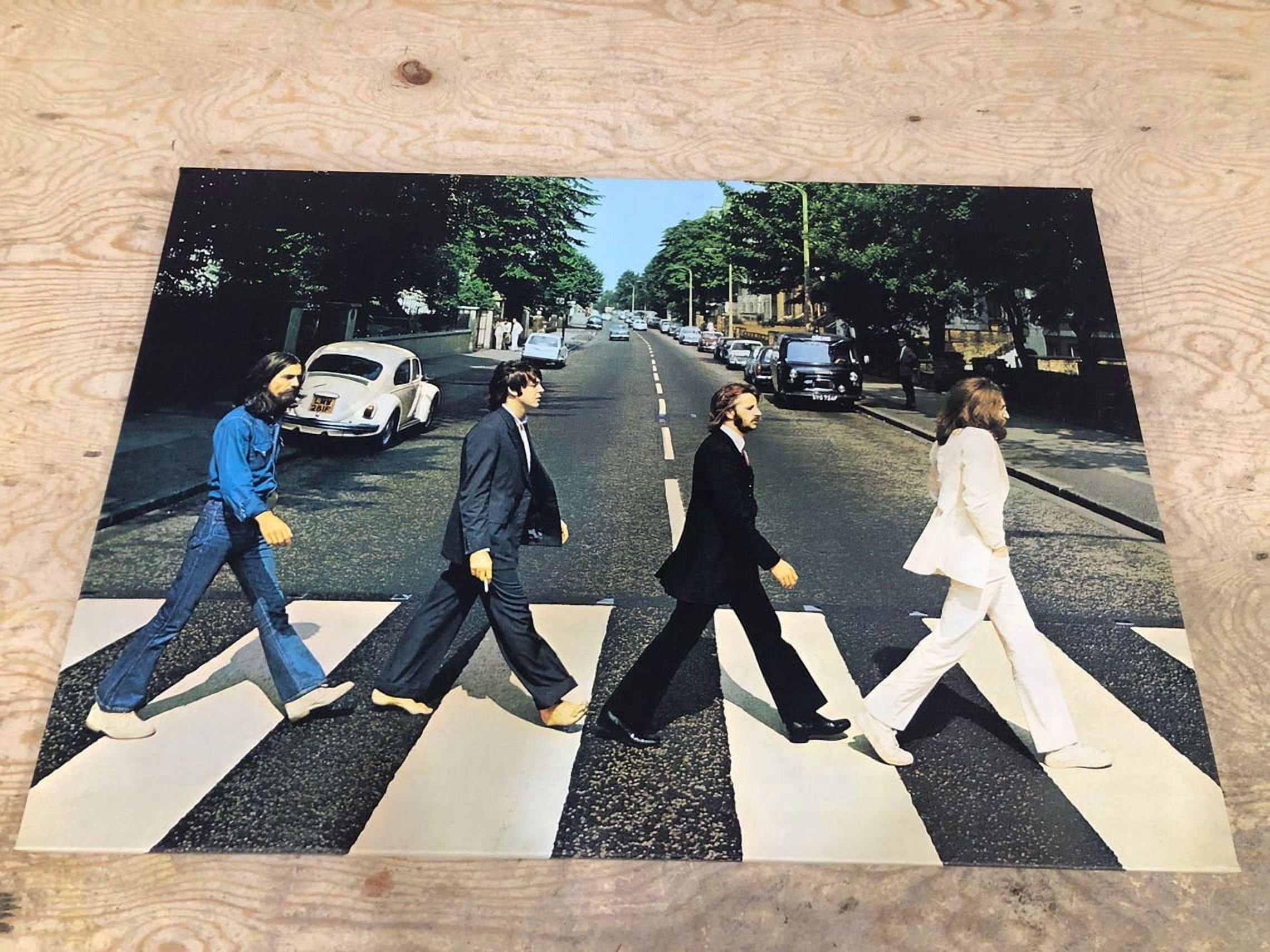
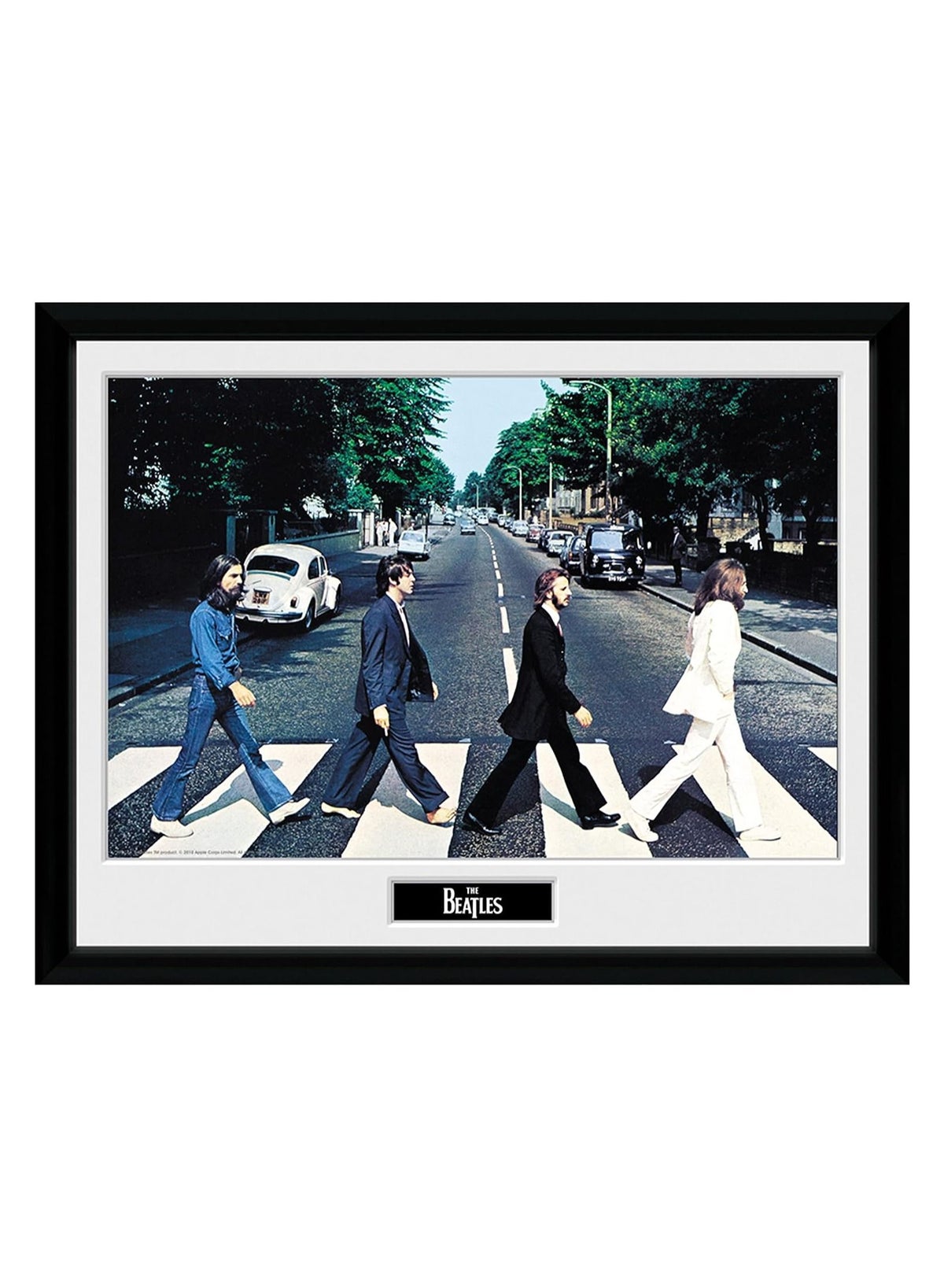
On August 8, 1969, photographer Iain Macmillan balanced on a stepladder in St John's Wood, London, to capture four men walking across a zebra crossing. That ten-minute photo shoot yielded the cover of Abbey Road, the Beatles’ penultimate studio album. Fifty years after its 2019 half-century milestone, the image remains the most famous photograph in popular music history, symbolizing the creative peak and imminent closure of the 1960s counterculture.
The Story Behind the August 8, 1969 Photo Shoot
The creation of the Abbey Road cover was a solution born of necessity and time constraints. In mid-1969, the Beatles were completing what would be their final collaborative recording sessions at EMI Studios. The album was tentatively titled Everest, named after the brand of cigarettes smoked by sound engineer Geoff Emerick. Initial concepts included flying the band to the Himalayas for a dramatic cover photograph. However, as relations within the group grew strained and production deadlines loomed, the band opted for a far simpler solution proposed by Paul McCartney: take the photograph directly outside the recording studio on Abbey Road.
Freelance photographer Iain Macmillan, a close friend of John Lennon and Yoko Ono, was hired for the assignment. On Friday, August 8, 1969, at approximately 11:35 AM, Macmillan stood on a six-foot stepladder in the middle of the street. A local police officer stopped traffic for roughly ten minutes while the band walked back and forth across the pedestrian crossing.
Macmillan took just six frames using a Hasselblad medium-format camera equipped with a 50mm wide-angle lens. The lighting was natural mid-day sun, creating high-contrast shadows on the tarmac. Between trips across the street, the band retreated to the steps of EMI Studios to wait. McCartney reviewed the transparencies with a magnifying glass shortly after the shoot, ultimately selecting Frame Five for the final album sleeve.
Shoot Details at a Glance: - Date: Friday, August 8, 1969 (11:35 AM) - Photographer: Iain Macmillan - Location: Zebra crossing outside EMI Studios, Abbey Road, London NW8 - Equipment: Hasselblad 500C with 50mm f/4 Distagon lens - Total Frames Shot: 6 - Traffic Control: 10-minute hold by local metropolitan police
Analyzing the Six Frames: How Frame Five Became History
Understanding why Frame Five was selected requires examining the subtle differences captured across the six exposures. Macmillan’s contact sheet documents a brief progression of movement, posture, and spatial alignment:
- Frame One: John Lennon leads Ringo Starr, Paul McCartney, and George Harrison from left to right. Their spacing is uneven, and several members are looking away from the camera.
- Frame Two: The group walks back from right to left. Traffic had begun to back up, creating visual clutter in the background.
- Frame Three: Walking left to right again. The band members appear somewhat rigid, and their stride timing is mismatched.
- Frame Four: Walking right to left. McCartney is seen wearing sandals, but the alignment lacks symmetry.
- Frame Five: The chosen shot. The four Beatles walk from left to right with near-perfect spatial symmetry. Lennon leads in a white suit, Starr follows in black, McCartney walks barefoot holding a cigarette, and Harrison brings up the rear in blue denim. Their legs form an inverted "V" shape in unison.
- Frame Six: The final pass from right to left. A van in the background obscures part of the sightline, and the stride pattern falls out of synchronization.
Frame Five was selected because it conveyed effortless poise and momentum. It was also the only frame where McCartney is holding a cigarette between his right fingers (despite being left-handed) and walking barefoot. The image was used without the band’s name or the album title on the front cover—an unprecedented move by EMI at the time, engineered by graphic designer Kosh (John Kosh), who argued that the Beatles were the most famous people in the world and required no typographical identification.
Cultural Impact, Symbolism, and the "Paul Is Dead" Urban Legend
Upon the album's release on September 26, 1969, the cover art instantly became a focal point for fan analysis, music commentary, and cultural obsession. The absence of text invited viewers to study every detail of the composition, giving rise to one of rock music's most famous urban legends: the "Paul is Dead" conspiracy theory.
Proponents of the theory claimed that the photograph contained coded clues representing a funeral procession:
- The Funeral Roles: John Lennon, dressed in white, represented the preacher or deity; Ringo Starr, in formal black, represented the mourner; Paul McCartney, barefoot with closed eyes and out of step, represented the corpse; and George Harrison, in workaday denim, represented the gravedigger.
- Barefoot McCartney: Walking barefoot in Western traditions was sometimes associated with burial customs. Furthermore, McCartney was out of step with the other three members.
- The Volkswagen Beetle: Parked on the left side of the street was a white Volkswagen Beetle with the license plate LMW 281F. Theorists read this as "28IF"—suggesting McCartney would have been 28 if he had lived (though he was actually 27 at the time of the photo shoot).
- The Police Van: Parked on the right side of the street was a black police van, interpreted as a nod to law enforcement keeping quiet about the alleged secret.
While McCartney and the band repeatedly debunked these interpretations—explaining that he kicked off his tight sandals simply because it was a hot London day—the rumors drove millions of fans to scrutinize the sleeve, embedding the image permanently in global pop culture consciousness.
Technical and Historical Breakdown of the Abbey Road Cover
To understand the enduring artistic weight of the image, it helps to examine its technical execution alongside its historical elements.
| Component | Historical Record / Fact | Cultural & Visual Significance |
|---|---|---|
| Location | Zebra crossing outside 3 Abbey Road, St John's Wood, London NW8 | Designated Grade II listed heritage status by English Heritage in 2010. |
| Photographer | Iain Macmillan (1938–2006) | Shot on a Hasselblad 500C; received £300 for the assignment. |
| John Lennon's Attire | Two-piece white suit designed by Tommy Nutter | Represented the shift toward minimalist, tailored late-60s fashion. |
| Ringo Starr's Attire | Black suit designed by Tommy Nutter | Provided dark tonal contrast between Lennon and McCartney. |
| Paul McCartney's Attire | Dark blue suit, barefoot, holding a cigarette | Barefoot detail sparked global conspiracy theories; cigarette later airbrushed in some promotional posters. |
| George Harrison's Attire | Custom blue denim shirt and trousers | Reflected Harrison's preference for utilitarian, casual working clothes. |
| Background Vehicle | 1968 Lotus White Volkswagen Beetle (LMW 281F) | Owned by a resident; license plate repeatedly stolen; car sold at auction in 1999 for £2,500. |
The 50th Anniversary Milestone and Modern Heritage Status
In August 2019, the Abbey Road photograph celebrated its 50th anniversary. Thousands of fans gathered at the St John's Wood crossing on August 8, 2019, at 11:35 AM to recreate the moment, temporarily blocking local traffic just as the band had five decades prior. The anniversary was accompanied by a major reissue of the album featuring a new stereo mix by producer Giles Martin, son of original Beatles producer Sir George Martin. The reissue returned Abbey Road to the top of the UK Official Albums Chart 50 years after its original release, setting a Guinness World Record for the longest gap between an album topping the charts.
The physical site of the photo shoot has retained high cultural standing:
- Grade II Listing: In December 2010, the UK government granted the Abbey Road zebra crossing Grade II listed status on the advice of English Heritage, recognizing its international cultural significance. It was the first pedestrian crossing in the world to receive legal heritage protection.
- Abbey Road Studios: Formerly EMI Studios, the facility officially renamed itself Abbey Road Studios in 1970 to honor the album and its cover photograph.
- 24-Hour Live Stream: Abbey Road Studios maintains a continuous public webcam focused on the crossing, allowing fans worldwide to watch visitors recreate the walk daily.
Visiting the Abbey Road Crossing Today: Practical Guidance
For travelers and music history enthusiasts visiting London, experiencing the Abbey Road zebra crossing requires navigating a functioning, busy urban street.
Visitor Essentials: 1. Nearest Underground Station: St. John's Wood (Jubilee Line) — 5-minute walk. (Note: Do NOT take the tube to Abbey Road DLR station in East London.) 2. Best Time to Visit: Early morning on weekdays (7:00 AM – 8:30 AM) to minimize traffic interference. 3. Safety Caution: Abbey Road is an active residential thoroughfare; drivers do not always yield to tourist photography. 4. Studio Access: Abbey Road Studios itself is a working facility and generally closed to the public, but the outdoor graffiti wall and gift shop are open daily.
Navigating the Location Responsibly
Because Abbey Road remains a primary commuter artery through St John's Wood, visitors should follow several basic safety precautions:
- Do not impede traffic: Local drivers and commuters frequently deal with foot traffic on the crossing. Avoid standing in the roadway for extended framing.
- Watch for oncoming vehicles: The zebra crossing gives pedestrians right-of-way under UK law once they step onto the stripes, but approaching drivers may not stop quickly if vision is obscured by photographers.
- Respect private property: The surrounding neighborhood consists of private residential residences and operational studio space. Keep noise levels reasonable, especially during morning hours.
Frequently Asked Questions
Why is Paul McCartney barefoot in the Abbey Road photo?
McCartney walked barefoot across the street because it was a hot day (August 8, 1969) and his sandals were tight. He wore sandals to the shoot, took them off for several frames, and chose Frame Five—where he was barefoot—because of its composition, not due to any hidden symbolism.
Who took the Abbey Road album cover photograph?
The photograph was taken by Scottish photographer Iain Macmillan. He was a freelance photographer and friend of John Lennon and Yoko Ono who was given a 10-minute window to shoot the four band members while standing on a stepladder in the middle of Abbey Road.
Which frame was used for the official Abbey Road front cover?
Frame Five was selected for the official album sleeve. Out of the six exposures taken by Iain Macmillan, Frame Five was the only shot where all four members were walking in step with consistent spacing and clear posture.
Is the Abbey Road crossing in the exact same physical location today?
The zebra crossing was shifted several meters down the road in the 1970s for traffic management reasons, meaning the modern crossing is slightly positioned off from the exact spot where the 1969 photograph was taken. However, English Heritage protected the current location under Grade II listed status due to its cultural importance.
Why does the album cover have no text or band name on the front?
Graphic designer Kosh decided to omit the Beatles' name and album title from the front cover because the band was the most famous musical group in the world. He argued that adding text was unnecessary and that the striking visual alone would sell the record.
Experiencing the Legacy of Abbey Road
To truly appreciate the historic weight of the Abbey Road photo, fans should examine both the physical location and the landmark music recorded behind the studio doors. Listening to the 2019 50th Anniversary stereo mixes—crafted directly from the original eight-track session tapes—provides a clear sonic companion to Iain Macmillan's visual documentation. Whether visiting St John's Wood in person or listening to the master recordings, approaching the artwork through its factual history reveals how ten minutes on a sunny London street captured the end of an era and built an enduring monument in modern culture.