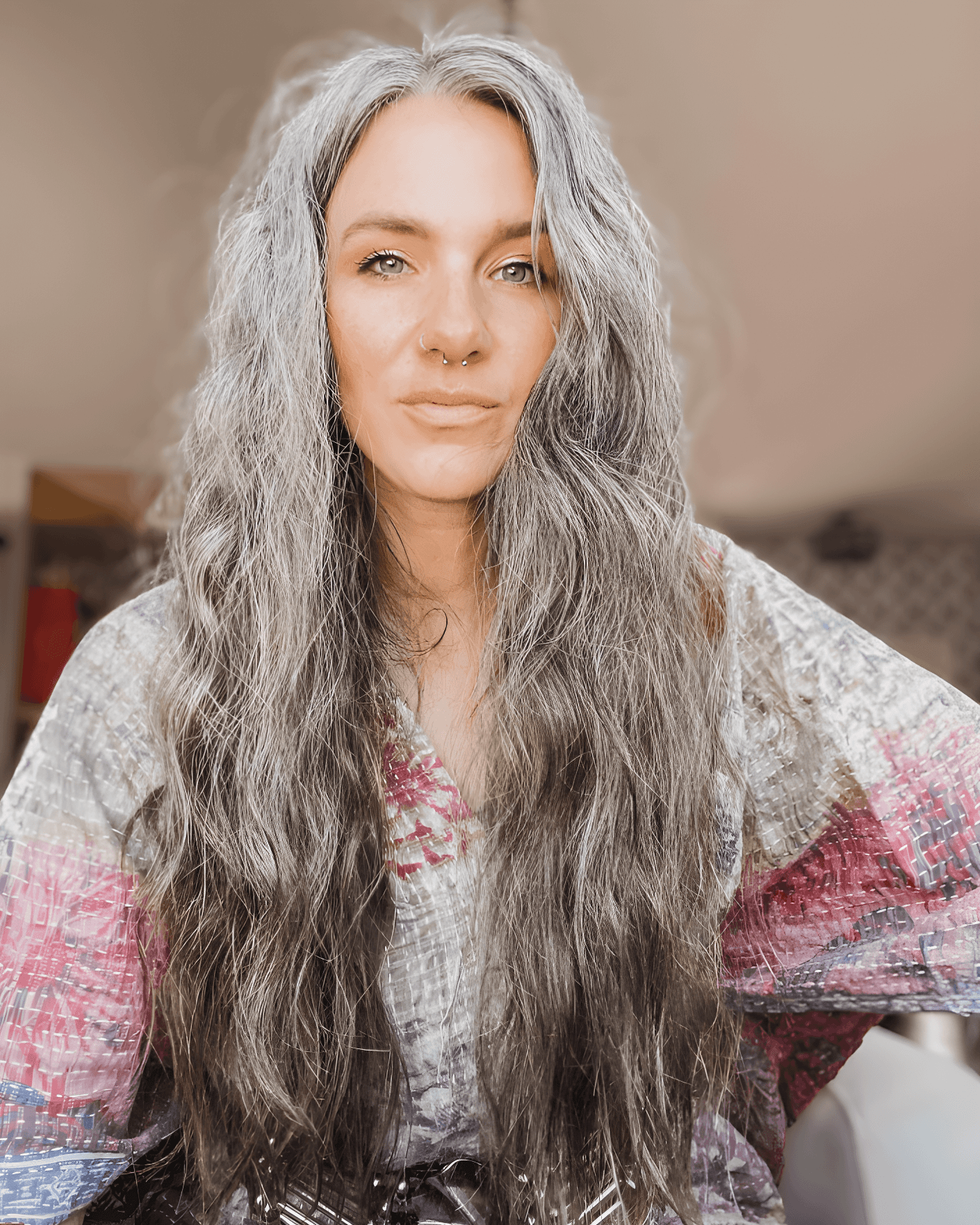
Rocking natural silver hair requires managing structural shifts in the hair shaft, selecting custom tone-correcting routines, and choosing a transition strategy that matches your lifestyle. Because gray hair lacks melanin pigment and produces less natural sebum, maintaining brilliant, vibrant silver strands relies on targeted moisture, thermal protection, and UV shielding to prevent brassiness and brittleness.
Understanding the Science of Graying: Melanin, Porosity, and Texture Shifts
Graying is a natural biological process driven by the gradual exhaustion of follicular melanocytes—the specialized cells responsible for producing eumelanin (brown/black pigment) and pheomelanin (red/yellow pigment). As melanocyte stem cells deplete within the hair bulb, newly grown hair strands emerge devoid of pigment, appearing white, silver, or charcoal depending on the surrounding pigmented strands and light reflection.
The loss of melanin is accompanied by structural alterations in the hair fiber:
- Reduced Sebum Distribution: As follicles age, sebaceous glands produce less natural oil. Without adequate sebum coating the hair cuticle, silver strands often feel drier, rougher, or wiry compared to their pigmented predecessors.
- Altered Cuticle Layering: Gray hair strands frequently exhibit a thicker, tighter, or more irregular cuticle layer. This structural change makes the hair resistant to moisture absorption while simultaneously leaving it prone to rapid moisture loss once hydrated—a state known as high porosity or irregular absorption.
- Increased Sensitivity to Oxidation: Melanin acts as a natural shield against ultraviolet (UV) radiation and environmental stressors. Without melanin, silver hair is susceptible to photo-oxidation, where UV light degrades the amino acids in keratin (specifically tryptophan and tyrosine), resulting in a dull, yellowish tinge.
Understanding these biological changes allows you to adjust your hair care regimen to protect both the texture and color of your silver hair.
Strategic Pathways for Transitioning to Natural Silver Hair
Deciding to embrace your silver hair involves selecting a transition pathway aligned with your haircut preferences, color history, and tolerance for root demarcation lines.
- Choose Your Transition Path
- Direct Pathways
- Cold Turkey Chop (Fastest, zero dye)
- Full Salon Decolorization (Single session, higher risk)
- Blended Pathways
- Babylights & Highlights (Gradual softening)
- Transitional Glosses (Low contrast, gentle)
- Direct Pathways
1. The Cold Turkey Chop
The fastest method involves letting your natural roots grow out 2 to 3 inches before cutting away the previously colored ends into a short pixie cut or buzz cut.
- Pros: Eliminates long-term chemical processing, saves money on salon visits, and removes damaged ends immediately.
- Cons: Demands a dramatic change in style length and requires living with a sharp line of demarcation during the initial growth months.
2. Lowlights, Babylights, and Gray Blending
A colorist uses woven highlights (babylights) and cool-toned lowlights to mimic your natural salt-and-pepper pattern, softening the harsh boundary between natural growth and previous hair dye.
- Pros: Maintains overall hair length, minimizes stark contrast at the roots, and offers a polished look throughout the transition.
- Cons: Requires multiple salon visits, carries potential damage risks from lighteners, and demands regular toning appointments to maintain cool undertones.
3. Full Salon Decolorization and Silver Toning
This high-impact technique strips existing synthetic pigment from length through bleaching, followed by applying a silver or ash toner to match the natural root growth.
- Pros: Achieves an all-over silver look in one or two intensive salon appointments.
- Cons: Highly damaging to previously dyed or fragile hair; carries a risk of structural breakage; requires ongoing violet toning at home.
4. Transitional Glosses and Semi-Permanent Fillers
For those with low-contrast graying or lighter base shades, semi-permanent glazes or demim-permanent glosses fade gracefully over 6 to 12 washes, allowing the silver strands to emerge without creating a stark growth line.
- Pros: Gentle on the scalp and cuticle, easy to execute, and preserves hair integrity.
- Cons: Less effective on dark dyed hair; requires reapplication every few weeks until the gray coverage softens.
Comparing Gray Hair Transition Methods and Care Demands
The choice between rapid short-cut transitions and extended salon blending depends on your commitment to salon upkeep, structural tolerance for chemical processing, and personal style goals.
| Transition Strategy | Time to Full Transition | Salon Upkeep Level | Mechanical/Chemical Damage Risk | Best Suited For |
|---|---|---|---|---|
| Cold Turkey Chop | 2 to 6 months | Low (regular trims) | Minimal to None | Short-hair enthusiasts, virgin hair, zero-chemical preference |
| Gray Blending (Babylights) | 9 to 18 months | Moderate to High | Low to Moderate | Medium-to-long hair, low-contrast natural silver patterns |
| Full Salon Decolorization | 1 to 2 sessions | High (initial phase) | High | Fine-to-medium hair with minimal dye layering, short-to-medium lengths |
| Transitional Demim Glosses | 6 to 12 months | Low to Moderate | Low | Light brown or blonde base shades, low percentage of gray |
Neutralizing Brassiness: The Chemistry of Toning Silver Hair
Yellowing or brassiness is the primary cosmetic issue for silver hair. This discoloration occurs when environmental elements oxidize residue on the hair shaft or when keratin degrades under heat and sunlight.
- Cause of Discoloration
- UV Radiation & Photo-oxidation
- Mineral Buildup (Hard Water)
- Thermal Degradation (>350°F)
- Corrective Mechanism
- Purple Pigments (Direct Dyes)
- Neutralize Yellow (Complementary Color Wheel Principles)
The Color Wheel Principle
Color corrective shampoos rely on complementary pigment theory. Violet sits directly opposite yellow on the color spectrum, while blue sits opposite orange.
- Purple Shampoos & Conditioners: Formulated with direct violet dyes (such as Acid Violet 43) to neutralize yellow tones on pale silver, white, or light gray hair.
- Blue Shampoos: Target brassy orange tones commonly found on darker gray, salt-and-pepper, or warm brown transitions.
Application Frequency and Deposit Control
Using purple shampoo too often or leaving it on too long can cause pale gray hair to absorb purple pigments, leading to a dull, lavender cast.
- Maintenance Schedule: Use a dedicated purple shampoo or conditioner once every 3 to 4 washes. Use a clear, moisture-focused sulfate-free shampoo for routine washing.
- Contact Time: Limit contact time to 2–5 minutes for fine or high-porosity silver, and up to 10 minutes for coarse, resistant strands.
- Clarification First: Once a month, use a chelating or deep-cleansing shampoo before applying purple treatments. This removes mineral deposits (iron, calcium, copper) from hard water that block purple pigments from toning evenly.
Daily Care and Hydration Regimens for Silver Strands
Managing silver hair requires shifting focus from color retention to moisture restoration and cuticle smoothing.
1. Deep Hydration and Oil Selection
Because natural sebum production decreases over time, gray hair needs external lipids to maintain flexibility and sheen.
- Humectants and Emollients: Look for conditioners containing glycerin, panthenol, aloe vera, and hydrolyzed proteins to bind water to the inner cortex.
- Selecting Non-Staining Oils: Avoid dark yellow or amber oils (such as unrefined argan or raw sea buckthorn oil), which can coat silver hair and impart a warm yellow tint over time. Instead, opt for clear, lightweight oils such as squalane, jojoba oil, or refined coconut oil.
2. Thermal Protection and Heat Management
Keratin melts and turns yellow when exposed to high heat. Silver hair lacks melanin, making it particularly vulnerable to heat discoloration.
- Temperature Limits: Set heat styling tools (flat irons, curling wands) to a maximum of 300°F–350°F (150°C–175°C). Never exceed 375°F (190°C) on clear silver strands.
- Barrier Sprays: Always apply a heat protectant containing silicones (such as dimethicone or cyclopentasiloxane) or weightless polymers. These form an insulating film over the cuticle, spreading heat evenly and preventing thermal scorching.
3. Environmental Protection
Sunlight breaks down protein bonds in pigment-free hair. Apply leave-in conditioners with built-in UV filters (such as Benzophenone-4 or Cinnamidopropyltrimonium Chloride) before prolonged sun exposure, or wear a wide-brimmed hat to protect against UV damage.
Wardrobe, Makeup, and Aesthetic Adjustments to Enhance Silver Hair
Unmasking your natural silver hair changes the color contrast against your skin tone, which may require adjustments to your wardrobe colors and makeup palette.
- Palette Recalibration Guide
- Wardrobe Palette
- High-contrast Jewels (Emerald, Sapphire)
- Crisp Neutrals (True Black, Pure White)
- Avoid Muted Earth Tones (Beige, Mustard)
- Makeup Focus
- Sculpted Brows (Taupe, Soft Gray)
- Cool Blush (Berry, Rose)
- Lip Contrast (Cool Red, Plum)
- Wardrobe Palette
Recalibrating Your Wardrobe Palette
When hair loses its warm undertones, muted or muddy shades can make your complexion look washed out.
- High-Contrast Shades: Crisp jewel tones—such as sapphire blue, emerald green, deep amethyst, and rich ruby—contrast with silver hair, enhancing its brightness.
- Crisp Neutrals: Swap out warm creams, muddy camels, and muted rust colors for stark white, navy blue, charcoal, and true black.
- Metals & Accessories: Silver, white gold, and platinum jewelry echo the cool undertones of your hair, creating a cohesive, polished look.
Makeup Recalibration
Without dark or warm hair framing the face, facial features benefit from added definition and color.
- Framing the Brows: Silver hair can cause brows to blend into the background. Use cool taupe, soft gray, or medium ash brown pencils to define the arch and frame your face.
- Complexion & Blush: Counteract sallowness with blush shades in cool pink, rose, or berry tones rather than warm peach or terracotta.
- Lip Contrast: Rich, blue-based red, cool plum, or rose lipsticks balance the brightness of silver hair and bring life to your complexion.
Frequently Asked Questions
Why is my natural gray hair turning yellow even though I don't dye it?
Yellowing is caused by environmental pollutants, hard water mineral deposits, UV radiation exposure, and heat styling at high temperatures. Without melanin, the keratin proteins in silver hair oxidize easily when exposed to sun or heat over 350°F, taking on a yellowish tint.
How often should I use purple shampoo on silver hair?
Use purple shampoo once every 3 to 4 washes, or approximately once a week. Using purple shampoo too frequently can cause direct violet dyes to build up on porous silver strands, resulting in a dull, dark, or light lavender hue.
Can I still get a perm or chemical smoothing treatment on gray hair?
Yes, but with caution. Gray hair is often more resistant to perming solutions due to a compact cuticle, yet prone to damage if over-processed. Ammonia-free, low-pH smoothing or sulfur-based bond-building treatments are safer choices than traditional harsh alkaline perms.
Is gray hair naturally coarser than pigmented hair?
Gray hair feels coarser primarily because the scalp produces less natural sebum as we age, leading to dry, unlubricated strands. While the hair shaft itself may sometimes grow slightly thicker, the rough texture is usually caused by reduced oil production and an irregular cuticle layer rather than increased hair density.
What is the best haircut for transitioning to gray hair?
Short layered cuts, textured bobs, and pixie styles are ideal for transitioning. They shorten the total time needed to grow out dyed ends, reduce the weight of dry hair, and create natural movement that blends emerging silver roots with old color.
Your Roadmap to Embracing Silver Strands
Transitioning to and maintaining silver hair requires a balance of proper hydration, tone management, and heat protection. To keep your gray hair bright, healthy, and vibrant, follow this step-by-step care routine:
- Audit Your Current Hair Care Products: Replace heavy, yellow-tinted hair oils with clear formulas such as squalane or jojoba oil. Switch to sulfate-free, hydrating shampoos for your regular washes.
- Establish a Toning Routine: Introduce a targeted purple shampoo or treatment into your regimen once every 3 to 4 washes to counteract yellow tones and maintain cool silver hues.
- Lower Heat Tool Temperatures: Cap all thermal styling tools at 300°F–350°F (150°C–175°C), and always apply a silicone- or polymer-based heat protectant before styling.
- Schedule a Clarification Treatment: Use a chelating or clarifying shampoo once a month to strip away hard water minerals and product buildup that cause dullness.
- Protect Against UV Damage: Apply a leave-in conditioner with UV filters or wear a hat during extended outdoor activities to prevent sun-induced protein breakdown and discoloration.