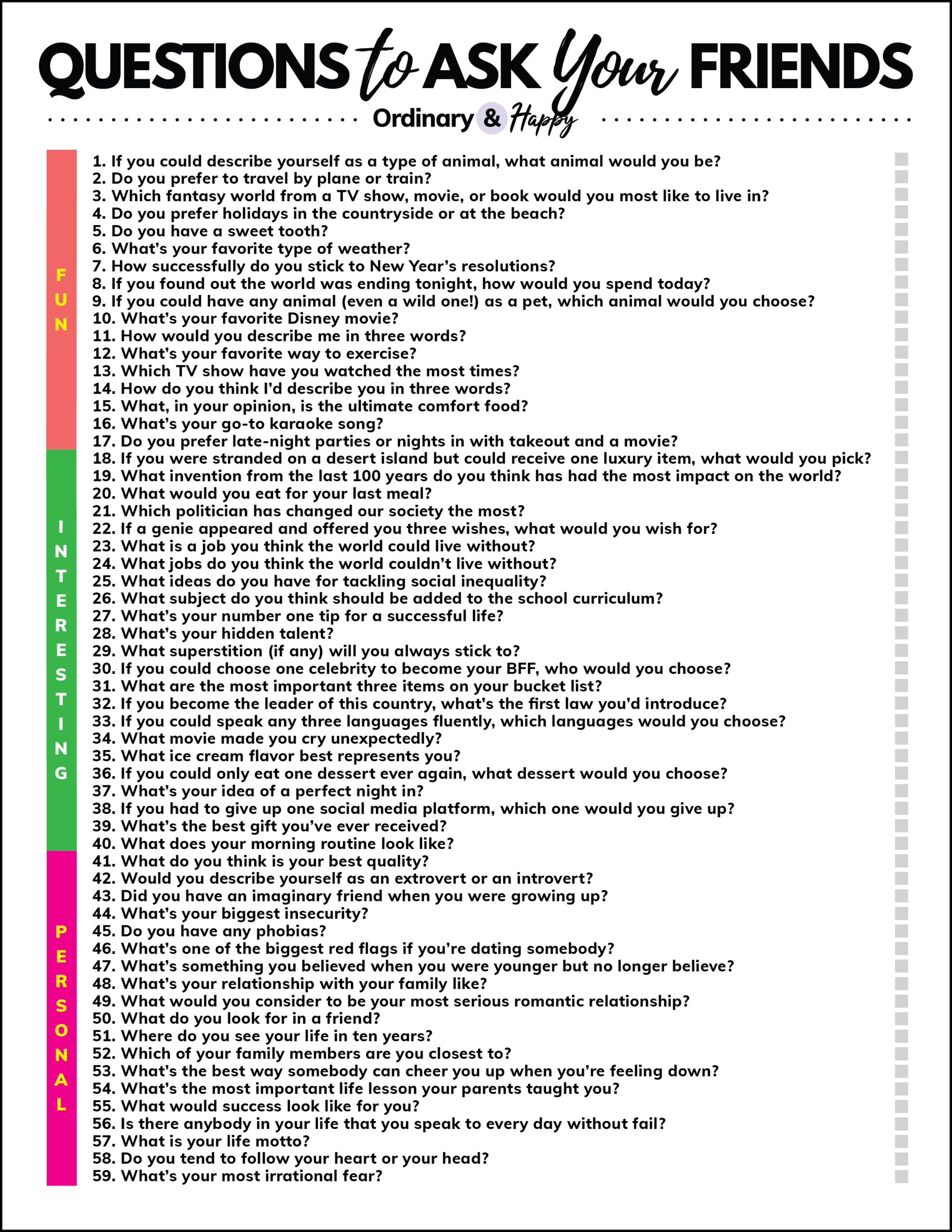
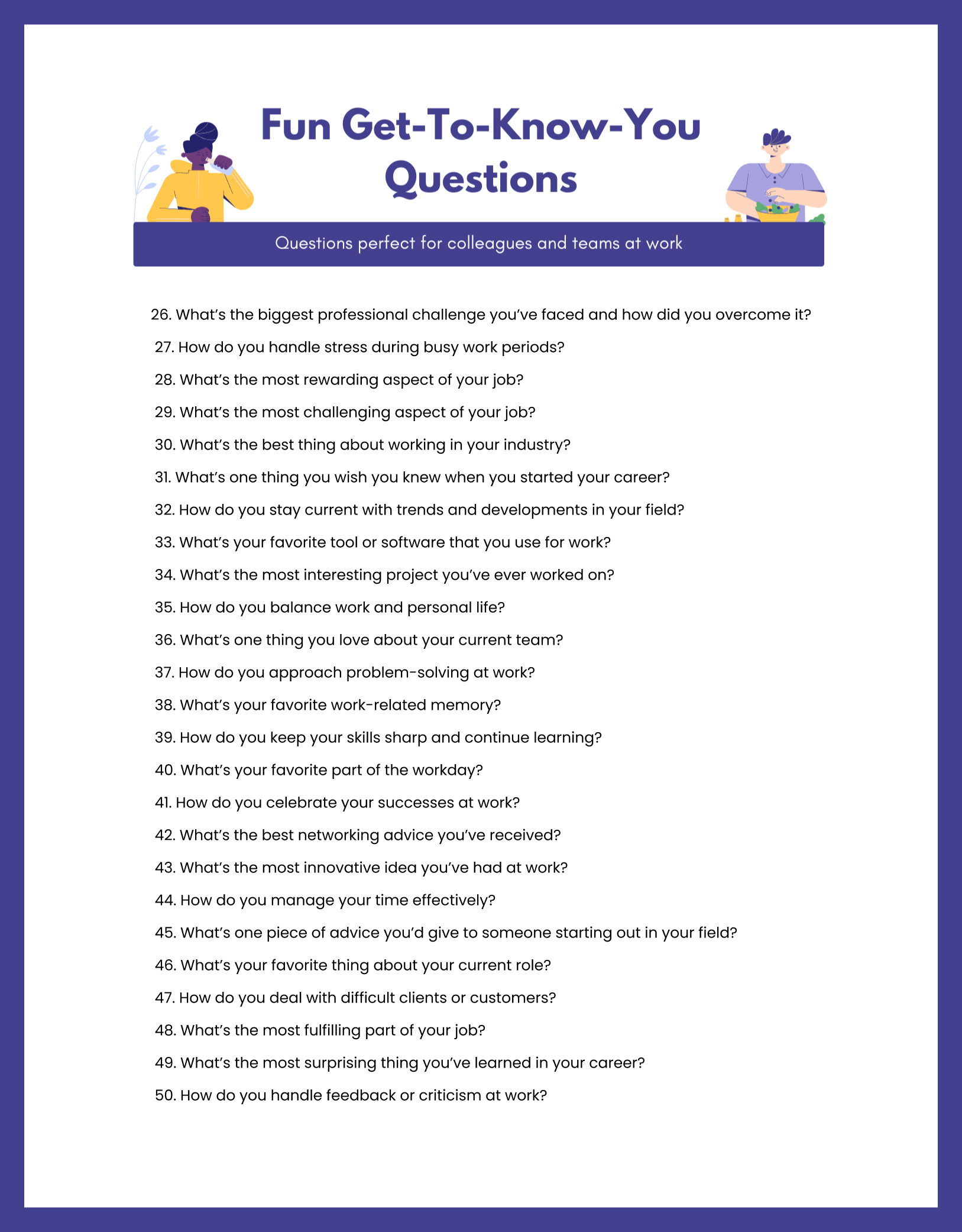
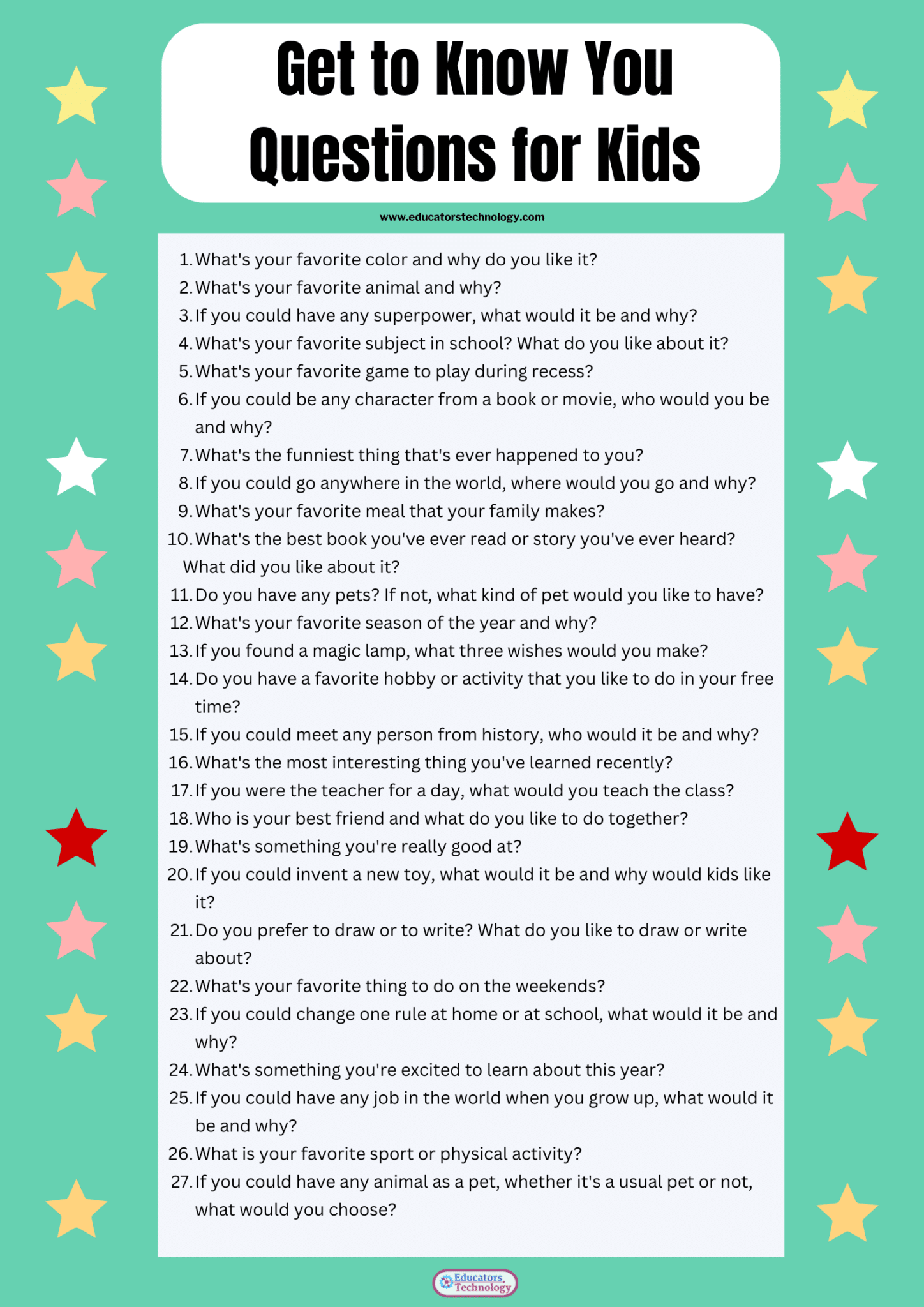
Building a genuine connection with a friend requires moving beyond surface-level small talk and engaging in deliberate, reciprocal self-disclosure. By asking thoughtful questions that span casual preferences, personal history, core values, and future ambitions, you create opportunities for vulnerability and shared understanding, transforming casual acquaintances into lasting, meaningful friendships.
The Psychology of Deepening Friendships Through Self-Disclosure
Interpersonal relationships develop primarily through reciprocal self-disclosure—the process of revealing personal thoughts, feelings, and experiences to another person over time. According to Social Penetration Theory, introduced by psychologists Irwin Altman and Dalmas Taylor in 1973, relationships evolve from superficial, outer layers of personality to deeper, core layers. Moving through these layers requires a dynamic exchange where both individuals gradually share more meaningful information as trust is established.
Asking questions is the catalyst for this process, but the context and pacing matter immensely. Research pioneered by psychologist Arthur Aron in the 1990s demonstrated that structured, escalating personal questions significantly accelerate feelings of closeness between individuals. When people exchange answers to increasingly personal queries, their perceived mutual understanding and emotional safety increase.
To cultivate strong friendships, conversation should naturally transition across three major conversational depth levels:
- Light/Surface: Preferences, daily routines, low-risk opinions.
- Intermediate/Personal: Background, values, past experiences, personal achievements.
- Deep/Core: Vulnerabilities, fears, core beliefs, unresolved personal growth.
Using curated questions allows you to navigate these levels smoothly without forcing unnatural intimacy before both parties feel comfortable.
Light Icebreakers for New and Casual Friends
When navigating the early stages of a friendship, direct vulnerability can feel overwhelming or intrusive. Light icebreaker questions establish rapport, identify common ground, and reveal personality traits without inducing social anxiety.
- What is a skill or hobby you have always wanted to learn, but haven't had the time for yet?Why it works: Identifies aspirational interests and potential activities you might explore together.
- If you could instantly become an expert in any single subject, what would it be?Why it works: Highlights curiosity and intellectual passions without requiring deep emotional reflection.
- What is your absolute go-to comfort food after a exhausting week?Why it works: Uncovers daily habits and offers easy ideas for future social gatherings or care packages.
- Which book, movie, or show has had the biggest impact on your perspective recently?Why it works: Reveals media consumption habits while opening space to discuss philosophical or narrative tastes.
- What is the most memorable travel experience or trip you have ever taken?Why it works: Taps into positive autobiographical memories and signals what kinds of environments energize them.
- Are you someone who thrives on a strict routine, or do you prefer spontaneous plans?Why it works: Helps set practical expectations for scheduling and socializing in the future.
- What is a small, everyday thing that consistently brightens your mood?Why it works: Focuses on micro-delights and gives insight into what brings them simple joy.
- What was your very first job, and what is the main thing you took away from it?Why it works: Encourages light storytelling and uncovers early work ethic and life experiences.
- If you could attend any concert, event, or historical moment, what would you choose?Why it works: Reveals personal taste in culture, music, or history in a fun, hypothetical way.
- What is a harmless opinion or hot take you hold strongly?Why it works: Creates playful debate over minor topics like food combinations, pop culture, or mild daily pet peeves.
Questions About Background, Childhood, and Personal History
Understanding a friend's history provides essential context for who they are today. Formative years, family dynamics, and past challenges shape current communication styles, boundary preferences, and worldviews.
- What is your favorite childhood memory that instantly makes you smile?Why it works: Elicits nostalgia and highlights early positive influences and family or community traditions.
- Who was your biggest role model growing up, and how did they influence you?Why it works: Reveals the character traits and moral standards your friend valued early in life.
- What was the hardest transition period of your youth, and how did you adapt to it?Why it works: Touches on resilience and uncovers past coping mechanisms during stressful life shifts.
- What is a lesson your parents or caregivers taught you that you still live by today?Why it works: Connects generational values to current habits and behavioral principles.
- How would your childhood friends describe what you were like as a kid?Why it works: Encourages self-reflection and compares past social roles with present self-perception.
- What tradition from your upbringing do you hope to keep alive in your own adult life?Why it works: Explores cultural, familial, or personal heritage and long-term continuity.
- What was your absolute favorite subject or activity during your school years?Why it works: Connects past interests to long-term career choices or lifelong hobbies.
- Is there a past mistake you made that ended up teaching you an invaluable life lesson?Why it works: Normalizes human error and demonstrates personal maturity and learning capacity.
- What place from your past do you miss visiting the most?Why it works: Uncovers geographical and spatial nostalgia, offering insight into environments where they feel safe.
- What is something you believed passionately as a teenager that you completely disagree with now?Why it works: Highlights intellectual evolution and open-mindedness over time.
Questions Exploring Core Values, Beliefs, and Priorities
Friendships deepen significantly when friends align on—or at least understand—each other's core operating principles. These questions explore ethics, lifestyle choices, and internal boundaries.
- What personal value do you consider non-negotiable in your relationships?Why it works: Clarifies expectations around trust, honesty, loyalty, and mutual respect.
- How do you define personal success, and has that definition changed over the last few years?Why it works: Shifts focus away from societal standards toward intrinsic motivations and personal fulfillment.
- When you are facing a tough decision, what principle or person do you consult first?Why it works: Details decision-making frameworks and identifies key mentors or internal compasses.
- What is a cause, social issue, or community effort that you feel deeply passionate about?Why it works: Highlights altruistic interests and areas where they invest emotional energy or time.
- How do you prefer to handle conflict when a disagreement arises in a close relationship?Why it works: Offers direct operational insight into how to resolve potential future friction constructively.
- What does a truly healthy work-life balance look like to you in practice?Why it works: Shows how they allocate time between ambition, rest, personal care, and social life.
- Do you consider yourself more guided by logic and evidence or intuition and gut feeling?Why it works: Uncovers cognitive processing styles, helping you frame advice or discussions appropriately.
- What boundary took you the longest to establish and defend in your life?Why it works: Demonstrates self-advocacy growth and highlights personal sensitivities to respect.
- What is something you feel people frequently misunderstand about your intentions or personality?Why it works: Addresses social misperceptions and gives them a safe space to clarify their true character.
- What does spiritual or mental well-being mean to you, and how do you maintain it?Why it works: Focuses on internal maintenance, wellness practices, and underlying philosophical foundations.
Questions About Future Ambitions, Hopes, and Dreams
Looking forward together builds shared anticipation and allows friends to support each other's goals. Ambition questions focus on long-term vision, lifestyle goals, and bucket-list items.
- If financial constraints were completely removed, how would you spend your time every day?Why it works: Removes practical barriers to reveal true passions, creative drives, and core desires.
- What major goal are you actively working toward over the next twelve to twenty-four months?Why it works: Focuses on immediate, actionable aspirations where you can offer practical encouragement.
- Where do you see yourself living long-term, and what makes that environment ideal for you?Why it works: Details lifestyle preferences regarding climate, pace, urban vs. rural settings, and community.
- What is one dream project or milestone you hope to achieve before you retire?Why it works: Identifies peak bucket-list priorities in career, personal life, or creative pursuits.
- How do you hope your daily life will look different five years from today?Why it works: Prompts reflection on personal growth trajectories and desired lifestyle evolutions.
- What is a legacy or impact you want to leave behind in your community or career?Why it works: Explores high-level purpose and the lasting footprint they want to create.
- What new skill or habit do you hope to master in the coming year?Why it works: Emphasizes short-term self-improvement efforts and offers accountability partnership opportunities.
- If you could take a six-month sabbatical starting tomorrow, what would you spend that time doing?Why it works: Uncovers latent burn-out or unfulfilled passions that need space to breathe.
- What kind of friend, partner, or leader do you hope to become as you mature?Why it works: Touches on relational goals and character development aspirations.
- What experience is at the absolute top of your personal travel bucket list?Why it works: Offers exciting forward-looking conversation topics and concrete adventure ideas.
Deep Questions on Vulnerability, Fear, and Self-Reflection
Deep questions should be used when a foundation of mutual trust already exists. These questions invite meaningful vulnerability, offering insight into emotional vulnerabilities, past struggles, and internal reflection.
- What fear or anxiety holds you back more than you like to admit?Why it works: Requires real trust and validates shared human vulnerabilities.
- When was the last time you felt truly overwhelmed, and what helped you work through it?Why it works: Reveals stress signals, emotional regulation tools, and how you can offer support during tough times.
- What is something you are currently struggling with that you haven't talked about much?Why it works: Provides a direct invitation for emotional release and ongoing support.
- What do you feel is your greatest personal insecurity in social or professional settings?Why it works: Normalizes feelings of inadequacy and allows you to offer genuine reassurance.
- What praise or compliment do you secretly wish people gave you more often?Why it works: Highlights underappreciated efforts and clarifies how your friend prefers to be validated.
- When in your life have you felt the most lonely, and what changed that feeling?Why it works: Explores deep emotional history and highlights conditions that foster true belonging.
- What is a truth about yourself that took you a very long time to accept?Why it works: Highlights self-awareness, radical honesty, and personal acceptance journeys.
- How do you typically behave when you are feeling hurt or upset by someone you care about?Why it works: Identifies emotional withdrawal or confrontation patterns, helping prevent misinterpretation during future conflicts.
- What is a burden you feel you are carrying right now that you wish you could let go of?Why it works: Offers an opportunity to share emotional weight and practice empathetic listening.
- What makes you feel deeply seen, valued, and understood by another person?Why it works: Functions as a blueprint for how to be the best possible friend to them moving forward.
Categorized Framework for Conversation Starters
To help select the right question for the appropriate setting, the table below categorizes these question groups by intimacy level, ideal social context, and primary objective.
| Question Category | Intimacy Level | Recommended Context | Primary Goal |
|---|---|---|---|
| Light Icebreakers | Low (Level 1) | Casual hangouts, group events, new acquaintances | Establish initial rapport and find shared interests |
| Personal History | Moderate (Level 2) | One-on-one meals, long drives, relaxed evenings | Understand background, childhood, and growth |
| Core Values | Moderate–High (Level 2/3) | Deep conversations, walks, unhurried settings | Align on ethics, boundaries, and lifestyle perspectives |
| Future Ambitions | Moderate (Level 2) | Goal-setting chats, career discussions, casual coffee | Support long-term dreams and understand motivations |
| Deep Vulnerability | High (Level 3) | Private, quiet environments with established trust | Foster profound emotional intimacy and psychological safety |
Best Practices for Active Listening and Natural Conversation Flow
Asking strong questions is only half of the equation; how you listen and respond determines whether a conversation builds trust or feels like an interrogation. Applied interpersonal communication relies on active listening, conversational pacing, and genuine reciprocity.
The Reciprocal Disclosure Loop
- Ask Thoughtful Question
- Practice Active Listening
- Validate & Ask Follow-Up
- Share Related Reflection
Avoid the "Interrogation Trap"
Do not fire off questions sequentially like a formal interview. Treat each question as an invitation to a shared dialogue. When your friend answers:
- Validate their perspective: Acknowledge their response before transitioning (e.g., "That makes total sense given how hard you worked for that project.").
- Share your own reflection: Offer a brief, related personal experience to keep the conversation balanced. Reciprocal self-disclosure ensures that one person does not feel overly exposed while the other remains anonymous.
- Ask natural follow-ups: Probe gently into specific details (e.g., "What was going through your head when that happened?") rather than jumping to a new, unrelated question.
Read Social Cues and Respect Boundaries
Pay close attention to body language, tone of voice, and hesitation. If a friend gives short, closed answers or seems uncomfortable with a deeper question, respect their boundary gracefully. Transition back to lighter topics without drawing uncomfortable attention to the shift:
"If a friend hesitates or gives a brief answer to a deep question, pivot smoothly: 'We don't have to dive deep into that today! What's something fun you've got planned for this weekend instead?'"
Frequently Asked Questions
How do I bring up deep questions without making things awkward?
Context and transitions are key. Introduce deeper questions naturally by connecting them to an ongoing topic or framing them with a casual discloser, such as: "I was thinking about this earlier today..." or "I read an interesting question recently and wondered what you'd think..." This removes pressure and makes the transition feel organic rather than forced.
What should I do if a friend asks me a question I'm not comfortable answering?
State your boundary calmly, warmly, and directly. You can say: "I'm still processing that experience, so I'd prefer to save that story for another time, but I'd love to hear your thoughts on it," or simply, "That's a bit too heavy for me today—can we talk about something a little lighter?" Respectful friends will always honor a clear boundary.
Is it better to ask these questions in person or over text?
In-person conversations or voice/video calls are generally superior for intermediate and deep questions because non-verbal cues—such as eye contact, facial expressions, and tone of voice—are critical for conveying empathy and building emotional safety. However, lighter icebreakers or structured goal-oriented questions can work well via text message during casual catch-ups.
How often should you ask deep questions in an established friendship?
Deep questions do not need to dominate every interaction. Healthy friendships thrive on a balanced mix of shared activities, humor, casual banter, practical support, and occasional deep emotional check-ins. Reserve deep reflection for times when both of you have the emotional bandwidth and time to engage meaningfully.
Next Steps to Strengthen Your Friendships
To put these questions into practice effectively, start small and build momentum naturally over time.
- Select 2–3 questions: Choose a few items from the light or intermediate categories that feel natural to your speaking style.
- Pick the right setting: Plan an activity with a friend where conversation flows easily—such as a coffee walk, a long drive, or a relaxed dinner.
- Focus on presence: Put away distractions, practice active listening, and allow the conversation to drift naturally wherever it leads.
By consistently bringing curiosity and genuine care to your interactions, you will transform everyday conversations into opportunities for enduring connection.