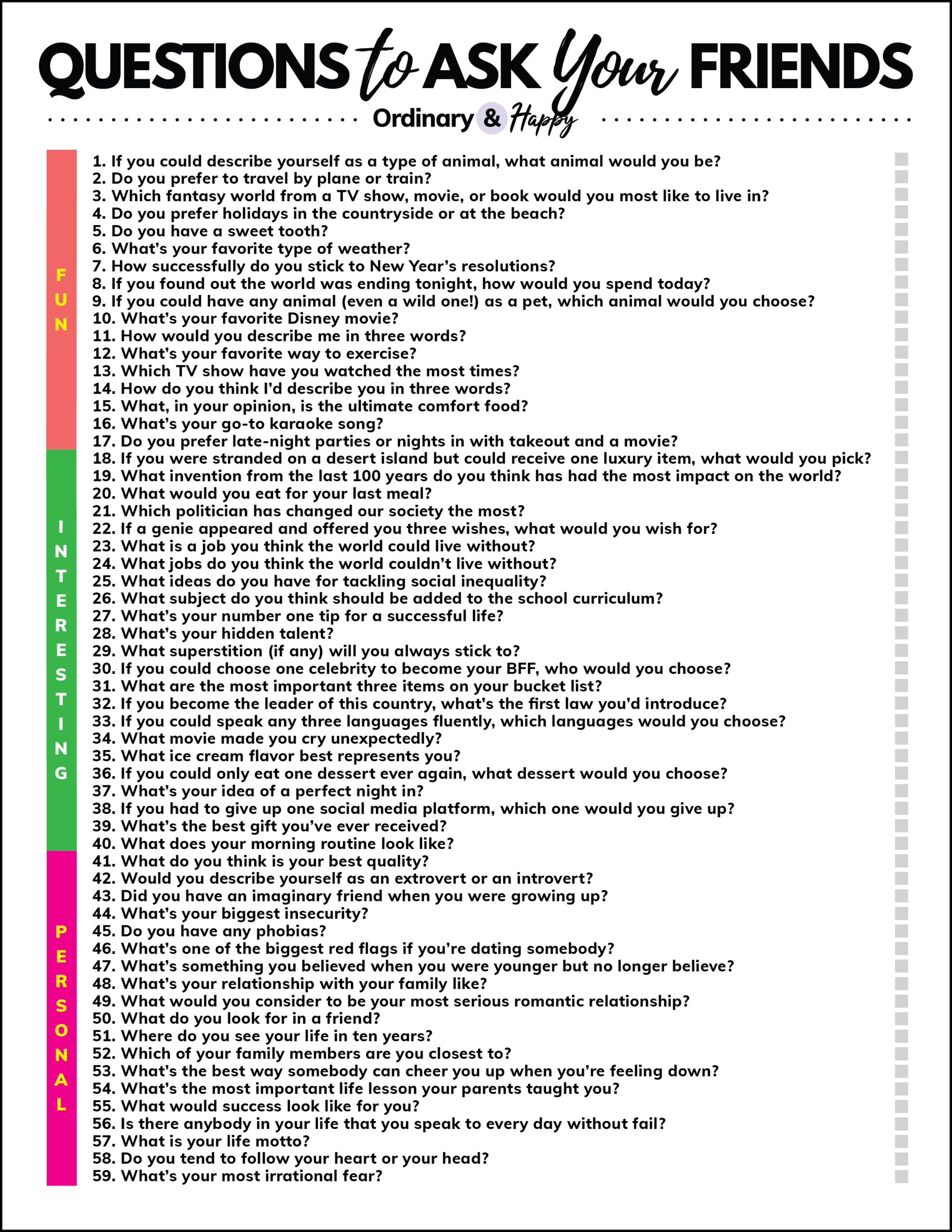
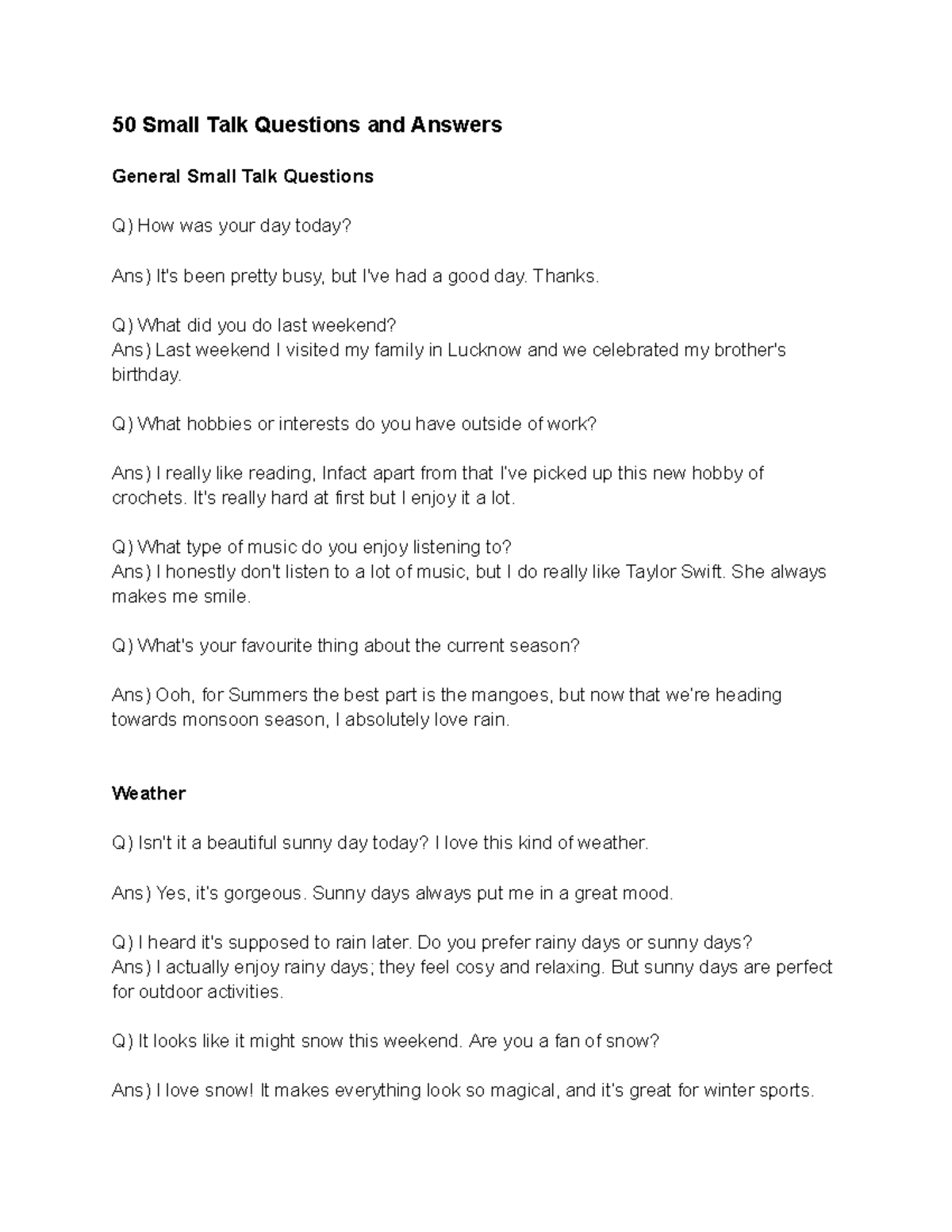
Engaging conversations require questions that invite storytelling, reveal personal values, and move beyond routine surface-level responses. Asking open-ended questions focused on experiences, preferences, and hypothetical choices encourages meaningful self-disclosure. This transforms awkward small talk into genuine dialogue across social, professional, and personal environments.
The Psychology of Engaging Conversations: Why Questions Matter
Human connection relies heavily on the structure of interaction. Standard polite exchanges—such as asking someone what they do or how their weekend was—often trigger automated, script-like answers. These social scripts allow individuals to participate in dialogue without cognitive or emotional investment, resulting in forgettable interactions.
To break past these predictable patterns, a conversation starter must alter the cognitive frame of the listener. Research in social psychology demonstrates that self-disclosure stimulates the brain's reward centers, releasing dopamine when individuals share personal insights, memories, or opinions. However, people rarely initiate deep self-disclosure without an inviting, low-risk prompt.
Effective questions achieve three specific outcomes:
- They eliminate binary responses: Open-ended prompts prevent simple "yes" or "no" answers, requiring the listener to construct a descriptive response.
- They shift focus from status to story: Instead of asking for titles, achievements, or demographic facts, engaging questions focus on motivations, feelings, and personal reflections.
- They lower conversational friction: By providing a clear, engaging premise, the speaker removes the burden of finding something interesting to say.
Understanding how to match a question to the specific social context ensures that dialogue flows naturally without feeling intrusive or performative.
Category 1: Casual Icebreakers for Everyday Interactions
Casual icebreakers are designed for low-stakes social environments, such as dinner parties, casual gatherings, networking mixers, or meeting new acquaintances. These prompts focus on daily experiences, personal tastes, and lighthearted reflections without crossing into uncomfortable intimacy.
- What is something small that made you smile or laugh unexpectedly this week?Why it works: This question shifts the listener’s mindset toward positive reflection and invites a specific story rather than a vague update.
- If you had an entirely free Sunday with zero obligations, how would you structure your day?Why it works: Uncovering how someone spends unscheduled time reveals their true interests and ideal pace of life.
- What is a skill or hobby you have always wanted to learn, but haven't found the time for yet?Why it works: This highlights aspirations and curiosity rather than current routine achievements.
- What was your very first job, and what is the main thing you remember taking away from it?Why it works: Nostalgia creates immediate warmth, and discussing early employment often leads to humorous or relatable anecdotes.
- What is the best piece of advice you’ve received recently, whether from a book, friend, or podcast?Why it works: It positions the respondent as a source of insight while sharing their current intellectual or personal focus.
- If you could instantly become an expert in any single topic, what would you choose?Why it works: This uncovers underlying passions that may not align with the person's current profession.
- What is a movie, book, or show you can rewatch or reread without ever getting tired of it?Why it works: Pop culture preferences offer an accessible gateway to discuss broader themes like humor, drama, or comfort entertainment.
- What local spot or hidden gem in your city do you recommend to everyone who visits?Why it works: People enjoy sharing insider knowledge, making this a useful icebreaker in group settings or while traveling.
- What was your favorite childhood tradition, and do you still practice anything like it today?Why it works: Traditions link personal history with current habits, encouraging meaningful storytelling.
- What is a recent discovery—like a meal, app, or life hack—that has unexpectedly improved your routine? Why it works: Practical discoveries create immediate utility for the listener and keep the tone light and useful.
Category 2: Deep and Thought-Provoking Prompts for Connection
Deep questions work best when psychological safety has already been established—such as among close friends, family members, or long-term colleagues. These prompts encourage vulnerability, moral reasoning, and reflection on personal growth.
- What is a belief or opinion you held strongly five years ago that you have completely changed your mind about?Why it works: Demonstrating personal evolution shows intellectual humility and invites a discussion on life lessons.
- What life lesson did you have to learn the hard way, and how did it change your approach going forward?Why it works: Resilience stories build deep rapport and show authenticity.
- When in your life have you felt the most out of your comfort zone, and what did that experience teach you?Why it works: Growth usually occurs during periods of discomfort; sharing those moments reveals character.
- What does a truly meaningful and successful life look like to you, stripped of external expectations?Why it works: This prompts the speaker to separate societal pressure from personal values.
- If you could write a letter to your 18-year-old self, what specific warning or encouragement would you include?Why it works: Looking back allows people to process past decisions with wisdom and perspective.
- What is something you feel is deeply misunderstood about your personality or character?Why it works: It gives the listener an opportunity to correct misconceptions and express their authentic self.
- What personal project or internal goal are you working on right now that few people know about?Why it works: Private goals often carry significant emotional investment.
- What historical event or era do you wish you could have witnessed firsthand, and why?Why it works: This blends intellectual interest with personal imagination.
- How do you typically handle stress or overwhelm when everything seems to happen at once?Why it works: Discussing coping mechanisms fosters empathy and offers practical emotional insights.
- What is an experience that changed how you view empathy or compassion toward others?Why it works: It centers the conversation around core human connection and social awareness.
Category 3: Professional and Workplace Conversation Starters
Workplace conversations often stall at surface updates regarding deadlines and projects. These questions help build professional relationships, discover career motivations, and facilitate effective team building during coffee breaks, 1-on-1 meetings, or networking events.
- What was the pivotal moment or project that shaped the direction of your current career path?Why it works: It transforms a static work history into an engaging career story.
- What professional boundary or work habit has made the biggest positive impact on your focus and energy?Why it works: Sharing operational strategies creates practical value for everyone involved.
- If you could redesign one aspect of standard workday culture, what would you alter to boost well-being?Why it works: Encourages constructive problem-solving rather than simple complaining.
- What is a piece of career advice you received early on that you actively ignore today?Why it works: Challenging conventional wisdom creates dynamic, engaging discussions.
- What skill are you currently developing that you feel will be vital for your industry over the next few years?Why it works: Positions the conversation toward future trends and professional growth.
- What project in your career are you most proud of, regardless of whether it received public recognition?Why it works: Highlights personal craftsmanship over corporate metrics.
- How do you reset your creative focus when you hit a mental block or burn out on a complex problem?Why it works: Normalizes workplace friction while uncovering useful productivity strategies.
- What soft skill do you think is severely underrated in modern leadership?Why it works: Explores management philosophy and interpersonal dynamics in a professional context.
- What mentor or supervisor had the greatest impact on your development, and what made their style effective?Why it works: Expressing gratitude for past leadership reveals key personal values.
- If you were given a sabbatical with full funding to study any topic for six months, what would you research?Why it works: Removes standard career constraints to uncover core intellectual curiosity.
Category 4: Creative and Hypothetical Scenarios for Fun Group Dynamics
Hypothetical scenarios break routine patterns by forcing participants to think abstractly. These are effective at dinner tables, social gatherings, or long road trips where the primary goal is entertainment and collaborative fun.
- If you could choose any three people—living, historical, or fictional—to join your dinner party tonight, who are you inviting?Why it works: A classic prompt that reveals personal interests based on who is selected.
- If you were forced to live in a single fictional universe from a book or movie, which one would you choose?Why it works: Connects imaginative preferences to lifestyle priorities.
- You are granted the ability to instantly master any instrument, sport, or artistic medium—which do you pick?Why it works: Highlights unfulfilled creative or athletic interests.
- If you were tasked with designing a brand-new holiday, what would it celebrate and how would people mark the day?Why it works: Encourages playful creativity and social design.
- If you had to eliminate one everyday technology completely from human society without consequences, what goes?Why it works: Sparks debates about technology, attention spans, and modern living.
- What would be the title of your autobiography, and what would the cover illustration look like?Why it works: Requires summarizing a life story in a creative, concise concept.
- If you found a time capsule you buried 15 years ago, what item inside would surprise you the most?Why it works: Connects past memories with present growth through a creative lens.
- If you were given $10,000 today but were required to spend it all on an experience rather than physical goods, what would you book?Why it works: Focuses value on experiential memory rather than material accumulation.
- What secret message or piece of advice would you leave behind if you were building an ancient ruin for future archeologists to find?Why it works: Merges humor with broad life philosophy.
- If you could exchange lives with any professional athlete, artist, or scientist for one week, who would it be?Why it works: Explores temporary curiosity without long-term commitment.
Category 5: Values and Relationship-Building Questions
Building strong personal bonds—whether on dates, in long-term relationships, or with family members—requires exploring how someone views relationships, ethics, and emotional support.
- What does meaningful support look like to you when you are navigating a difficult season of life?Why it works: Provides clear guidance on how to offer practical empathy.
- What quality do you value most in your closest friendships, and how has that evolved over time?Why it works: Clarifies boundaries, expectations, and personal loyalty standards.
- How do you prefer to handle disagreements or conflicts when working through a misunderstanding?Why it works: Establishes communication preferences before conflicts arise.
- What small, daily gesture makes you feel genuinely appreciated and noticed by those around you?Why it works: Focuses on actionable acts of affection and kindness.
- What family tradition or personal boundary do you feel strongly about preserving as you build your future?Why it works: Bridges past background with future life planning.
- How do you balance the need for personal autonomy with the need for connection in relationships?Why it works: Addresses independence and codependency directly.
- What is an absolute non-negotiable value for you when choosing close personal companions?Why it works: Defines personal boundaries and core moral expectations clearly.
- What memory with a friend or partner always serves as a reminder of why you value them?Why it works: Reenforces gratitude and shared positive experiences.
- How do you define trust, and what action rebuilds it best if it is compromised?Why it works: Direct conversation on relational integrity and recovery.
- What shared goal or dream are you currently most excited to pursue with the people close to you?Why it works: Aligns personal focus toward a shared, positive future.
Conversation Framework Matrix: Choosing the Right Question
Selecting the correct prompt requires balancing social context, psychological safety, and conversation depth. The matrix below categorizes the five question types by ideal environment, emotional risk level, and follow-up strategy.
| Category | Primary Conversational Intent | Ideal Setting | Psychological Risk Level | Recommended Follow-Up Strategy |
|---|---|---|---|---|
| Casual Icebreakers | Break social friction & establish comfort | Social events, dinner parties, new acquaintances | Low | Ask for secondary details or related preferences ("What made you pick that spot?"). |
| Deep & Thought-Provoking | Cultivate emotional connection & vulnerability | 1-on-1 conversations, late-night chats, close friends | Moderate to High | Use active listening and validate their experience before sharing your own perspective. |
| Professional & Workplace | Build rapport & uncover working styles | Coffee chats, team building, networking mixers | Low to Moderate | Relate the response to shared industry challenges or operational tools. |
| Creative & Hypothetical | Encourage playful debate & entertainment | Group dinners, game nights, road trips | Low | Build on their premise by introducing lighthearted complications ("What if that option was off the table?"). |
| Values & Relationships | Align expectations & deepen intimacy | Dating, long-term partners, family gatherings | High | Provide focused attention without interrupting; ask for clarification on specific terms used. |
Best Practices for Transitioning from Questions to Flowing Dialogue
Asking a strong question is only the catalyst; keeping the conversation active requires specific communication habits. Without effective follow-up, asking question after question can feel like an interrogation rather than a natural exchange.
Initial Question ➔ Active Listening ➔ Validation ➔ Targeted Follow-up ➔ Natural Reciprocity
1. Apply the 3-Second Pause
When someone finishes responding to a prompt, wait three seconds before speaking. This brief pause signals that you are reflecting on their words rather than merely waiting for your turn to speak. It also allows the speaker to add secondary thoughts they might have otherwise held back.
2. Practice Reflective Listening
Instead of jumping directly to your personal experience, mirror the core feeling or point of their response. Phrases such as "It sounds like that experience really shifted your perspective on..." demonstrate comprehension and show that the speaker was heard.
3. Avoid the Interrogation Trap
Do not fire off questions consecutively without sharing your own insights. Maintain conversational balance by utilizing the "Question-Share-Question" rhythm:
- Ask an engaging question.
- Listen and reflect on the response.
- Share a brief, relevant personal experience or thought.
- Transition to a natural follow-up prompt based on what was just said.
4. Watch Social Cues and Adjust Real-Time Depth
If someone responds to a deep prompt with brief, guarded answers, step back to a more casual or creative question. Respecting personal boundaries builds trust far faster than pushing for unearned vulnerability.
Frequently Asked Questions
What makes a conversation starter genuinely engaging?
An engaging conversation starter removes social scripts by inviting personal narrative, opinion, or imagination rather than standard administrative facts. Effective questions are open-ended, low-risk relative to the setting, and allow the listener to choose how much detail they want to share.
How do I restart a conversation that has hit an awkward silence?
To revive a stalled dialogue, acknowledge the pause naturally and transition to a creative hypothetical prompt or a lighthearted observation. Using prompts like "If you had an entirely free Sunday..." shifts focus away from the awkward silence and introduces a fresh, low-pressure topic.
How can I transition from small talk to deeper conversation without feeling pushy?
Bridge small talk to deeper topics by anchoring your questions in the speaker's previous statements. Use transitional phrases such as "You mentioned loving your current role—what was the key project that shaped your career path?" This grounds the deeper question directly in context they already provided.
What should I do if someone gives a short, one-word answer to an open-ended question?
If a respondent offers a brief answer, avoid asking another heavy question immediately. Validate their response warmly, offer a brief perspective of your own to model open communication, and pivot to a lighter topic or a casual follow-up prompt.
Are these questions effective for virtual or remote team meetings?
Yes, casual icebreakers and creative hypothetical questions are especially useful in virtual environments. They help reduce the transactional nature of remote video calls by creating space for informal human connection before diving into agenda items.
Mastering the Art of Intentional Dialogue
Transforming small talk into meaningful dialogue requires moving beyond polite scripts and using intentional, open-ended prompts. By matching your question to the setting and social context, you create space for natural storytelling and authentic connection.
To practice these skills effectively, select two or three questions from the list above before your next social or professional interaction. Focus on active listening, allow space for full answers, and let the dialogue develop naturally past the initial prompt.