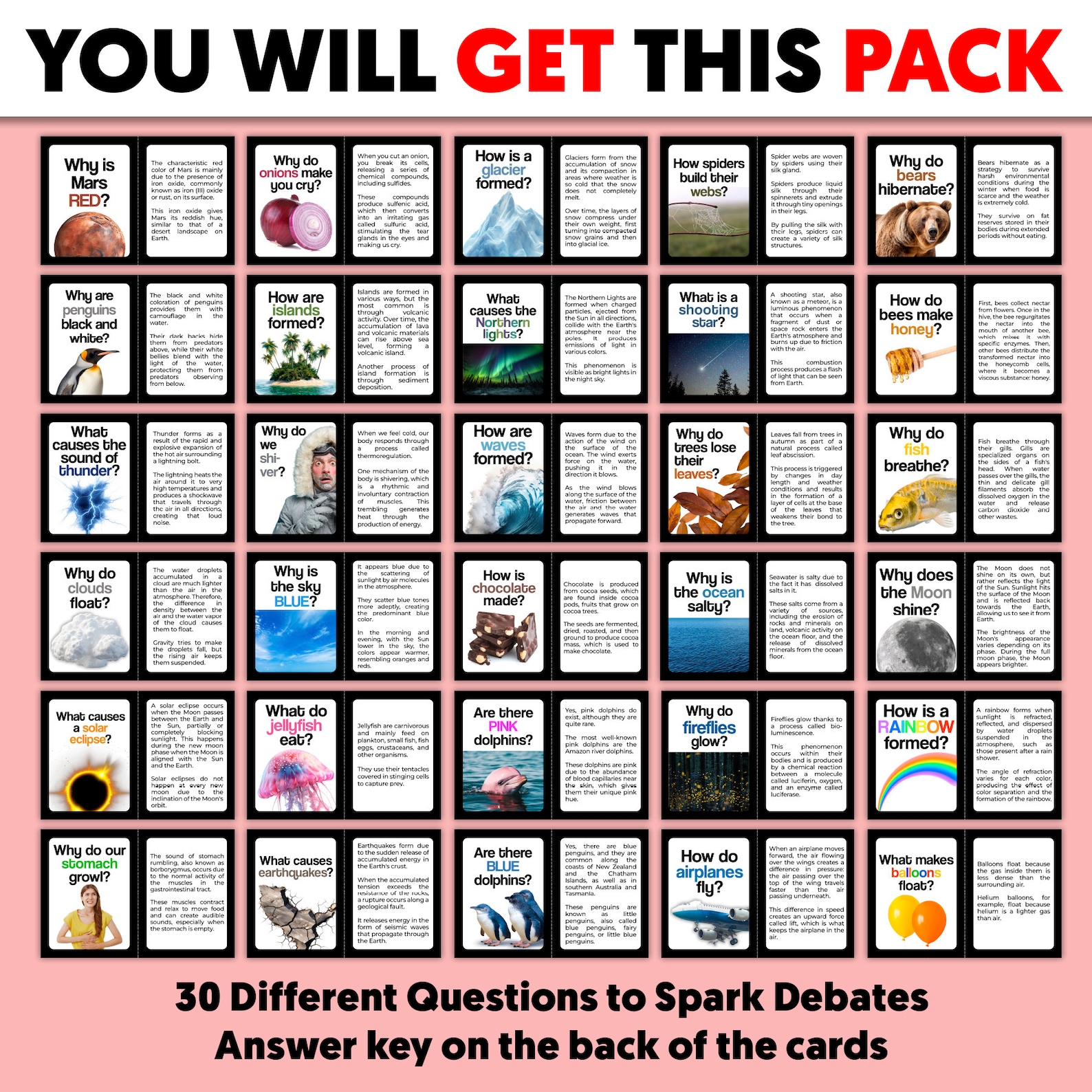
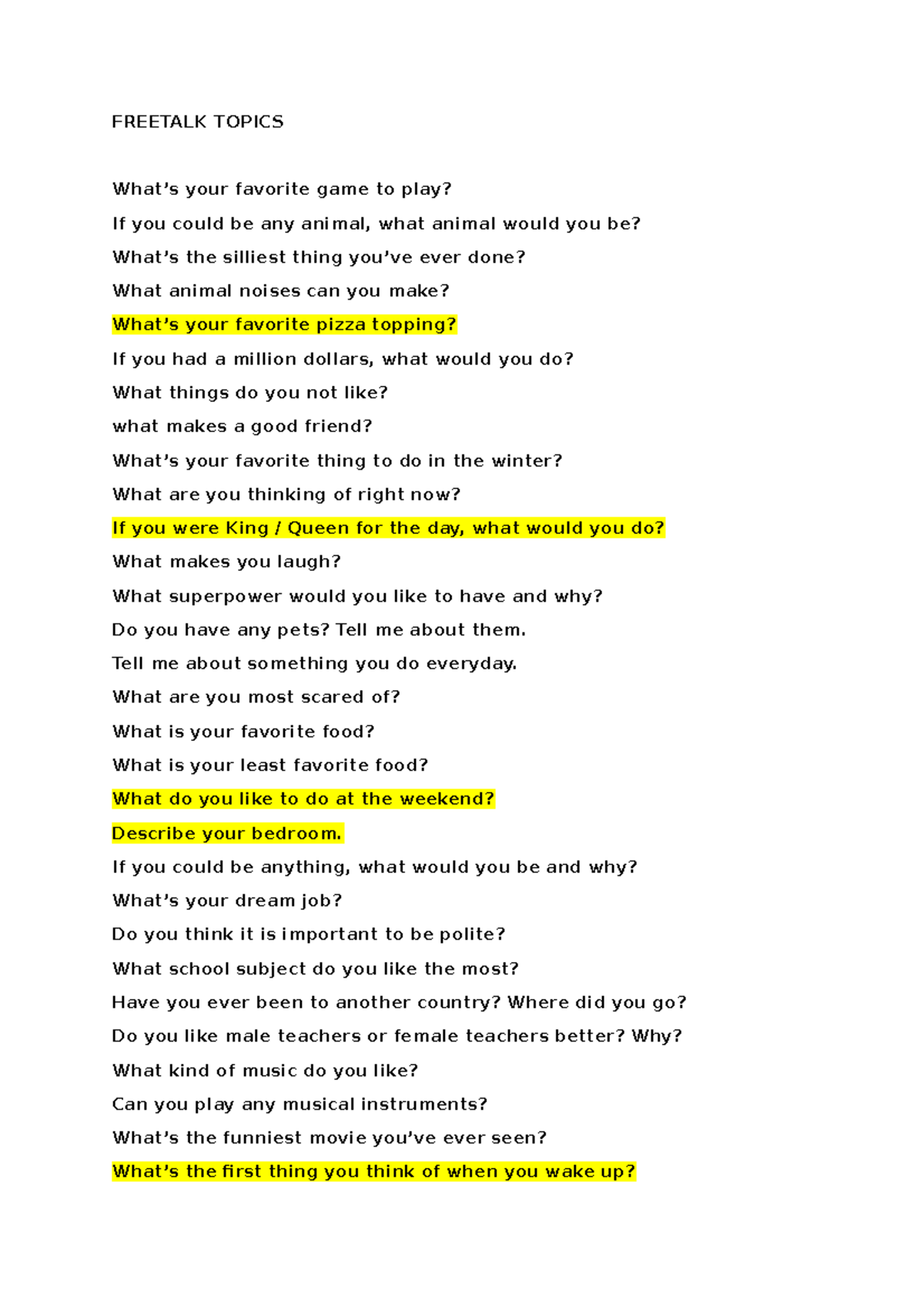
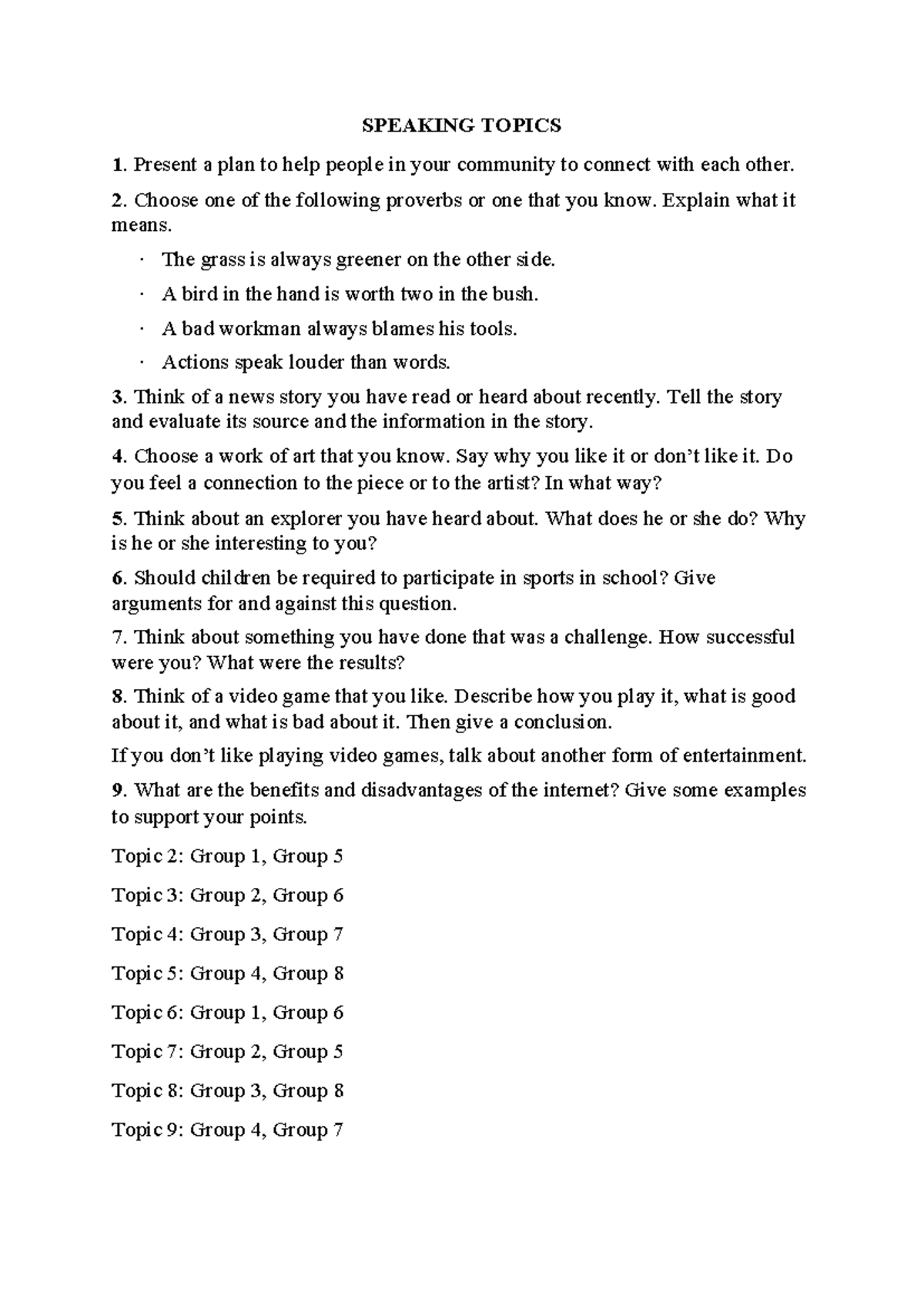
Transforming small talk into meaningful dialogue requires moving beyond standard weather updates and basic workplace chatter. Engaging conversations happen when prompts invite open-ended reflections, personal values, creative imagination, or shared experiences. By using structured topics tailored to your setting, you can instantly break the ice, build genuine rapport, and foster deep connections across casual, professional, and intimate environments.
The Psychology of Engaging Dialogue: Moving Beyond Surface Interaction
Most social exchanges stall because they rely on closed questions that yield predictable, low-energy responses. Standard inquiries like "How was your weekend?" or "What do you do?" encourage auto-pilot answers that fail to activate curiosity. High-impact communication research shows that meaningful dialogue occurs when a prompt triggers personal reflection, emotional resonance, or narrative storytelling.
To transition from passive polite chatter to engaging conversation, aim to unlock the why and how behind a person’s experiences rather than just the what. Effective dialogue starters rely on three structural principles:
- Open-Ended Architecture: Questions must require more than a single-word or short-phrase response.
- Low Barrier to Entry: The topic should feel accessible, allowing the listener to answer without feeling judged or put on the spot.
- Psychological Safety: Deep prompts must match the social context, ensuring participants feel comfortable revealing personal opinions or experiences.
Mastering these dynamics allows you to select the ideal conversation prompt for any setting—whether you are networking at a conference, sitting on a first date, or relaxing with long-time friends.
Icebreakers and Casual Starters (Topics 1–10)
Casual conversation starters work best in low-pressure settings like dinner parties, casual meetups, or elevator chats. They clear the air without overstepping social boundaries, giving participants an easy entry point to share personal tastes and lighthearted stories.
- What piece of practical advice have you heard recently that actually proved useful?Why it works: It shifts the focus away from basic pleasantries toward actionable wisdom, allowing people to share useful hacks or insights.
- If you could instantly gain expertise in one random skill, what would it be?Why it works: This bypasses traditional work talk and reveals curiosity, personal interests, or secret ambitions.
- What is the most memorable meal you have ever eaten while traveling?Why it works: Food and travel trigger vivid sensory memories and positive emotional associations.
- What small daily habit has significantly improved your daily routine?Why it works: It encourages practical sharing without demanding overly private disclosures.
- What hidden gem in this area do you think more people should know about?Why it works: People love giving recommendations; it establishes local connection and mutual discovery.
- If you were asked to give a 15-minute presentation right now with zero preparation, what topic would you pick?Why it works: It reveals spontaneous passions and unique domains of knowledge in a fun, hypothetical way.
- What was your very first concert or live show, and how does your taste compare today?Why it works: Nostalgia is a powerful conversational bridge that uncovers shared musical roots.
- What current media trend or public topic are you secretly fascinated by?Why it works: It tapping into pop-culture dynamics without getting bogged down in intense debate.
- What is something under $50 you recently bought that brought you surprising value?Why it works: Practical recommendations invite relatable follow-up comments and consumer tips.
- What is your go-to story when someone asks for a funny personal anecdote?Why it works: Giving explicit permission to share a polished, humorous story puts the speaker at ease.
Professional and Networking Prompts (Topics 11–20)
Professional networking often suffers from transactional, scripted interactions. These prompts shift business discussions toward professional growth, problem-solving, and personal motivation without breaching workplace standards.
- What project are you currently working on that genuinely excites you?Why it works: It redirects standard "work chatter" toward enthusiasm and proactive passion.
- What was a pivotal career pivot or decision that shaped where you are today?Why it works: It invites reflection on resilience, strategy, and career trajectory.
- How has your perspective on work-life integration evolved over the past few years?Why it works: It addresses universal career challenges, encouraging authentic discussions on boundaries and priority-setting.
- What common industry myth or trend do you wish more people would question?Why it works: It positions the speaker as an expert while opening the floor for constructive industry analysis.
- Who was a key mentor in your career, and what critical lesson did they teach you?Why it works: Expressing gratitude for past guidance reveals personal values and professional humility.
- What digital tool or workflow shift has fundamentally transformed your day-to-day productivity?Why it works: Tech insights offer immediate practical value to everyone in the discussion.
- What core skill do you believe will become indispensable in our field over the next five years?Why it works: Forward-looking questions encourage strategic brain-storming and mutual alignment.
- How do you structure your downtime to effectively recharge after high-intensity launches?Why it works: Acknowledging work stress creates empathetic connections focused on sustainable performance.
- What is the most constructive piece of professional feedback you have ever received?Why it works: It highlights self-awareness, growth mindset, and openness to learning.
- If you were starting completely over in your industry today, what step would you take first?Why it works: Retroactive career advice draws out distilled wisdom and strategic insights.
Deep and Philosophical Prompts (Topics 21–30)
When you have established basic trust with friends, family, or long-term partners, deep conversation topics build emotional intimacy. These prompts explore personal values, life lessons, and long-term worldviews.
- What belief or opinion have you completely changed your mind about in recent years?Why it works: It measures intellectual humility and explores personal evolution.
- What does an ideal, perfectly fulfilling weekend look like for you right now?Why it works: It shifts priorities away from external obligations toward intrinsic desires.
- What character trait do you value most in your closest friendships?Why it works: It clarifies underlying relationship dynamics and personal ethics.
- How do you personally define success, and how has that definition changed over time?Why it works: It strips away societal benchmarks to reveal authentic individual values.
- What major life lesson did you have to learn the hard way?Why it works: Vulnerability breeds vulnerability, laying the groundwork for deep empathy.
- What is a core memory from your childhood that significantly shaped your current outlook?Why it works: Exploring formative experiences provides rich context for adult behaviors and choices.
- How do you navigate moments of unexpected uncertainty or transition?Why it works: Coping mechanisms offer meaningful insight into resilience and self-regulation.
- What is a personal passion or topic you care deeply about that most people overlook?Why it works: Giving space for unvarnished passion creates memorable conversations.
- If you could send a single message back to your younger self, what specific guidance would you offer?Why it works: Retrospective advice highlights growth, acceptance, and priority management.
- What legacy or impact do you hope to leave behind in your community or field?Why it works: Focus on long-term impact prompts elevated, purposeful dialogue.
Creative and Hypothetical Prompts (Topics 31–40)
Hypothetical scenarios spark imagination, playfulness, and lateral thinking. These topics are ideal for breaking up intense discussions, animating dinner parties, or re-energizing social gatherings.
- If you had an unlimited budget to design your dream home, what absurd custom feature would you include?Why it works: It encourages playful creativity without practical constraints.
- If you could sit down for a one-hour conversation with any historical figure, who would it be and why?Why it works: It reveals historical interests, values, and curiosity about the past.
- If you were cast in a reality television show, what format would you excel at or fail hilariously in?Why it works: Self-deprecating humor and pop-culture awareness make for lighthearted engagement.
- If you had to spend a full year living off-grid in any global ecosystem, which location would you choose?Why it works: It prompts discussions around nature, survival skills, and environmental preferences.
- What fictional movie or book universe would be the absolute worst place for an ordinary person to live?Why it works: Media-focused hypotheticals provoke creative debate and humor.
- If you could permanently delegate one routine domestic task to technology, what would it be?Why it works: Everyone shares daily frustrations with chores; this unlocks instant agreement.
- If you opened a private museum tomorrow, what specific niche items would your collection display?Why it works: Eccentric interests make for unique, memorable answers.
- What fictional setting from literature or film would you select for a week-long vacation?Why it works: Escapist questions highlight aesthetic tastes and storytelling preferences.
- If you had a one-time-use time machine, would you travel to witness a past event or preview the future?Why it works: It forces a choice between nostalgia/history and optimism/curiosity about the unknown.
- If you created a new national holiday, what specific activity or cause would it require people to celebrate?Why it works: It combines societal values with fun, custom traditions.
Culture, Hobbies, and Experience Prompts (Topics 41–50)
Cultural and experiential topics bridge the gap between casual icebreakers and deep personal inquiries. They allow people to share what brings them joy, enrichment, and creative fulfillment.
- What book, documentary, or article recently altered your perspective on a subject?Why it works: Sharing educational media highlights intellectual curiosity and lifelong learning.
- What niche interest or hobby do you pursue that standard acquaintance groups rarely ask about?Why it works: It gives people a chance to talk about underappreciated personal passions.
- What was your most memorable travel detour or unexpected adventure?Why it works: Unscripted stories highlight adaptability and spontaneous fun.
- What album or soundtrack immediately transports you back to a specific era of your life?Why it works: Music acts as a strong anchor for emotional recall and shared nostalgia.
- What local or regional cuisine do you believe is severely underrated?Why it works: Culinary debate is engaging, accessible, and universally relatable.
- What museum exhibit or cultural landmark left a lasting impression on you?Why it works: Art and history discussions encourage intellectual exploration.
- What artistic medium or craft would you love to learn if time and resources were unlimited?Why it works: Unfulfilled creative desires reveal untapped potential and aspirations.
- What independent podcast, series, or creator do you consistently follow?Why it works: Media recommendations offer immediate utility and common ground.
- What cultural tradition—from your background or another—do you deeply respect?Why it works: It highlights heritage, diversity, and meaningful rituals.
- What live event (sports, theater, concert) had the most memorable energy you have ever experienced?Why it works: Shared crowd experiences convey excitement and emotional energy.
Conversation Topic Matrix: Matching Setting, Context, and Strategy
Selecting the wrong topic for a specific environment can make interactions feel jarring or overly intense. The matrix below outlines how to deploy these conversation categories based on setting, social risk, and desired depth.
| Category | Recommended Setting | Psychological Risk Level | Expected Outcome | Strategic Objective |
|---|---|---|---|---|
| Icebreakers (1–10) | Networking, casual parties, early meetings | Low | Light rapport, immediate comfort | Lower social tension and establish quick rapport |
| Professional (11–20) | Industry events, coffee chats, office socials | Low to Moderate | Professional alignment, mutual insights | Build professional trust without sounding transactional |
| Deep / Values (21–30) | Small group dinners, 1-on-1s, close friendships | Moderate to High | Vulnerability, emotional connection | Move past superficial talk into long-term bonding |
| Creative (31–40) | Social gatherings, team builders, dates | Low to Moderate | Laughter, imaginative engagement | Re-energize stagnant interactions with playfulness |
| Culture & Passions (41–50) | Group meals, casual drinks, travel meetups | Low to Moderate | Shared interests, media exchanges | Discover mutual hobbies and expand shared interests |
Conversational Mechanics: How to Keep Dialogue Flowing
Having a list of 50 conversation starters is helpful, but sustaining engaging dialogue depends on active listening and conversational mechanics. A prompt opens the door; your response determines whether the interaction grows into a rich dialogue or fizzles out.
- STEP 1: Active Listening
- Focus on emotional tone, core verbs, and passions
- STEP 2: Validate & Anchor
- Acknowledge their insight before introducing ideas
- STEP 3: Expand with a Follow-Up Bridge
- Ask a targeted "Why" or "How" question
The 3-Step Bridge Technique
When your conversational partner answers a prompt, avoid jumping straight to your own story. Instead, apply the 3-Step Bridge Technique:
- Active Listening: Pay close attention to the specific nouns, emotional tones, and key details in their answer.
- Validate and Anchor: Acknowledge their point directly to show you processed their input before introducing your own perspective (e.g., "...That focus on early morning consistency makes total sense...").
- Expand with a Follow-Up Bridge: Ask a targeted secondary question derived from their specific answer (e.g., "...Did it take long to build that habit, or did it stick right away?").
Managing Awkward Silences
Silences are a natural part of authentic communication. Instead of rushing to fill a pause with panic, use it as a reflection point. You can normalize the pause by saying: "...That's a great point—I’m actually taking a second to think through that." This signals confidence and reassures the other person that their contribution warrants thought.
Frequently Asked Questions
How do I transition from standard small talk to a deeper topic without making it awkward?
Use natural bridging statements that reference the current context before asking your open-ended prompt. For example, instead of abruptly changing the subject, say: "...We've been talking a lot about work deadlines lately, but I've been curious—what's a creative project outside of work that you're excited about right now?" This validates the current conversation while steering it smoothly toward a more engaging topic.
What should I do if someone gives a short, dead-end answer to my prompt?
If a participant answers an open question with a concise, closed response (e.g., answering "What's your favorite travel memory?" with just "Probably Italy"), use a gentle follow-up prompt. Ask for the narrative behind the choice: "...What happened on that trip to Italy that made it stand out above the rest?" If they still offer minimal answers, respect their boundary and shift to a lower-risk casual starter.
How do I balance sharing my own thoughts with asking questions?
Aim for a dynamic back-and-forth rhythm rather than an interrogation format. A healthy baseline is the 60/40 rule: spend roughly 60% of the exchange listening and asking follow-ups, and 40% sharing your personal thoughts, experiences, and reflections. After offering a brief personal story, immediately throw the conversational ball back with an inviting prompt.
Which conversation topics are best for a first date?
For early dates, choose prompts from the Creative (31–40) and Culture/Experience (41–50) categories. Prompts like "...What's your go-to funny anecdote?" or "...What regional cuisine is severely underrated?" keep the energy light and playful while revealing personal values, humor, and lifestyle preferences without putting unwanted pressure on your date.
How can introverts lead engaging conversations without feeling drained?
Introverts can excel at dialogue by taking on the role of an curious interviewer. By leveraging open-ended prompts (like Topics 1, 4, or 41), you invite the other person to share substantial stories, placing the active speaking effort on them. This allows you to listen deeply, ask intentional follow-ups, and build meaningful rapport while preserving your social energy.
Action Plan: Putting These Topics into Practice
To turn these 50 topics into an intuitive skill, avoid trying to memorize the entire list at once. Start with a focused strategy tailored to your upcoming calendar:
- Select Three Core Prompts: Choose three versatile starters from this guide—one casual icebreaker, one professional prompt, and one creative prompt—that feel natural to your speaking style.
- Identify Your Setting: Review your upcoming schedule (a workplace lunch, a networking mixer, or a weekend social gathering) and match your selected prompts using the Topic Matrix.
- Commit to Active Listening: Focus entirely on validating responses using the 3-Step Bridge Technique before sharing your own perspective.
By shifting your attention from what to say next to what you can discover about the speaker, these prompts become reliable tools for transforming brief interactions into engaging, lasting conversations.