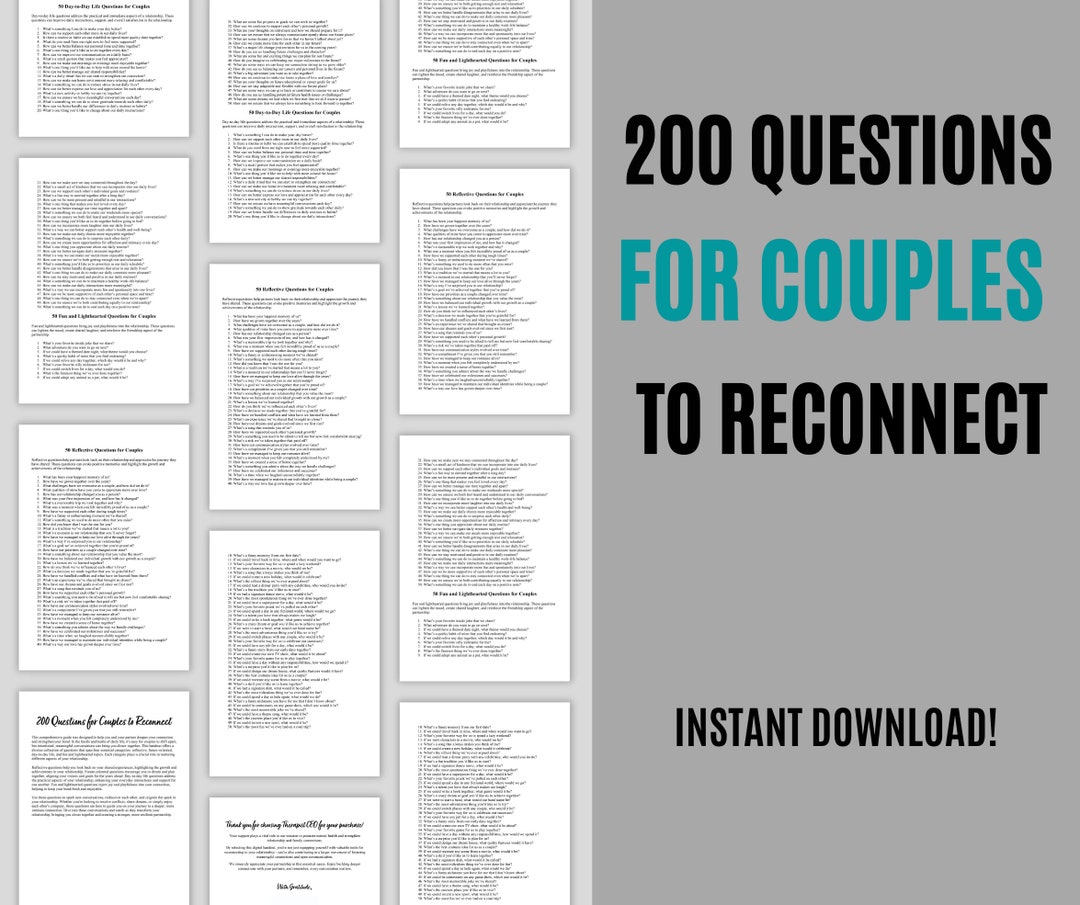
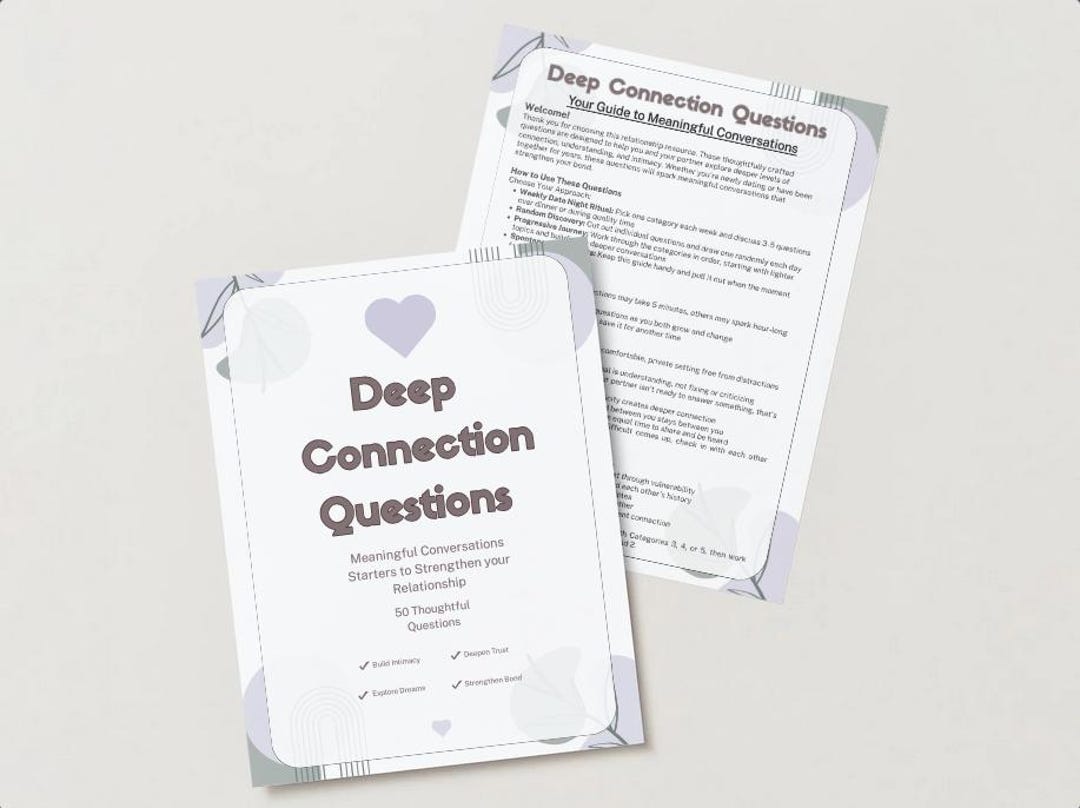
Deepening your emotional connection requires shifting daily dialogue away from routine logistics—such as chores, work updates, and schedules—toward meaningful self-disclosure. Using targeted conversation starters introduces safe vulnerability, fosters mutual empathy, and refreshes your partner's mental map of your inner world, allowing you to rebuild intimacy in a single focused evening.
Why Quality Communication Transforms Relationship Intimacy
Couples often fall into predictable patterns of communication over time. While operational dialogue—discussing dinner plans, household maintenance, and calendar coordination—keeps a household functioning, it rarely nourishes emotional closeness. Psychologists often refer to the internal knowledge you hold about your partner’s fears, hopes, values, and daily experiences as a "love map." Without deliberate updates, these mental models become outdated, leading partners to feel distant even while living under the same roof.
The transition from functional speech to emotional connection depends on structured vulnerability. Expressing non-defensive thoughts and asking open-ended questions signals to your partner that their internal experience remains interesting and valued. When partners regularly engage in deeper self-disclosure, their brains release oxytocin, fostering trust and lowering physiological stress.
Moreover, proactive conversation prevents dynamic decay. Instead of waiting for a milestone or a crisis to evaluate how you are growing together, using deliberate prompts creates low-stakes opportunities to discuss personal evolution, unresolved dreams, and hidden appreciations.
Setting the Environment for Meaningful Dialogue
A list of powerful questions cannot yield genuine intimacy if the environment is chaotic or distracted. To ensure your conversation achieves real depth, establish intentional parameters before asking the first question:
- Eliminate Digital Distractions: Place smartphones in another room or turn on "Do Not Disturb" modes. Screen presence reduces perceived empathy and interrupts subtle non-verbal cues essential for sensitive discussions.
- Choose a Low-Pressure Setting: Avoid bringing up deep prompts when either partner is hungry, severely fatigued, or rushing to complete a deadline. A quiet post-dinner tea, an evening stroll, or time spent lounging on the couch works best.
- Establish a Curiosity-First Mindset: Agree in advance that the goal is not to solve problems, defend past actions, or critique answers. Approach every response with genuine curiosity rather than judgment or unsolicited advice.
- Practice Active Silence: Allow brief pauses after your partner finishes speaking. Rushing to fill silence often cuts off deeper layers of an answer that your partner was still processing mentally.
50 Conversation Starters to Deepen Your Connection
The following 50 prompts are categorized by thematic intent. Use them flexibly—pick a single section that matches your mood tonight, or draw one prompt from each section for a balanced conversation.
Group 1: Reminiscing & Shared History
Revisiting shared memories reinforces your bond by reminding both partners of the foundation, humor, and resilience built over time.
- What was the exact moment you realized you had developed deep feelings for me?
- If you could relive one single day from our past together without changing anything, which day would it be?
- What is a small, quiet memory of us that you think about often, but have never mentioned to me?
- What was your very first impression of me, and how has that perception shifted over time?
- Which challenge or obstacle that we overcame together made us strongest as a couple?
- What is your favorite photo of us, and what was happening behind the scenes when it was taken?
- What early date or shared experience surprised you the most in a positive way?
- What tradition or habit that we created together brings you the most comfort?
- When was a time I supported you that made you feel truly understood?
- What lesson about love or partnership did we learn early in our relationship that still helps us today?
Group 2: Dreams, Ambitions & Future Vision
Understanding how your partner views their personal future helps align individual growth with couple goals.
- What is one personal goal or dream you have put on hold that you would love to revisit this year?
- If money and daily obligations were not a factor, what would an ideal day in our life five years from now look like?
- What skill, hobby, or domain of knowledge have you always wanted to master, and how can I support that pursuit?
- How has your definition of a fulfilling life changed over the past three to five years?
- If we could live anywhere in the world for just six months, where would you choose and why?
- What is an adventure or travel experience you feel we must complete together in our lifetime?
- What kind of legacy or impact do you hope we build through our life together?
- How do you want our daily rhythm and routine to evolve over the next few years?
- What is one project or initiative you would love for us to collaborate on together?
- In what area of your life do you feel you are currently growing the most, and where do you feel stuck?
Group 3: Emotional Intimacy & Vulnerability
Direct prompts designed to reveal emotional needs, current stress levels, and internal states.
- What is a worry or stressor you have been carrying lately that you haven't fully shared with me?
- In what ways do you feel most loved and cared for by me right now?
- Is there an area in your life where you currently feel misunderstood or unappreciated?
- What is one thing I could do this week to lighten your mental load or make you feel supported?
- What emotion have you felt most frequently over the past month, and what is driving it?
- How do you prefer to receive comfort when you are overwhelmed, sad, or anxious?
- What is a boundary or personal space requirement that you feel you need more of right now?
- When do you feel most emotionally safe and open when communicating with me?
- What is a fear about getting older or changing that you rarely speak out loud?
- What is one subtle sign you give when you are feeling disconnected or needing extra affection?
Group 4: Fun, Hypotheticals & Curiosity
Lighthearted, imaginative prompts that reintroduce playfulness and fresh insight into your partner's personality.
- If you could sit down for dinner with any historical or living person, who would it be and what would you ask them?
- What is a silly, secret talent or strange interest you have that I might not fully appreciate?
- If someone wrote a movie or book about our relationship, what genre would it be and what would the title be?
- What hypothetical superpower would make your daily routine significantly easier?
- If you were guaranteed an honest answer to any single secret of the universe, what would you ask?
- What reality TV show or game show do you secretly think we would win as a team?
- What was your favorite childhood song, meal, or pastime that still brings you nostalgia?
- If you had to teach a college-level course on any non-work topic, what would you choose?
- What impulse purchase under $100 brought you an unreasonable amount of joy?
- If we were assigned to build a business together tomorrow, what industry or concept would we choose?
Group 5: Love Languages & Relationship Growth
Action-oriented prompts focused on evaluating communication styles, affection, and relationship habits.
- What is a small romantic gesture or sign of affection that means a lot to you, but that we don't do often enough?
- How has our physical and emotional intimacy evolved, and what could help us nurture it further?
- What is one habit or communication habit we have that you think we should work on replacing?
- How well do you feel we balance our individual identities with our identity as a couple?
- What praise or appreciation have you wanted to hear from me more frequently?
- When was the last time you felt deeply proud of us as a team?
- What can I do to help you feel more comfortable expressing your needs open-endedly?
- How do you think we handle disagreement, and what could make our resolution process feel safer?
- What non-verbal gesture from me makes you feel instant affection or comfort?
- What is one intention or commitment we can make tonight to keep nurturing our connection?
Matching Prompts to Relationship Needs
Not every prompt fits every evening. Choosing the appropriate thematic angle based on your current emotional energy ensures a productive conversation.
| Category | Primary Focus | Best Environment | Targeted Outcome |
|---|---|---|---|
| Reminiscing & History | Nostalgia, gratitude, foundation | Relaxed evenings, anniversary dates, road trips | Re-establishes gratitude and reminds partners of shared resilience |
| Dreams & Future | Alignment, personal growth | Quiet weekend mornings, retreat settings | Prevents stagnation and aligns long-term trajectory |
| Emotional Intimacy | Vulnerability, support, stress relief | Private, low-distraction spaces (e.g., home evening) | Lowers emotional isolation and refreshes internal maps |
| Fun & Hypotheticals | Playfulness, lighthearted curiosity | Dinner out, casual walks, light evenings | Reintroduces joy, laughter, and spontaneous discovery |
| Growth & Love Languages | Relationship maintenance, feedback | Scheduled, intentional check-ins | Resolves minor friction points and strengthens relational habits |
Navigating Stalled or Uncomfortable Discussions
When engaging in deep conversation starters, it is normal to occasionally encounter friction, defensive reactions, or emotional pauses. Handling these moments constructive maintains psychological safety.
Managing Defensiveness
If a partner's response touches on a point of tension (for example, feeling unappreciated or overwhelmed), resist the immediate urge to explain, justify your actions, or counter-argue. Take a breath and focus entirely on receiving their experience. Use validating statements such as: "Thank you for sharing that with me. I appreciate your honesty, and I want to understand more about how that feels for you."
Handling Silence and Reluctance
If a prompt yields a brief answer or an "I don't know," avoid pressing aggressively. Some individuals require time to translate internal emotions into verbal language. Offer reassurance: "Take your time thinking about it, or we can skip this one and circle back to it whenever you'd like."
Utilizing Active Listening Steps
Ensure your communication remains reciprocal by adhering to standard active listening principles:
- Reflect back: Repeat the core sentiment in your own words ("It sounds like you felt really isolated during that month...").
- Validate emotion: Acknowledge the legitimacy of their feeling ("That makes total sense given how much pressure you were under").
- Inquire further: Ask non-judgmental, clarifying questions ("What was the hardest part of that experience for you?").
Turning Tonight’s Conversation into a Lasting Habit
A single evening of great dialogue creates immediate warmth, but consistent practice creates long-term relationship health. To turn conversation starters into a sustainable ritual:
- Establish a Weekly Check-In: Dedicate 20 to 30 minutes every week specifically for connection prompts, separate from household management discussions.
- Keep Prompts Accessible: Store your favorite questions on your phone, in a journal, or on cards near the dining table to make spontaneous deep conversations easier.
- Track Shared Insights: Consider keeping a shared note or couple’s journal to record key takeaways, future dreams, or books and experiences you both want to explore.
Frequently Asked Questions
What should I do if my partner finds conversation starters awkward or unnatural?
Start small by picking lighthearted, hypothetical, or nostalgia-based questions rather than heavy emotional topics. Frame the activity casually—such as asking a fun question over dinner—rather than announcing a formal connection exercise. As comfort grows, you can naturally introduce deeper themes.
How often should couples ask these types of deep questions?
While basic emotional check-ins should happen daily, dedicated deep-dive conversations using intentional prompts work best once or twice a week. Spacing them out allows time to absorb insights and prevents emotional fatigue.
Can these questions help resolve ongoing relationship conflict?
These prompts build baseline empathy and improve daily communication, but they are not designed to resolve severe, unmanaged conflicts directly. However, strengthening emotional intimacy makes future conflict resolution far smoother by establishing mutual trust.
What if my partner answers a question in a way that hurts my feelings?
Focus on staying calm and listening without interrupting. Treat their answer as valuable information about their internal experience rather than an attack. Once they have finished speaking, express your own feelings using soft, non-accusatory "I" statements, such as: "I felt a bit sad hearing that, but I'm glad you felt comfortable telling me."
Essential Next Steps for Deepening Connection Tonight
To transition from reading this guide to putting it into action, follow these practical steps tonight:
- Select 3 to 5 Prompts: Choose a few questions from the lists above that fit your relationship's current energy and mood tonight.
- Set up the Space: Turn off televisions, put phones out of reach, and prepare a comfortable seating area or drink to create an inviting atmosphere.
- Initiate with Warmth: Share your intention gently—for example: "I found some interesting questions today, and I’d love to hear your thoughts on a few of them while we relax tonight."
- Focus on Receiving: Keep your primary focus on listening, validating, and enjoying the process of learning something new about your partner.