Charlotte, North Carolina, has long been nicknamed the "City of Churches," a title reflecting its deep-rooted Scotch-Irish Presbyterian history and its current status as a vibrant epicenter for diverse religious expression. As of 2026, the city’s spiritual landscape is characterized by a unique blend of historic traditionalism, global megachurch influence, and a rapidly expanding interfaith and denominational tapestry that mirrors Charlotte's growth as a major American financial and cultural hub.
Whether you are a new resident navigating the "Queen City" or a visitor curious about the local culture, understanding the religious fabric of Charlotte is essential. The city’s churches are more than just places of worship; they are civic anchors, historical landmarks, and primary drivers of community service and social networking. Here are five essential things to know about the church environment in Charlotte.
1. The Historical "City of Churches" Identity Still Resonates
Charlotte’s identity as a religious hub is not a modern marketing invention; it is a historical reality that dates back to the 18th century. When the city was founded, it was heavily influenced by Scotch-Irish settlers who brought with them a rigid and robust Presbyterian tradition. This legacy is still visible today in the "Seven Sisters"—the historic Presbyterian churches that helped shape the city’s early development.
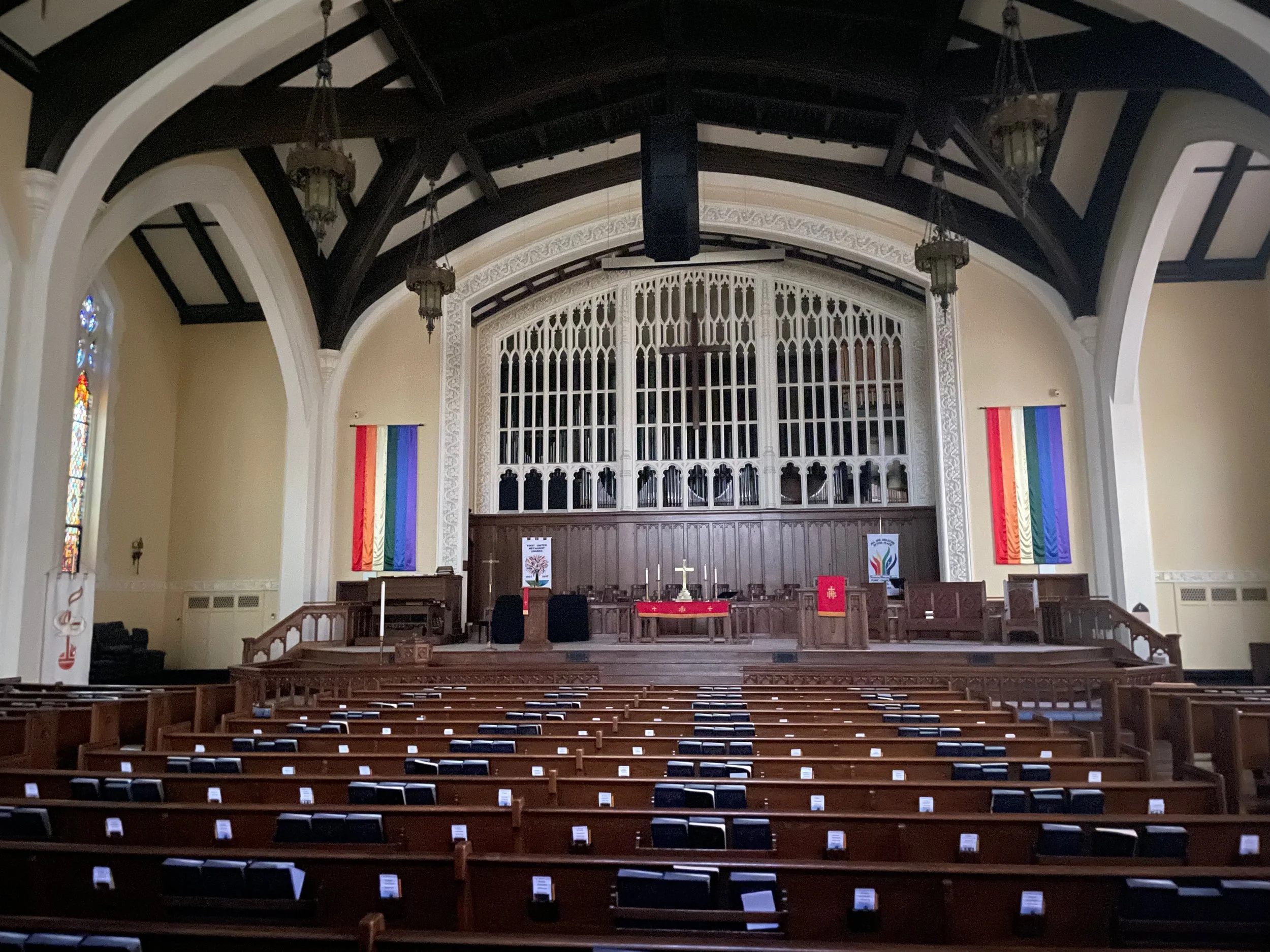
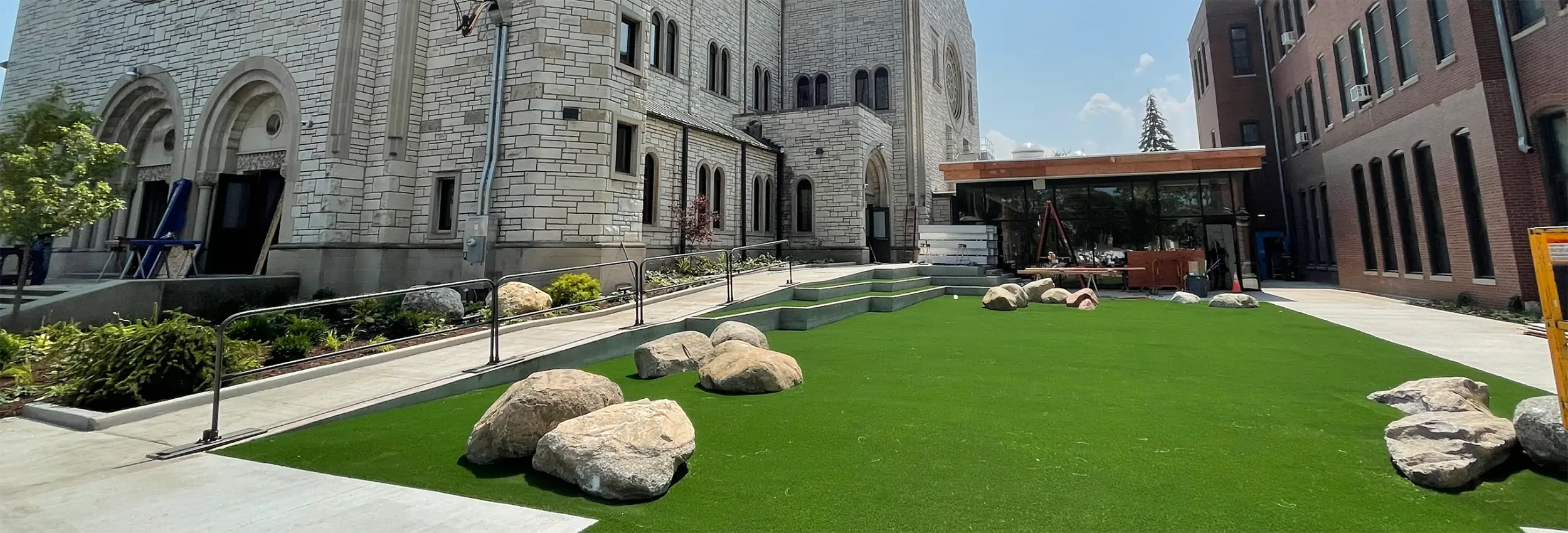
In 2026, walking through Uptown Charlotte provides a visual timeline of this history. St. Peter’s Catholic Church, First Presbyterian, and First United Methodist stand as architectural testaments to the city’s long-standing commitment to centralizing faith in the urban core. While the city has modernized, the influence of these legacy institutions remains significant in local government and civic leadership.
The Presbyterian Foundation
The Presbyterian influence is perhaps the most defining historical characteristic. For decades, the local leadership and the "old money" of Charlotte were synonymous with these congregations. Today, while the demographics of power have shifted, the philanthropic impact of these historic churches continues to fund many of the city’s most critical non-profits and social safety nets.
Architectural Significance
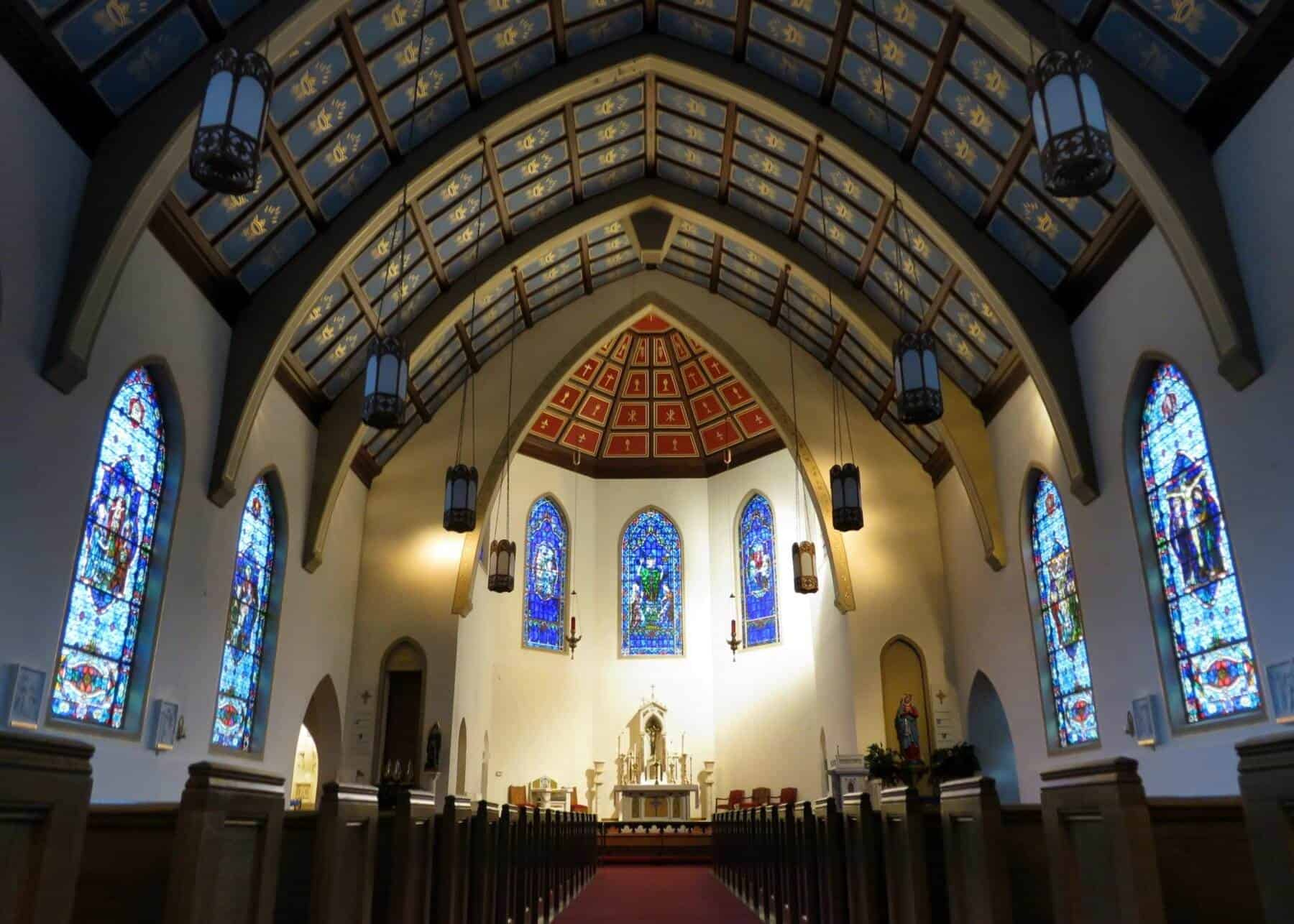
Beyond the theology, the physical structures of Charlotte's historic churches are among the most preserved sites in the city. Unlike many Southern cities that saw extensive destruction during various eras, Charlotte’s central churches often serve as the primary examples of Gothic Revival and Neoclassical architecture in the region.
2. Charlotte is an Epicenter for the "Megachurch" Movement
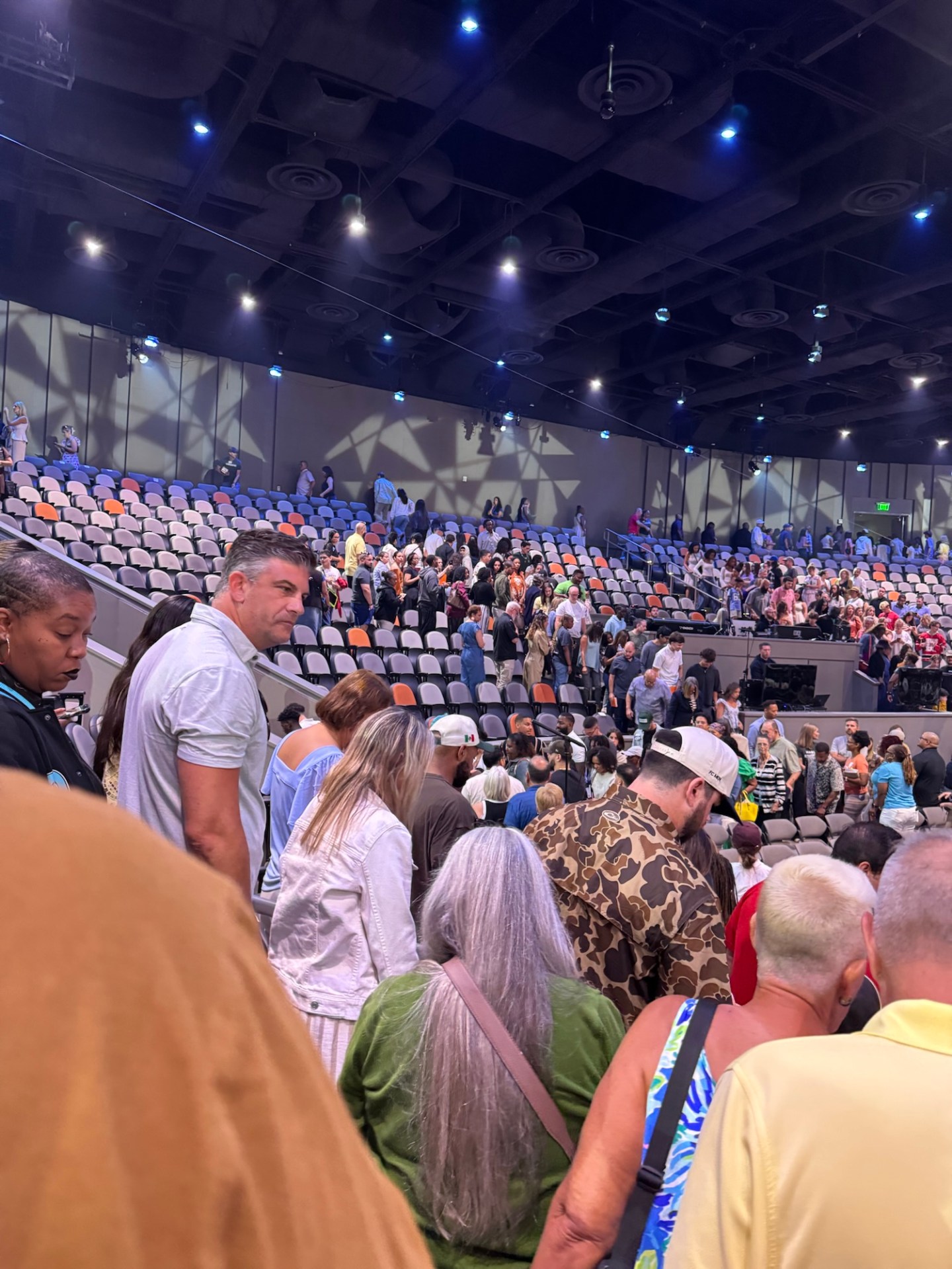
If the 19th century belonged to the Presbyterians, the late 20th and early 21st centuries in Charlotte have been defined by the rise of the megachurch. Charlotte is home to some of the most influential and technologically advanced congregations in the world. As of 2026, these organizations operate with the efficiency and reach of global media companies.
Elevation Church, led by Steven Furtick, is perhaps the most famous example, but it is far from the only one. Forest Hill Church, Calvary Church (famed for its massive pipe organ and 5,000-seat sanctuary), and Freedom House are all significant players in the regional religious landscape.
The Satellite Campus Model
One thing newcomers must understand is that a single "church" in Charlotte often exists across ten or more physical locations. These satellite campuses allow large organizations to maintain a "neighborhood" feel while providing the high-production worship services—complete with professional-grade lighting, sound, and digital streaming—that have become a hallmark of the Charlotte megachurch experience.
Impact on Local Culture
These large churches do more than provide Sunday services. They are often the largest providers of childcare, private education, and youth sports leagues in the Mecklenburg County area. For many families moving to the suburbs of Ballantyne, Huntersville, or Matthews, the local megachurch is the primary way they integrate into their new community.
3. Exceptional Denominational and Cultural Diversity
While the "Bible Belt" stereotype might suggest a monolithic religious culture, Charlotte in 2026 is remarkably diverse. The city’s rapid population growth, driven by the banking industry and a tech influx, has brought a wide array of religious traditions to the region.
The AME Zion Heritage
Charlotte is a global headquarters for the African Methodist Episcopal Zion (AME Zion) Church. This denomination has a profound history in the city, particularly regarding the Civil Rights Movement and the development of the Black middle class in Charlotte. Churches like Little Rock AME Zion and Grace AME Zion are not just religious centers but are pivotal in the city’s ongoing conversations regarding racial equity and economic mobility.
The Growth of Catholicism and Orthodoxy
Due to the influx of residents from the Northeast and a growing Hispanic population, the Roman Catholic Diocese of Charlotte has seen unprecedented growth over the last decade. St. Matthew Catholic Church in South Charlotte is consistently cited as one of the largest Catholic parishes in the United States by membership. Furthermore, the city hosts a vibrant Greek Orthodox community, centered around the Holy Trinity Greek Orthodox Cathedral, which hosts one of the largest cultural festivals in the city every September.
| Church Category | Notable Examples | Primary Area | Worship Style |
|---|---|---|---|
| Historic Mainline | First Presbyterian, St. Peter’s Catholic | Uptown | Liturgical / Traditional |
| Megachurch | Elevation, Forest Hill, Calvary | Multi-campus / Suburbs | Contemporary / High-Tech |
| AME Zion | Little Rock, Clinton Chapel | West Charlotte / Uptown | Gospel / Social Justice focused |
| Large-Scale Catholic | St. Matthew, St. Gabriel | South Park / Ballantyne | Traditional Mass / High Volume |
| Progressive/Inclusive | Myers Park Baptist, Holy Covenant UCC | Myers Park / University | Social Activism / Open & Affirming |
4. The Role of Church in Social Justice and Civic Life
In Charlotte, the line between the pulpit and the public square is often blurred. Churches are expected to be active participants in solving the city’s challenges, ranging from the affordable housing crisis to upward mobility.
MeckMin and Interfaith Cooperation
MeckMin (Mecklenburg Ministries) is a prime example of how Charlotte churches collaborate. This interfaith network brings together Christians, Jews, Muslims, Hindus, and Sikhs to address systemic issues. In 2026, this collaborative approach is the standard for how religious groups interact with the Charlotte-Mecklenburg Police Department and the City Council.
Addressing the "Wealth Gap"
Following the 2014 Chetty Study, which ranked Charlotte last in upward mobility among major U.S. cities, the local religious community underwent a significant shift. Many churches repurposed their endowments to build affordable housing units on their own land. When navigating the city, it is common to see new residential developments built on what used to be church parking lots or overflow fields—a direct result of faith-based initiatives to address the city's housing needs.
5. Practical Logistics for Attending Church in Charlotte
For those looking to attend a service in 2026, the "how" and "where" can vary significantly depending on the neighborhood and the denomination.
Dress Code and Etiquette
While the South is traditionally known for "Sunday Best" (suits and dresses), Charlotte’s modern churches have largely moved toward "California Casual." In many of the larger contemporary churches, jeans and t-shirts are the norm. However, if you are visiting a historic Uptown church or a traditional AME Zion congregation, formal attire is still highly respected and often expected.
Parking and Traffic
In Uptown Charlotte, parking is the primary logistical hurdle. Many historic churches have validated parking agreements with nearby decks, but it is essential to check their websites beforehand. In the suburbs, churches are often located on major arteries like Providence Road or Rea Road. On Sunday mornings, these roads experience significant "church traffic," which can rival weekday rush hours.
The "Sunday Brunch" Culture
It is important to know that church in Charlotte is a social event that extends beyond the benediction. The "Sunday Brunch" is a local institution. Many of the city's best restaurants in areas like South End, Dilworth, and NoDa see their peak hours immediately following morning services. If you plan to eat out after a service, reservations are almost always necessary in the 2026 dining landscape.
Navigating Modern Worship Trends in 2026
As we move through 2026, the "hybrid" worship model has become the standard in Charlotte. Almost every mid-to-large-sized congregation offers a high-definition livestream of their services. This has changed the way people "shop" for a church; most residents now watch several weeks of services online before ever stepping foot in a physical sanctuary.
Furthermore, there is a growing trend of "micro-churches" or "house churches" in the more urban, walkable neighborhoods like Plaza Midwood and Wesley Heights. These smaller, more intimate gatherings appeal to younger demographics who may feel disconnected from the scale of a 5,000-seat megachurch.
Finding Your Place in the Queen City
If you are looking for a church in Charlotte, the best approach is to identify your primary needs first.
- For Tradition: Look to the historic "Seven Sisters" in Uptown or the Myers Park neighborhood.
- For Production and Energy: Explore the various campuses of Elevation or Forest Hill.
- For Social Activism: Research the congregations involved with MeckMin or those located in the historic West End.
- For Community and Small Groups: Look for churches that emphasize "Life Groups" or "Circles," which are the primary way large Charlotte congregations facilitate personal connections.
Frequently Asked Questions
What is the oldest church in Charlotte?
While several congregations claim early 18th-century roots, First Presbyterian Church in Uptown is widely recognized as the first organized church within the city limits, established around 1821. However, Sugaw Creek Presbyterian and Steele Creek Presbyterian represent even older colonial-era congregations in the surrounding Mecklenburg County area.
Do I need to be a member to attend social events?
Generally, no. Most Charlotte churches, especially the larger ones, have an "open door" policy for their community events, festivals, and even some volunteer opportunities. In 2026, churches use these events as their primary method of community outreach and "onboarding" for potential new members.
Is it hard to find non-Christian houses of worship in Charlotte?
Not at all. While the city has a strong Christian heritage, Charlotte is home to a significant and growing number of synagogues (such as Temple Israel and Temple Beth El), mosques (including the Islamic Center of Charlotte), and Hindu temples. Most of these are located in the southern and eastern parts of the city and are very active in the interfaith community.
Are there many "traditional" churches left in Charlotte?
Yes. Despite the rise of modern, contemporary worship, there is a strong contingent of "High Church" traditions. Many Episcopal, Lutheran, and Presbyterian churches in the Myers Park and Eastover neighborhoods maintain strictly traditional liturgies, complete with professional choirs and pipe organs.
How do I find out about a church's stance on social issues?
In 2026, transparency is common. Most Charlotte churches explicitly state their mission, values, and stances on their websites. For those looking for "Open and Affirming" congregations (specifically welcoming to the LGBTQ+ community), searching the databases of organizations like the United Church of Christ (UCC) or the Alliance of Baptists will provide a list of local inclusive churches.
Selecting a Congregation for Your Needs
When choosing a church in Charlotte, the most effective "next step" is to attend a mid-week event or a small group gathering rather than just a Sunday morning service. Because Charlotte churches can be so large, the "Sunday morning experience" is often more like a performance or a lecture. The true character of a congregation is found in its smaller "Life Groups" or community service teams. Most churches in the city offer an "Intro to the Church" class or a newcomer's brunch specifically designed to help residents navigate the overwhelming number of options in this "City of Churches."