McDonald’s is more than a fast-food giant; it is a global phenomenon with a business model that transcends simple burger flipping. From its secret identity as a real estate titan to the specific engineering behind its soda, the company operates with a level of precision and scale that often surprises even its most loyal customers.
More Than a Burger Chain: The Real Estate Empire
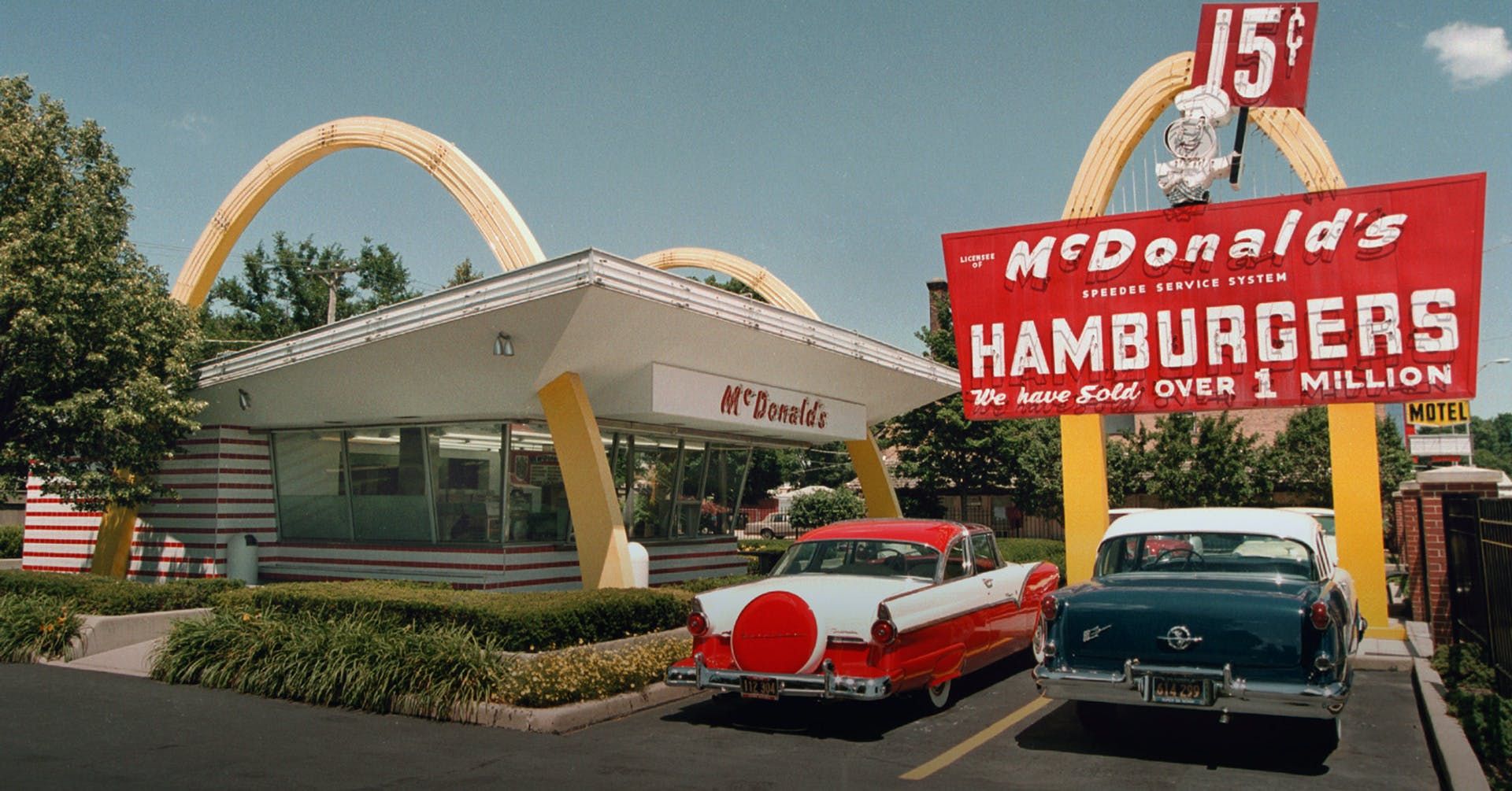
One of the most significant revelations for those studying corporate structures is that McDonald’s is not primarily in the business of selling food. While the Golden Arches are synonymous with Big Macs, the McDonald's Corporation is, at its core, a massive real estate company. This business model was pioneered by Harry J. Sonneborn, the company's first president, who famously remarked that the only reason they sold hamburgers was because they were the greatest generator of revenue from which tenants could pay rent.
Unlike most other franchisors that simply collect a royalty fee based on a percentage of sales, McDonald’s owns or holds long-term leases on the land and the buildings where its restaurants are located. Franchisees do not just pay for the brand name and the supply chain; they pay a substantial monthly rent to the corporation. In 2026, this remains the primary engine of the company's multi-billion dollar annual profit.
By owning the real estate, McDonald’s exerts a level of control over its franchisees that is virtually unmatched in the industry. If a franchisee fails to meet the company's rigorous standards, they risk losing their lease, which is a far more immediate threat than a simple breach of a franchise agreement. This "landlord" strategy provides the corporation with a stable, predictable income stream that is insulated from the volatile fluctuations of food costs and labor markets.
The Science of the Perfect Soda: Why McDonald’s Coke Tastes Better
Many consumers swear that Coca-Cola served at McDonald’s tastes superior to the version found in cans, bottles, or even other fast-food fountains. This is not a placebo effect; it is the result of a highly technical and exclusive partnership between Coca-Cola and McDonald’s that dates back to 1955. While most restaurants receive their Coke syrup in plastic bags (bag-in-box), McDonald’s receives its syrup delivered in large stainless steel tanks.
The use of stainless steel preserves the freshness of the syrup and protects it from light, air, and temperature changes. However, the syrup storage is only one part of the equation. McDonald's employs an advanced filtration system to ensure the water used for carbonation is of the highest purity. Furthermore, both the water and the syrup are pre-chilled before they enter the fountain dispenser.
Maintaining the liquid at a temperature just above freezing allows for maximum carbon dioxide absorption, resulting in a crisper, more effervescent drink. Even the straws are engineered for this purpose; they are slightly wider than standard straws so that the carbonation and flavor can hit more of your taste buds at once. This meticulous attention to the "Brix" ratio (the sugar-to-water ratio) ensures that as ice melts in the cup, the flavor remains consistent rather than becoming watered down.
The World’s Largest Toy Distributor
When people think of the world’s largest toy distributors, names like Mattel, Hasbro, or Amazon often come to mind. However, because of the Happy Meal, McDonald’s consistently holds this title. Since its introduction in 1979, the Happy Meal has become a cultural staple, and the company distributes approximately 1.5 billion toys globally every year.
This volume gives McDonald’s immense leverage in the entertainment industry. Major film studios often vie for partnership slots to have their characters featured in Happy Meals, viewing it as one of the most effective marketing channels for children. In recent years, leading up to 2026, the company has faced increasing pressure to address the environmental impact of these toys.
In response, McDonald’s has undergone a massive transition toward sustainable materials, significantly reducing its use of virgin plastics in favor of recycled materials, plant-based plastics, and fiber-based toys. Despite these changes, the sheer scale of distribution remains a "shocking" logistical feat. The company’s ability to manufacture, package, and ship over a billion units of a specific product annually—often changing themes every few weeks—surpasses the logistical capabilities of many dedicated toy manufacturers.
Feeding One Percent of the World Daily
The scale of McDonald’s operations is difficult to grasp without looking at the raw data. With over 40,000 locations across more than 100 countries, McDonald's feeds approximately 69 million people every single day. To put that in perspective, that is roughly 1% of the entire human population eating at a McDonald’s at any given 24-hour interval.
This level of market penetration requires a supply chain that is unparalleled in the private sector. McDonald’s is one of the world's largest purchasers of beef, pork, potatoes, lettuce, and apples. Consequently, any shift in McDonald’s procurement policies has a ripple effect throughout the global agricultural industry.
For instance, when McDonald's committed to sourcing cage-free eggs or sustainable beef, it effectively forced the entire industry to adapt to those standards because the volume of their orders is so large that suppliers cannot afford to lose the contract. This "McDonald’s Effect" means the company often acts as a de facto regulator for food safety and animal welfare standards in regions where government oversight may be less stringent.
The Evolution and Chemistry of the World-Famous Fries
The McDonald’s French fry is arguably the most recognizable food item in the world, but its composition has changed dramatically over the decades. Originally, the fries were cooked in a blend of 93% beef tallow and 7% cottonseed oil. This gave them a distinct, savory flavor that many older customers still recall fondly. However, in 1990, under pressure from health advocates concerned about saturated fats, the company switched to 100% vegetable oil.
To replicate the original flavor, the company added "natural beef flavor" to the oil. This remains a point of contention and a "shocking" fact for many vegetarians and vegans, as the fries in the United States are technically not vegetarian due to this additive derived from wheat and milk derivatives used to mimic the beef taste.
Furthermore, the process of creating the "perfect" fry involves significant chemical engineering. In the U.S. market, the ingredient list for fries includes more than a dozen items, including:
- Dextrose: A form of sugar used to ensure a uniform golden color after frying.
- Sodium Acid Pyrophosphate: Used to prevent the potatoes from turning gray or brown after being harvested and processed.
- Polydimethylsiloxane: An anti-foaming agent added to the oil to prevent it from splattering during the high-volume cooking process.
Comparison of McDonald's Global Operational Stats (2026 Projections)
The following table outlines the sheer magnitude of the McDonald's ecosystem, highlighting the differences between their corporate identity and their consumer-facing presence.
| Metric | Estimated Value/Status | Significance |
|---|---|---|
| Total Global Locations | 42,000+ | Ubiquity in urban and rural markets. |
| Daily Customers | 69-72 Million | Roughly 1% of the global population. |
| Annual Toy Distribution | 1.5 Billion | Largest toy distributor worldwide. |
| Primary Revenue Source | Real Estate Leases | More profitable than food sales. |
| Beef Procurement | ~1 Billion Lbs/Year | Massive influence on global cattle markets. |
| French Fry Ingredients | 14-19 (Regionally dependent) | High level of processing for consistency. |
How to Navigate McDonald's Menu in 2026
Given the complexity of the ingredients and the scale of the operations, consumers often look for ways to maximize value or health when visiting the Golden Arches. By 2026, the digital integration of McDonald's has reached its peak, with the mobile app and kiosks being the primary methods of interaction.
To ensure the freshest food, many "pro-tips" suggest ordering items with a slight modification (such as fries with no salt) to force the staff to prepare a fresh batch. However, a more effective method is simply to visit during high-volume periods (lunch and dinner rushes) when the high turnover rate naturally ensures that food has not been sitting in the warming bins for long. For those concerned with nutrition, the most impactful action remains checking the digital transparency boards available on the app, which provide real-time updates on regional ingredient variations.
Frequently Asked Questions
Is the "Pink Slime" still used in McDonald's burgers?
No, McDonald’s officially stopped using "lean finely textured beef" (often colloquially called "pink slime") in 2011. Since then, their beef patties have been advertised as 100% ground beef with no fillers, binders, or ammonia treatment. The transition was a response to significant public pressure and a desire to improve the brand's quality perception.
Why do the ice cream machines always seem to be broken?
The perceived unreliability of McDonald's ice cream machines is often due to the intensive cleaning cycle required by the Taylor-brand machines used in most locations. These machines undergo a four-hour heat-cleaning cycle every night to kill bacteria. If the cycle fails or is interrupted, the machine locks itself for safety until a manual reset or repair is performed. By 2026, newer machine models with improved diagnostics have begun rolling out to address this long-standing customer frustration.
Does McDonald’s have a "Gold Card" for free food?
Yes, the "McGold Card" is a real entity, though it is extremely rare. Historically, it has been given to high-profile individuals like Bill Gates or Warren Buffett. However, McDonald's occasionally runs nationwide sweepstakes where regular customers can win a card that entitles them to two free meals per week for 50 years. It is a promotional tool rather than a standard loyalty tier.
Are McDonald’s fries vegetarian?
In the United States, McDonald’s fries are not considered vegetarian because they contain "natural beef flavor" which includes milk derivatives. However, in other countries like the United Kingdom or India, the fries are prepared without these animal-derived flavors and are certified as vegan or vegetarian. Customers should always check the local regional ingredient list if they have dietary restrictions.
Make Informed Choices at the Golden Arches
As we move through 2026, the best way to interact with a global giant like McDonald’s is through transparency and moderation. Utilize the company’s nutritional calculators and ingredient disclosures to understand exactly what you are consuming. While the "shocking" nature of their real estate or chemical engineering can be surprising, being an informed consumer allows you to enjoy the convenience of fast food without being unaware of the massive corporate and scientific machinery operating behind the counter.