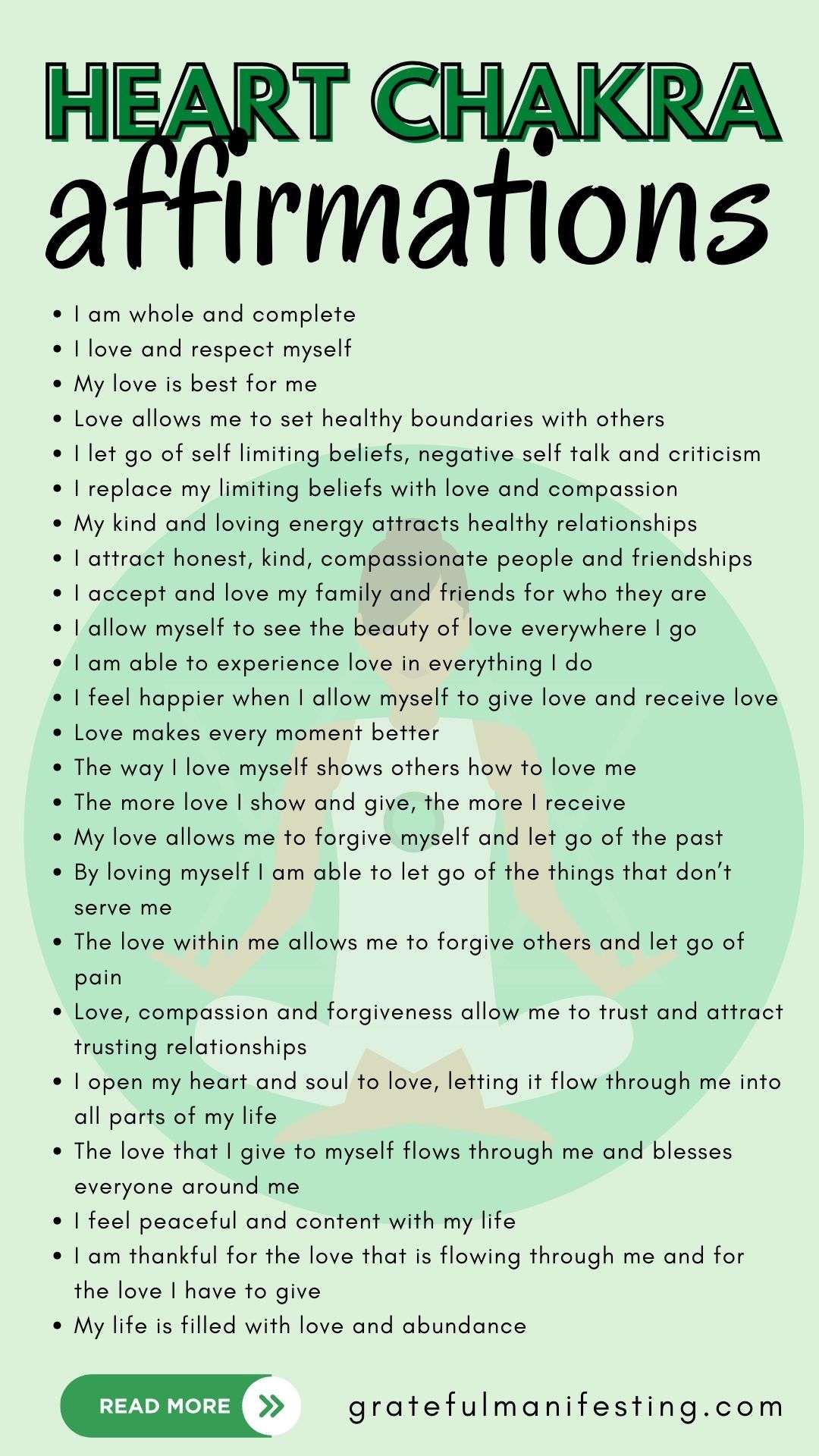
Affirmations are positive statements that can reconfigure cognitive patterns, helping to cultivate a joyful heart by shifting focus from scarcity to abundance. By repeating phrases like "I am worthy of infinite love," you actively engage neuroplasticity to foster emotional resilience and deepen your capacity for genuine connection.
The Science of Affirmations: Why They Work for the Heart
To understand why affirmations are effective, one must look at the intersection of psychology and neurology. As of 2026, research in neuroplasticity continues to demonstrate that the human brain is not a static organ but a dynamic system capable of restructuring itself based on repetitive stimuli. This process, often referred to as "Hebbian learning," suggests that neurons that fire together, wire together. When you consistently practice affirmations, you are essentially creating and strengthening neural pathways associated with positive self-perception and emotional regulation.
Self-affirmation theory, originally proposed by Claude Steele in the late 1980s, posits that individuals have a fundamental motivation to maintain self-integrity. When this integrity is threatened—by stress, heartbreak, or self-doubt—affirmations serve as a mechanism to broaden the self-view. Instead of focusing on a singular failure or a feeling of loneliness, affirmations remind the subconscious of the global self-worth. This cognitive expansion reduces the physiological stress response, lowering cortisol levels and improving heart rate variability (HRV), which is a key indicator of a "joyful" or resilient heart.
Furthermore, affirmations activate the ventral striatum and the ventromedial prefrontal cortex—the brain's reward centers. By focusing on love and joy, you are not merely engaging in "wishful thinking"; you are chemically signaling your body to move out of a "fight or flight" sympathetic state and into a "rest and digest" parasympathetic state. This transition is essential for physical heart health and emotional openness.
1. I Am Worthy of Infinite Love and Compassion
This affirmation targets the foundational belief of self-worth. Many people struggle with a "worthiness gap," a subconscious feeling that love is a reward to be earned rather than a natural state of being. By stating, "I am worthy of infinite love and compassion," you are dismantling the internal barriers of perfectionism and self-criticism.
The psychological concept of "Unconditional Positive Regard," pioneered by Carl Rogers, emphasizes that for a person to "grow," they need an environment that provides them with genuineness, acceptance, and empathy. When you provide this to yourself through affirmations, you create an internal environment conducive to emotional healing. This affirmation is particularly powerful because it uses the word "infinite." In a world that often treats love as a finite resource—something that can be lost or taken away—affirming its infinity shifts the mindset from competition to abundance.
Practicing this daily helps to quiet the "inner critic." In 2026, with the rise of hyper-connected social media environments, the pressure to compare one’s internal reality with everyone else’s external highlight reel is immense. This affirmation acts as a shield, grounding you in the truth that your value is inherent and not contingent upon external validation or accomplishments.
2. My Heart Is Open to Giving and Receiving Pure Joy
Love is a reciprocal energy. A joyful heart is one that is not only capable of radiating affection but is also vulnerable enough to receive it. Many individuals develop "emotional armor" due to past disappointments, which protects the heart but also isolates it. This affirmation—"My Heart Is Open to Giving and Receiving Pure Joy"—serves as a gentle invitation to lower those defenses.
The "receiving" aspect is often the most difficult for high-achievers or those in caretaking roles. There is a common psychological phenomenon known as "receiver's guilt," where an individual feels indebted or uncomfortable when offered kindness. By affirming your openness to receiving, you balance the emotional scales. This balance is critical for maintaining long-term joy; a heart that only gives eventually experiences "compassion fatigue" or burnout.
On a physiological level, an open heart is linked to higher levels of oxytocin, often called the "bonding hormone." Oxytocin has cardio-protective properties, including the ability to lower blood pressure. When you focus on the flow of joy, you are supporting both your emotional state and your physical cardiovascular system. This affirmation encourages a state of "flow," where love moves through you without obstruction.
3. I Release Past Hurts to Make Room for New Love
Forgiveness is not necessarily about the other person; it is about the freedom of the forgiver. A heart cluttered with the debris of past grievances has little room for the freshness of current joy. Affirming, "I release past hurts to make room for new love," is a commitment to emotional hygiene.
In the context of 2026 wellness standards, emotional release is recognized as a prerequisite for mental clarity. Holding onto resentment creates "cognitive load"—a mental tax that slows down your ability to process current positive experiences. When you repeat this affirmation, you are performing a "cognitive reframing" of your past. You are choosing to view past hurts not as permanent scars, but as lessons that have been integrated and are now being set aside.
This affirmation is most effective when paired with the visualization of breathing out old energy and breathing in new possibilities. It acknowledges that while the past occurred, it does not have a permanent seat at the table of your current life. By consciously making "room," you are signaling to your subconscious that you are ready for new connections, whether they are romantic, platonic, or a deeper connection with yourself.
4. I Radiate Love, and It Returns to Me Multiplied
This affirmation is rooted in the "Law of Reciprocity" and the psychological concept of "Social Projection." When you carry a disposition of love, you tend to interpret the actions of others through a more charitable lens, and you behave in ways that naturally elicit more positive responses from your environment.
By stating "I radiate love," you are taking agency over your emotional output. You are not waiting for the world to be kind to you before you are kind to the world; you are the initiator. This proactive stance is a hallmark of emotional intelligence. In 2026, as we navigate complex social dynamics in both physical and digital spaces, the ability to maintain one's own emotional frequency is a vital skill.
The second part of the affirmation—"it returns to me multiplied"—builds an expectation of positive feedback loops. This is not about magical thinking, but about the "Reticular Activating System" (RAS) in the brain. The RAS acts as a filter; when you tell your brain to look for love returning to you, it will begin to notice small acts of kindness, opportunities for connection, and moments of beauty that it might have previously filtered out. This creates a self-fulfilling prophecy of joy.
5. I Am Grounded in Peace and Centered in Love
A joyful heart is a stable heart. It is easy to feel love when things are going well, but the true test of a joyful heart is the ability to return to a baseline of peace during turbulence. "I Am Grounded in Peace and Centered in Love" is an affirmation of stability.
"Groundedness" refers to being present in the physical body and the current moment, rather than being lost in anxieties about the future or regrets about the past. Being "centered in love" means that love is your primary operating system—the place from which you make decisions and respond to challenges. According to the National Center for Complementary and Integrative Health, mindfulness and grounding techniques can significantly reduce symptoms of anxiety and depression, which are the primary thieves of joy.
In 2026, the pace of life continues to accelerate, making these grounding affirmations more necessary than ever. This specific phrase helps to regulate the nervous system by providing a verbal "anchor." When you feel overwhelmed, returning to this affirmation can help reset your emotional state, allowing you to approach your day with a calm, joyful perspective rather than one of frantic reactivity.
Comparing the Impact of Affirmations on Emotional Resilience
The following table outlines how different types of affirmations contribute to the overall goal of a joyful heart and the frequency recommended for maximum benefit.
| Affirmation Focus | Primary Psychological Driver | Desired Emotional Outcome | Recommended Daily Practice |
|---|---|---|---|
| Self-Worth | Self-Compassion | Internal Security & Confidence | Morning (Upon waking) |
| Openness | Vulnerability | Deeper Connections & Intimacy | Before social interactions |
| Release | Forgiveness | Emotional Freedom & Space | Evening (During reflection) |
| Reciprocity | Proactivity | Positive Social Feedback | Throughout the workday |
| Stability | Mindfulness | Resilience & Peace | During stressful moments |
Practical Application: How to Integrate These Into Your 2026 Routine
To see material changes in your emotional state, affirmations must move from a passive reading exercise to an active cognitive habit. In 2026, the most effective methods involve "habit stacking"—attaching your affirmation practice to an existing daily routine.
- Mirror Work: Stand in front of a mirror, look yourself in the eyes, and speak your affirmations aloud. This adds a layer of visual and auditory reinforcement. The Mayo Clinic notes that positive self-talk can improve cardiovascular health and provide better coping skills during hardships.
- Digital Reminders: Set periodic notifications on your smartphone or wearable device that display one of the affirmations. This helps interrupt negative thought loops that may occur during a busy day.
- Scripting: Write each affirmation down five times in a journal every morning. The tactile act of writing engages different parts of the brain than speaking does, further embedding the belief into your subconscious.
- Somatic Integration: As you say an affirmation, place your hand over your heart. This physical touch can trigger the release of oxytocin and help you "feel" the affirmation in your body, rather than just thinking it in your head.
Common Pitfalls and Troubleshooting Heart-Centered Affirmations
If you find that affirmations are not working for you, or if they feel "fake," you may be experiencing "cognitive dissonance." This happens when there is a significant gap between the affirmation and your current belief system.
- The "Lying" Feeling: If "I am worthy of infinite love" feels like a lie, try softening the statement. Use "bridge affirmations" such as, "I am open to the possibility that I am worthy of love," or "I am learning to see my own worth." This reduces the psychological resistance.
- Lack of Consistency: Affirmations are like physical exercise; you cannot expect a "joyful heart" after one day of practice. It takes approximately 66 days to form a new habit, and cognitive shifts often take even longer.
- Ignoring Shadow Emotions: Affirmations are not a tool for "toxic positivity." If you are feeling deep grief or anger, acknowledge those feelings first. You can say, "I feel sad right now, AND I am worthy of love." Forcing a positive thought over an unaddressed negative emotion can lead to emotional suppression.
FAQ
How long does it take for love affirmations to work?
Most people begin to feel a subtle shift in their mood within 2-3 weeks of consistent daily practice. However, significant changes in core beliefs and emotional resilience typically require 3 to 6 months of dedicated application. Consistency is more important than duration; five minutes every day is more effective than an hour once a week.
Can affirmations help fix a broken heart?
Yes, affirmations are a vital tool in the healing process following a loss or breakup. Affirmations focused on "Release" and "Self-Worth" are particularly helpful for rebuilding the ego and letting go of the physiological attachment to a former partner. They help redirect the focus from the external loss to internal recovery.
Is it better to say affirmations silently or out loud?
While silent affirmations are useful in public settings, saying them out loud is generally more effective. Speaking the words engages your vocal cords and auditory system, providing your brain with more sensory input to process the information. The sound of your own voice carries a unique authority to your subconscious mind.
Should I focus on one affirmation or use all five?
It is often more effective to focus on one affirmation that resonates most deeply with your current needs for a week or two, then rotate to another. This prevents the words from becoming a "rote" exercise where you say them without thinking about their meaning.
Cultivating a Lifelong Joyful Heart
The journey toward a joyful heart is a continuous process of returning to center. In the landscape of 2026, where digital noise and global stresses can easily pull us away from our peace, these five powerful affirmations of love serve as essential anchors. They are not merely sentences, but declarations of your intent to live a life governed by love rather than fear.
To move forward, select the one affirmation that feels the most challenging or the most "needed" right now. Commit to practicing it using one of the integration methods mentioned—such as mirror work or scripting—for the next 30 days. By taking this small, consistent action, you are taking charge of your emotional destiny and building a heart that is truly joyful, resilient, and open.