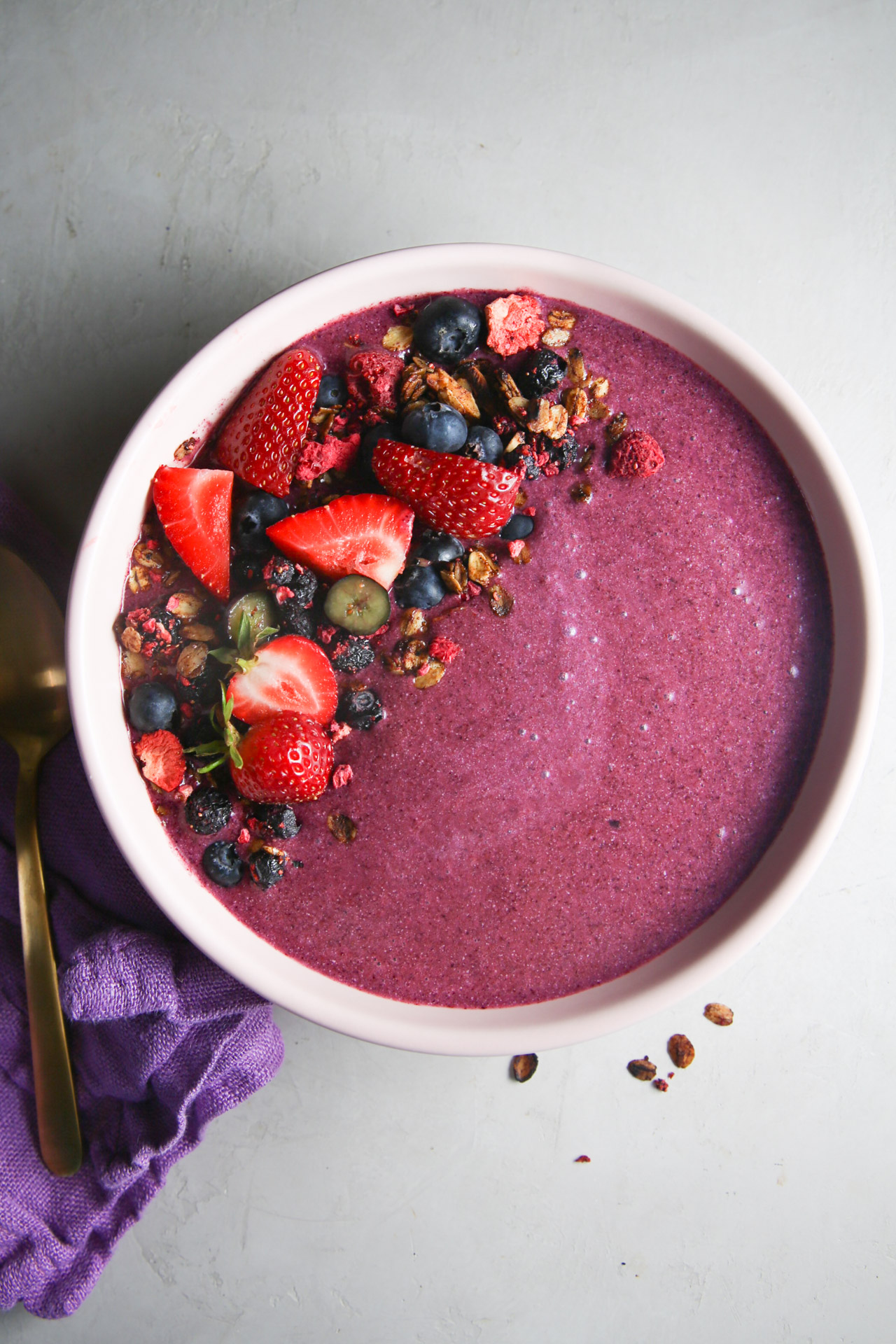
To make a 5-minute frozen smoothie that is bursting with flavor, blend 1.5 cups of frozen mixed berries with 1 cup of unsweetened almond milk, 1/2 cup of Greek yogurt, one tablespoon of nut butter, and a squeeze of honey. This combination ensures a creamy texture, balanced nutrition, and a vibrant taste profile without the need for added ice.
The Anatomy of a High-Flavor Frozen Smoothie
The secret to a smoothie that tastes professional rather than watered-down lies in the ratio of solids to liquids and the temperature of the ingredients. In 2026, the trend in home nutrition has moved away from "juice-style" smoothies toward nutrient-dense, fiber-rich blends that function as complete meal replacements or high-energy snacks.
Using frozen fruit serves a dual purpose: it provides the primary flavor profile and acts as the cooling agent. When you use ice cubes, the smoothie eventually melts into a diluted, gritty consistency. By utilizing flash-frozen fruits—whether store-bought or prepared at home—you achieve a "soft-serve" texture that carries the natural sugars and acids of the fruit more effectively across the palate.
Why Frozen Fruit Wins
Frozen fruit is often picked at peak ripeness and immediately frozen, which preserves the vitamin C and antioxidant content. According to studies on nutrient retention in frozen produce, frozen fruits can often be more nutritionally dense than "fresh" fruits that have spent days in transit and on grocery store shelves. For a recipe intended to be healthy, this nutritional density is paramount.
The Essential 5-Minute Formula
Efficiency is the cornerstone of a sustainable healthy habit. To achieve a 5-minute turnaround, you must follow a specific assembly order. This prevents the blender blades from getting "stuck" and ensures a homogenous mix without constant stopping and stirring.
- Liquids First: Always pour your base (milk, water, or coconut water) into the blender first. This creates a vortex that pulls the solid ingredients down.
- Powders and Seeds: Add your protein powder, chia seeds, or flax meal next so they are fully integrated into the liquid.
- Leafy Greens: If adding spinach or kale, place it on top of the liquid to ensure the leaves are pulverized completely.
- Frozen Fruit and Solids: Add the heavy frozen items last. Their weight pushes the other ingredients toward the blades.
| Ingredient Category | Recommended Options (2026 Trends) | Purpose |
|---|---|---|
| Liquid Base | Unsweetened Oat Milk, Coconut Water, Cold Brew | Hydration and creamy texture |
| Frozen Fruit | Wild Blueberries, Mango Chunks, Dark Cherries | Flavor, antioxidants, and chill |
| Protein/Fat | Greek Yogurt, Almond Butter, Hemp Hearts | Satiety and blood sugar regulation |
| Flavor Boosters | Fresh Ginger, Lime Zest, Ground Cinnamon | "Burst" of flavor and metabolic support |
| Green Element | Baby Spinach, Microgreens, Frozen Zucchini | Micronutrients without changing flavor |
Enhancing the "Flavor Burst": Beyond the Fruit
A common complaint with healthy smoothies is that they can taste "earthy" or bland. To achieve a flavor that truly pops, you must incorporate elements of acidity, spice, and natural aromatics.
The Role of Acidity
A small amount of acid acts as a flavor brightener. A teaspoon of lemon juice or lime zest can transform a heavy berry smoothie into something refreshing and sharp. The acid cuts through the fat of the yogurt or nut butter, making the fruit flavors feel more prominent.
Aromatics and Spices
Do not underestimate the power of dry spices. A pinch of sea salt enhances the perception of sweetness without adding sugar. Cinnamon is excellent for balancing the sugars in bananas or apples, while fresh ginger provides a spicy "kick" that pairs beautifully with tropical fruits like mango or pineapple. In 2026, culinary medicine often highlights ginger for its anti-inflammatory properties, making it a functional addition to your morning routine.
Step-by-Step Execution Guide
Step 1: Preparation of the Base
Select 1 cup of your preferred liquid. If you are looking for a lower-calorie option, unsweetened almond milk or plain water works best. For a richer, more indulgent feel, use full-fat coconut milk. Avoid fruit juices as the base; they add unnecessary refined sugar and can lead to a mid-morning energy crash.
Step 2: Adding the Creaminess
Add 1/2 cup of plain Greek yogurt or a plant-based alternative like cashew yogurt. This provides the protein necessary to make the smoothie a "healthy" meal rather than just a sugar hit. Protein slows down the digestion of the fruit's fructose, providing a steady release of energy.
Step 3: Incorporating the "Flavor Burst"
Add your chosen flavor enhancers. For a berry-based smoothie, add 1/2 teaspoon of vanilla extract and a pinch of cinnamon. For a tropical smoothie, add a tablespoon of shredded coconut and a squeeze of lime.
Step 4: The Frozen Core
Measure 1.5 cups of frozen fruit. If you are using large pieces, like frozen strawberries or peach slices, ensure they are not clumped together in one large mass, as this can strain the motor of smaller blenders.
Step 5: The High-Speed Blend
Start your blender on the lowest setting and quickly increase to high. Blend for 45 to 60 seconds. If the mixture is too thick, add liquid one tablespoon at a time through the lid cap while the motor is running.
Nutritional Optimization for 2026 Standards
As we look at health trends in 2026, the focus has shifted toward gut health and glycemic control. To make this smoothie "healthy" by modern standards, consider the following modifications:
- Fiber Fortification: Add a tablespoon of psyllium husk or acacia fiber. These are largely tasteless but significantly improve digestion and contribute to a feeling of fullness.
- Low-Sugar Fruit Selection: If you are monitoring blood glucose, prioritize raspberries and blackberries over bananas and grapes. According to Harvard Health, berries have a lower glycemic index and a higher fiber-to-sugar ratio.
- Healthy Fats: Including a source of fat, such as a quarter of an avocado or a tablespoon of chia seeds, is essential for the absorption of fat-soluble vitamins (A, D, E, and K) found in the leafy greens you might add.
Troubleshooting Common Smoothie Issues
Even a 5-minute recipe can go wrong. Here is how to fix the most common issues:
The Smoothie is Too Thin
This usually happens when too much liquid is used or the fruit wasn't fully frozen. To fix this without adding more sugar, add a few cubes of frozen cauliflower. It adds creaminess and bulk without changing the flavor profile of the fruit.
The Color is Unappealing (The "Brown" Smoothie)
This occurs when you mix complementary colors on the color wheel—specifically greens (spinach) with reds/purples (strawberries/blueberries). While still healthy, it looks unappetizing. To maintain a vibrant color, pair greens with yellow fruits (mango/pineapple/banana) or stick to an all-berry palette.
The Blender is Smelling "Hot"
If your blender is struggling, you likely have an air pocket (cavitation). Stop the blender, use a tamper or a long spoon to push the ingredients down, and add another splash of liquid. Never continue to run a struggling motor, as it can burn out the drive socket.
Strategic Meal Prep for Instant Access
To truly hit the 5-minute mark every morning, "smoothie packs" are the gold standard. Once a week, portion out your frozen fruit, greens, and seeds into individual reusable silicone bags. In the morning, all you need to do is pour the liquid into the blender, dump the contents of the bag on top, and blend. This eliminates the need for measuring cups and reduces the "decision fatigue" that often leads to less healthy breakfast choices.
Frequently Asked Questions
Can I use fresh fruit instead of frozen?
Yes, but the texture will be significantly thinner and warmer. If you use fresh fruit, you must add approximately 1 cup of ice to achieve a traditional smoothie consistency. However, be aware that ice will dilute the flavor as it melts.
What is the best protein source for a healthy smoothie?
Greek yogurt provides the best "bang for your buck" regarding protein and probiotics. For vegans, a fermented pea protein or hemp protein is recommended. These options avoid the bloating often associated with whey protein concentrates.
How long does a frozen smoothie stay fresh?
A smoothie is best consumed immediately. If you must save it, store it in an airtight glass jar in the freezer. When ready to drink, let it thaw for 15 minutes and give it a vigorous shake. Note that the vitamin C content begins to degrade once the fruit is pulverized and exposed to oxygen.
Is it okay to put raw spinach in a smoothie every day?
For most people, yes. Spinach is a powerhouse of iron and folate. However, if you are prone to kidney stones, you may want to rotate your greens with low-oxalate options like kale or romaine lettuce, as spinach is high in oxalates.
Which blender is best for frozen fruit in 2026?
High-speed blenders with at least 1200 watts of power are ideal for crushing frozen solids into a smooth puree. Brands that offer "pulse" technology allow for better control over the texture, preventing the smoothie from becoming over-processed and heated.
Future-Proofing Your Morning Routine
To maintain the benefits of this 5-minute frozen smoothie, variety is essential. Rotating your fruit selection prevents nutrient boredom and ensures you are receiving a wide spectrum of phytonutrients. Consider a "Rainbow Week" where you choose a different colored fruit each day: Monday (Blueberries), Tuesday (Mango), Wednesday (Strawberries), Thursday (Kiwi), and Friday (Blackberries). By treating your smoothie as a canvas for high-quality nutrition rather than just a quick drink, you turn a 5-minute task into a foundational pillar of your long-term health strategy.