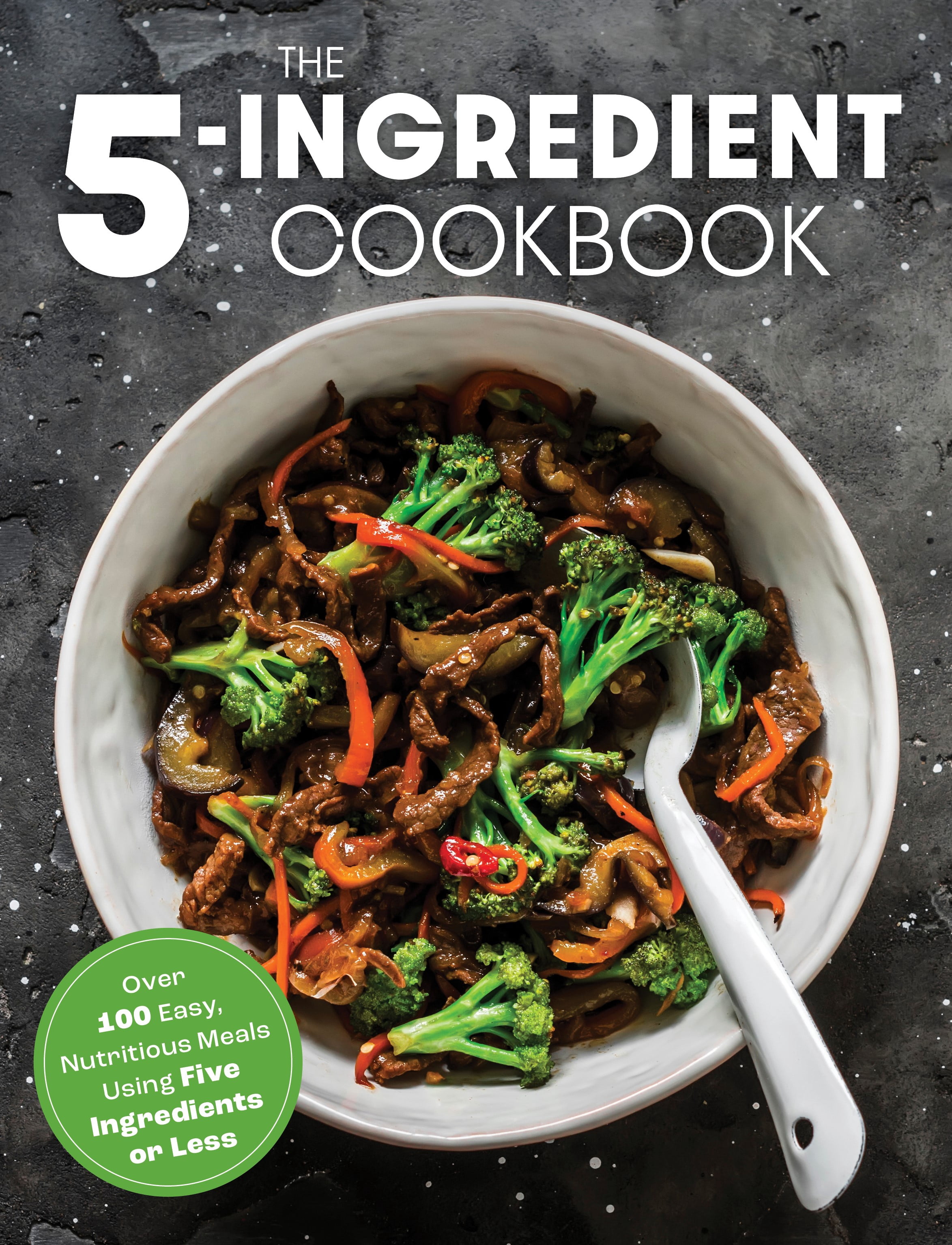
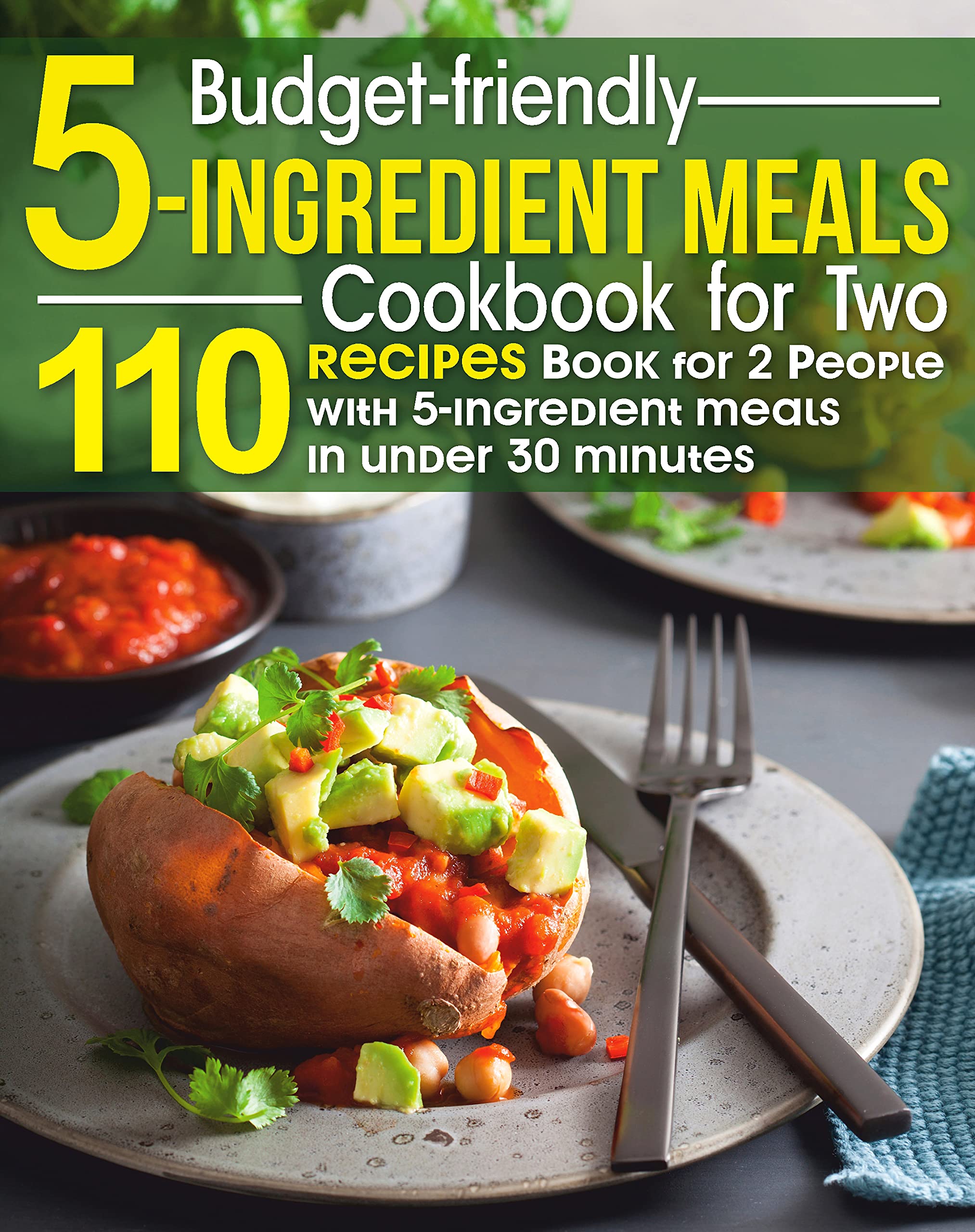
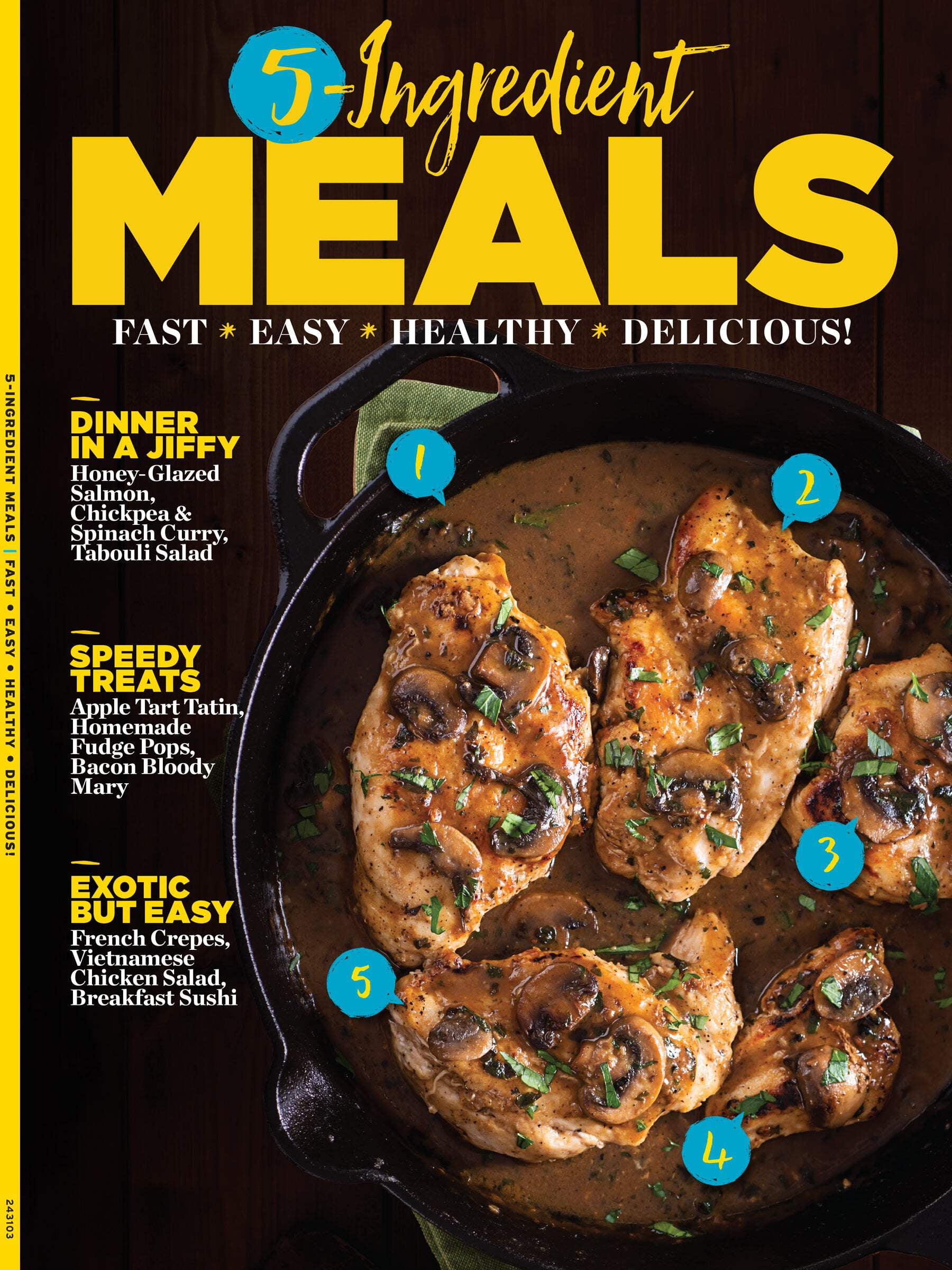
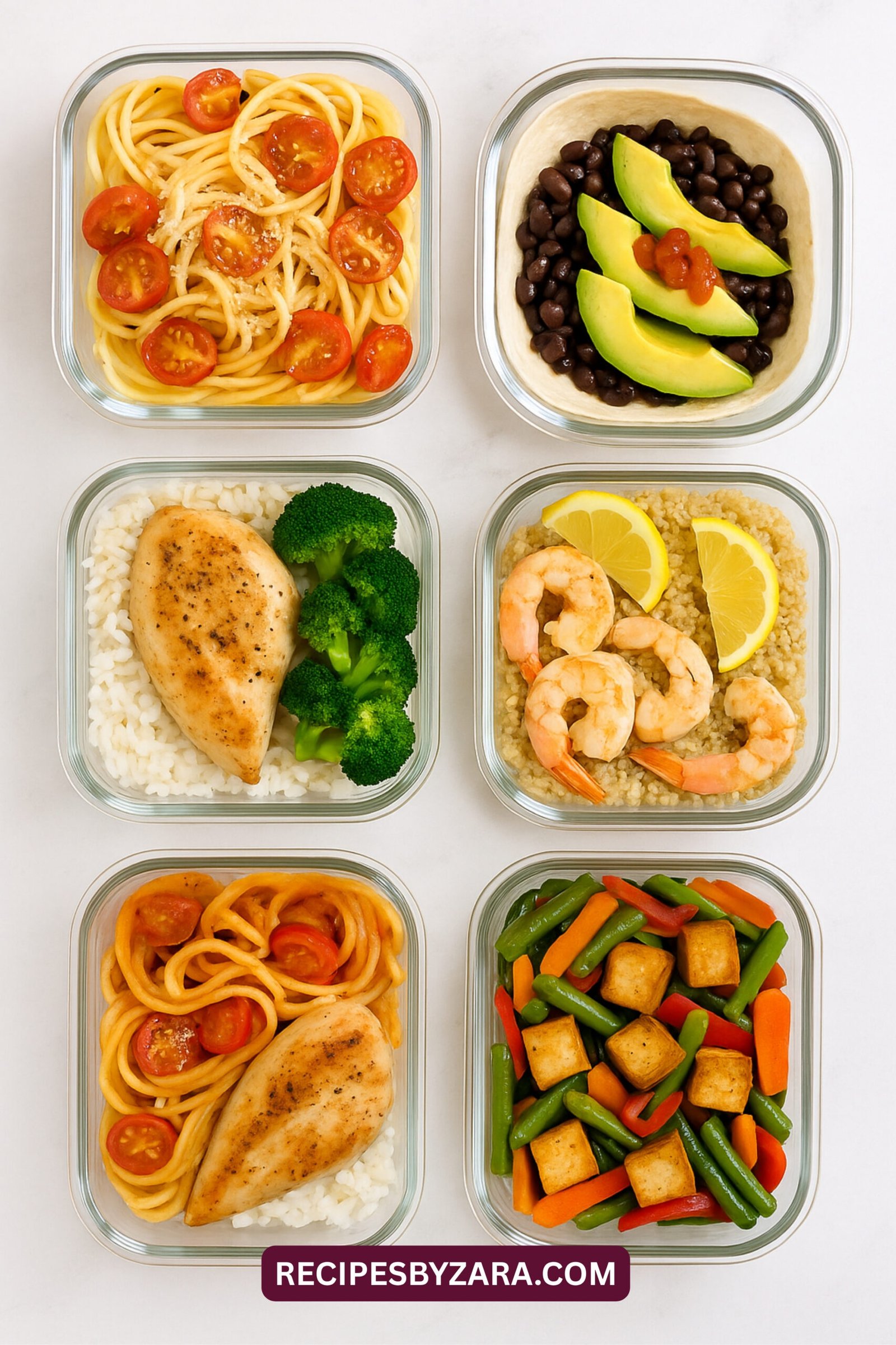
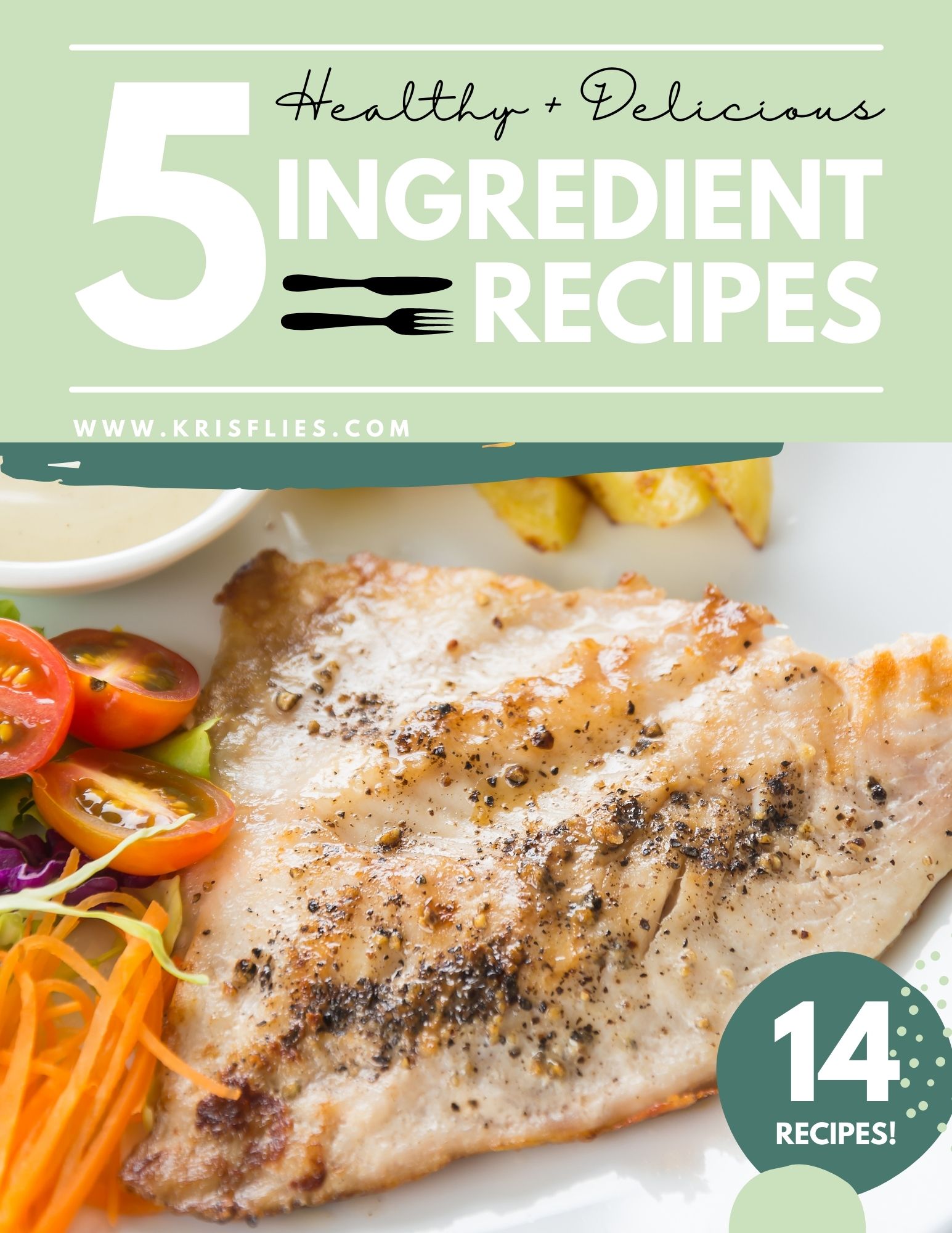
5-ingredient meals are culinary preparations that utilize exactly five primary components—excluding basic pantry staples like oil, salt, and pepper—to create nutritionally balanced and flavorful dishes. This minimalist approach reduces grocery costs, minimizes food waste, and significantly decreases preparation time, making home cooking accessible for busy professionals and families.
The appeal of 5-ingredient cooking has reached a peak in 2026 as consumers prioritize "intentional minimalism" in the kitchen. By stripping away the complexity of traditional 15-ingredient recipes, cooks can focus on the quality of individual components and the precision of fundamental techniques. This guide explores the strategic framework, ingredient selection, and technical execution required to master the art of the 5-ingredient meal.
Defining the 5-Ingredient Philosophy and "Free" Staples
To successfully execute 5-ingredient meals, one must first understand the "Pantry Staple Rule." In professional culinary writing and modern recipe development, certain items are considered "free" or "given" because they are universal requirements for seasoning and heat transfer. These typically include salt, black pepper, cooking oils (olive, avocado, or vegetable), and occasionally water or flour for dusting.
By excluding these staples from the count, the "5 ingredients" represent the substantive building blocks of the dish: the protein, the primary vegetable, a complex carbohydrate, a fat-based flavor agent (like cheese or nuts), and a high-impact aromatic or sauce. This distinction is vital because it allows a cook to focus their shopping list on fresh, high-quality items rather than obscure spices that might sit in a cabinet for years.
The philosophy also emphasizes "Power Ingredients"—components that contain multiple layers of flavor. For example, a high-quality jar of kimchi provides acidity, heat, salt, and crunch simultaneously, fulfilling three or four flavor roles while only counting as one ingredient. Mastering this selection process is the difference between a bland meal and a restaurant-quality experience.
Strategic Grocery Shopping for Minimalist Cooking
Success in 5-ingredient cooking begins at the grocery store. When you are limited to five components, each one must work harder to justify its place on the plate. In 2026, the rise of "semi-prepared" high-quality ingredients has revolutionized this process.
Selecting High-Impact Aromatics
Instead of buying individual garlic cloves, ginger roots, and shallots, look for "flavor bases." A high-quality red curry paste, for instance, contains lemongrass, galangal, shrimp paste, and chilies. Using this as one of your five ingredients provides the complexity of a dish that would otherwise require a dozen separate items. Similarly, sun-dried tomato pesto or olive tapenade offers concentrated umami and acidity in a single jar.
Prioritizing Texture and Color
A common pitfall of simple meals is a "monochrome" plate or a uniform, soft texture. To avoid this, at least one of your five ingredients should provide a structural contrast. This could be toasted pepitas for crunch, feta cheese for creamy tang, or fresh arugula for a peppery, crisp bite added at the very end.
Efficient Protein Choices
Opt for proteins that carry their own seasoning or have high surface area for browning. Smoked sausages, marinated tofu, or bone-in chicken thighs provide more inherent flavor than a plain, skinless chicken breast. In 2026, many sustainable, plant-based proteins are also pre-seasoned with sophisticated flavor profiles like "smoky harissa" or "lemon herb," making them ideal for the 5-ingredient framework.
Core Techniques for Flavor Extraction
With fewer ingredients, the "How" of cooking becomes more important than the "What." Technical precision allows you to extract maximum flavor from a minimal list of components.
The Maillard Reaction: This chemical reaction between amino acids and reducing sugars gives browned food its distinctive flavor. When cooking a 5-ingredient steak or roasted cauliflower, achieving a deep, golden-brown crust is non-negotiable. Without a dozen spices to hide behind, the complexity of the dish relies on the caramelization of the main ingredients.
Deglazing for "Free" Sauce: When you sear a protein, small browned bits (fond) stick to the pan. By using a liquid ingredient—such as a splash of balsamic vinegar or chicken stock—you can lift these bits into a rich sauce. This technique turns a simple pan-seared chicken breast and broccoli dish into a gourmet meal without adding a sixth ingredient.
Acid Balancing: A dish with only five ingredients often feels "heavy" or "flat" if it lacks acidity. While citrus juice or vinegar might count as an ingredient, many pantry staples include them. If they don't, choosing one ingredient that is naturally acidic—like pickled red onions or a sharp goat cheese—can brighten the entire meal and provide the necessary balance to fats and proteins.
Essential Pantry Staples to Support Your Recipes
To make 5-ingredient meals work effectively in 2026, your "free" pantry must be well-stocked. These items are the silent partners in every recipe.
| Category | Recommended Staples | Purpose in 5-Ingredient Meals |
|---|---|---|
| Oils & Fats | Extra Virgin Olive Oil, Ghee, Avocado Oil | Heat transfer and mouthfeel. |
| Acids | Apple Cider Vinegar, Balsamic, Soy Sauce | Balancing flavors and deglazing. |
| Seasoning | Kosher Salt, Peppercorns, Red Pepper Flakes | Basic flavor enhancement and heat. |
| Thickening | Cornstarch or All-Purpose Flour | Creating sauces from pan drippings. |
| Sweeteners | Honey or Maple Syrup | Balancing bitter greens or spicy sauces. |
Comparing 5-Ingredient Meals to Traditional Recipes
Understanding the trade-offs between minimalist and traditional cooking helps you decide when to use this approach.
| Feature | 5-Ingredient Meal | Traditional Multi-Ingredient Meal |
|---|---|---|
| Prep Time | 10–20 Minutes | 30–60 Minutes |
| Grocery Complexity | Low (5 Items) | High (12+ Items) |
| Food Waste Risk | Minimal | High (unused specialty herbs/spices) |
| Flavor Profile | Clean, focused, ingredient-forward | Complex, layered, nuanced |
| Cleanup Effort | Very Low | Moderate to High |
| Skill Requirement | Focus on heat control/timing | Focus on measuring/prepping |
Overcoming Limitations of Minimalist Cooking
While 5-ingredient meals are efficient, they can occasionally suffer from a lack of nutritional diversity or repetitive flavor profiles if not planned correctly. To ensure nutritional density, follow the "3+2 Rule": three produce items (vegetables/fruits) and two "substantive" items (protein/grain).
For example, a 5-ingredient bowl might consist of:
- Protein: Grilled salmon.
- Vegetable 1: Sautéed kale.
- Vegetable 2: Roasted sweet potato.
- Aromatic: Kimchi.
- Healthy Fat/Crunch: Sliced almonds.
By utilizing high-fiber vegetables as two of your five slots, you maintain the health benefits of complex cooking while keeping the shopping list manageable. Additionally, to prevent boredom, rotate your "Power Ingredients" weekly. Swap a jar of pesto for a jar of chipotle in adobo to shift an entire week's flavor profile from Mediterranean to Mexican with minimal effort.
Practical 5-Ingredient Meal Templates
Instead of following rigid recipes, use these templates to create your own 5-ingredient meals based on what is fresh and available in 2026.
The Sheet Pan Template
- Protein: Sausages, salmon fillets, or tofu blocks.
- Vegetable A: Root vegetable (carrots, potatoes).
- Vegetable B: Brassica (broccoli, brussels sprouts).
- Flavor Agent: Whole grain mustard or harissa paste.
- Finish: Feta cheese or fresh parsley.
- Method: Toss everything in oil/salt/pepper, roast at 400°F (205°C) until the protein is cooked and vegetables are caramelized.
The Grain Bowl Template
- Base: Quinoa, farro, or pre-cooked brown rice.
- Protein: Canned chickpeas (roasted) or a soft-boiled egg.
- Green: Massaged kale or baby spinach.
- Fat: Avocado or hummus.
- Pop of Flavor: Pickled ginger or sauerkraut.
- Method: Assemble the base and greens, top with protein and fat, and use the pickling liquid from your "flavor pop" as a makeshift dressing.
The Modern Pasta Template
- Carb: High-protein chickpea pasta or sourdough noodles.
- Vegetable: Frozen peas or roasted cherry tomatoes.
- Protein: Pancetta, sardines, or toasted walnuts.
- Sauce Base: Goat cheese or heavy cream.
- Herb/Aromatic: Fresh basil or jarred minced garlic.
- Method: Reserve a cup of pasta water (free ingredient) to melt the cheese into a creamy sauce that coats the vegetables and pasta.
Does salt, pepper, and oil count as part of the five ingredients?
No. In standard 5-ingredient cooking, basic pantry staples including salt, black pepper, and cooking oil are excluded from the count. These are considered fundamental tools for the cooking process rather than unique flavor components.
Are 5-ingredient meals actually cheaper?
Generally, yes. By limiting the number of items purchased, you reduce the likelihood of "one-off" purchases—spices or sauces bought for a single recipe that eventually expire. It also encourages the use of versatile, bulk-friendly ingredients.
Can I get enough nutrition from only five ingredients?
Absolutely. The key is selecting nutrient-dense components. A meal of eggs, spinach, sweet potato, black beans, and salsa provides a complete profile of protein, fiber, vitamins, and minerals. Complexity in a recipe does not always correlate with nutritional value.
How do I add spice without using an extra ingredient?
Use "multitasking" ingredients. Instead of just "chili powder," use a spicy salsa, a jar of chili crisp, or a spicy chorizo sausage. These items provide the heat you want while also contributing salt, fat, or texture to the dish.
Is 5-ingredient cooking suitable for large families?
Yes, it is often more suitable because it scales easily. Preparing a 5-ingredient sheet pan meal for six people is significantly less labor-intensive than preparing a multi-course or multi-ingredient meal for the same number of people.
Master the "Rule of Three" for Your Next Meal
To transition into a consistent 5-ingredient cooking routine, start by auditing your current pantry. Ensure you have the "free" staples (oils, vinegars, salt, and pepper) ready to go. For your next grocery trip, select one protein, one grain, and three distinct vegetables. Challenge yourself to create a meal using only these items plus your pantry staples.
This "Rule of Three" (one protein/grain plus three produce items) ensures that even with a minimal ingredient list, you are prioritizing fiber and micronutrients. As you become more comfortable, replace one of the vegetables with a "Power Ingredient" like a fermented sauce or a flavored oil to increase the culinary complexity without increasing your workload.