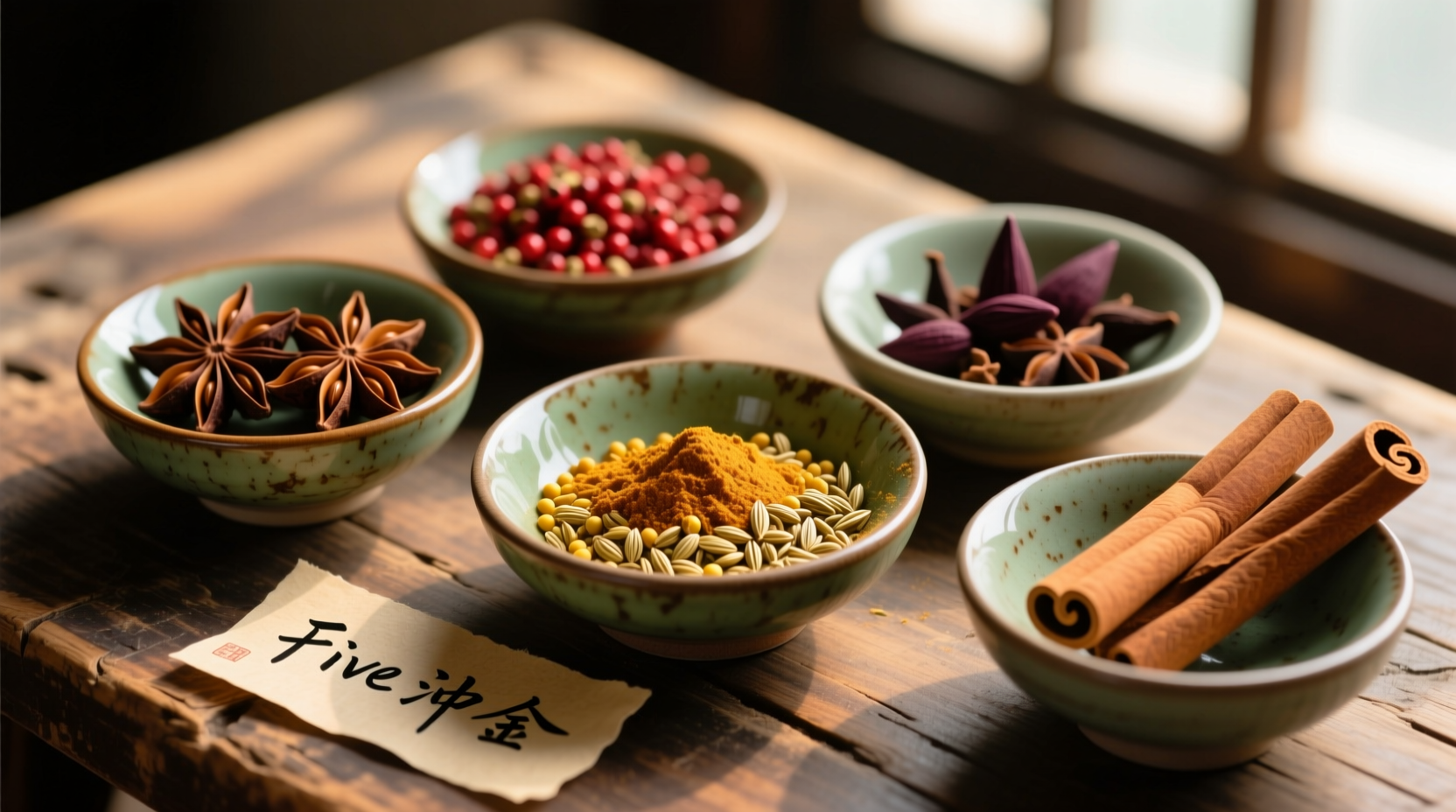
"5 ingredients or less" is a culinary framework designed to simplify meal preparation by restricting a recipe's main components to five distinct food items. In standard culinary conventions, basic pantry staples like salt, black pepper, cooking oil, and water are typically excluded from the total count, allowing cooks to focus on five core, high-impact ingredients.
The Core Definition and Pantry "Freebie" Rules Explained
At its surface, the term "5 ingredients or less" sounds self-explanatory. However, anyone who has browsed food blogs, cookbooks, or meal-prep guides quickly discovers that different sources apply different standards to what counts as an ingredient. Understanding these standards helps home cooks evaluate recipes accurately and plan grocery lists without unexpected surprises.
In modern culinary publishing, the approach to counting ingredients generally falls into one of two camps:
- The Strict Minimalist Rule: Every single item that enters the pan—including tap water, table salt, ground black pepper, cooking spray, and neutral vegetable oil—counts toward the five-ingredient limit. This strict approach is common in specialized diet programs, ultra-budget meal planning, and minimalist nutrition guides where exact chemical and caloric tracking is essential.
- The Practical Kitchen Convention: The five-ingredient cap applies only to major fresh, canned, or packaged grocery items. Basic kitchen utilities and foundational seasonings are considered "freebies" or universal pantry assumptions.
Under the practical kitchen convention, standard exclusions typically include:
- Water: Plain tap or filtered water used for boiling, steaming, or thinning sauces.
- Basic Seasonings: Fine sea salt, kosher salt, and cracked black pepper.
- Standard Cooking Fats: Neutral cooking oil (such as canola or vegetable oil), basic olive oil, or standard non-stick cooking spray.
When evaluating a recipe labeled "5 ingredients or less," look closely at the pantry assumptions listed in the intro or footnotes. If a recipe relies on a complex store-bought element—such as a jar of marinara sauce, a container of green curry paste, or a bottle of teriyaki marinade—it counts as a single ingredient within the total limit, even though the commercial product itself contains multiple components. Recognizing this distinction is key to leveraging compound flavors without inflating your cooking steps.
Why Cooking with 5 Ingredients or Less Transforms Kitchen Efficiency
Adopting a five-ingredient cooking strategy goes far beyond reducing the size of a grocery list; it fundamentally changes how a kitchen operates. By stripping away extraneous components, this culinary style yields several tangible operational benefits for busy households.
Dramatically Reduced Grocery Costs and Food Waste
Traditional recipes requiring 12 to 15 unique spices, fresh herbs, and niche condiments often lead to unconsumed perishables and clutter in the pantry. A five-ingredient framework forces intentional purchasing. Because every item serves a dominant structural or flavor role, fresh produce and proteins are consumed before spoilage occurs, resulting in lower weekly food expenses and minimal waste.
Accelerated Prep and Cleanup Times
Fewer ingredients directly translate to reduced knife work, fewer measuring spoons, and fewer dirty bowls. A process that typically requires 30 minutes of washing, peeling, chopping, and measuring can often be cut down to less than ten minutes. Cleanup becomes similarly streamlined, frequently requiring only a cutting board, one knife, and a single pan or baking sheet.
Enhanced Focus on Culinary Technique
When a dish contains only a main protein, a primary vegetable, a fat, an aromatic, and a finishing agent, there is nowhere for poor technique to hide. Cooking with fewer components trains cooks to master fundamental techniques—such as proper pan searing, precise heat control, high-temperature roasting, and deglazing. The intrinsic natural flavors of high-quality ingredients take center stage rather than being masked under heavy, complex sauces.
Multi-Tasking Ingredients That Build Maximum Flavor
The secret to successful five-ingredient cooking lies in selecting "compound" or "flavor-dense" ingredients. These single products deliver salt, fat, acid, sweet, or umami elements in a pre-balanced format, effectively doing the work of four or five separate spices and liquids.
| Category | High-Impact Ingredients |
|---|---|
| Fermented & Aged | Miso Paste, Aged Parmesan, Kimchi |
| Herb & Oil Emulsions | Basil Pesto, Chimichurri, Garlic Aioli |
| Concentrated Acids/Sweets | Balsamic Glaze, Dijon Mustard, Salsa |
| Spiced Pastes | Thai Curry Paste, Harissa, Chipotle in Adobo |
Integrating these heavy-hitting items into a minimal ingredient routine ensures dishes remain vibrant and robust:
- Pesto (Green or Red): Packs fresh herbs, garlic, pine nuts, hard cheese, and olive oil into one spoonable sauce. It acts simultaneously as a marinade, a pan sauce base, or a finishing dress for grains and vegetables.
- Thai Curry Pastes (Red, Green, or Yellow): Combines lemongrass, galangal, fresh chilies, garlic, shallots, and aromatic spices. Combined with coconut milk, it forms a complex curry base using just two counted ingredients.
- Dijon Mustard: Delivers sharp acidity, subtle heat, and natural emulsifiers. It stabilizes pan juices, thickens vinaigrettes, and cuts through the richness of fatty meats like pork chops or salmon.
- Aged Hard Cheeses (Parmigiano-Reggiano, Pecorino Romano): Provides concentrated salt, fat, and intense umami savory depth. Grating aged cheese over roasted vegetables or pasta replaces the need for extra compound seasonings.
- Kimchi or Salsa: Supplies acid, spice, crunch, and fermented complexity in a single spoonful, serving as both a cooking medium and a fresh topping.
Essential Culinary Techniques for Minimalist Recipes
When recipe components are restricted, heat management and timing become your primary tools for creating depth. Applying the correct technique transforms basic raw components into refined meals.
High-Heat Caramelization and Roasting
Subjecting vegetables and meats to dry, high heat (typically 400°F to 450°F / 200°C to 230°C) triggers the Maillard reaction and caramelization. Roasting broccoli, Brussels sprouts, or carrots converts their natural starches into sugars, developing a rich, nutty sweetness that eliminates the need for added glazes or sugar heavy marinades.
Deglazing and Pan Sauces
After searing a protein such as chicken thighs or steak, brown caramelized bits (the fond) remain stuck to the bottom of the pan. Instead of washing this flavor away, adding a simple liquid—such as low-sodium chicken broth, dry white wine, or fresh citrus juice—deglazes the pan. Simmering this liquid for two minutes dissolves the fond, creating a rich, restaurant-quality pan sauce without requiring added thickeners or complex spice blends.
Texture Differentiation
A common pitfall of minimalist meals is textural monotony. To prevent dishes from feeling flat, pair soft ingredients with crunchy ones. For example, pair tender pan-seared white fish with crisp, flash-sauteed snap peas, or top a soft roasted butternut squash soup with toasted pumpkin seeds.
Comparing Minimalist Cooking Frameworks
To choose the right minimalist cooking strategy for your household, compare how different five-ingredient methodologies treat pantry items, preparation speed, and ingredient selection.
| Cooking Framework | Pantry Exemptions Allowed | Primary Flavor Sources | Average Prep Time | Best Suited For |
|---|---|---|---|---|
| Strict Minimalist | None (Water and salt count toward 5) | Whole foods, basic salt, natural food fats | 15–30 minutes | Elimination diets, strict nutritional tracking, wilderness cooking |
| Standard Culinary | Salt, pepper, cooking oil, tap water | Fresh herbs, aromatic produce, citrus, quality cuts | 10–20 minutes | Everyday family meals, fresh seasonal cooking, balanced health |
| Convenience / Semi-Homemade | Salt, pepper, oil, water, basic flour/butter | Jarred sauces, pre-spiced mixes, frozen meal kits | 5–10 minutes | Ultra-busy schedules, late weeknight dinners, low-effort prep |
| Whole-Food Plant-Based | Water, dried basic herbs, sea salt | Nuts, seeds, nutritional yeast, citrus, garlic | 15–25 minutes | Vegan and vegetarian diets, heart-healthy nutrient focus |
A Step-by-Step Blueprint for Building a 5-Ingredient Meal
Creating balanced, custom five-ingredient meals without relying strictly on published recipes requires a clear structural framework. Use this five-element construction strategy to assemble balanced dinners on demand:
Main Protein
Primary Vegetable
Base Starch
Flavor Compound
Acid/Brightener Finish
Select a Main Protein (Ingredient 1): Choose a high-quality center-of-the-plate protein such as bone-in chicken thighs, salmon fillets, firm tofu, pork chops, or canned black beans.
Select a Primary Vegetable (Ingredient 2): Pick a versatile fresh or frozen vegetable like asparagus, zucchini, bell peppers, spinach, or cauliflower florets.
Select a Base Starch or Grain (Ingredient 3): Choose a supporting element like jasmine rice, baby yellow potatoes, quinoa, farro, or broad egg noodles.
Select a Flavor Compound (Ingredient 4): Select a multi-tasking sauce or paste such as red pesto, harissa paste, teriyaki glaze, goat cheese, or mango salsa.
Select an Acid or Brightening Finish (Ingredient 5): Finish with fresh lemon juice, lime wedges, balsamic glaze, pickled red onions, or capers to cut through richness and tie the elements together.
Example Assembly: 15-Minute Mediterranean Salmon
- Protein: Salmon fillets
- Vegetable: Cherry tomatoes
- Starch: Canned chickpeas (drained)
- Flavor Compound: Basil pesto
- Acid/Finish: Fresh lemon juice
- Pantry staples used: Olive oil, salt, black pepper.
- Execution: Toss cherry tomatoes and chickpeas with olive oil, salt, and pepper on a sheet pan. Place salmon fillets alongside, spreading a tablespoon of pesto over each fillet. Roast at 400°F (200°C) for 12 to 15 minutes. Finish with a squeeze of fresh lemon juice across the entire tray before serving.
Common Pitfalls in 5-Ingredient Cooking and How to Avoid Them
While minimalist cooking saves time, relying on fewer ingredients leaves less room for error. Avoiding these common procedural mistakes ensures consistently high-quality results.
1. Under-Seasoning Food
Because minimalist recipes rely on fewer components, proper salt application is critical. Salt does not merely make food salty; it suppresses bitterness, enhances natural sweetness, and unlocks volatile aromatic compounds in meat and vegetables. When using standard culinary conventions, season each layer of your dish lightly during the cooking process rather than dumping salt on at the end.
2. Over-Reliance on Highly Processed Packaged Foods
It can be tempting to reach for canned condensed soups, pre-made gravies, and processed cheese spreads to stay under the five-ingredient threshold. While convenient, over-using these items leads to high sodium levels, uniform mushy textures, and artificial aftertastes. Balance convenience items with fresh produce, unflavored real dairy, and whole proteins.
3. Burning High-Sugar Sauces Too Early
If your chosen flavor powerhouse contains high sugar levels—such as barbecue sauce, sweet chili sauce, or balsamic reduction—applying it at the beginning of high-heat roasting or searing will cause it to burn and turn bitter before the protein cooks through. Brush sugar-heavy liquids onto meats and vegetables during the final three to five minutes of cooking.
Frequently Asked Questions
Does water count as one of the 5 ingredients in a recipe?
In standard culinary publishing, plain tap or filtered water does not count toward the five-ingredient limit. However, if you are using pre-packaged broths, stocks, or flavored waters, those liquid components count as one of your distinct five ingredients.
Are dry spices and fresh herbs included in the 5-ingredient limit?
Single dry spices (like cumin or smoked paprika) and fresh herbs (like basil or cilantro) almost always count as distinct ingredients. The main exceptions are basic ground black pepper and salt. To maximize spice flavor without inflating your count, use pre-blended spice mixtures like Italian seasoning, curry powder, or za'atar, which count as a single ingredient.
How do you keep 5-ingredient meals from tasting bland?
Blandness is usually caused by a lack of salt, acid, or heat management. Boost flavor by relying on fermentation (miso, soy sauce, kimchi), acidity (citrus juices, vinegars), or high-heat cooking methods (searing and roasting) that produce brown, caramelized crusts on your ingredients.
Is cooking with 5 ingredients or less healthier than traditional cooking?
A five-ingredient framework can be significantly healthier if focused on whole foods, fresh vegetables, lean proteins, and healthy fats. It reduces exposure to hidden additives common in complex recipes. However, healthfulness depends on your choices; relying strictly on processed, high-sodium canned components to keep ingredient counts low will diminish the nutritional profile.
What is the difference between semi-homemade cooking and 5-ingredient cooking?
Semi-homemade cooking focuses on combining pre-packaged, fully cooked, or processed foods with fresh elements to save time, regardless of ingredient count. 5-ingredient cooking is a strict numerical restriction focused on simplicity, which can be achieved using either fully raw whole foods or convenient compound ingredients.
Streamlining Your Kitchen for Minimalist Meal Success
To put the 5-ingredient cooking philosophy into daily practice, organize your kitchen workspace and pantry to support simple, high-yield meal prep.
1. Build a High-Impact Pantry Core
Stock your pantry and refrigerator with multi-tasking flavor builders so you can assemble meals without planning complex grocery trips. Keep the following items stocked:
- Fats and Bases: Extra virgin olive oil, neutral avocado oil, canned full-fat coconut milk.
- Flavor Pastes: Basil pesto, red curry paste, Dijon mustard, tomato paste in a tube.
- Acids and Ferments: Soy sauce (or tamari), balsamic vinegar, lemons, jarred salsa.
- Finishing Compounds: Aged Parmesan cheese, feta cheese, toasted sesame seeds.
2. Implement the "Three-Item Fresh" Shopping Rule
When shopping for a week of 5-ingredient meals, purchase only three fresh perishable items per planned dinner: one protein, one primary vegetable, and one fresh accent item (such as a lemon, a fresh herb, or a specialty cheese). Rely on your established pantry core for the remaining seasonings, fats, and grains. This strategy keeps grocery bills low, simplifies store navigation, and eliminates leftover food waste at the end of the week.