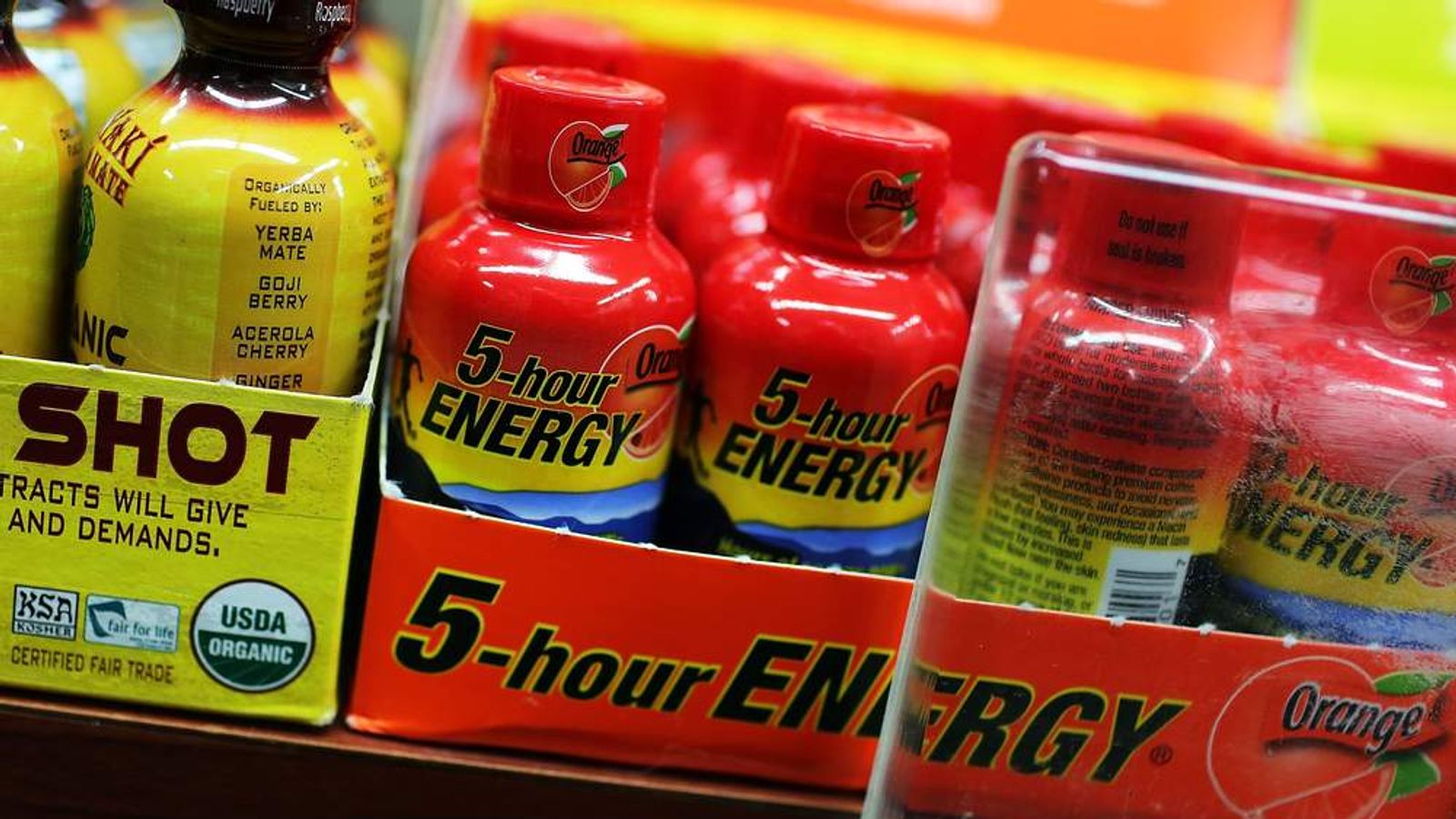
Since 2012, federal reports have linked 5-hour Energy to several deaths and dozens of life-threatening injuries, leading to intense scrutiny of the energy shot industry. While the FDA recorded these adverse event reports, they found no definitive proof of direct causation. Most risks stem from caffeine sensitivity, pre-existing heart conditions, or excessive daily consumption.
The compact, two-ounce bottle of 5-hour Energy has become a staple in gas stations and convenience stores worldwide. Marketed as a quick solution for fatigue without the "sugar crash," it packs a significant punch in a tiny volume. However, the convenience of these shots masks a complex pharmacological profile that has, at various times, put the brand at the center of public health debates and federal investigations. As of 2026, while the product remains widely available, the "shocking truths" regarding its safety remain a critical concern for consumers who may not fully understand what they are ingesting.
The History of Adverse Event Reports and Federal Investigations
The controversy surrounding 5-hour Energy reached a fever pitch in late 2012 when the New York Times published a report citing Food and Drug Administration (FDA) documents. These records revealed that 5-hour Energy had been mentioned in 92 adverse event reports over the preceding four years. Most alarmingly, 13 of those reports involved fatalities.
It is vital to understand the nature of an "Adverse Event Report" (AER). An AER is a notification sent to the FDA by a consumer, healthcare provider, or manufacturer when a person experiences a health problem while using a product. The existence of a report does not prove that the product caused the event. In many of the 13 cited deaths, individuals had underlying cardiovascular issues or had consumed other substances simultaneously. However, the sheer volume of reports triggered a massive investigation into how high-concentration caffeine shots affect the human body, particularly the heart.
The "shocking" element for many consumers was the lack of transparency regarding caffeine content during that era. Unlike soda, which is regulated as a beverage with specific caffeine limits, 5-hour Energy is marketed as a dietary supplement. This classification allows manufacturers to bypass certain labeling requirements, though pressure from the FDA and consumer advocacy groups has since led to more clear disclosures.
Decoding the Ingredients: What Is the "Energy Blend"?
To understand the safety profile of 5-hour Energy, one must look past the flashy label and analyze the "Energy Blend." While the product contains zero sugar and four calories, its primary stimulants and metabolic precursors are concentrated.
The Caffeine Factor
While the company historically did not print the exact caffeine milligram count on every bottle, independent testing and subsequent disclosures indicate that a "Regular Strength" shot contains approximately 200mg of caffeine, while the "Extra Strength" version contains about 230mg. To put this in perspective, a standard 8-ounce cup of home-brewed coffee contains about 95mg. Consuming a 2-ounce shot is equivalent to drinking more than two cups of coffee in a matter of seconds.
B-Vitamins and the "Niacin Flush"
The product contains massive doses of B6 (2,000% of Daily Value) and B12 (20,833% of Daily Value). While B-vitamins are water-soluble and generally safe in high doses, the inclusion of Niacin (Vitamin B3) can cause a "Niacin flush." This involves a tingling sensation, redness, and heat on the skin. While usually harmless, it can be distressing to users who are unaware of the side effect and may mistake it for an allergic reaction or a cardiac event.
Amino Acids and Other Additives
- Taurine: An amino acid that supports neurological development and helps regulate water and mineral levels in the blood.
- Glucuronolactone: A naturally occurring component of connective tissue, often included for its purported (though scientifically debated) detoxifying effects.
- L-Tyrosine: An amino acid used by the body to produce catecholamines like dopamine and adrenaline.
- Phenylalanine: An essential amino acid. It is important to note that individuals with the rare genetic disorder phenylketonuria (PKU) must avoid this ingredient.
How High-Concentration Caffeine Impacts the Heart
The primary safety concern regarding 5-hour Energy is not necessarily the ingredients themselves, but the speed of delivery. When you drink a large coffee, you typically consume it over 15 to 30 minutes. An energy shot is consumed in seconds. This leads to a rapid spike in blood caffeine levels.
Caffeine is a central nervous system stimulant that mimics the effects of adrenaline. It blocks adenosine receptors in the brain, which normally signal the body to feel tired. In high doses, caffeine can lead to:
- Vasoconstriction: The narrowing of blood vessels, which increases blood pressure.
- Tachycardia: A heart rate that exceeds the normal resting rate.
- Arrhythmia: Irregular heartbeats that can, in extreme cases or in those with underlying conditions, lead to cardiac arrest.
For a healthy adult, 400mg of caffeine per day (two regular shots) is generally considered the upper limit of safety. However, for someone with an undiagnosed heart murmur, hypertension, or a sensitivity to stimulants, even a single shot can trigger a medical emergency.
Comparative Caffeine Content and Concentration
Understanding the potency of 5-hour Energy requires comparing it to other common caffeinated products. The danger often lies in the concentration rather than the total amount.
| Product | Serving Size | Caffeine Content (Approx.) | Caffeine per Ounce |
|---|---|---|---|
| 5-Hour Energy (Regular) | 2 oz | 200 mg | 100 mg |
| 5-Hour Energy (Extra) | 2 oz | 230 mg | 115 mg |
| Standard Brewed Coffee | 8 oz | 95 mg | 11.8 mg |
| Monster Energy Drink | 16 oz | 160 mg | 10 mg |
| Red Bull | 8.4 oz | 80 mg | 9.5 mg |
| Coca-Cola Classic | 12 oz | 34 mg | 2.8 mg |
The table illustrates that 5-hour Energy is nearly ten times more concentrated than traditional energy drinks like Monster or Red Bull. This concentration is why the "shocking truths" about safety often revolve around accidental overdose or rapid-onset heart palpitations.
High-Risk Groups: Who Should Avoid Energy Shots?
Safety facts dictate that certain populations are at a significantly higher risk for adverse reactions to 5-hour Energy. Despite marketing that often appeals to young, active individuals, the physiological toll can be heavy.
- Adolescents and Children: The American Academy of Pediatrics has stated that energy drinks and shots have "no place" in the diets of children and adolescents. Their smaller body mass and developing neurological systems make them highly susceptible to caffeine toxicity.
- Pregnant or Nursing Women: High caffeine intake has been linked to increased risks of miscarriage and low birth weight. Furthermore, caffeine passes through breast milk, potentially causing irritability and sleep disturbances in infants.
- Individuals with Cardiac Conditions: Anyone with a history of high blood pressure, palpitations, or heart disease should consult a physician before using these products.
- People on Specific Medications: Caffeine can interact dangerously with MAO inhibitors (antidepressants), certain antibiotics (like Ciprofloxacin), and asthma medications (like Theophylline).
Identifying the Signs of Caffeine Overdose
A "shocking" reality of the energy shot market is how quickly a user can move from "alert" to "toxic." Recognizing the early warning signs of caffeine overdose can save lives. If you or someone you know has consumed 5-hour Energy and experiences the following, medical attention may be required:
- Severe Anxiety and Panic Attacks: Excessive stimulation of the nervous system can trigger profound feelings of doom or uncontrollable shaking.
- Chest Pain: This is the most critical symptom, potentially indicating cardiac strain or ischemia.
- Vomiting and Nausea: The body’s attempt to purge the stimulant.
- Seizures: High doses of caffeine can lower the seizure threshold in the brain.
- Disorientation: Confusion or "brain fog" that contradicts the intended effect of the drink.
In the 2012 reports, several of the hospitalized individuals suffered from "convulsions" or "status epilepticus" after consuming multiple shots in a short window.
Safe Consumption Guidelines for 2026
If you choose to use 5-hour Energy, following strict safety protocols is essential to mitigate the risks associated with high-dose stimulants.
- Limit Intake: Never exceed two bottles per day, spaced several hours apart. For many, even one bottle is enough to reach the threshold of jitteriness.
- Check the Label: Ensure you are not consuming "Extra Strength" if you are sensitive to caffeine.
- Stay Hydrated: Caffeine is a diuretic. Drinking water alongside an energy shot helps maintain blood volume and reduces the strain on your kidneys.
- Avoid "Stacking": Do not drink an energy shot if you have already had coffee, soda, or pre-workout supplements. The cumulative effect of these stimulants is what often leads to AERs.
- Never Mix with Alcohol: Mixing stimulants like 5-hour Energy with depressants like alcohol is extremely dangerous. The caffeine masks the intoxicating effects of the alcohol, leading people to drink more than they safely can, while simultaneously putting immense stress on the heart.
Frequently Asked Questions
Can one 5-hour Energy actually kill you?
While extremely rare for a healthy adult, it is possible if the individual has a severe, undiagnosed heart condition or an extreme allergy to one of the ingredients. Most documented deaths associated with the product involved multiple bottles or combinations with other substances. For the vast majority of people, one bottle will cause jitters or a rapid heart rate but will not be fatal.
Why doesn't the FDA ban these products if they are linked to deaths?
The FDA regulates energy shots as dietary supplements under the Dietary Supplement Health and Education Act (DSHEA). Under this law, the FDA can only remove a product from the market if it is proven "adulterated" or "unsafe" under the conditions of use recommended on the label. Because the deaths have not been definitively linked to the product when used as directed, the FDA focuses on labeling requirements and consumer education rather than a ban.
How long does 5-hour Energy stay in your system?
Caffeine has a half-life of about 5 to 6 hours for the average adult. This means if you consume a shot containing 200mg of caffeine at noon, you will still have 100mg in your bloodstream at 6:00 PM. This is why many people experience insomnia if they consume the product in the late afternoon.
Is the "crash" real?
The company markets "no sugar crash," which is technically true because the product contains no sugar to cause an insulin spike. However, you can still experience a "caffeine crash." As the caffeine wears off, the adenosine that was blocked begins to flood your receptors all at once, which can lead to a sudden and intense feeling of exhaustion.
Immediate Actions for Safe Energy Use
If you find yourself relying on energy shots to get through the day, the most important next action is to evaluate your underlying fatigue. Energy shots are a temporary mask, not a cure for sleep deprivation. To use them safely, always consume a small amount first to test your tolerance, especially if you have changed brands or moved from regular to extra strength. If you experience any heart fluttering or shortness of breath, discontinue use immediately and consult a healthcare professional. For those with chronic health conditions, a quick consultation with a doctor regarding caffeine limits is the most effective way to avoid becoming a statistic in an adverse event database.