Día de los Muertos, or the Day of the Dead, is a profound Mexican tradition where families honor their deceased loved ones through vibrant altars, symbolic offerings, and communal storytelling. By understanding its indigenous origins, complex iconography, and ritualistic elements, you can celebrate and learn about this UNESCO-recognized cultural heritage with respect and genuine appreciation.
1. The Deep Indigenous Roots and the Fusion of Traditions
While the Day of the Dead is often associated with the Catholic holidays of All Saints' Day and All Souls' Day (November 1st and 2nd), its foundations are deeply embedded in thousands of years of Mesoamerican history. To truly appreciate the holiday in 2026, one must look back at the Aztec, Maya, and Toltec civilizations, who viewed death not as an end, but as a natural phase in life’s long continuum.
The Aztecs dedicated a month-long festival to the goddess Mictecacihuatl, known as the "Lady of the Dead," who presided over the underworld. Following the Spanish conquest in the 16th century, these indigenous rituals were blended with Catholic traditions. The Spanish sought to Christianize the native population, leading to the synchronization of the month-long summer festival with the Catholic liturgical calendar in November. This fusion created the unique "Mestizo" holiday we observe today—a blend of pre-Hispanic concepts of the underworld and European Catholic concepts of the afterlife.
In the contemporary context of 2026, scholars emphasize that the holiday is a celebration of memory rather than a day of mourning. The belief is that during these 48 hours, the border between the spirit world and the real world dissolves, allowing the souls of the departed to return to the world of the living to eat, drink, and celebrate with their families. This perspective shifts the focus from the "tragedy" of death to the "vitality" of the spirit.
2. The Symbolic Architecture of the Ofrenda
The centerpiece of any Day of the Dead celebration is the ofrenda, or altar. These are not altars for worship in the traditional sense, but rather "welcome stations" designed to guide the souls back home. Each element on an ofrenda is intentional, serving a specific purpose in the ritual of homecoming.
A traditional ofrenda is often built in levels, representing different stages of existence. A two-level altar typically represents earth and sky; a three-level altar adds the concept of purgatory or the underworld; and a seven-level altar represents the steps necessary for a soul to reach eternal peace. Every ofrenda must incorporate the four essential elements of nature:
- Earth: Represented by the crops and the scent of the marigolds (cempasúchil), which are believed to nourish the souls.
- Wind: Represented by papel picado (perforated paper). These delicate banners flutter in the breeze, signaling that the souls have arrived.
- Water: Placed in a pitcher or glass to quench the thirst of the weary travelers after their long journey from the afterlife.
- Fire: Represented by candles, which are often placed in the shape of a cross to represent the four cardinal directions, guiding the spirits toward the altar.
The ofrenda also includes the favorite foods and personal belongings of the deceased, reinforcing the idea that the soul maintains its personality and preferences even after death. According to UNESCO, this practice is a fundamental expression of the cultural identity of Mexico’s indigenous communities.
3. The Legend and Utility of the Cempasúchil (Marigold)
The bright orange marigold, known in Nahuatl as cempasúchil (the "flower of twenty petals"), is the definitive flower of the Day of the Dead. Its use is not merely aesthetic; it is functional and mythological. The flower’s vibrant color and strong, pungent fragrance are believed to help lead the spirits from their burial places to the family home.
The origin of the flower is tied to an ancient Aztec legend of two lovers, Xóchitl and Huitzilin. When Huitzilin died in battle, a grieving Xóchitl prayed to the sun god, Tonatiuh, to reunite them. Tonatiuh transformed her into a beautiful golden flower and Huitzilin into a hummingbird. When the hummingbird touched the flower, it opened its petals, releasing the scent we recognize today.
In practice, families often create "paths" made of marigold petals leading from the street to the altar. This acts as a sensory map for the dead. In 2026, the cultivation of cempasúchil remains a massive agricultural event in Mexico, particularly in states like Puebla and Michoacán, where entire hillsides turn orange in late October. The flowers are biodegradable and return to the earth, symbolizing the cycle of life and death that is central to the holiday’s philosophy.
4. La Catrina: From Political Satire to National Icon
Perhaps the most recognizable image of the Day of the Dead is La Calavera Catrina—the elegant skeleton wearing a feathered hat. While many mistake her for an ancient goddess, she was actually created in the early 20th century by Mexican lithographer José Guadalupe Posada.
Posada originally created the "Calavera Garbancera" as a satirical social commentary. At the time, many Mexicans were trying to adopt European aristocratic styles and denying their indigenous heritage. Posada’s skeletal figure was a reminder that regardless of wealth, status, or the clothes one wears, "death is democratic"—we all end up as skeletons in the end.
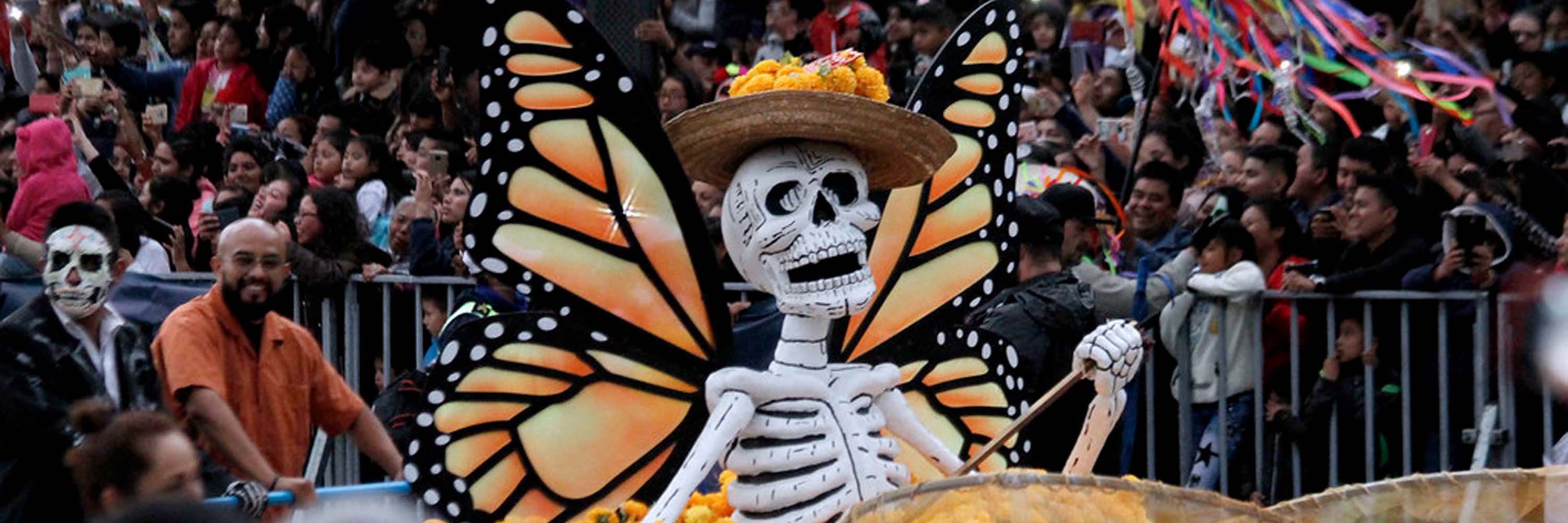
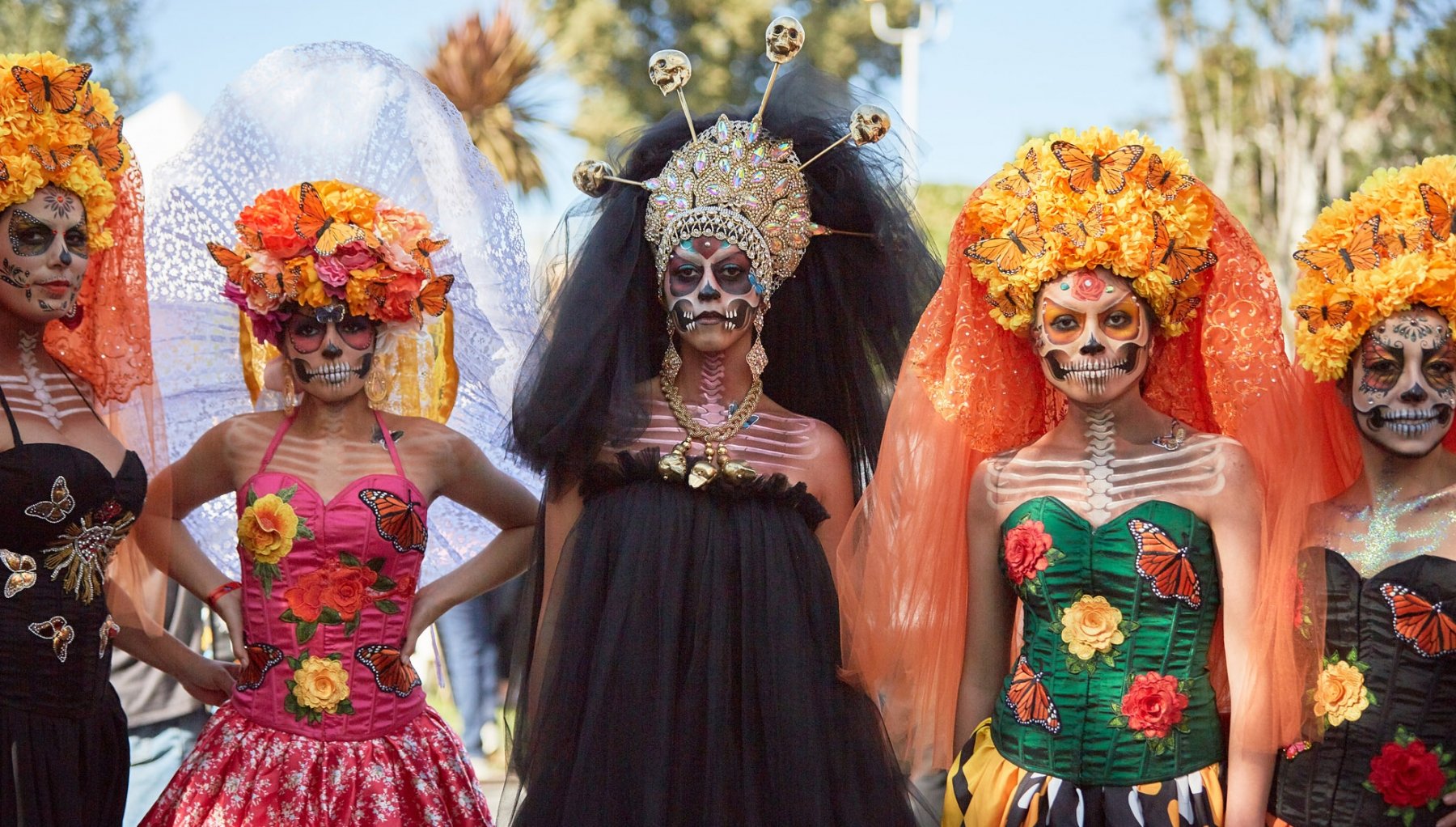
It was the famous muralist Diego Rivera who eventually named her "La Catrina" and gave her the full-bodied elegance seen in his mural, Dream of a Sunday Afternoon in the Alameda Central. Today, she has evolved from a figure of mockery into a symbol of Mexican resilience and the ability to find humor and beauty in the face of mortality. During parades, people paint their faces as "Catrinas" and "Catrines" to honor this artistic legacy and the message of equality in death.
5. The Culinary Language of the Dead: Pan de Muerto and Calaveras
Food is a primary language during the Day of the Dead. Beyond the favorite meals of the deceased (such as mole or tamales), there are specific ritualistic foods prepared only for this season. The most significant is Pan de Muerto (Bread of the Dead).
This sweet, orange-scented bread is rich in symbolism. The circular shape represents the circle of life and death. The "bones" (cross-shaped dough pieces on top) represent the four cardinal directions or the bones of the departed, while the small teardrop-shaped nub in the center represents the skull or the tears of the goddess Chimalma. In different regions of Mexico, the bread may take different forms, such as human figures (animas) in Oaxaca or animals in other rural areas.
Then there are the Calaveras de Azúcar (sugar skulls). These are not meant to be spooky; they are bright, colorful, and often decorated with the name of the deceased on the forehead. They represent the sweetness of life and the idea that death does not have to be bitter. These sugar skulls are often given as gifts to the living as well, serving as a lighthearted "memento mori" (reminder of death).
| Element | Cultural Meaning | Primary Material |
|---|---|---|
| Cempasúchil | Path for the souls; scent guides spirits | Fresh Flowers (Marigolds) |
| Pan de Muerto | The cycle of life; the physical body | Sweet Bread/Wheat |
| Papel Picado | The fragility of life; the element of wind | Perforated Paper |
| Sugar Skulls | The sweetness of existence; individual identity | Sugar/Icing |
| Copal/Incense | Purifies the space; carries prayers to heaven | Resin/Wood |
| Candles | Hope and faith; light for the journey | Wax/Flame |
How to Respectfully Observe and Learn in 2026
To engage with the Day of the Dead in 2026, it is vital to distinguish it from Halloween. While they occur at the same time of year, they are culturally distinct. Halloween has roots in Celtic Samhain and often focuses on the "spooky" or "macabre," whereas Día de los Muertos is a joyous, reverent act of remembrance.
For those looking to learn, the best approach is through observation and education. If you are visiting Mexico, particularly places like Pátzcuaro, Janitzio, or Oaxaca, remember that you are a guest in a deeply personal family ritual. Always ask for permission before photographing an ofrenda in a private home or a small community cemetery.
Building Your Own Tribute
If you wish to create a tribute at home, focus on the intent:
- Select a Subject: Choose a family member, friend, or even a public figure who inspired you.
- Gather Photos: The photo is the "anchor" for the soul to find its way.
- Offerings: Include things they loved—a favorite book, a specific snack, or a glass of water.
- Reflect: Use the space as a place for storytelling. Share memories of the person with others to keep their legacy alive.
FAQ
Is the Day of the Dead just "Mexican Halloween"?
No, it is a completely separate holiday with different origins, moods, and purposes. Halloween is rooted in Celtic traditions of warding off spirits, while the Day of the Dead is an indigenous and Catholic fusion focused on welcoming spirits back for a joyful reunion. The themes of the Day of the Dead center on family, memory, and the continuity of life.
Why do people wear skeletal face paint?
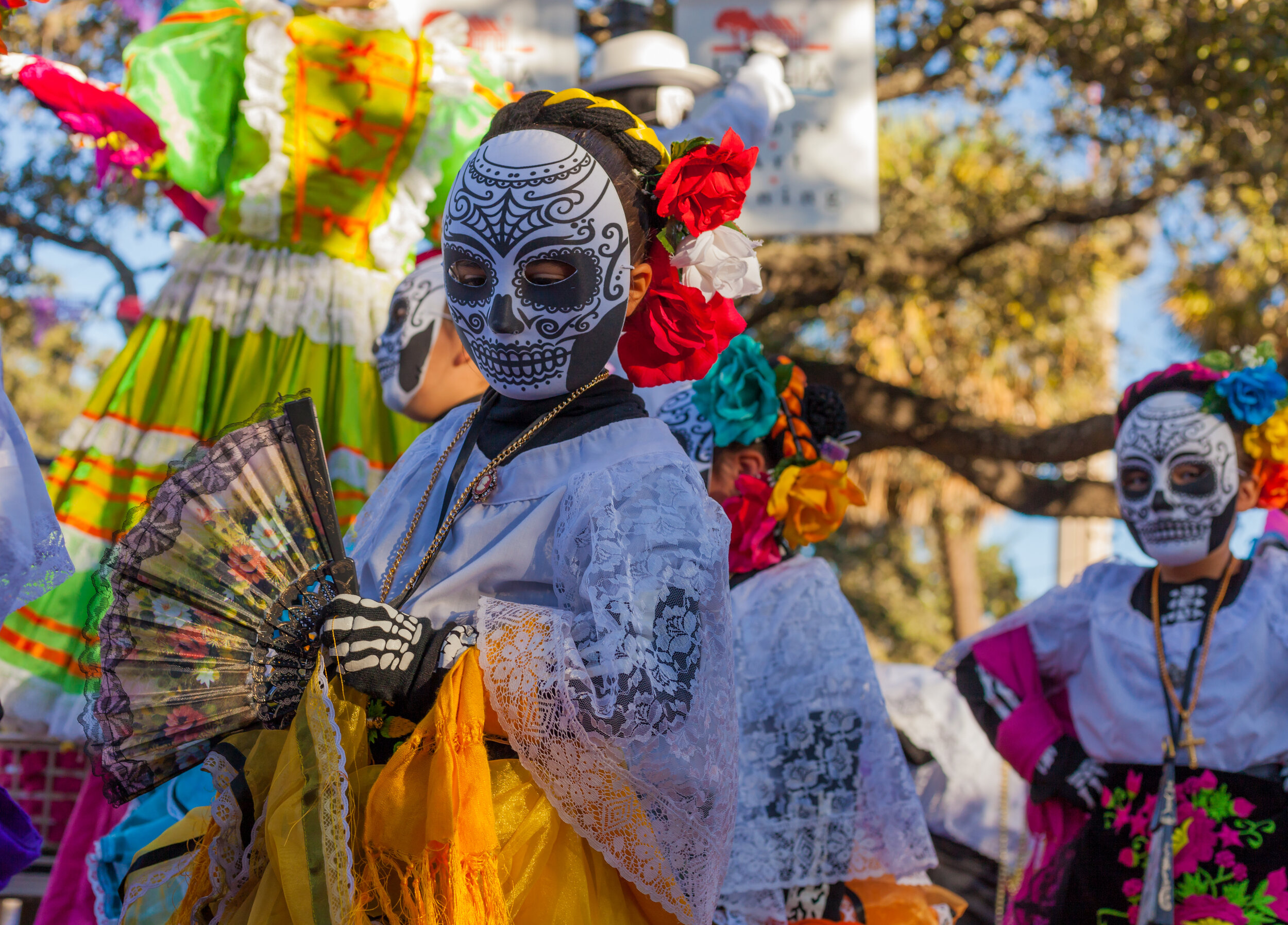
The face paint, often modeled after "La Catrina," is a way to celebrate the deceased and acknowledge that death is a part of the human experience. It is a form of artistic expression that honors the belief that we are all equal in death. It is not intended to be a "costume" in the sense of a disguise, but rather a symbolic representation of the spirit.
How long does the celebration last?
While the most famous dates are November 1st (Día de los Inocentes, for children) and November 2nd (Día de los Muertos, for adults), many communities begin preparations as early as October 28th. Each night leading up to the main event may be dedicated to different groups, such as those who died in accidents or those who have no living family to remember them.
Can anyone celebrate the Day of the Dead?
Yes, as long as it is done with respect and an understanding of the cultural significance. The core message of the holiday—honoring those who came before us—is a universal human experience. Learning about the specific symbols and their meanings helps ensure that the celebration remains a tribute rather than an appropriation of the tradition.
A Practical Recommendation for Cultural Immersion
For those seeking to deepen their understanding, the most effective next step is to engage with primary sources and community-led events. Organizations like the Smithsonian Institution offer extensive educational resources that explain the historical nuances of the holiday. If you are in a major city with a significant Mexican population, look for community centers or museums hosting "ofrenda exhibitions." These public displays often come with detailed explanations of the regional variations in the tradition. By focusing on the history and the why behind the rituals, you ensure that your celebration is an act of learning and cross-cultural bridge-building.