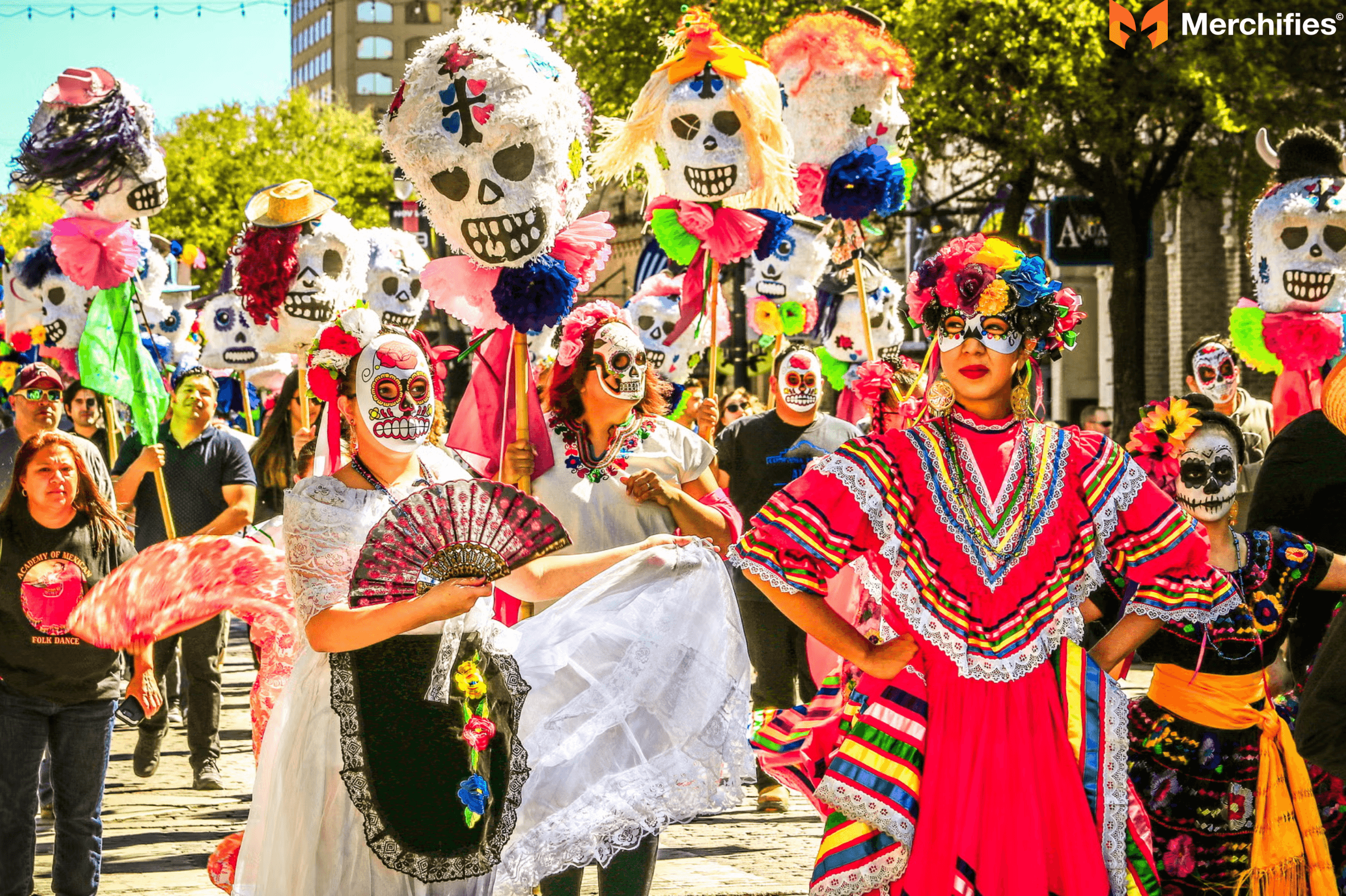
Día de los Muertos, or Day of the Dead, is a multi-day Mexican holiday where families welcome the souls of their deceased relatives for a brief reunion that includes food, drink, and celebration. It is not a mournful occasion but a vibrant affirmation of life and the enduring bond between the living and the departed.
1. The Ancient Origins: A Fusion of Indigenous and Spanish Cultures
Understanding the origins of Día de los Muertos requires looking back over 3,000 years to the indigenous civilizations of Mesoamerica, particularly the Aztecs, Toltecs, and Nahua people. For these cultures, death was not seen as a finality but as a natural phase in life's long continuum. The dead were still considered members of the community, kept alive in memory and spirit, and during certain times of the year, it was believed they returned to Earth.
The primary indigenous root of the holiday lies in an Aztec festival dedicated to the goddess Mictecacihuatl, known as the "Lady of the Dead." Originally celebrated during the ninth month of the Aztec solar calendar (roughly August), the festivities lasted an entire month. The rituals focused on honoring children and dead ancestors while acknowledging the cycle of life and death as an essential part of the universe's balance.
When Spanish Conquistadors arrived in the 16th century, they brought Roman Catholic traditions with them. In an attempt to convert the indigenous population, the Spanish moved the indigenous death-honoring festivals to coincide with the Catholic holidays of All Saints' Day (November 1) and All Souls' Day (November 2). This period of syncretism resulted in the modern Día de los Muertos: a unique blend of pre-Hispanic spiritualism and Christian theology. Today, in 2026, the holiday remains a profound example of cultural resilience, maintaining its core indigenous identity despite centuries of external pressure.
2. The Ofrenda: A Symbolic Bridge Between Worlds
The centerpiece of any Día de los Muertos celebration is the ofrenda, or altar. These are not altars for worship in the traditional sense; rather, they are intended to welcome the spirits back to the realm of the living. Families spend days meticulously constructing these displays in their homes or at the gravesites of loved ones. Every object placed on an ofrenda carries specific symbolic weight intended to facilitate the journey of the soul.
A traditional ofrenda typically incorporates the four elements of nature:
- Earth: Represented by the harvest and food. It is believed that the deceased are fed by the "aroma" of the food.
- Wind: Represented by papel picado, or perforated paper. The delicate movements of the paper signify the presence of the spirits passing through.
- Water: Placed in a pitcher or glass to quench the thirst of the souls after their long journey from the land of the dead.
- Fire: Represented by candles, often placed in the form of a cross to represent the cardinal points, helping the spirits find their way home.
Beyond these elements, the Cempasúchil (Mexican marigold) is the most iconic floral component. Known as the "flower of the dead," its bright orange color and pungent scent are said to guide the spirits from the cemetery to the family home. Photos of the deceased are placed at the highest point of the altar, often accompanied by their favorite personal belongings or items they enjoyed in life, such as a specific brand of tequila, a deck of cards, or musical instruments.
3. The Iconography of La Catrina: From Satire to Symbol
Perhaps the most recognizable image associated with Día de los Muertos is the elegant skeletal lady wearing an ornate European-style hat: La Calavera Catrina. Contrary to popular belief, this figure did not originate from ancient Aztec mythology. Instead, she was created in the early 20th century by Mexican printmaker and lithographer José Guadalupe Posada.
Posada’s original zinc etching, titled La Calavera Garbancera, was intended as a social satire. The word "garbancera" referred to people of indigenous ancestry who tried to pass as European, denying their own cultural heritage. By depicting a skeleton in high-society French attire, Posada was making a poignant point: regardless of your wealth, status, or the pretensions of the clothes you wear, everyone ends up as a skeleton in the end. Death is the ultimate democratizer.
The figure was later popularized and named "La Catrina" by the famous muralist Diego Rivera in his 1947 work, Dream of a Sunday Afternoon in Alameda Park. Rivera depicted the skeleton holding hands with a young version of himself, cementing her status as a national icon. Today, La Catrina represents the Mexican willingness to "laugh at death" and serves as a reminder to embrace the joy of living while acknowledging the inevitability of the end.
4. Sacred Sustenance: The Meaning Behind Pan de Muerto and Sugar Skulls
Food plays a vital role in Día de los Muertos, acting as both a physical offering for the living and a spiritual offering for the dead. Two items stand out as essential to the tradition: Pan de Muerto and Calaveras de Azúcar (sugar skulls).
Pan de Muerto, or Bread of the Dead, is a sweet, citrus-scented egg bread dusted with sugar. The shape of the bread is highly symbolic. The round top represents the circle of life and death. The dough strips placed across the top represent the bones of the deceased, and the small knob in the center signifies the skull or the heart. In many regions, the bread is flavored with orange blossom water to symbolize the essence of the departed.
Calaveras de Azúcar are another staple. These brightly decorated skulls are made of a granulated sugar paste and adorned with colored icing, foil, and feathers. While they represent death, they are intentionally colorful and whimsical rather than macabre. This reflects the holiday’s philosophy that death is not something to be feared but celebrated. Often, the name of a living person is written on the forehead of a sugar skull—not as a threat, but as a playful nod to the fact that we are all temporary inhabitants of this world.
5. The Three Deaths: Understanding the Spiritual Philosophy
To truly understand the meaning of Día de los Muertos, one must look at the underlying Mexican philosophy regarding the "Three Deaths." This concept explains why the holiday is so vital for the preservation of family history and community bonds.
- The First Death: This is the physical death of the body, when the heart stops beating and the breath leaves the lungs.
- The Second Death: This occurs when the body is lowered into the earth or returned to the elements, and the physical form is no longer visible to the living.
- The Third Death: This is the most definitive and feared death. It occurs when there is no one left among the living to remember the person or speak their name.
Día de los Muertos is specifically designed to prevent the "Third Death." By creating ofrendas, telling stories of ancestors, and teaching younger generations about those who came before them, families ensure that their loved ones remain in the "active memory" of the living. This belief system emphasizes that as long as we are remembered, we are never truly gone. It shifts the focus of the holiday from the tragedy of loss to the responsibility of remembrance.
Comparing Cultural Observances of Death
| Feature | Día de los Muertos | Typical Western Funeral Traditions |
|---|---|---|
| Primary Emotion | Joy, nostalgia, and celebration. | Grief, solemnity, and mourning. |
| Duration | Multiple days (Nov 1–2). | Single day/service. |
| Main Symbol | Colorful skeletons and marigolds. | Black clothing and lilies. |
| Spiritual Goal | To welcome souls back for a visit. | To say a final goodbye to the deceased. |
| Atmosphere | Active, loud (music/parades), and social. | Quiet, reflective, and private. |
| Location | Homes, cemeteries, and public plazas. | Churches and funeral homes. |
Common Misconceptions and FAQs
Is Día de los Muertos "Mexican Halloween"?
No. While they share the same time of year and some common roots in ancient seasonal festivals, they are fundamentally different. Halloween is traditionally rooted in the Celtic festival of Samhain and often focuses on the "scary" or macabre aspects of the supernatural. Día de los Muertos is a culture-specific celebration of ancestral lineage and memory, characterized by joy and familial duty rather than fright.
Can non-Mexicans celebrate Día de los Muertos?
Yes, as long as it is done with respect and cultural appreciation rather than appropriation. Many people worldwide have adopted the practice of creating small ofrendas to honor their own ancestors. The key is understanding the symbolism—such as the meaning of the marigolds or the sugar skulls—rather than using them simply as "costumes" or "decorations."
Why are there two different days for the holiday?
Traditionally, November 1st is Día de los Inocentes (Day of the Innocents) or Día de los Angelitos (Day of the Little Angels), dedicated specifically to the souls of children who have passed away. November 2nd is the main Día de los Muertos, dedicated to adults. The belief is that the souls of children are more eager and arrive earlier than the adults.
What is the significance of the "Cempasúchil" flower?
The Cempasúchil, or Mexican Marigold, is believed to hold the energy of the sun due to its vibrant orange and yellow colors. According to Aztec legend, the scent of these flowers helps lead the souls of the dead back to their homes. They are often used to create "paths" from the street to the altar.
Are the skeletons (Calacas) supposed to be scary?
Never. In the context of this holiday, skeletons are depicted as being active and happy—playing instruments, dancing, or eating. This imagery serves to mock the fear of death and to show that the spirits are enjoying themselves during their brief return to the earthly realm.
Engaging with the Tradition Respectfully
If you are interested in observing or learning more about Día de los Muertos, the most effective next step is to visit a local cultural center or a museum exhibit dedicated to Mexican heritage. These organizations often host public ofrenda displays that explain the specific regional variations of the holiday.
For those wishing to honor their own departed loved ones, consider creating a "memory corner" rather than a full traditional altar if you are not of Mexican descent. You can include a photograph, a favorite memento, and perhaps a candle. This honors the universal human need to remember the deceased without misrepresenting a specific cultural ritual. By focusing on the "Third Death" philosophy—ensuring a name is spoken and a story is told—you participate in the core essence of the tradition: the celebration of an eternal connection.