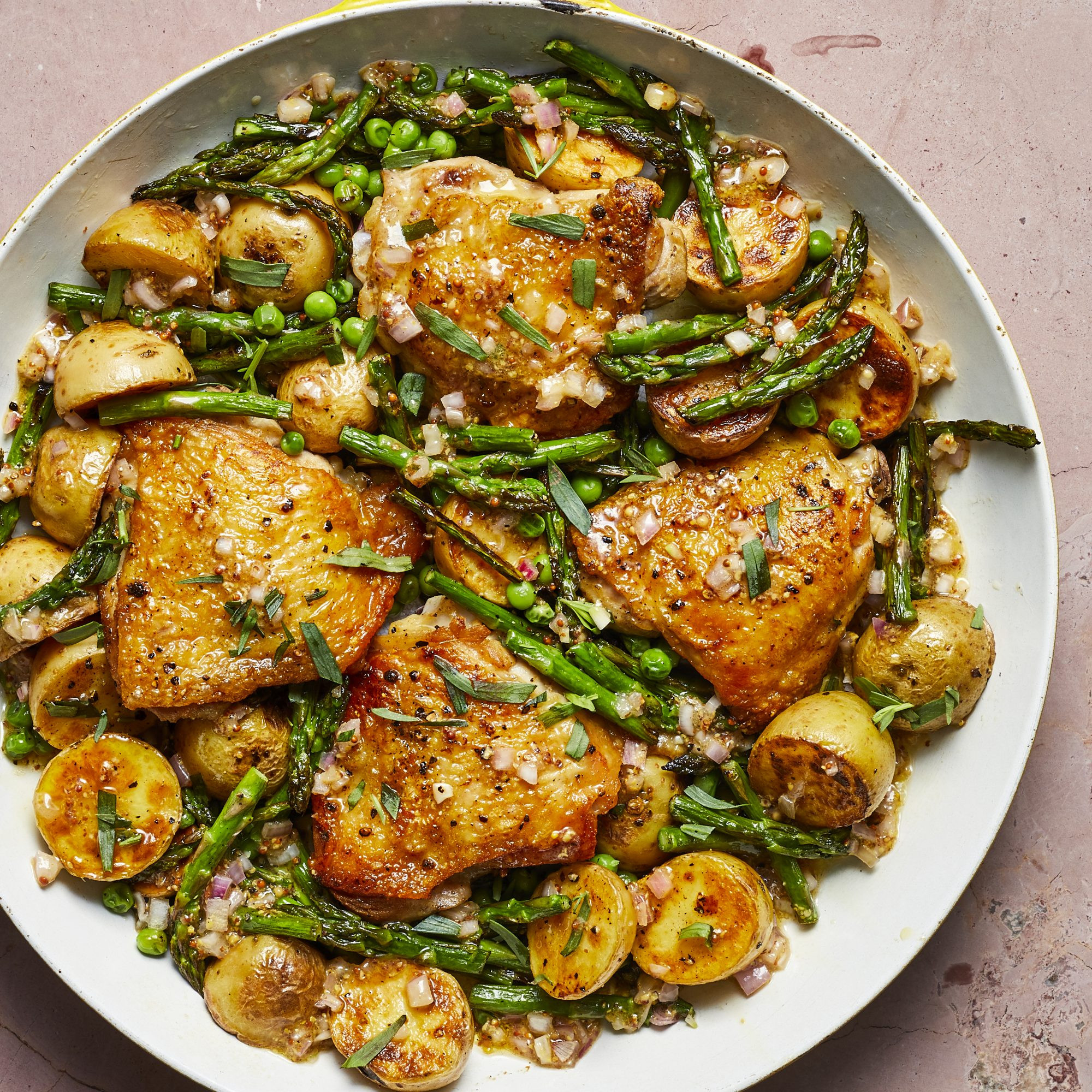
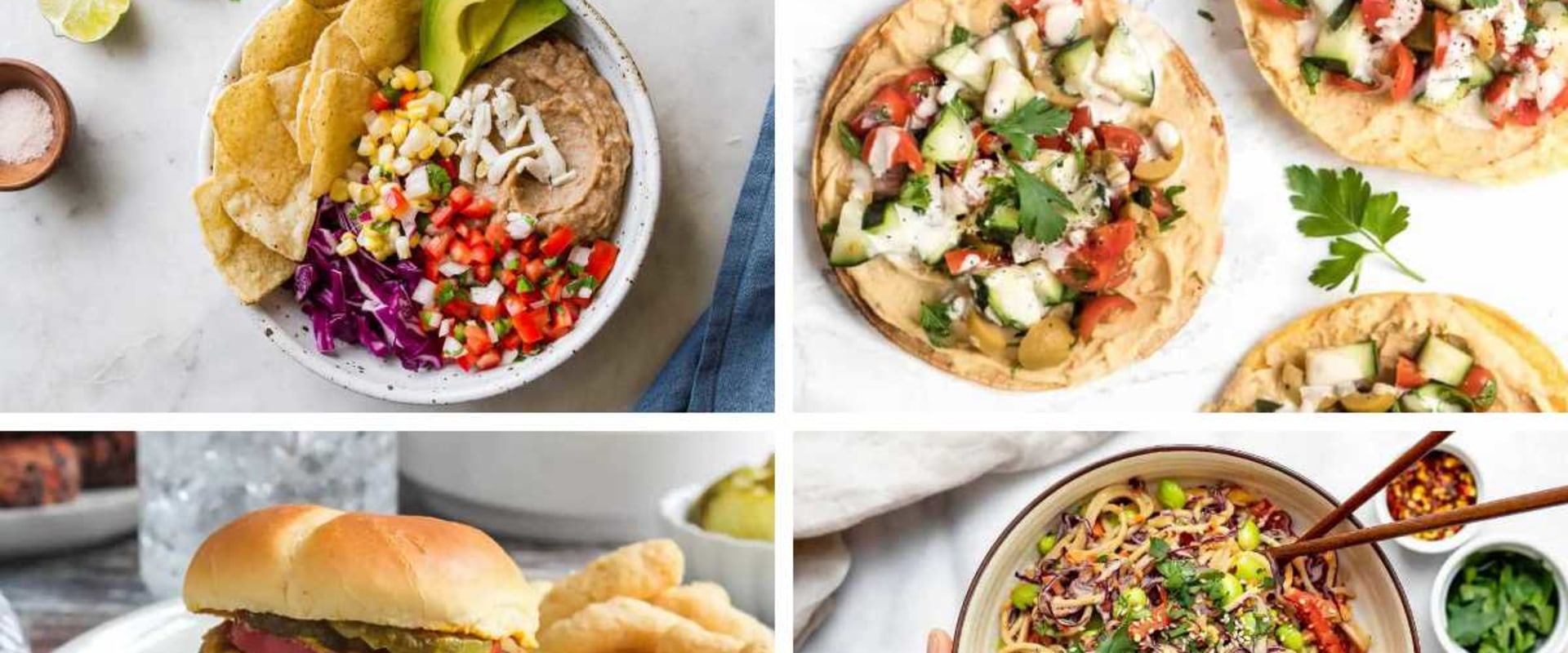
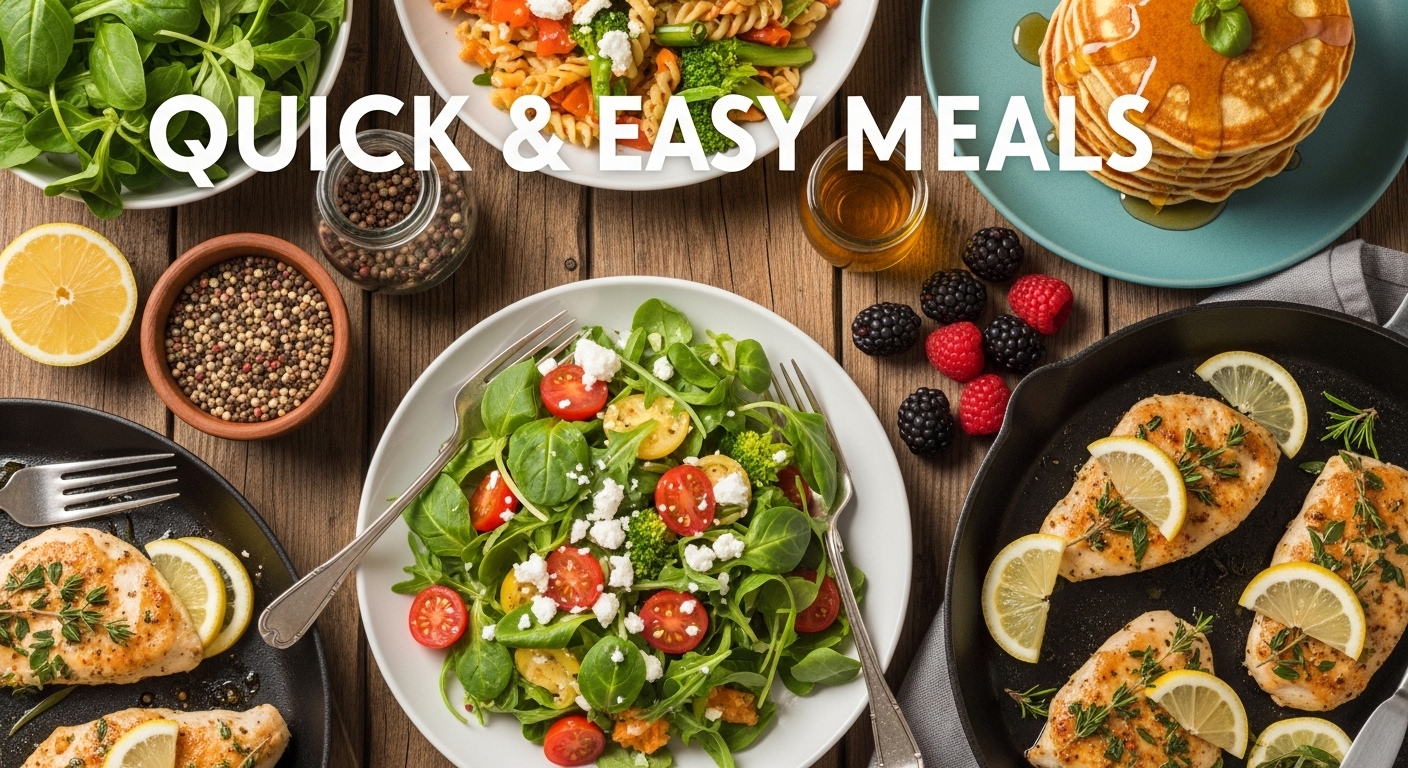
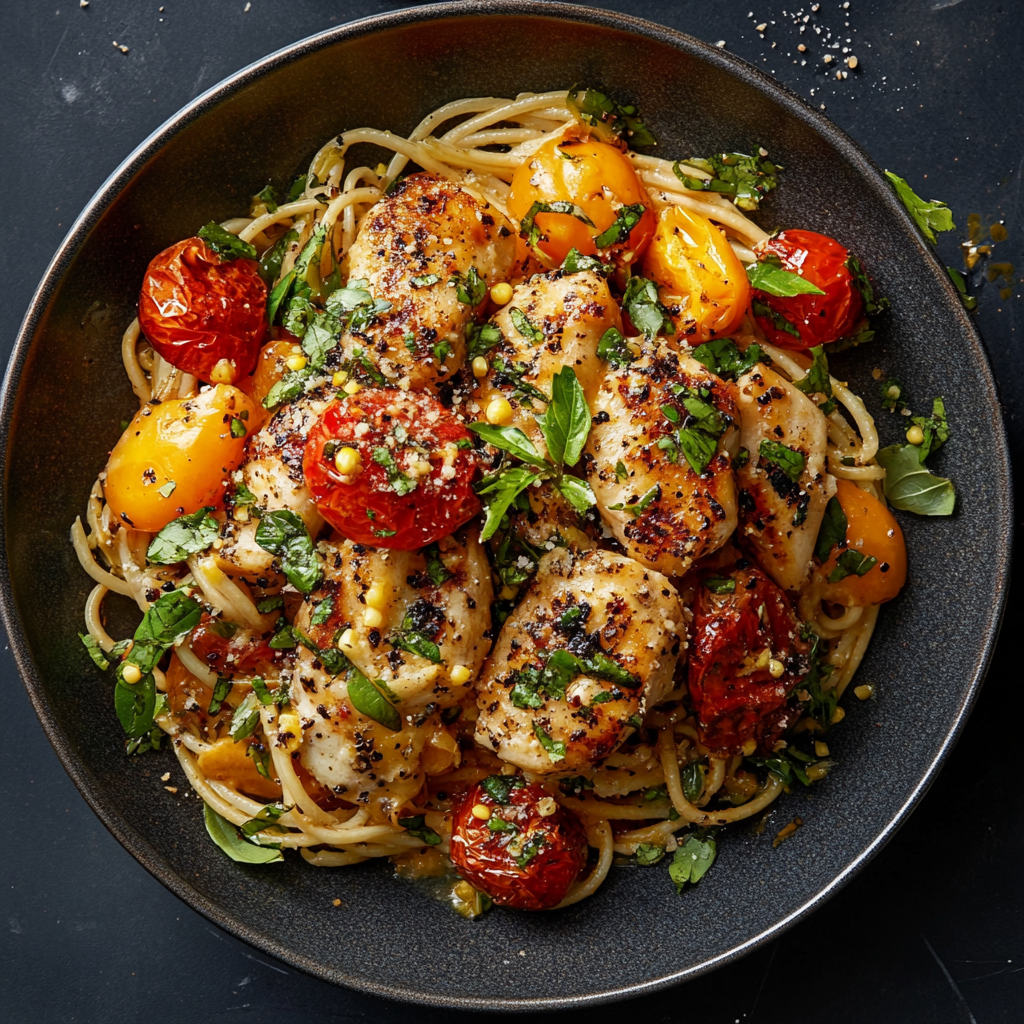
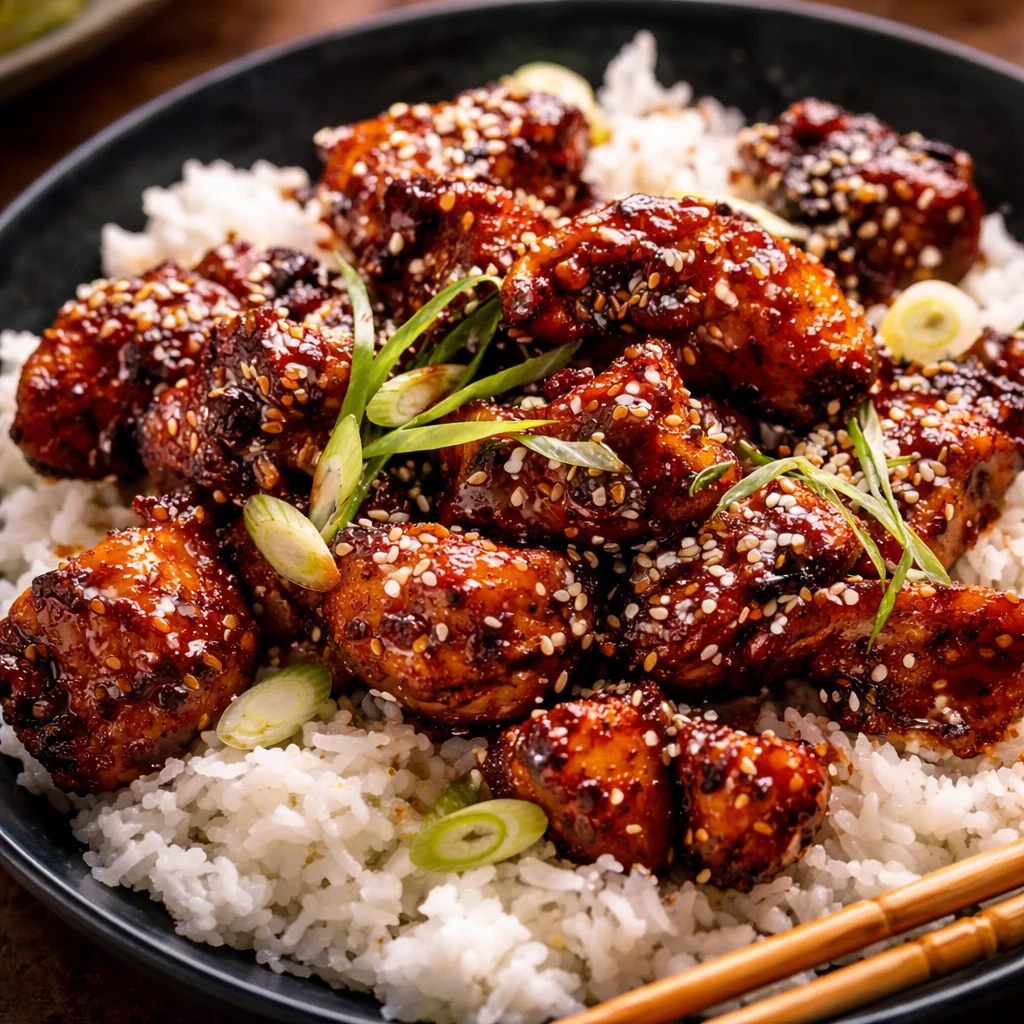
Finding the balance between nutritional value and time management is the primary challenge for home cooks in 2026. These five easy recipes provide high-quality, delicious meals that require less than 30 minutes of active labor, utilizing modern pantry staples and efficient cooking techniques to ensure professional-grade results in a domestic kitchen environment.
The Essentials of 2026 Rapid Meal Preparation
Before executing these recipes, it is essential to understand the prerequisites for efficient "quick-cooking." In 2026, the concept of the "Capsule Pantry" has become the standard for reducing decision fatigue. This involves maintaining a curated selection of high-utility ingredients: neutral high-smoke-point oils (like avocado or refined grapeseed), fermented pastes (miso, gochujang), and pre-washed aromatics.
Technical efficiency also relies on your equipment. Ensuring your knives are professionally sharpened and your induction or gas surfaces are pre-heated is critical when a recipe calls for high-heat searing. These five recipes were selected based on their "one-pot" or "minimal-prep" nature, which significantly reduces post-meal sanitation time—a key factor in the overall "speed" of a meal.
1. One-Pan Lemon Garlic Butter Shrimp and Asparagus
This dish is a masterclass in timing and flavor layering. Shrimp is an ideal protein for quick meals because it reaches an internal temperature of 120°F (49°C) in mere minutes, while asparagus provides a crisp, fibrous contrast that cooks at a similar rate when trimmed correctly.
Ingredients and Preparation
You will need one pound of large shrimp (peeled and deveined), one bunch of thin asparagus spears, three cloves of minced garlic, two tablespoons of unsalted butter, and the juice of half a lemon. To add depth, include a pinch of crushed red pepper flakes and fresh parsley.
Execution Steps
- Prep the Asparagus: Snap off the woody ends of the asparagus. If the spears are thick, slice them lengthwise to ensure they cook as quickly as the shrimp.
- Sauté the Aromatics: Melt the butter in a large skillet over medium-high heat. Add the garlic and red pepper flakes, cooking for only 30 seconds to release the oils without burning the garlic solids.
- The High-Heat Sear: Add the shrimp and asparagus to the pan in a single layer. Season immediately with salt and black pepper.
- Emulsification: Once the shrimp turn pink and opaque (approximately 2-3 minutes per side), pour in the lemon juice. This de-glazes the pan, lifting the browned bits (fond) into a light sauce that coats the ingredients.
Technical Tip
Avoid overcrowding the pan. If the shrimp are too close together, they will steam in their own moisture rather than sear, resulting in a rubbery texture rather than a crisp exterior.
2. 15-Minute Creamy Spinach and Mushroom Pasta
This recipe utilizes the starch from pasta water to create a luxurious sauce without the need for heavy cream or complex roux. It is a staple for those seeking a vegetarian option that feels substantial and sophisticated.
The Science of Pasta Water
When boiling pasta, the water becomes saturated with amylose starch. By reserving a portion of this water and combining it with Parmesan cheese and sautéed vegetables, you create a stable emulsion. This technique is faster and lighter than traditional cream sauces.
Step-by-Step Instructions
- Boil the Pasta: Use a short pasta like penne or fusilli. Salt the water heavily—it should mimic the salinity of the sea to season the pasta from within.
- Sauté Mushrooms: While the pasta boils, brown sliced cremini mushrooms in olive oil. Do not salt them until they are browned; salt draws out moisture and prevents browning.
- Wilt the Spinach: Add three cups of fresh baby spinach to the mushrooms. The residual heat will collapse the spinach in about 60 seconds.
- Combine and Emulsify: Drain the pasta, reserving one cup of the starchy water. Toss the pasta into the vegetable skillet with half a cup of grated Parmesan and splashes of the reserved water, stirring vigorously until a glossy sauce forms.
3. Sheet Pan Chicken Fajitas with Lime-Cilantro Crema
Sheet pan meals are the pinnacle of efficiency because they utilize the oven’s convection currents to cook protein and vegetables simultaneously. This method produces the "char" associated with traditional cast-iron fajitas without the smoke and active monitoring.
Ingredient Specifications
Use boneless, skinless chicken thighs rather than breasts; thighs have a higher fat content and are much more forgiving under the high heat required for fajitas. Pair with bell peppers and red onions sliced into uniform strips to ensure even roasting.
Roasting Protocol
- Oven Calibration: Preheat your oven to 425°F (218°C). A high temperature is necessary to achieve the Maillard reaction on the vegetables before the chicken dries out.
- Seasoning: Toss the chicken and vegetables in a bowl with olive oil, cumin, smoked paprika, onion powder, and chili powder.
- Spatial Arrangement: Spread the mixture across a large parchment-lined rimmed baking sheet. Ensure there is space between the pieces to allow steam to escape.
- Finishing: Roast for 18-20 minutes. Serve with warm tortillas and a quick crema made by mixing Greek yogurt, lime juice, and chopped cilantro.
4. 20-Minute Sesame Ginger Beef Stir-Fry
Stir-frying is a technique defined by speed and high-intensity heat. In 2026, many home cooks utilize "velveting"—a process of coating meat in a small amount of cornstarch and oil—to ensure the beef remains tender even when cooked at extreme temperatures.
The Stir-Fry Architecture
A successful stir-fry requires all ingredients to be "mis en place" (prepared in advance) because the actual cooking process takes less than eight minutes.
- The Protein: Flank steak or sirloin, sliced very thinly across the grain.
- The Aromatics: Freshly grated ginger and garlic.
- The Sauce: A mixture of soy sauce (or tamari), toasted sesame oil, honey, and a teaspoon of cornstarch.
Cooking Process
Heat a wok or heavy skillet until it slightly smokes. Add oil, then the beef in a single layer. Let it sit undisturbed for 60 seconds to develop a crust. Add a bag of frozen "stir-fry mix" vegetables (a massive time-saver that retains nutritional value through flash-freezing). Pour the sauce over the mixture; the cornstarch in the sauce will thicken instantly into a savory glaze that clings to the beef and vegetables.
5. Black Bean and Corn Quesadillas with Avocado Crema
This is the ultimate "pantry meal," relying on shelf-stable canned goods transformed through heat and texture. It is particularly effective for families or individuals looking for high-protein, low-cost options that do not sacrifice flavor.
Structural Integrity
The key to a non-soggy quesadilla is rinsing and drying the canned beans and corn thoroughly. Excess moisture is the enemy of a crispy tortilla.
Implementation
- The Filling: Mix one can of rinsed black beans, one cup of frozen corn, and a cup of shredded Monterey Jack or pepper jack cheese.
- The Crisp: Place a flour or corn tortilla in a dry skillet over medium heat. Spread the filling on one half and fold the tortilla over.
- The Weight: Use a second heavy pan to press down on the quesadilla. This ensures maximum contact between the tortilla and the heat, leading to an even, golden-brown crunch.
- Service: Mash a ripe avocado with a squeeze of lime and a dollop of sour cream for a cooling side that balances the heat of the peppers.
Comparison of Preparation Times and Nutritional Profiles
The following table compares the five recipes based on typical 2026 preparation standards, assuming a moderate level of culinary skill.
| Recipe Name | Active Prep Time | Cook Time | Primary Equipment | Caloric Estimate (per serving) |
|---|---|---|---|---|
| Lemon Garlic Shrimp | 10 Mins | 6 Mins | Large Skillet | 320 kcal |
| Spinach & Mushroom Pasta | 5 Mins | 12 Mins | Stock Pot & Skillet | 450 kcal |
| Sheet Pan Fajitas | 12 Mins | 20 Mins | Rimmed Baking Sheet | 380 kcal |
| Sesame Ginger Stir-Fry | 10 Mins | 8 Mins | Wok or Skillet | 410 kcal |
| Black Bean Quesadillas | 5 Mins | 10 Mins | Flat Griddle/Skillet | 350 kcal |
Troubleshooting Common Quick-Cooking Mistakes
Even with "easy" recipes, certain technical errors can undermine the quality of the final meal.
1. Skipping the Pre-Heat: Putting food into a cold pan causes it to stick and prevents the development of flavor-rich crusts. Always wait for the oil to shimmer or for a drop of water to dance across the surface before adding ingredients.
2. Over-Processing Vegetables: For quick meals, vegetables should be cut into uniform sizes. However, cutting them too small can lead to them turning into mush before the protein is cooked. Aim for "bite-sized" rather than "minced" for stir-frys and sheet pan meals.
3. Ignoring Residual Heat: Food continues to cook for several minutes after being removed from the heat source (carryover cooking). If you cook shrimp until they are perfectly done in the pan, they will be overdone by the time they reach the table. Remove proteins when they are just shy of your desired doneness.
Why Quality Ingredients Matter in Simple Recipes
When a recipe only has five or six ingredients, the quality of each is magnified. In 2026, the shift toward organic, locally sourced produce and grass-fed proteins is not just a health choice but a flavor choice. A high-quality olive oil or a block of real Parmigiano-Reggiano will provide more depth than dozens of cheaper spices combined.
How to Substitute for Dietary Restrictions
These recipes are designed for flexibility.
- Gluten-Free: Replace pasta with chickpea-based alternatives and use Tamari instead of soy sauce. Ensure tortillas are 100% corn.
- Vegan/Plant-Based: Substitute shrimp with extra-firm tofu (pressed and cubed) and use nutritional yeast or cashew-based "cheese" in the pasta and quesadillas.
- Low-Carb: Serve the stir-fry or fajitas over riced cauliflower or a bed of shredded cabbage instead of grains or tortillas.
Is Fresh Always Better Than Frozen?
In the context of quick delicious meals, frozen vegetables are often superior to "fresh" produce that has sat in a refrigerator for a week. Flash-frozen vegetables are processed at peak ripeness, preserving vitamins and minerals. For stir-frys and sheet pan meals, utilizing frozen corn, peas, or mixed peppers can save significant preparation time without a loss in nutritional density.
How Can I Speed Up Clean-Up?
The "clean as you go" method remains the industry standard. While the pasta water boils or the fajitas roast, wash the cutting board and prep bowls. Using parchment paper on sheet pans and well-seasoned cast iron or high-quality non-stick pans will also drastically reduce the time spent at the sink.
Optimizing Your Weekly Kitchen Workflow
To truly master quick meals in 2026, focus on "Component Prepping" rather than "Meal Prepping." Instead of cooking full meals on Sunday, prepare individual components: wash and chop the asparagus, slice the chicken thighs, and blend the stir-fry sauce.
By having these elements ready in airtight containers, the actual assembly of the "5 easy recipes quick delicious meals you'll love" becomes a frictionless process. This approach allows for spontaneity—choosing the meal that fits your mood that evening—while maintaining the speed and efficiency required for a busy lifestyle. Your next step should be to audit your pantry for the "Capsule" essentials mentioned above, ensuring you are always only 20 minutes away from a restaurant-quality dinner.