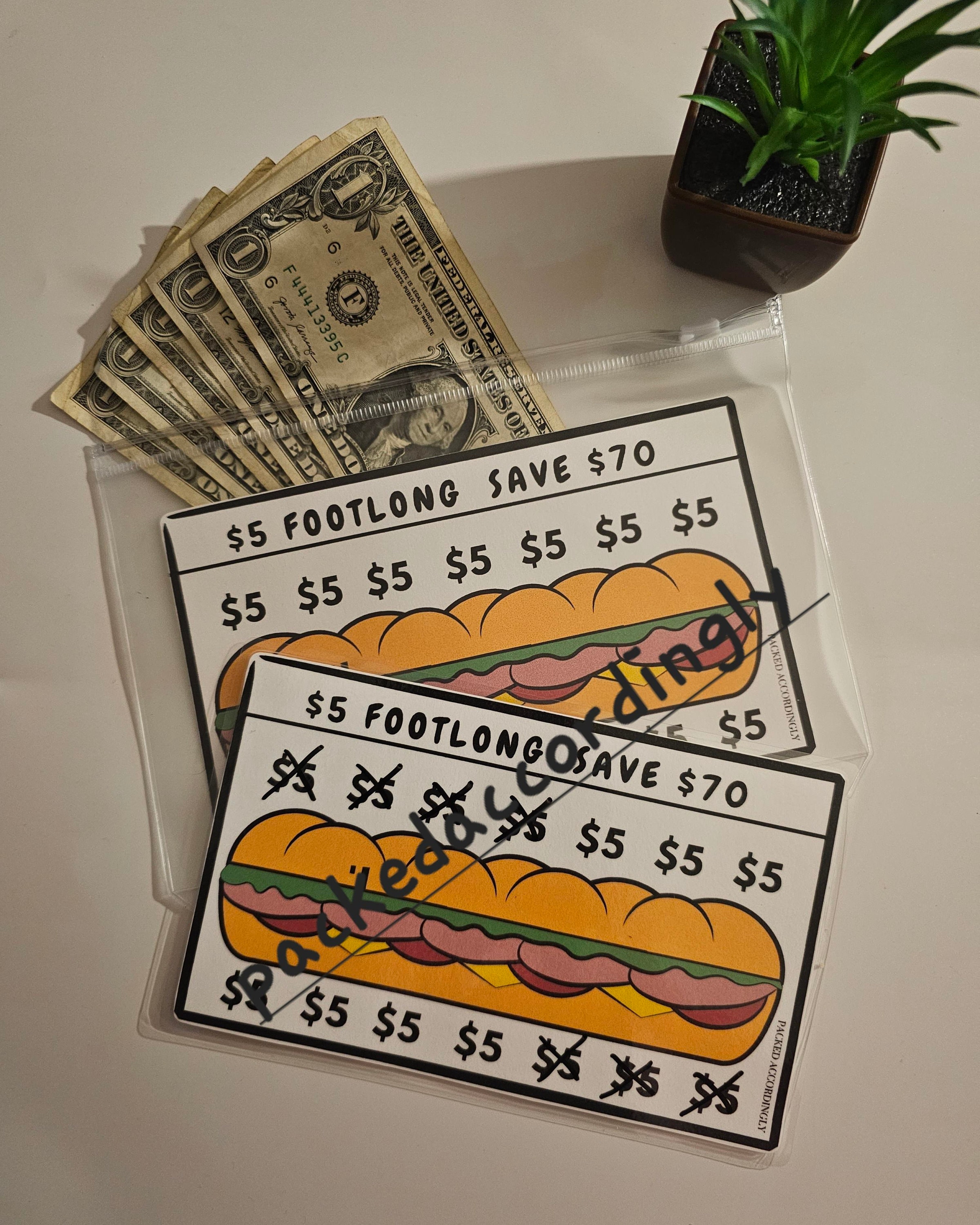
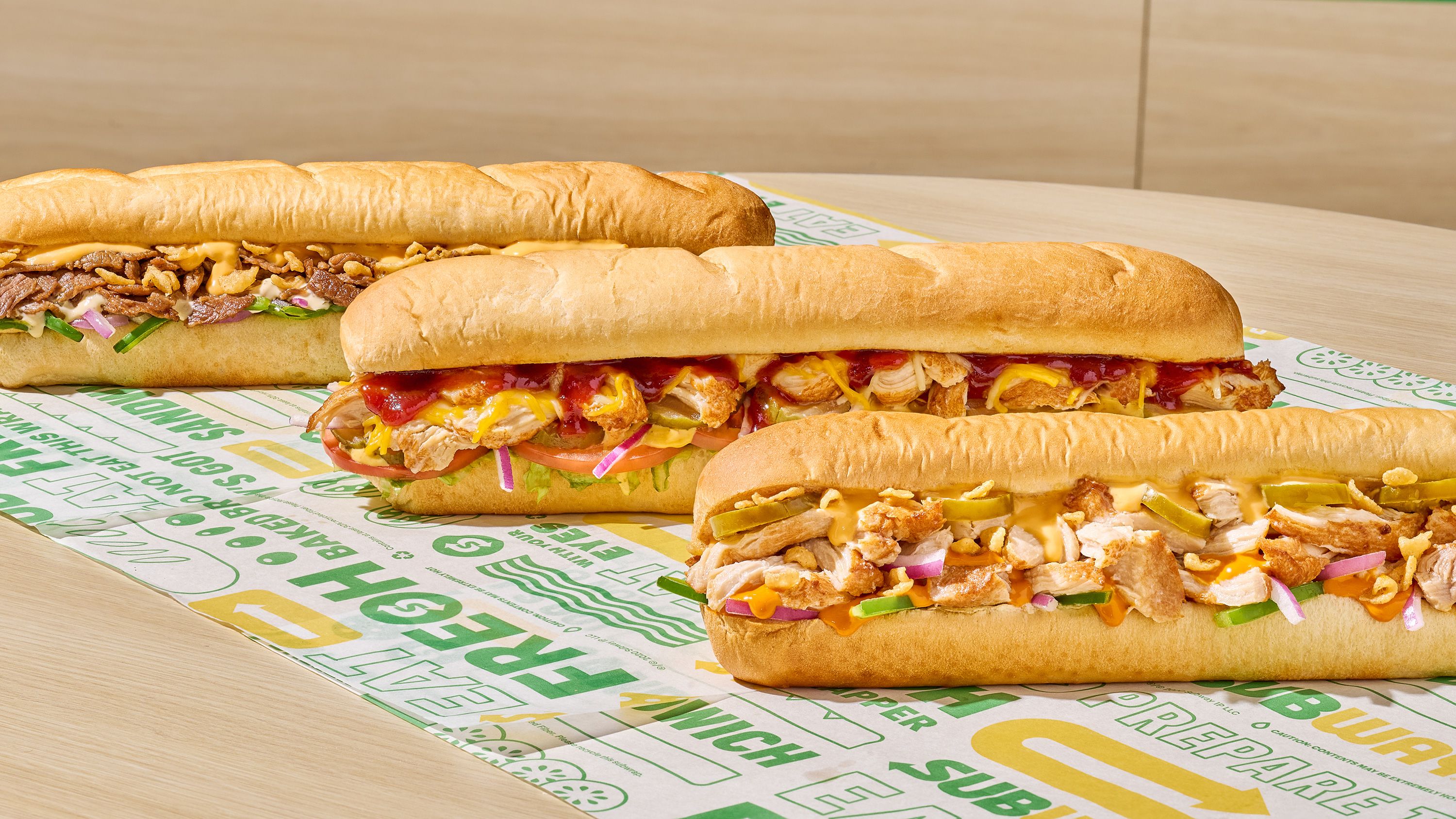
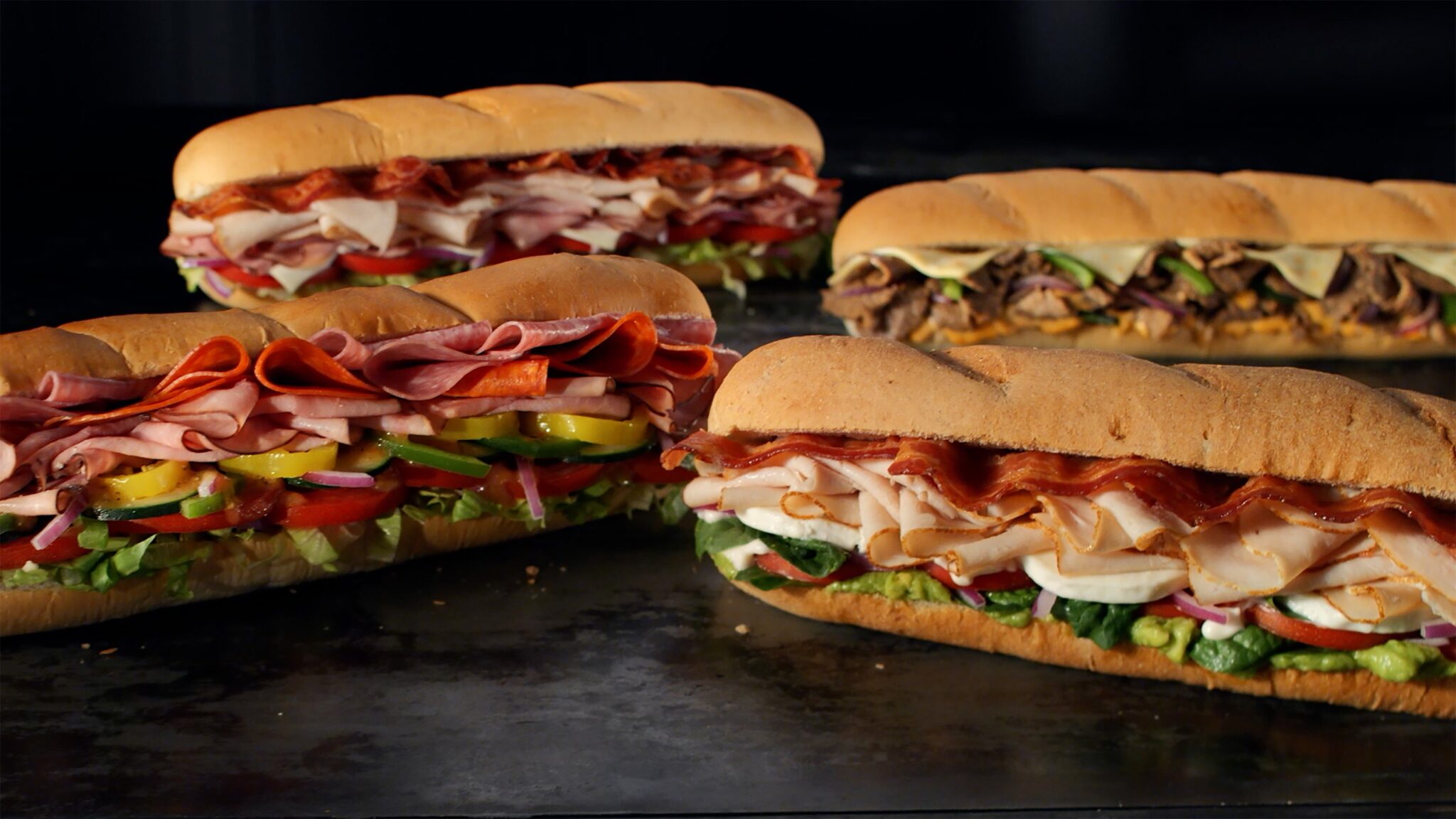
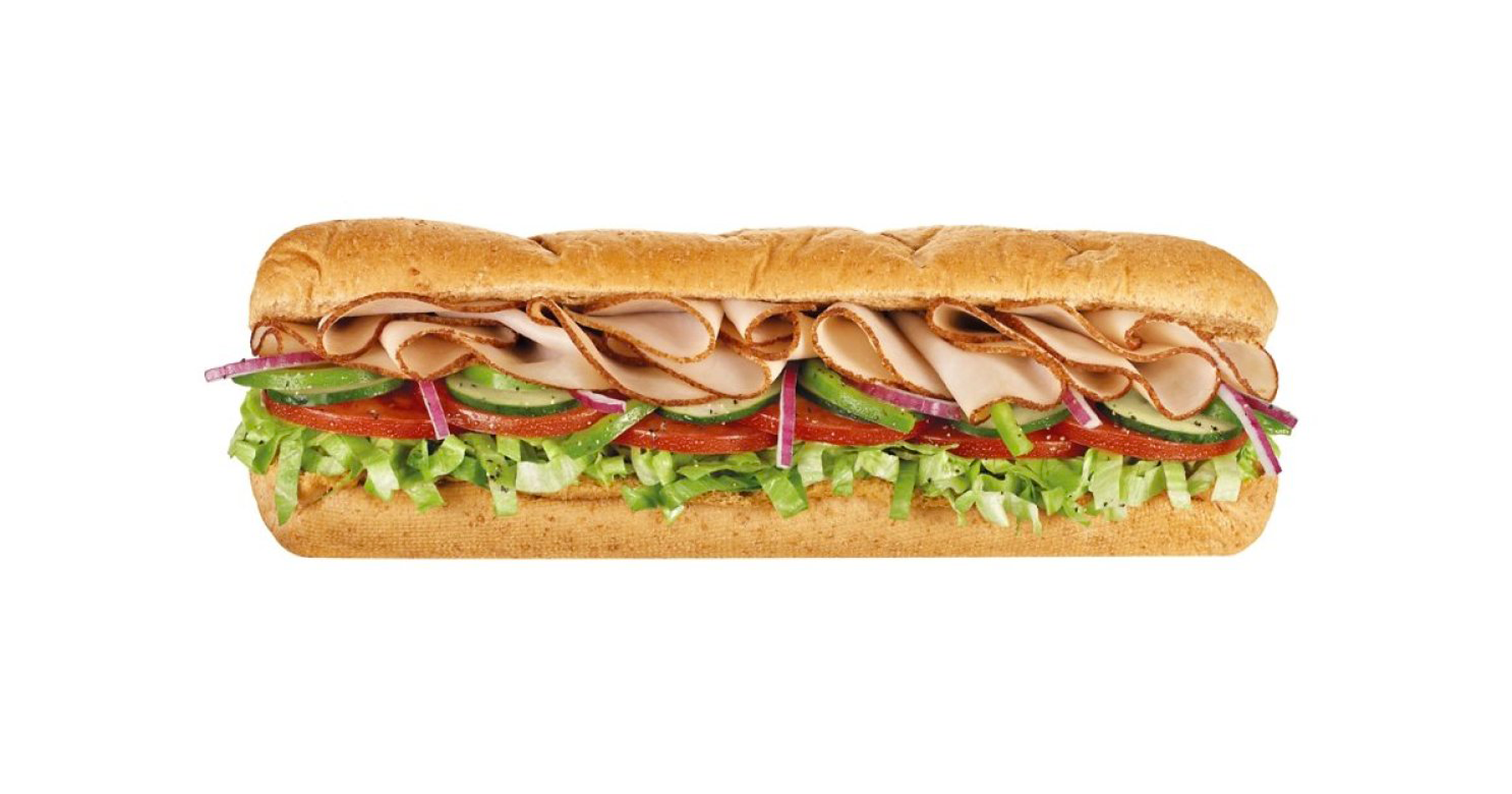
The $5 footlong was a landmark marketing promotion launched by Subway in 2008, offering any 12-inch sandwich for five dollars. Originally a local franchisee's initiative, it became a national phenomenon that redefined fast-food value. Today, in 2026, while the original $5 price point has largely vanished due to inflation, its legacy continues to shape Subway’s digital-first discount strategies and global brand identity.
The Birth of a Cultural Phenomenon
The story of the $5 footlong does not begin in a corporate boardroom, but in a single franchise location in Miami, Florida. In 2004, franchisee Rick James noticed a significant slump in weekend sales. To drive traffic, he decided to offer a 12-inch sub for $5 on Saturdays and Sundays. The success was immediate and overwhelming. James eventually expanded the deal to every day of the week, seeing his store's volume skyrocket.
By 2008, as the United States entered a significant economic recession, Subway’s corporate leadership recognized that consumers were desperately seeking value. They took James’s local promotion and scaled it nationally. The timing was impeccable; at a moment when households were tightening their belts, the promise of a substantial, relatively healthy meal for a single five-dollar bill resonated across every demographic. The promotion helped Subway weather the financial crisis far better than many of its competitors in the casual dining and quick-service restaurant (QSR) sectors.
The Marketing Strategy: Music, Repetition, and Psychology
The success of the $5 footlong was propelled by one of the most effective advertising campaigns in the history of the food industry. The "Five, Five, Five Dollar Footlong" jingle, paired with a hand gesture mimicking the length of the sandwich, became an inescapable cultural touchstone.
From a marketing psychology perspective, the campaign succeeded because of its simplicity and transparency. Unlike the "Dollar Menus" at competitors like McDonald’s or Wendy’s, which often featured smaller, snack-sized items, Subway was offering its flagship product. The messaging was clear: $5 for 12 inches of food. This created a powerful "price anchor" in the minds of consumers. For nearly a decade, the public perceived $5 as the fair and standard price for a footlong sandwich, a perception that would eventually create significant challenges for the brand as economic conditions changed.
The Economic Downfall of the $5 Price Point
As the years progressed, the very promotion that built Subway’s dominance began to erode its profitability. The $5 footlong was a "loss leader"—an item sold at a low price to attract customers who might then buy higher-margin items like chips, cookies, and soda. However, several factors led to the eventual retirement of the permanent $5 price point:
- Rising Ingredient Costs: The cost of proteins, particularly beef and poultry, rose steadily between 2008 and 2020. Providing a pound of meat and fresh vegetables on a footlong loaf became increasingly expensive.
- Labor Inflation: Minimum wage increases across various states significantly raised the operational costs for franchisees. Unlike corporate-owned stores, individual franchise owners had to absorb these costs while maintaining the $5 ceiling.
- Real Estate and Utilities: The overhead for maintaining physical storefronts increased, making the thin margins of a $5 sub unsustainable for small business owners.
By 2012, Subway began to pull back, transitioning the deal to a "Select $5 Footlong" menu, where only specific subs were available at that price. By 2016, the standard price was raised to $6, and by the early 2020s, the "Footlong" was frequently priced between $9 and $14, depending on the location and the complexity of the ingredients.
Franchisee Relations and the Profit Margin Crisis
The $5 footlong created a long-standing rift between Subway’s corporate headquarters and its thousands of independent franchisees. Corporate leadership viewed the promotion as an essential tool for maintaining market share and high customer traffic. Franchisees, however, argued that they were losing money on every sandwich sold.
In 2017 and 2018, tensions reached a breaking point. Thousands of franchisees signed petitions against the reintroduction of the $5 deal, citing that it was no longer financially viable. This internal conflict led to a major strategic shift. Subway began to focus more on "premium" offerings, such as the Subway Series launched in 2022, which emphasized higher-quality ingredients and chef-curated recipes at a higher price point. This move was designed to distance the brand from its "budget-only" reputation and improve the bottom line for store owners.
The "11-Inch" Controversy and Legal Challenges
At the height of the $5 footlong’s popularity, the brand faced a significant public relations crisis regarding the actual length of its sandwiches. In 2013, a teenager in Australia posted a photo of a Subway footlong next to a tape measure, showing the bread was only 11 inches long. The photo went viral, leading to a class-action lawsuit in the United States.
Subway defended itself by explaining that the baking process can cause natural variations in the shape and length of the bread, even if the weight of the dough remains consistent. While the lawsuit was eventually dismissed by an appeals court in 2017 (calling the settlement "utterly worthless" to consumers), the damage was done. The brand was forced to implement stricter quality control measures and ensure that "footlong" was a standard of measure and not just a marketing term. This incident highlighted the risks of basing an entire brand identity on a specific measurement and price point.
Modern Pricing Structures: What a Footlong Costs in 2026
As of 2026, the $5 footlong is officially a legacy promotion. While the jingle occasionally reappears in "throwback" digital advertisements, the pricing landscape has fundamentally shifted toward dynamic and personalized offers. Subway has moved away from static national pricing in favor of a tiered system based on local cost of living and ingredient tiers.
Footlong Pricing and Value Comparison (Estimated 2026)
| Category | 2008 Original Promotion | 2026 Current Standard | Change Overview |
|---|---|---|---|
| Base Price | $5.00 (All Subs) | $9.49 - $12.99 | Shift to tiered pricing based on protein. |
| Premium Subs | Included ($5.00) | $13.50 - $16.50 | "Subway Series" and specialized melts. |
| Promotion Type | Permanent National Deal | App-Exclusive / Limited Time | Movement toward digital loyalty rewards. |
| Ingredient Quality | Standard Grade | Enhanced / Non-GMO Focus | Significant investment in food quality. |
| Ordering Method | In-Store Counter | Mobile / Third-Party App | 70%+ of value deals are now digital. |
In the current market, the closest equivalent to the $5 footlong is found within the Subway mobile app. The company frequently utilizes "BOGO" (Buy One, Get One) offers or "Footlong Pass" subscriptions, which can bring the per-unit cost of a sandwich down to roughly $6.00 to $7.00 when purchased in bulk or during specific promotional windows.
Strategic Shift: The Subway Series and Digital Loyalty
To replace the $5 footlong, Subway pivoted to a strategy centered on the Subway Series and a robust digital ecosystem. The Subway Series, introduced in the early 2020s, moved the brand away from the "build your own" model that had defined it for decades. By encouraging customers to order by name and number (e.g., "The Outlaw" or "The Monster"), Subway streamlined operations and emphasized premium ingredients like fresh-sliced meats and double cheese.
This shift was essential for 2026 operations. Digital loyalty programs now allow the brand to offer deep discounts to price-sensitive customers without devaluing the entire menu for everyone else. By using data analytics, Subway can send a "$6.99 Footlong" coupon directly to a user who hasn't visited in three weeks, while charging full price to a lunchtime regular. This "precision discounting" has replaced the broad, unsustainable blanket pricing of the 2008 era.
How the $5 Footlong Changed the Industry
The legacy of the $5 footlong extends beyond Subway. It forced the entire fast-food industry to rethink the concept of a "value meal."
- The Race to the Bottom: For years, competitors like Arby's, Jimmy John's, and Quiznos struggled to match the $5 price point, leading to a period of intense price wars that thinned margins across the board.
- Menu Engineering: The failure of the $5 price point to keep up with inflation taught the industry that "hard-coded" prices in marketing (like the "Dollar Menu") are dangerous long-term strategies.
- Size vs. Quality: The campaign proved that for the American consumer, volume (the "footlong") is often the primary driver of perceived value, even over ingredient quality or brand prestige.
FAQs About the $5 Footlong
Does Subway still have the $5 footlong in 2026?
No, the $5 footlong is no longer a permanent national menu item at Subway in 2026. While occasional digital coupons or localized "flash sales" might bring the price of a specific sub down to $5 or $6, the standard price for a footlong sandwich now ranges from $9.50 to $15.00 depending on the location and the specific ingredients.
Why did the $5 footlong price increase?
The price increase was primarily driven by the rising costs of food, labor, and overhead. Since 2008, the cost of ingredients like turkey, beef, and fresh produce has risen significantly. Additionally, minimum wage increases and higher rent costs made the $5 price point unprofitable for the independent franchisees who own and operate the vast majority of Subway locations.
Who created the $5 footlong jingle?
The iconic jingle was created by the advertising agency MMB (McCarthy Mambro Bertino) based in Boston. It was designed to be a "sticky" earworm that reinforced the price and the product size. The campaign was so successful that it is still cited in marketing textbooks as one of the most effective uses of audio branding in history.
How can I get the best deal on a Subway footlong today?
To find the best value in 2026, consumers should use the Subway mobile app. Most deep discounts, including "Buy One, Get One Free" or "50% off a second footlong," are exclusively available for digital orders. Additionally, joining the "Subway Rewards" program allows frequent diners to earn points that can be redeemed for "Subway Series" discounts and free items.
Are there any $5 items left on the Subway menu?
While footlongs are no longer $5, some locations still offer "6-inch" subs or specific snack items (like the "Sidekicks" churros and pretzels) for around $5. However, even these items are subject to regional pricing variations, and in high-cost urban areas, even a 6-inch sub may exceed the $5 mark.
Maximizing Value at Subway Today
To navigate the post-$5 footlong era, consumers must become "app-savvy" diners. The days of walking into a store and seeing a flat, low price for every item are over. Instead, value is found through strategic purchasing and loyalty engagement.
For the best experience in 2026, focus on the "Deal of the Day" features within the mobile interface and look for "Subway Series" promotions which often offer higher-quality ingredients for a marginally higher price than the classic "Build Your Own" options. While the $5 footlong may be a piece of fast-food history, the lessons it taught about value, volume, and branding continue to influence how we eat and how restaurants price their food in the modern age.