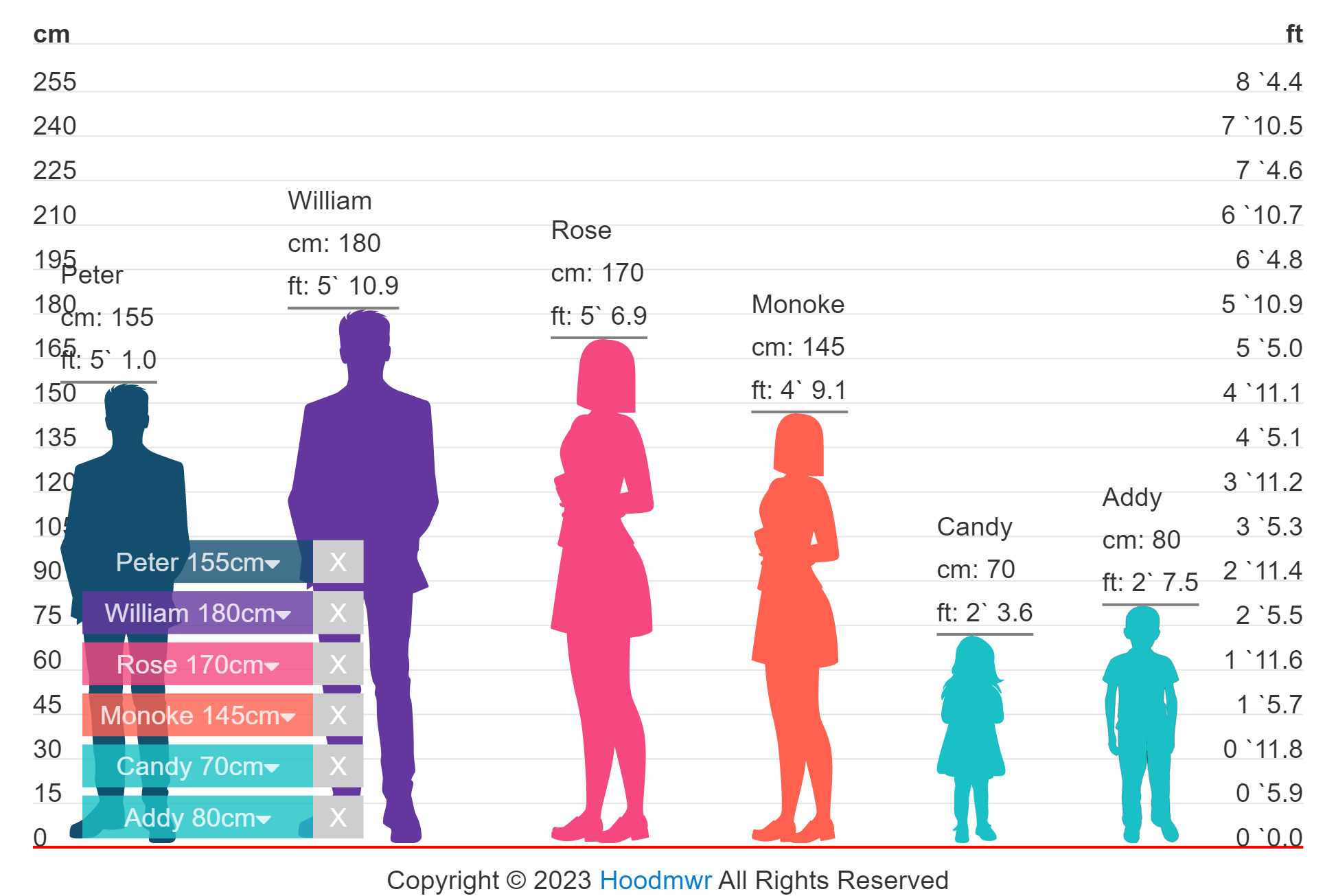
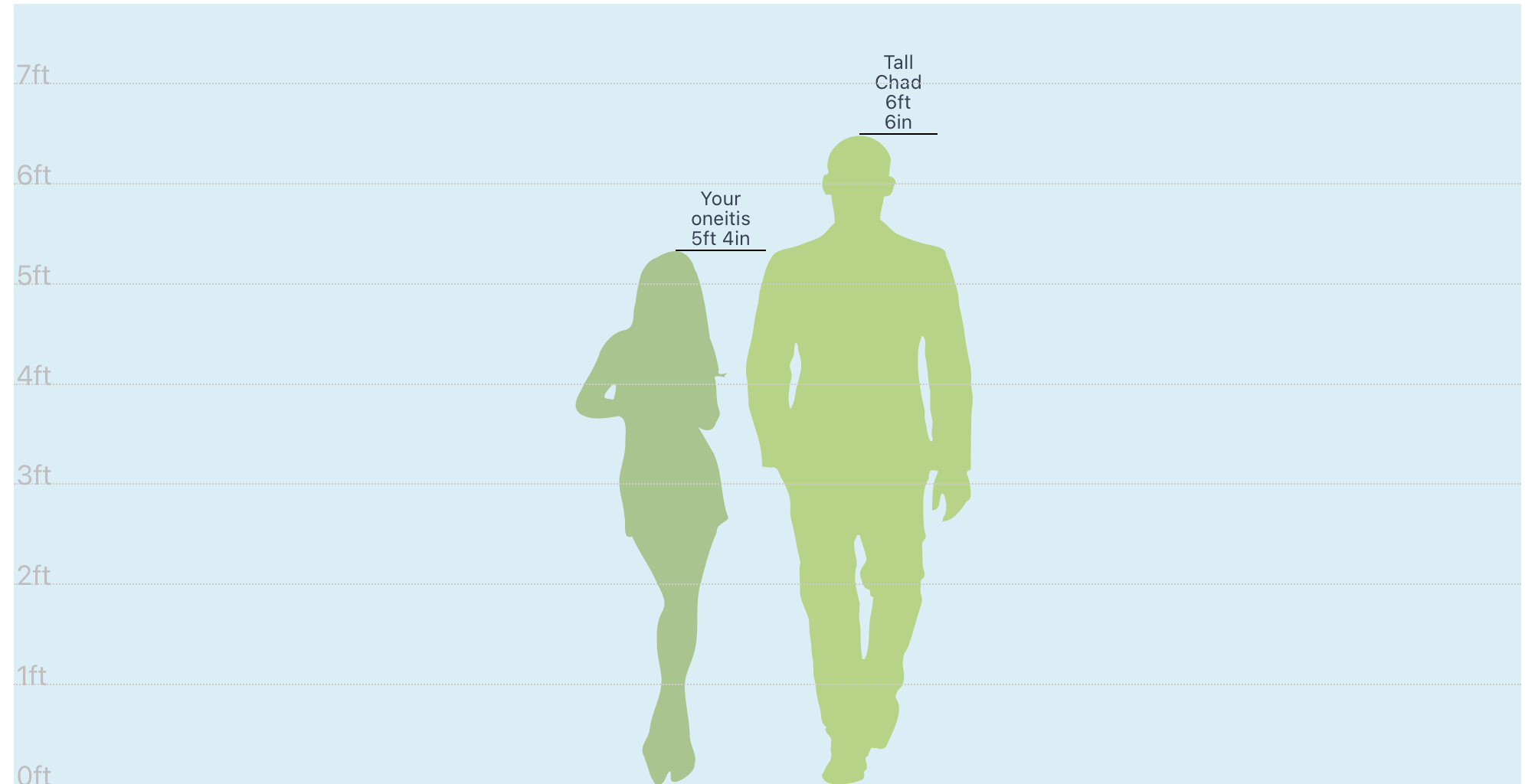
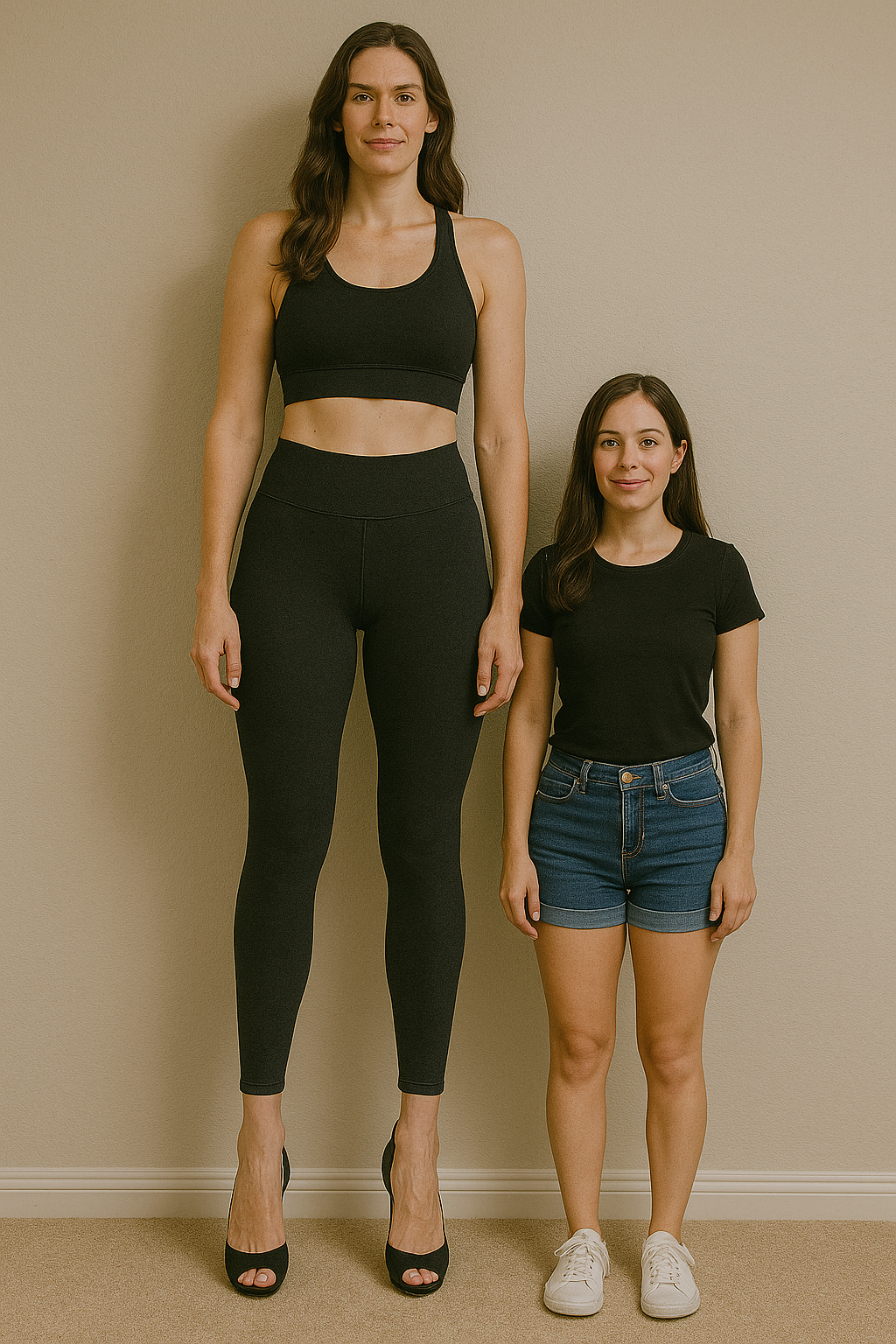
When standing 5'1" next to 5'10", there is a height difference of exactly 9 inches (22.86 centimeters). This gap is substantial, representing nearly 15% of the shorter person’s total stature. In a standing position, the top of the 5'1" person’s head typically reaches the chin or lower lip level of the 5'10" person.
Breaking Down the Math: Inches, Centimeters, and Proportions
To truly grasp the disparity between 5'1" and 5'10", we must first convert these imperial measurements into a singular unit and then into the metric system. A person who is 5'1" stands 61 inches tall. In the metric system, this translates to approximately 154.94 centimeters. Conversely, a person who is 5'10" stands 70 inches tall, which is approximately 177.8 centimeters.
The 9-inch (22.86 cm) gap is more significant than a mere numerical value. For the person at 5'1", this height is often classified as "petite" in the fashion and medical worlds. According to 2026 ergonomic standards, 5'1" is several inches below the global average for adult females and significantly below the average for adult males. The 5'10" individual, however, occupies a space that is slightly above the average for adult males in the United States and significantly above the average for adult females.
When these two individuals stand side-by-side, the geometric proportions of their bodies differ. The 5'10" individual likely has a longer inseam and a higher center of gravity. For the 5'1" individual, the physical world—from kitchen counters to automotive pedals—is often built for someone closer to the 5'10" mark. Understanding this 9-inch gap requires acknowledging that it is not just a visual difference but a difference in how each person interacts with their physical environment.
Visualizing the 9-Inch Gap: Real-World Comparisons
Visualizing 9 inches without a ruler can be difficult, but using everyday objects can provide a clearer perspective. A standard sheet of American letter paper is 11 inches long; the height difference is just two inches shorter than that paper. Alternatively, a standard wooden ruler is 12 inches long; the gap between 5'1" and 5'10" is three-quarters of that ruler.
In terms of physical anatomy, 9 inches is roughly the distance from the top of an average adult's head to the middle of their chest or the top of their sternum. When the 5'1" person stands next to the 5'10" person, their eyes will generally be level with the taller person's collarbone or the base of their neck. This creates a distinct "looking up" dynamic. To maintain eye contact, the 5'1" person must tilt their head back by approximately 20 to 30 degrees, depending on the distance between them.
If we look at common consumer goods, a standard 12-ounce soda can is about 4.8 inches tall. Placing two soda cans on top of one another creates a stack approximately 9.6 inches high. This stack represents the almost exact visual gap between these two heights. Whether in a photograph or standing in a queue, this difference is immediately noticeable to the naked eye and often requires the taller person to lean down slightly for shared activities, such as taking a "selfie" or whispering.
Perspective and Eye Level: How They See Each Other
The psychological and visual experience of height is governed by eye level. An individual's eye level is typically 4 to 5 inches below the top of their head. For a person who is 5'1", their eye level is approximately 56 to 57 inches from the ground. For the 5'10" person, their eye level is approximately 65 to 66 inches from the ground.
This 9-inch discrepancy in eye level fundamentally changes how the two individuals perceive the world around them. The 5'10" person has a "top-down" perspective of the 5'1" individual. They can easily see the top of the shorter person's head, which can influence social dynamics, often subconsciously triggering protective or dominant instincts. Conversely, the 5'1" person has a "bottom-up" view, which can sometimes lead to feelings of being overshadowed, but it also allows for a clearer view of lower-level details that a taller person might overlook.
In crowded environments, such as a concert or a busy city street in 2026, the 5'10" person can see over the heads of many people, whereas the 5'1" person's view is often obstructed by the shoulders and backs of others. This disparity in "visual real estate" means the 5'10" person can navigate crowds more efficiently by spotting gaps, while the 5'1" person must rely more on proximity and sound.
The Social and Cultural Context of a 9-Inch Height Gap
The height difference between 5'1" and 5'10" carries significant social weight, particularly in dating and professional environments. In many Western cultures, a 5'10" male is considered to be of a desirable, "standard" height, while a 5'1" male might face challenges regarding societal expectations of masculinity. For females, 5'1" is a common height, often viewed through the lens of being "cute" or "petite," whereas a 5'10" female is considered "statuesque" or "model-esque."
When these two heights are paired in a relationship, the 9-inch gap is often seen as "the classic height difference." It allows for the shorter person to wear high heels (often 3 to 4 inches) and still remain shorter than their partner, which aligns with traditional, albeit evolving, social norms. In professional settings, height can occasionally correlate with perceived authority. Studies in behavioral economics have suggested that taller individuals are often subconsciously attributed with higher leadership potential, meaning the 5'10" person might have to work less to "command the room" than the 5'1" person.
However, as we move through 2026, these biases are being increasingly scrutinized. Awareness of "heightism" has grown, and many organizations are implementing training to recognize and mitigate these unconscious biases. Understanding that the 9-inch gap is purely biological—and not an indicator of capability—is crucial for modern social intelligence.
Comparative Dynamics: 5'1" vs. 5'10"
The following table outlines how the height difference impacts various daily activities and physical requirements.
| Feature | 5'1" (155 cm) Perspective | 5'10" (178 cm) Perspective | Impact of the 9-Inch Gap |
|---|---|---|---|
| Reach (Vertical) | May require a step stool for standard top shelves. | Can reach most standard shelving with ease. | A 5'10" person can reach roughly 10-12 inches higher. |
| Clothing Fit | Often requires "Petite" sizing or tailoring for hems. | Fits standard "Regular" or "Tall" sizes. | 5'1" clothing is cut for shorter torsos and limbs. |
| Automobile Ergo | Seat usually moved fully forward; pedals may need extensions. | Seat moved to middle or back; ample legroom. | 9 inches changes the safety distance from the airbag. |
| Walking Pace | Shorter strides; requires more steps to keep up. | Longer strides; comfortable walking pace is faster. | 5'1" person must walk significantly faster to match 5'10". |
| Seating | Feet may dangle in standard bar stools or high chairs. | Feet rest comfortably on rungs or the floor. | 5'1" person often lacks ergonomic "grounding" for feet. |
| Eye Level | Sees the taller person's neck/chest area. | Sees the top of the shorter person's head. | Persistent head tilting for eye contact. |
Ergonomics and Environment: Navigating a One-Size-Fits-Most World
The world is generally designed for the "average" human, which usually falls between 5'7" and 5'10" for males and 5'3" to 5'5" for females. Consequently, the 5'10" individual finds the world relatively well-tailored to their proportions. Standard counter heights (36 inches), doorway headers (80 inches), and public transport seating are all designed with their height in mind.
For the 5'1" individual, the 9-inch gap between them and the design standard creates an "ergonomic tax." When standing next to a 5'10" person at a kitchen island, the 5'1" person may find the surface is at their waist or slightly higher, making tasks like chopping vegetables more strenuous on the shoulders. The 5'10" person, however, finds the same surface at hip level, allowing for a more natural arm angle.
This environmental mismatch extends to safety. As of 2026, automotive safety research from organizations like the National Highway Traffic Safety Administration (NHTSA) emphasizes that shorter drivers often sit dangerously close to the steering wheel to reach the pedals. A 5'1" person standing next to a 5'10" person illustrates why "one-size-fits-all" safety features, such as seatbelts and airbags, require adjustable anchors to accommodate the 9-inch variance in torso height and shoulder position.
Psychological and Evolutionary Considerations
From an evolutionary standpoint, height has historically been linked to nutrition and health. A 5'10" individual might have been perceived as having had better access to resources during development, though in 2026, we know height is primarily determined by genetics (about 80%). The 9-inch gap can trigger different psychological responses in social settings.
Taller individuals (5'10") are sometimes perceived as more "formidable," which can be an advantage in certain sports or high-stakes negotiations. Conversely, shorter individuals (5'1") often develop higher levels of verbal agility or "social grooming" behaviors to navigate spaces dominated by taller peers. This is sometimes referred to as the "compensation effect," although many psychologists argue this is a stereotype rather than a rule.
The height difference also impacts "personal space" bubbles. A 5'10" person has a larger physical reach, which naturally extends their perceived personal territory. When standing 5'1" next to 5'10", the shorter person may feel their personal space is more easily "invaded" by the taller person's presence, simply due to the physical volume the taller person occupies.
Frequently Asked Questions
Is 5'1" considered very short compared to 5'10"?
Yes, in most Western populations, 5'1" is considered short for both men and women, while 5'10" is considered average to slightly above average. The 9-inch difference is visually striking and represents a significant portion of human height variability. For example, the difference between 5'1" and 5'10" is the same as the difference between 5'10" and 6'7".
How does the walking speed differ between someone 5'1" and 5'10"?
Generally, a 5'10" person has a longer natural stride length. According to biomechanical studies, a taller person's "preferred" walking speed is typically faster because they cover more ground with each step. To walk side-by-side, the 5'1" person usually has to take approximately 1.2 to 1.3 steps for every 1 step taken by the 5'10" person.
Can a 5'1" person wear shoes to close the 9-inch gap?
While footwear can reduce the gap, it is difficult to eliminate it entirely. Standard sneakers add about 1 inch, while high-heeled boots or platforms can add 3 to 5 inches. Even with 5-inch heels, the 5'1" person would be 5'6", still leaving a 4-inch difference compared to the 5'10" person in flat shoes. If the 5'10" person also wears shoes, the 9-inch gap remains relatively constant.
Does a 5'1" person have a health advantage over a 5'10" person?
Statistically, shorter stature has been linked to increased longevity in some biological studies. Smaller bodies have fewer cells, which may theoretically reduce the risk of certain cell-mutation-related issues. Additionally, shorter individuals often have a lower risk of certain orthopedic issues, such as lower back pain or tall-stature-related joint stress, though they may face more strain from "reaching" in an environment designed for taller people.
How does the height difference affect reach?
The vertical reach difference is usually greater than the height difference itself. While the height difference is 9 inches, the "functional reach" (the ability to grab an object on a shelf) can differ by 11 to 13 inches. This is because the 5'10" person typically has longer arms in proportion to their longer torso, compounding the height advantage when reaching upward.
Practical Steps for Managing the Height Gap
If you find yourself in a situation where you are regularly interacting across a 5'1" to 5'10" gap—whether in a relationship, a workplace, or a sports team—there are several ways to bridge the physical divide. In professional environments, ensure that workstations are adjustable. A 5'1" employee should have a chair that allows their feet to rest flat on a footrest, while a 5'10" employee needs sufficient desk height to prevent slouching.
In social settings, the 5'10" person should be mindful of their walking pace when with a 5'1" companion. Slowing down slightly ensures that the shorter person does not have to jog to keep up. For photography, the "staggered" approach—having the 5'1" person stand slightly forward or having both parties sit—can help balance the frame and make the 9-inch gap look more proportional. Ultimately, understanding the height difference is about recognizing the physical realities of the 9-inch gap and making small adjustments to ensure comfort and equity for both parties.