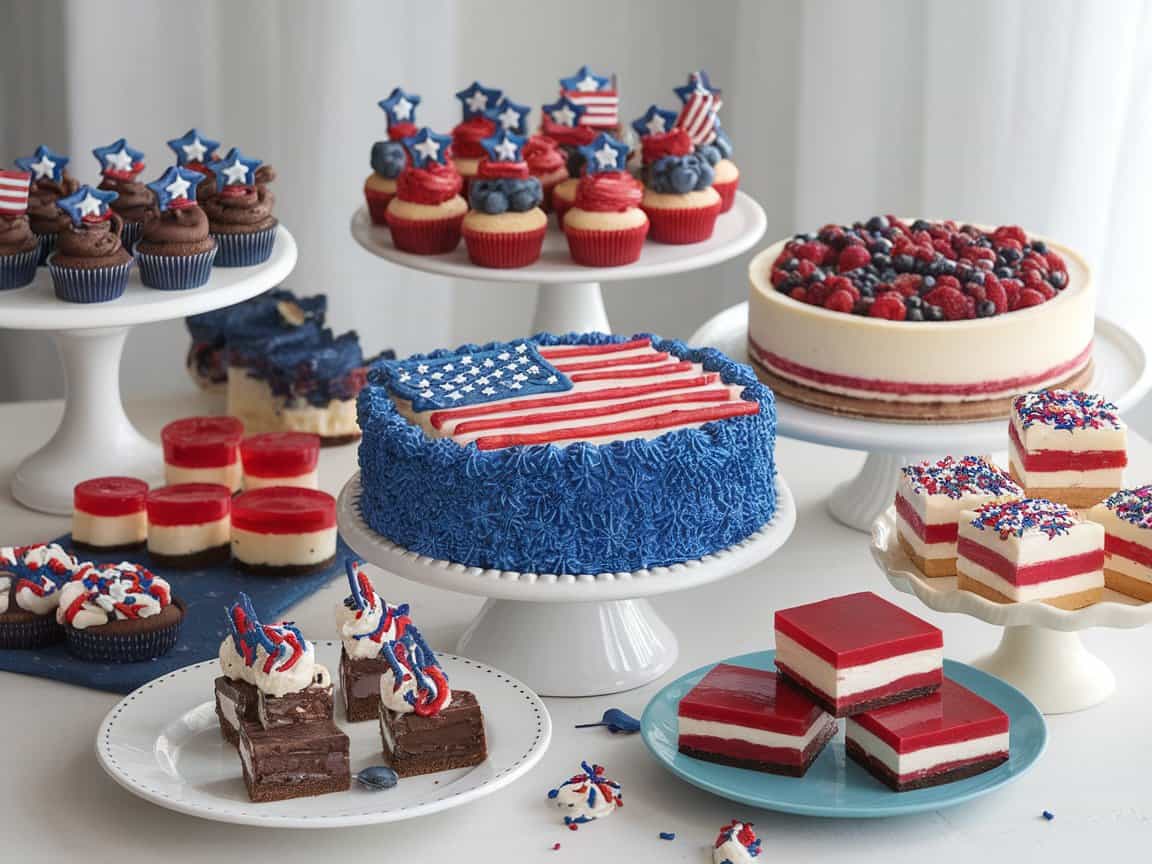
The quintessential 4th of July flag dessert involves a thematic arrangement of red, white, and blue ingredients—typically berries and cream—to mimic the American flag. These patriotic treats usually feature a base of sheet cake, sugar cookies, or graham crackers, topped with white frosting or yogurt, and decorated with blueberries for the "stars" and strawberries or raspberries for the "stripes."
The Anatomy of a Perfect Patriotic Flag Dessert
Creating a high-quality 4th of July flag dessert requires more than just placing fruit on a cake; it involves a strategic balance of color stability, flavor profile, and structural integrity. As we celebrate Independence Day in 2026, the trend has shifted toward artisanal ingredients and "clean label" decorations, though the classic visual of the Stars and Stripes remains the gold standard for holiday gatherings.
The visual success of these treats depends on the "Rule of Three": vibrant reds, stark whites, and deep blues. Achieving these colors naturally is the preferred method for modern bakers. For the red stripes, sliced strawberries offer a bright, matte finish, while raspberries provide a textured, jewel-toned appearance. The white elements serve as the canvas; while whipped cream is a crowd favorite, it lacks stability in the high humidity typical of July. Therefore, many experienced decorators opt for a stabilized whipped cream or a lightened cream cheese frosting to ensure the "stripes" do not slide off during outdoor celebrations.
The "union" or the blue canton is traditionally represented by fresh blueberries. To make the dessert pop, some creators use a small star-shaped piping tip to add tiny white frosting stars on top of the blueberries, providing a level of detail that elevates the dish from a simple potluck contribution to a professional-grade centerpiece.
Essential Ingredients and Natural Color Sourcing
When sourcing ingredients for your 2026 Independence Day celebration, quality and freshness are paramount. Because these desserts are often served raw or with minimal cooking, the natural sugars and acids in the fruit provide the primary flavor profile.
The Red Spectrum
- Strawberries: Best for sheet cakes and large platters. They should be hulled and sliced vertically to create uniform "planks" for the stripes.
- Raspberries: Ideal for smaller treats like cupcakes or parfaits. Their hollow centers can even be filled with white chocolate for extra decadence.
- Pomegranate Arils: A modern alternative that adds a sophisticated crunch and deep red hue, though they are less traditional for flag patterns.
- Cherry Halves: Best for baked tarts, though they must be pitted carefully to avoid staining the white base.
The White Base
- Mascarpone Frosting: Provides a richer, more stable base than standard whipped cream. It stands up well to heat.
- Greek Yogurt: A healthier alternative for breakfast-style flag treats or fruit pizzas.
- White Chocolate Ganache: Offers a sleek, professional finish for tarts and cookies.
- Marshmallows: Often used in "flag kabobs" or as a kid-friendly filler for dessert boards.
The Blue Union
- Blueberries: The undisputed king of the blue category. Select berries of uniform size to create a neat grid.
- Blackberries: While technically dark purple, they can serve as a "moody" blue substitute in more rustic dessert designs.
- Concord Grapes: Sliced in half, these provide a different texture and a sweet-tart flavor that pairs well with heavy creams.
Step-by-Step Guide to the Classic Flag Sheet Cake
The sheet cake remains the most popular 4th of July flag dessert because it provides the largest "canvas" for the flag design. Following a structured assembly process ensures the final product is both beautiful and easy to serve.
1. Preparation of the Base
Start with a standard 9x13-inch rectangular cake. While vanilla or "white" cake is traditional, a lemon-zest cake offers a refreshing citrus note that cuts through the sweetness of the frosting. Ensure the cake is completely cooled—preferably chilled for two hours—before frosting. A warm cake will melt the fats in the frosting, causing the fruit to sink and the colors to bleed.
2. The Foundation Layer
Apply a generous layer of stabilized frosting. To stabilize whipped cream for 2026 standards, many bakers use a small amount of unflavored gelatin or a "whipped cream stabilizer" powder. This prevents the frosting from weeping or deflating in the summer heat. Spread the frosting edge-to-edge, creating a flat, even surface.
3. Mapping the Union
In the upper left-hand corner, mark a rectangular area for the blueberries. For a 9x13 cake, this section should take up about one-quarter of the total area. Arrange the blueberries in neat rows. If you are feeling meticulous, use a toothpick to create a grid before placing the berries.
4. Constructing the Stripes
Begin the red stripes starting from the top. For a standard flag look, aim for 7 to 13 stripes depending on the size of your fruit. Alternate between the white frosting and the red fruit. If using strawberries, lay the slices slightly overlapping to ensure no white frosting peaks through the red sections, which creates a more defined "stripe" effect.
Comparison of Popular Patriotic Dessert Formats
Different events require different dessert structures. A formal dinner might call for a tart, while a backyard BBQ is better suited for finger foods.
| Dessert Type | Prep Time | Portability | Heat Resistance | Best For |
|---|---|---|---|---|
| Classic Sheet Cake | 60 Mins | Moderate | Low | Large Family Gatherings |
| Fruit Flag Skewers | 30 Mins | High | High | Outdoor Picnics & Kids |
| Berry Parfaits | 45 Mins | Low | Moderate | Formal Sit-down Dinners |
| Sugar Cookie Pizza | 40 Mins | High | Moderate | Office Parties |
| Patriotic Trifle | 25 Mins | Low | Low | Indoor Buffet Service |
Individual and Portable Patriotic Treats
As modern celebrations move toward individual servings for hygiene and convenience, several variations of the flag dessert have gained popularity in 2026.
Flag Fruit Skewers
This is the ultimate low-effort, high-impact patriotic treat. By threading blueberries onto the top third of a wooden skewer and alternating raspberries and marshmallows on the bottom two-thirds, you create a "deconstructed" flag. These are naturally gluten-free and require no refrigeration if served promptly, making them ideal for parades or park celebrations.
Patriotic Graham Cracker S'mores
A twist on the traditional campfire treat, these involve using white chocolate squares instead of milk chocolate. Once the marshmallow is melted, a single blueberry and a sliver of strawberry are pressed into the side. It’s a subtle nod to the holiday colors while maintaining the classic summer flavor profile.
Red, White, and Blue Parfaits
Layered in clear acrylic cups, these treats are visually stunning and prevent the "color bleeding" issue often found in sheet cakes. Start with a base of macerated strawberries, followed by a thick layer of vanilla bean yogurt or panna cotta, and topped with a layer of fresh blueberries. These can be prepared 24 hours in advance, which is a significant advantage for busy hosts.
Managing Food Safety and Presentation in Summer Heat
The primary challenge for any 4th of July flag dessert is the outdoor environment. High temperatures can quickly turn a beautiful cake into a melted mess and pose risks for dairy-based ingredients.
According to standard food safety guidelines, perishable items containing cream cheese, whipped cream, or fresh-cut fruit should not sit out for more than two hours at room temperature, or one hour if the temperature exceeds 90°F (32°C). To extend the life of your treats, consider the "ice bed" method: place your serving platter inside a larger tray filled with crushed ice. This keeps the base of the dessert chilled without affecting the presentation.
Furthermore, fruit oxidation can dull the "patriotic" vibrance. To keep strawberries looking glossy and fresh, brush them with a light apricot glaze or a simple syrup. This creates a barrier against the air and adds a professional sheen. For the blueberries, ensure they are completely dry before placing them on white frosting; any residual water will create blue streaks that ruin the crisp lines of your flag design.
Advanced Techniques: The "Inside-Out" Flag Cake
For those looking to impress in 2026, the hidden-pattern cake is a masterclass in patriotic baking. This involves baking separate red and white cake layers, then cutting and stacking them in a specific geometric pattern so that when the cake is sliced, each piece reveals an American flag.
This requires precise measurements and the use of a "well" in the top layers to hold a blue cake cylinder. While labor-intensive, the "reveal" moment provides a significant "wow factor" for Independence Day guests. When attempting this, use a dense pound cake recipe rather than a light sponge; the structural integrity is necessary to maintain the clean lines of the flag once the cake is cut.
Troubleshooting Common Dessert Failures
Even seasoned bakers encounter issues with fruit-based desserts. Here is how to resolve the most common problems:
- Fruit Bleeding: If your blueberries are leaving blue rings in your frosting, it is usually due to moisture. Gently pat each berry dry with a paper towel before assembly. Alternatively, use a "barrier" of white chocolate curls between the fruit and the cream.
- Frosting Slumping: If the frosting is too soft, the weight of the fruit will cause it to sag. Chill the frosted cake for 30 minutes before adding the fruit decorations to create a firmer surface.
- Watery Strawberries: Sliced strawberries release juice over time. To prevent this, toss the slices in a small amount of sugar and let them sit in a colander for 15 minutes to drain excess liquid before placing them on the dessert.
Frequently Asked Questions
Can I make a flag dessert the night before?
While you can bake the base and prepare the frosting a day in advance, it is best to assemble the fruit decorations on the day of the event. Fresh fruit, especially sliced strawberries, tends to weep moisture and lose its texture after 6 to 8 hours in contact with frosting. If you must assemble it early, wait until at least the morning of July 4th.
What are the best vegan alternatives for the white stripes?
Coconut cream is an excellent vegan substitute for whipped cream. When chilled, the thick part of the coconut milk can be whipped with powdered sugar to create a stable, bright white frosting. Alternatively, cashew-based "cream cheese" frostings provide the necessary density to support fresh fruit.
How do I get exactly 50 stars on a small cake?
Representing all 50 stars is difficult on standard-sized desserts. Most bakers use a "symbolic" approach, placing a 5x7 or 6x8 grid of blueberries. If you are committed to 50 stars, use tiny white nonpareils or star-shaped sprinkles placed on top of the blueberries using tweezers for precision.
Are frozen berries suitable for flag desserts?
Frozen berries are generally not recommended for decoration. As they thaw, they release a significant amount of juice and become mushy, which will cause the "red" and "blue" to bleed into the "white" sections almost immediately. Always use fresh, firm berries for the best visual results.
Selecting the Right Presentation Platter
The container you choose can enhance the patriotic theme. A simple white rectangular porcelain platter allows the colors of the dessert to stand out. For a more rustic Independence Day feel, a galvanized metal tray or a wooden butcher block (lined with parchment paper) works well. Avoid patterned plates that might compete with the intricate design of the flag itself.