Planning a successful 4th of July celebration in 2026 involves coordinating traditional patriotic themes with modern safety standards and culinary trends. To host an effective event, you must balance menu preparation, cohesive visual decor, and strict adherence to local firework ordinances while managing the logistics of the United States’ 250th-anniversary festivities.
The Significance of the 2026 Semiquincentennial Celebration
The year 2026 marks the 250th anniversary of the signing of the Declaration of Independence, known as the Semiquincentennial. This milestone elevates the standard 4th of July celebration from a seasonal holiday to a historic national event. For hosts and organizers, this means expectations for gatherings are higher, and public events are likely to be more crowded and elaborate than in previous years.
Understanding the historical context allows you to infuse your celebration with deeper meaning. Whether you are hosting a small family gathering or a large community block party, acknowledging the "America250" milestone can be done through curated guest speakers, historical trivia, or themed time-capsule activities. Because 2026 is a landmark year, many municipalities have updated their public gathering permits and safety protocols to accommodate larger-than-usual crowds. It is essential to check with your local city hall or county clerk’s office early in the season to ensure your planned event complies with any temporary 2026 zoning or noise adjustments.
Festive Recipes: A Menu for the Modern American BBQ
A 4th of July menu must be durable enough to withstand outdoor temperatures while offering a balance of nostalgic favorites and inclusive options for diverse dietary needs. In 2026, the trend remains focused on high-quality, locally sourced ingredients prepared with classic American techniques.
The Main Course: Grilling and Smoking
The centerpiece of most celebrations is the grill. To cater to a wide audience, offer a "Dual-Track" menu. This includes traditional beef brisket or hamburgers alongside high-quality plant-based proteins or grilled Portobello mushrooms. When preparing poultry, such as drumsticks or wings, ensure a consistent internal temperature of 165°F (74°C) to prevent foodborne illness, which is a common risk during high-heat July celebrations.
For a 2026 twist, consider "Regional Sliders" representing different parts of the U.S. (e.g., Carolina pulled pork, New England lobster rolls, and Tex-Mex seasoned patties). This approach allows guests to sample various flavors without committing to a single large portion.
Side Dishes and Salads
Sides should be refreshing and capable of sitting out for short periods. Vinegar-based coleslaws are often safer and more refreshing than mayo-heavy versions in the July heat. Corn on the cob remains a staple; however, the "Elote" style (Mexican street corn) has become a standard American favorite.
- Watermelon Feta Salad: A combination of cubed watermelon, fresh mint, and crumbled feta cheese provides a hydrating, sweet-and-salty contrast that cleanses the palate between heavier grilled meats.
- Tri-Color Potato Salad: Use red, white (Yukon gold), and blue (purple) potatoes to naturally incorporate the holiday’s color palette without using artificial dyes.
Patriotic Desserts and Beverages
Desserts provide the best opportunity for visual flair. A "Berry Trifle" using layers of blueberries, whipped cream, and strawberries creates a natural red, white, and blue aesthetic. For beverages, prioritize hydration. Set up a "Hydration Station" featuring infused waters (lemon, cucumber, or raspberry) alongside craft beers and local sodas. If serving alcohol, ensure there is a clear "Mocktail" alternative that feels equally festive, such as a sparkling blueberry lemonade.
Patriotic Decor: Visual Themes for 2026
Effective 4th of July decor should be cohesive rather than cluttered. With 2026 being a milestone year, decor trends have shifted toward "Vintage Americana" and "Sustainable Patriotism."
Setting the Scene with Color and Light
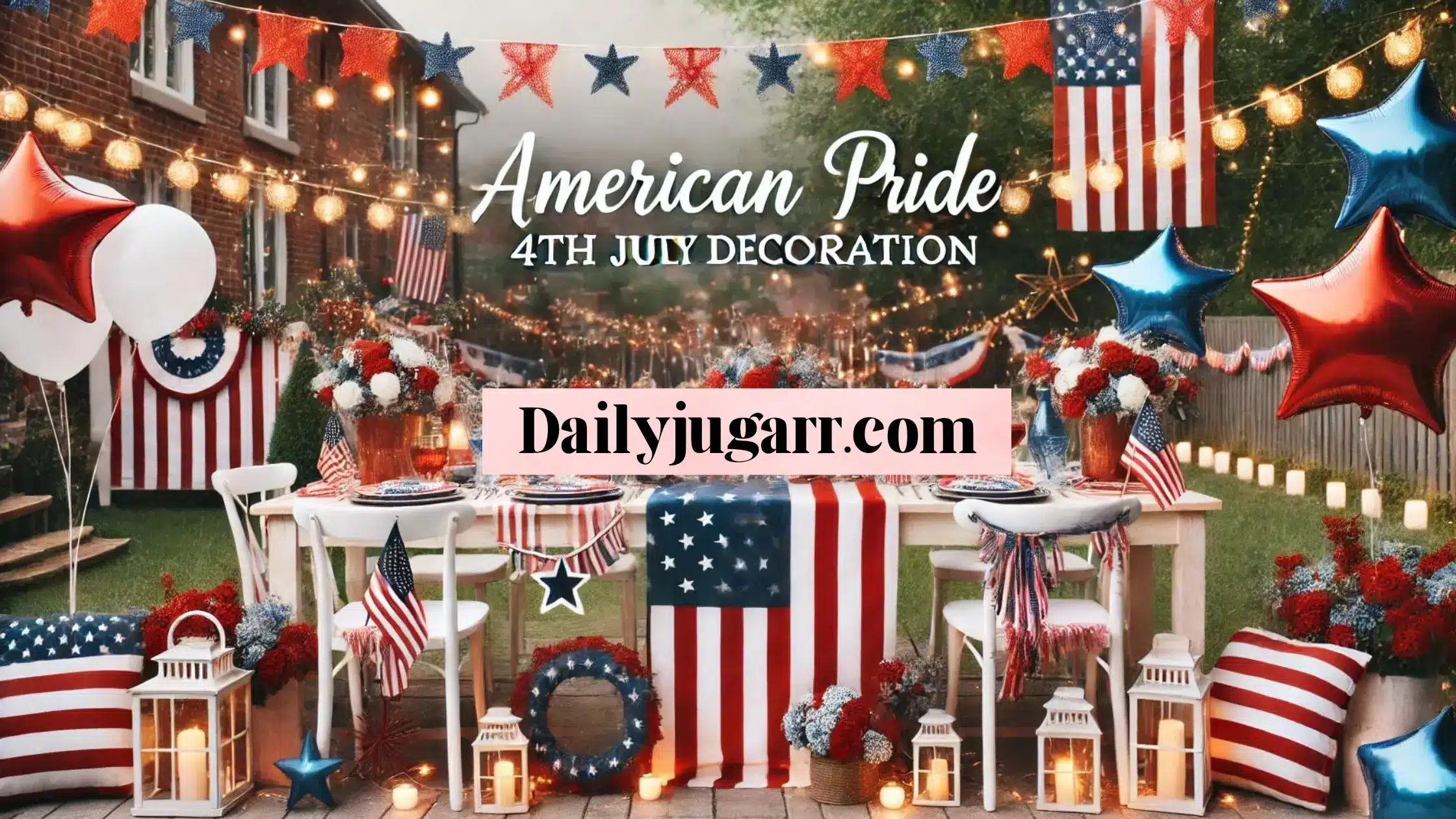
Avoid overusing disposable plastic decorations. Instead, invest in high-quality cotton bunting and embroidered American flags. These materials not only look more sophisticated but are more durable against summer wind and rain. For evening lighting, move beyond simple strings of lights. Use LED lanterns in warm white to create an inviting atmosphere, and consider "firework-effect" solar lights that mimic the burst of pyrotechnics without the noise or fire risk.
Table Settings and Centerpieces
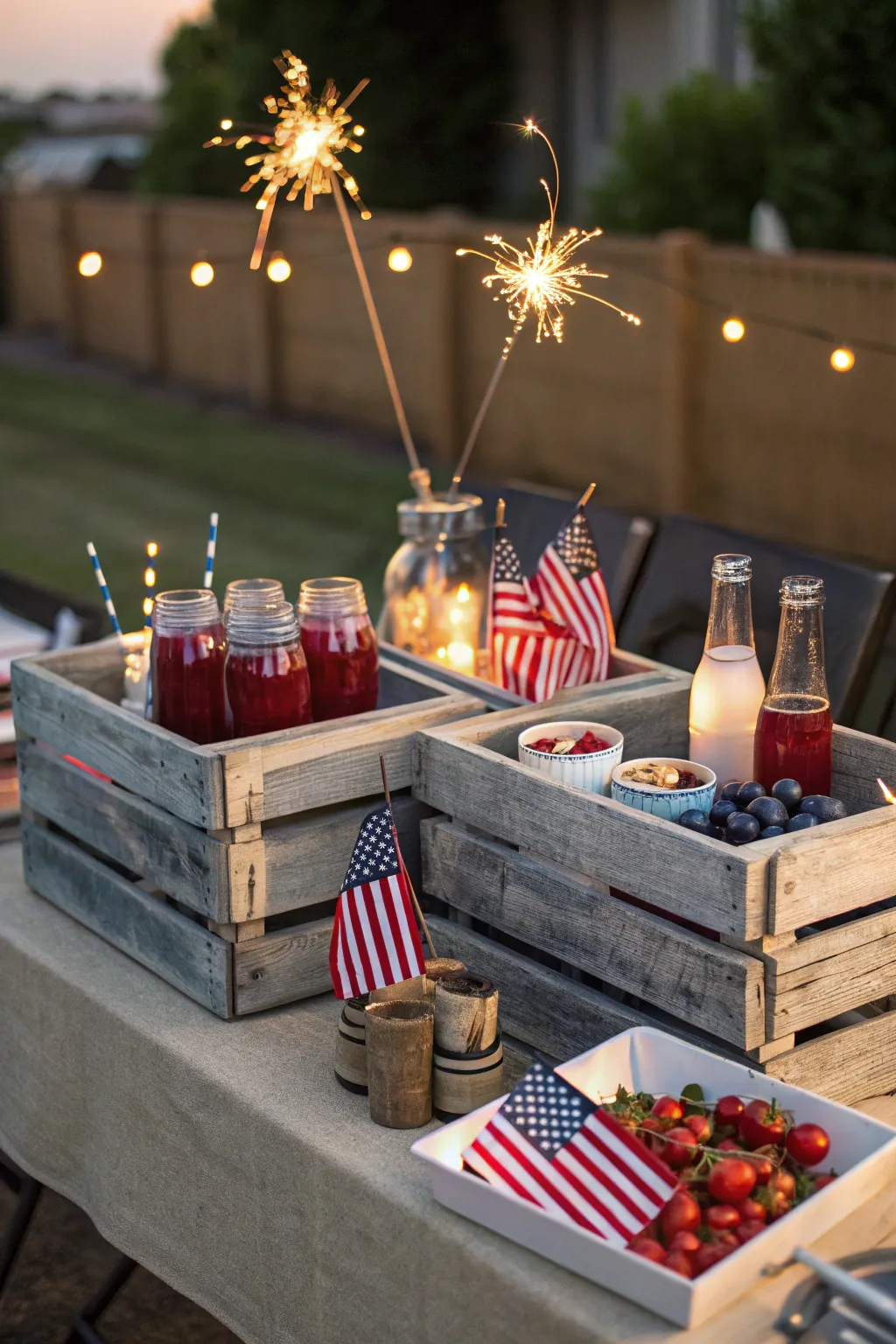
Your table is the focal point of the gathering. Use a navy blue tablecloth as a neutral base, allowing red accents and white dishware to stand out. Centerpieces can be functional; for example, galvanized buckets filled with ice and bottled drinks can serve as a rustic focal point. Alternatively, use clear glass vases filled with sand, white stones, and small handheld flags to create a structured, patriotic display that doesn't obstruct cross-table conversation.
Sustainable and Eco-Friendly Options
In 2026, there is an increased emphasis on reducing the environmental impact of large celebrations. Replace single-use plastic cutlery with compostable bamboo options. If using balloons, ensure they are biodegradable and are never released into the atmosphere, as this poses a significant threat to local wildlife and power lines.
Firework Safety and Legal Compliance Guide
Fireworks are a cornerstone of Independence Day, but they are also the leading cause of holiday-related injuries and fires. As a host, you assume a degree of liability when discharging pyrotechnics on your property.
Understanding Local Ordinances
Firework laws vary significantly by state and even by municipality. Some areas allow "Safe and Sane" fireworks (those that do not leave the ground or explode), while others have a total ban due to drought conditions or high fire risk. In 2026, many jurisdictions have implemented stricter "Red Flag" warnings. Always check the current status of fire bans via the National Fire Protection Association (NFPA) or your local fire department's website 24 hours before your event.
Safety Protocols for Home Displays
If you are in a jurisdiction that allows consumer fireworks, follow these non-negotiable safety rules:
- Designated Shooter: Assign one sober adult to be the sole person lighting fireworks.
- Water Access: Keep a pressurized garden hose and a large bucket of water nearby.
- Distance: Ensure spectators are at least 35 feet away from ground-based fireworks and 150 feet away for aerial displays.
- Disposal: Submerge used fireworks in a bucket of water overnight before disposing of them in a trash can to prevent "hang-fire" or smoldering embers from igniting a fire.
Alternatives to Pyrotechnics
For those in high-risk fire zones or those who wish to be mindful of neighbors with PTSD or sensitive pets, consider modern alternatives. Laser light shows and high-powered LED "glow sticks" can provide a visual spectacle without the noise or combustion. Professional drone light shows are also becoming more accessible for large community associations in 2026.
Comparison of 4th of July Celebration Scales
Choosing the right scale for your event depends on your budget, space, and the number of guests. The following table compares the requirements for different celebration types in 2026.
| Feature | Backyard BBQ | Neighborhood Block Party | Community Festival |
|---|---|---|---|
| Typical Guest Count | 10–30 | 50–150 | 500+ |
| Permit Requirements | None (usually) | Street Closure/Noise | Full Event & Safety Permits |
| Catering Strategy | Self-cooked or Potluck | Professional Food Truck | Multiple Licensed Vendors |
| Firework Status | Consumer Grade (if legal) | Professional Display Only | Major Pyrotechnic Contract |
| Budget Focus | High-quality ingredients | Insurance and Logistics | Security and Sanitation |
| Primary Risk | Food Safety | Traffic Control | Crowd Management |
Managing Logistics: Planning Timeline and Budgeting
A successful celebration requires a structured approach to planning. Because 2026 is a major anniversary, many services (rentals, butchers, entertainers) will be booked months in advance.
- 3 Months Prior: Secure your venue and, if necessary, apply for city permits. If you are hiring professional catering or entertainment, sign contracts now.
- 1 Month Prior: Finalize your guest list and send out digital or physical invitations. Purchase non-perishable decor and "America250" themed items.
- 2 Weeks Prior: Verify the working condition of your grill and outdoor equipment. Purchase any fireworks (if legal) and store them in a cool, dry place away from the main house.
- 1 Week Prior: Shop for heavy groceries. Confirm the weather forecast and prepare a "Plan B" for rain, such as moving the dinner to a cleared-out garage or a rented tent.
- 1-2 Days Prior: Prep marinades, chop vegetables, and set up your outdoor furniture and lighting.
Budgeting for the 250th Anniversary
Expect costs for meat and specialized decor to be slightly higher in 2026 due to the increased demand for the Semiquincentennial. To save money, buy proteins in bulk from wholesalers and focus your "America250" branding on reusable items like cloth banners rather than thousands of napkins that will be thrown away.
FAQ
What are the best ways to keep pets safe during fireworks?
Keep pets indoors in a secure, interior room with "white noise" or music playing to mask the sound of explosions. Ensure your pet has an up-to-date microchip or ID tag in case they escape due to fear. Consult your veterinarian in June if your pet requires anti-anxiety medication, as these prescriptions often require a prior exam.
How much food should I prepare per person?
A standard rule of thumb is 1.5 servings of the main protein (e.g., two burgers for some, one for others) and 5-6 ounces of each side dish per person. For a 4th of July event, people tend to graze over several hours, so having extra "high-stability" snacks like chips and salsa is a safe way to ensure no one goes hungry.
Can I use sparklers if fireworks are banned in my city?
Not necessarily. In many jurisdictions, "sparklers" are classified as fireworks because they burn at temperatures upwards of 1,200°F—hot enough to cause third-degree burns or ignite dry grass. Always check the specific language of your local fire ban; if it says "all pyrotechnics," that includes sparklers.
How can I make my celebration more eco-friendly?
Focus on the "three Rs": Reduce waste by using real plates if the crowd size allows; Reuse high-quality decor year-after-year; and Recycle aluminum cans and glass bottles by providing clearly marked bins. Additionally, consider serving more plant-forward dishes, which have a lower carbon footprint than beef-heavy menus.
What should I do if it rains on the 4th of July?
Have a pre-arranged indoor space ready. If you are grilling, a pop-up canopy can protect the cook and the equipment, but never grill inside a garage or under a low overhang due to carbon monoxide and fire risks. Move the social activities indoors and utilize a "movie marathon" of classic American films to keep guests entertained until the weather clears.
Executing Your 2026 Semiquincentennial Celebration
To ensure your event is memorable and safe, prioritize the comfort of your guests and the safety of your community. Start your preparations early to account for the increased demand of the 2026 anniversary year. Focus on high-quality food safety, compliant firework usage, and meaningful decor that honors the 250-year history of the United States. By balancing these technical requirements with the festive spirit of the holiday, you will host a celebration that stands out as a highlight of this historic year.