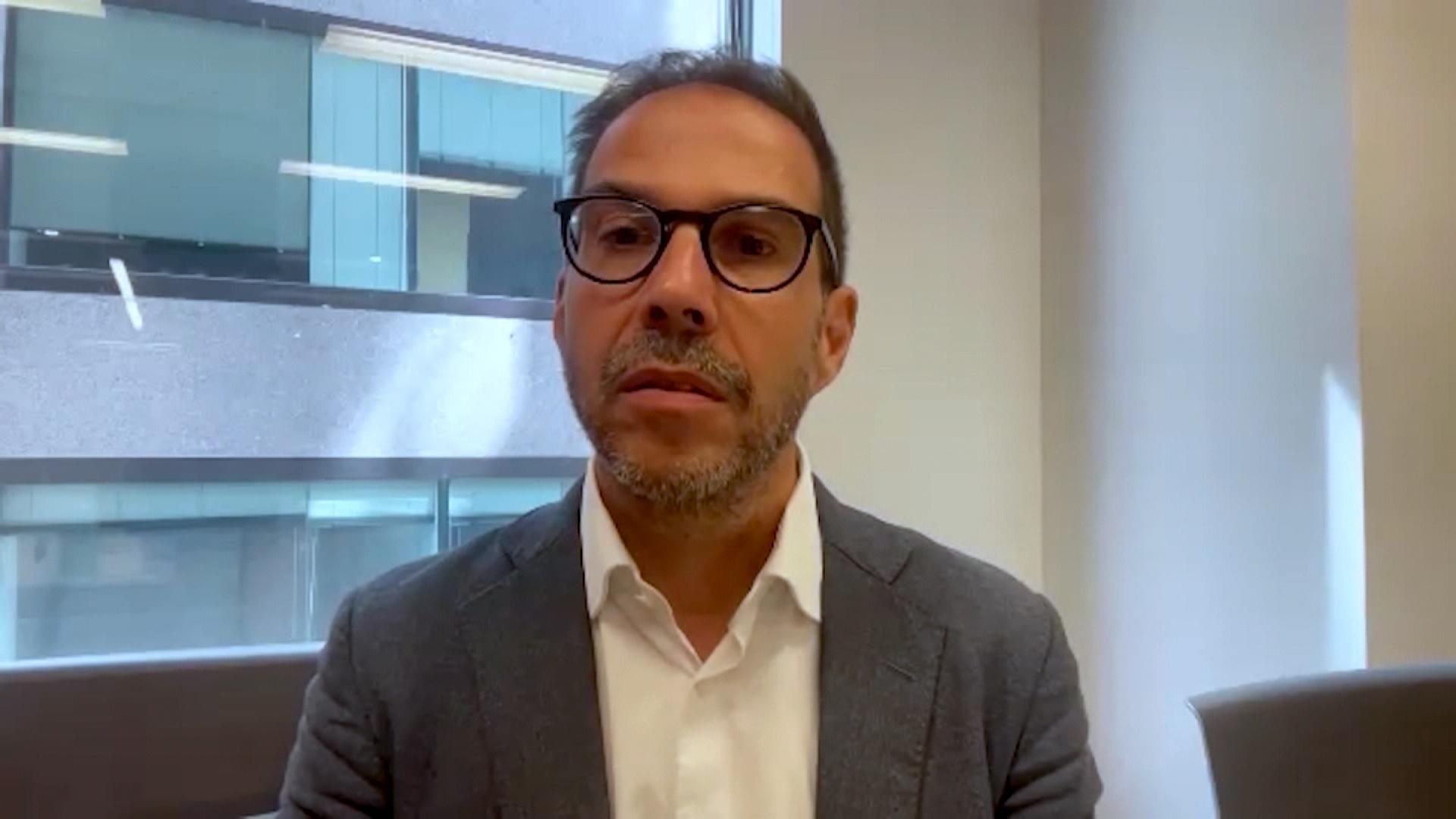
The leadership of 4chan has transitioned from its founder, Christopher "moot" Poole, who managed the site from 2003 to 2015, to the current owner and CEO, Hiroyuki Nishimura. While Poole created the site as a teenage hobby, Nishimura, the Japanese pioneer of anonymous boards, now oversees its controversial global influence.
The Origin Point: Christopher "moot" Poole and the Birth of 4chan
In 2003, a 15-year-old from New York City named Christopher Poole launched 4chan from his bedroom. Using the pseudonym moot, Poole modeled the site after the Japanese imageboard 2channel. What began as a niche forum for sharing anime images rapidly mutated into a decentralized powerhouse of internet culture. For over a decade, Poole remained the sole "CEO" and administrator, balancing a precarious line between total anarchy and basic community standards.
Under Poole’s leadership, 4chan birthed some of the most recognizable elements of modern digital life, from the "Rickroll" and "lolcats" to the hacktivist collective Anonymous. However, the weight of managing a site that became increasingly associated with cyberbullying, doxxing, and illegal content took a massive toll. Unlike traditional CEOs of tech giants like Meta or Google, Poole lived in relative obscurity for years before his identity was revealed by The Wall Street Journal in 2008.
Poole’s tenure was marked by a constant struggle for financial viability. Because of the site's reputation for hosting "not safe for work" (NSFW) content and its association with chaotic subcultures, traditional advertisers avoided 4chan. Poole famously funded the site’s server costs out of his own pocket and through limited donations and "pass" sales, never truly capitalizing on the site's massive traffic in the way a traditional executive would.
The Transition of Power: Why moot Sold to Hiroyuki Nishimura
By 2015, Christopher Poole reached a breaking point. The site had become a logistical and legal nightmare, particularly following the "Gamergate" controversy and various high-profile leaks. In January 2015, Poole announced his retirement as the site’s administrator. In September of that year, he sold 4chan to Hiroyuki Nishimura, the founder of 2channel (2ch).
The sale was a landmark moment in internet history. Nishimura was not an outsider; he was essentially the "grandfather" of the anonymous imageboard format. By selling to Nishimura, Poole ensured that 4chan would remain in the hands of someone who understood the fundamental philosophy of anonymity and ephemeral posting. The exact financial terms were never fully disclosed, though industry estimates suggested a multi-million dollar deal that reflected the site's influence rather than its profit margins.
Poole’s exit led him to a surprising destination: a position at Google. This transition from the "king of the underground" to a corporate executive at one of the world’s most regulated companies highlighted the duality of his experience. He eventually left Google in 2021, moving further away from the public eye.
Who is Hiroyuki Nishimura? The "Grandfather" of Anonymous Boards
Hiroyuki Nishimura, often referred to simply as Hiroyuki, is a legendary figure in Japanese tech circles. Long before Reddit or 4chan existed, Nishimura’s 2channel was the dominant force of Japanese internet discourse. His philosophy has always been one of extreme hands-off management. He views himself less as a content moderator and more as a provider of the "pipes" through which information flows.
Nishimura’s leadership style is vastly different from Poole’s. While Poole was often reactive to the site’s controversies, attempting to implement some rules to keep the site online, Nishimura is known for a more detached, laissez-faire approach. He has survived numerous lawsuits in Japan related to content on his platforms, often by arguing that he cannot be held responsible for the anonymous actions of millions.
In 2026, Nishimura remains a polarizing figure. He is a frequent media commentator in Japan and France, often discussing the nature of the internet, privacy, and social dynamics. His ownership of 4chan has seen the site lean further into its role as a "dark mirror" of the internet, with minimal intervention from the top down.
Managing Chaos: The Unique Challenges of 4chan’s Leadership
Leading 4chan is fundamentally different from leading any other social media platform. The site’s core architecture—anonymity and the lack of a permanent archive—creates a set of operational hurdles that would be unacceptable to a typical corporate board.
Legal and Compliance Pressures
The CEO of 4chan must navigate a minefield of international laws. While the site protects user anonymity, it is still subject to the Digital Millennium Copyright Act (DMCA) and laws regarding child safety (CSAM). Unlike Poole, who often felt the personal weight of these pressures, Nishimura’s global corporate structure provides a layer of insulation. The site utilizes a small, volunteer-based "janitor" and moderator system, but the ultimate responsibility for legal compliance rests with the ownership.
The Monetization Paradox
How does a site with millions of monthly visitors remain perpetually on the brink of financial ruin? 4chan’s brand is "toxic" to the vast majority of Fortune 500 companies. As a result, the leadership must rely on:
- 4chan Pass: A subscription service that allows users to bypass CAPTCHAs.
- Niche Advertising: Ads for crypto, gaming, and VPN services that are less sensitive to the site's content.
- Minimal Overhead: By keeping the site's design stuck in the mid-2000s, server and development costs are kept lower than a modern video-heavy platform.
Comparison of Leadership Eras: Poole vs. Nishimura
The following table outlines the shifts in 4chan's management and philosophy between its two primary leaders.
| Feature | Christopher "moot" Poole (2003–2015) | Hiroyuki Nishimura (2015–Present) |
|---|---|---|
| Leadership Style | Hands-on, reactive, personality-driven | Hands-off, decentralized, corporate-insulated |
| Motivation | Hobbyist/Community building | Business asset/Free speech absolutism |
| Public Profile | Reluctant "face" of the site | Established tech mogul and commentator |
| Moderation Focus | Attempted to curb illegal and "too-toxic" content | Minimalist; prioritizes platform uptime over content policing |
| Financial State | Often struggling; personally funded | Stabilized via broader tech portfolio |
| Legacy | Creation of meme culture and Anonymous | Preservation of the imageboard as a cultural fixture |
The Legacy of Controversy: Radicalization and Cultural Impact
The "untold story" of 4chan’s leadership is inextricably linked to the site’s role in political and social movements. Under both Poole and Nishimura, 4chan has been criticized for being a breeding ground for the "alt-right," QAnon, and various forms of extremist radicalization.
The challenge for any 4chan CEO is the "freedom vs. safety" debate. Because the site does not require registration, there is no way to "ban" a user in the traditional sense; they simply reset their IP or use a proxy. This technical reality means that leadership has very few tools to change the culture of the site, even if they wanted to. Critics argue that Nishimura’s hands-off approach is a deliberate choice to profit from controversy, while supporters argue it is the only way to maintain a truly "free" space on an increasingly censored internet.
In the years leading up to 2026, this tension has only intensified. As governments around the world introduce stricter online safety bills, the CEO of 4chan faces the constant threat of the site being geoblocked or its domain being seized.
Where Are They Now? 4chan Leadership in 2026
As of 2026, 4chan continues to operate as one of the few remaining "wild" spaces of the web. Hiroyuki Nishimura remains the owner, though day-to-day operations are handled by a shadowy group of developers and administrators. The site has not undergone a significant redesign in over two decades, a testament to the "if it ain't broke, don't fix it" philosophy of its leadership.
Christopher Poole has largely succeeded in distancing himself from his creation. In 2026, he is rarely mentioned in tech news, having successfully transitioned into a private life. However, his influence is seen every time a meme goes viral or an anonymous leak makes national headlines. He remains the architect of a digital world that he eventually chose to leave behind.
Nishimura, meanwhile, has leaned into his role as a global philosopher of the internet. He often uses his platform to discuss the inevitability of human chaos and the importance of having spaces where "the collective unconscious" can express itself without the constraints of real-world identity.
Frequently Asked Questions
Who is the current CEO of 4chan?
The current owner and effective CEO of 4chan is Hiroyuki Nishimura. He purchased the site from its founder, Christopher Poole, in September 2015. Nishimura is a well-known Japanese entrepreneur who also founded 2channel, the site that originally inspired the creation of 4chan.
How much did 4chan sell for?
The exact sale price of 4chan has never been officially confirmed by either Christopher Poole or Hiroyuki Nishimura. However, based on the site's massive traffic and cultural significance at the time of the 2015 sale, most analysts estimate the deal was worth between $2 million and $5 million.
Is Christopher "moot" Poole still involved with 4chan?
No, Christopher Poole has had no official involvement with 4chan since his departure in 2015. After selling the site, he worked for Google for several years and has since moved on to other private ventures, completely severing ties with the platform he created as a teenager.
Where is 4chan’s headquarters located?
4chan does not have a traditional corporate headquarters. While Hiroyuki Nishimura has residences in Japan and France, the site's servers and administrative staff are decentralized. The site operates more as a distributed network than a centralized company with a physical office.
How does 4chan make money if it has no ads?
4chan does have advertisements, though they are usually from niche industries like gaming, VPNs, and cryptocurrency, rather than mainstream brands. Additionally, the site generates revenue through the "4chan Pass," a paid subscription that allows users to post without solving CAPTCHAs and offers other minor quality-of-life improvements.
Navigating the Legacy of Anonymous Leadership
Understanding the story of 4chan’s leadership requires looking past the headlines of controversy to the technical and philosophical realities of the site. Whether you view the CEO as a guardian of free speech or a facilitator of digital toxicity, the role remains one of the most difficult and influential positions in the tech world.
For those interested in the evolution of internet culture, the transition from Poole to Nishimura represents a shift from "accidental creation" to "intentional preservation." The next step for researchers and digital historians is to observe how 4chan’s leadership handles the increasing global pressure for internet regulation as we move through 2026 and beyond. To stay informed on these developments, one should monitor official announcements on 4chan's "News" board and track international legal filings related to platform liability.