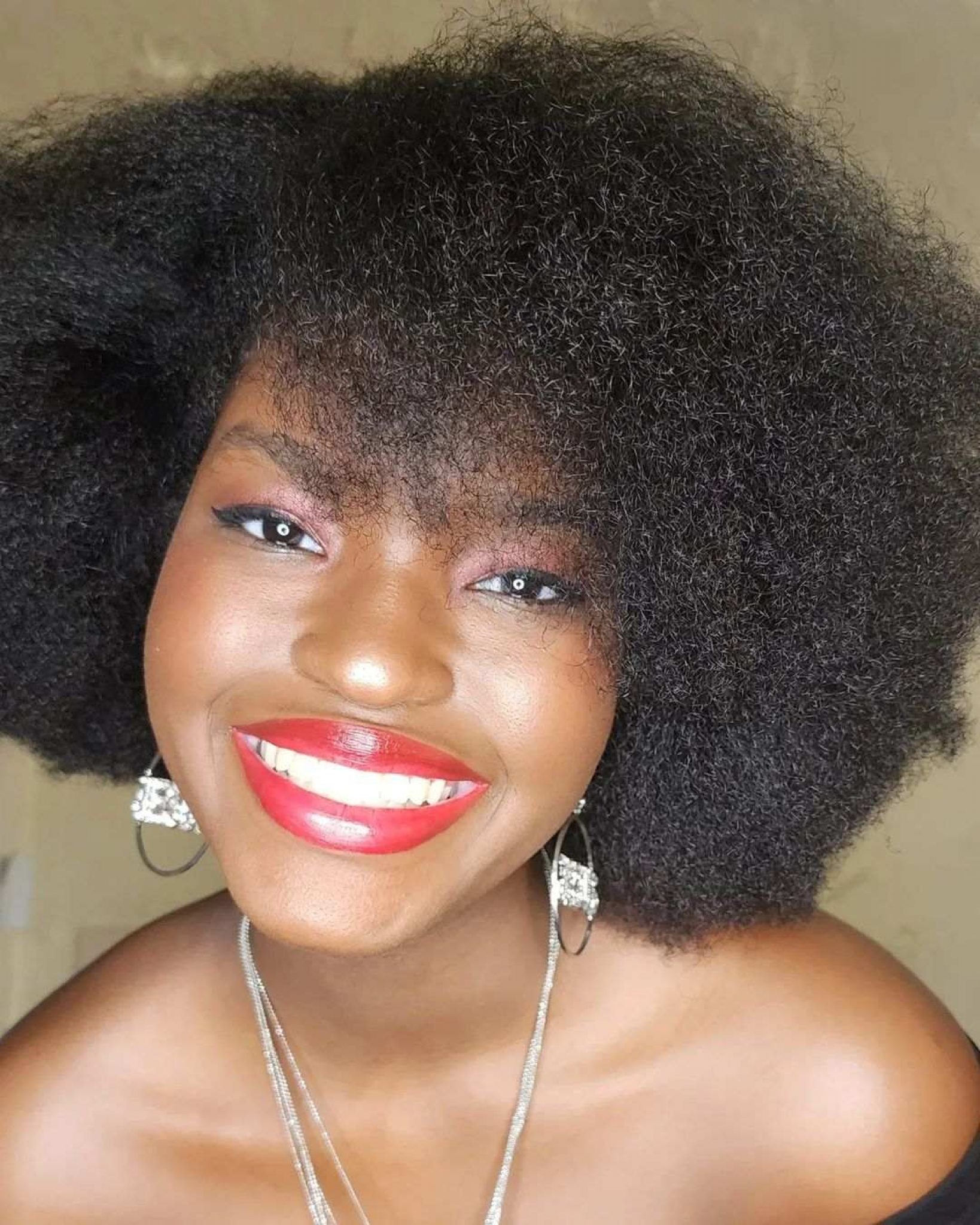
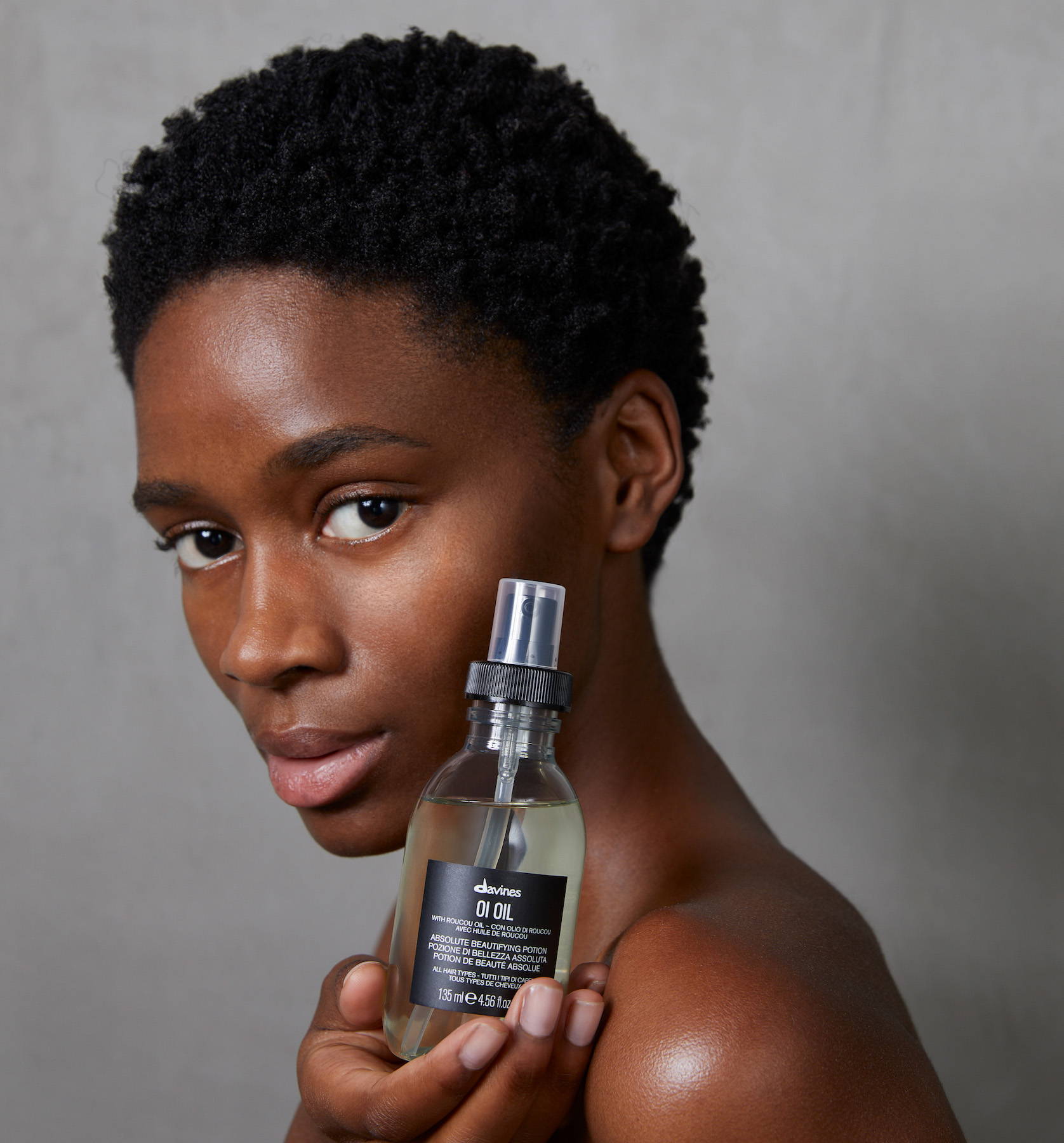
4c hair is the tightest hair texture in the Andre Walker Hair Typing System, characterized by dense, Z-shaped coils and a lack of a naturally defined curl pattern. It experiences up to 75% shrinkage and requires a specialized regimen focused on intense moisture retention, low-manipulation styling, and scalp health to prevent breakage and promote length.
Understanding the Unique Anatomy of 4c Hair
To effectively care for 4c hair, one must first understand its structural biological composition. Unlike straighter hair types where sebum (the scalp's natural oil) can easily travel down the hair shaft, the tight, angular coils of 4c hair create physical barriers. This mechanical obstruction prevents sebum from lubricating the entire length of the strand, leaving the ends chronically dry and susceptible to "weathering" or cuticle erosion.
In 2026, hair science emphasizes the importance of the hair cuticle—the outermost layer of the hair. In 4c textures, the cuticle scales are often more raised or easily disrupted during mechanical manipulation (combing, brushing, or even friction against cotton pillowcases). This makes 4c hair "high porosity" by nature or through damage, meaning it absorbs moisture quickly but loses it just as fast. The Z-shaped pattern also creates "points of failure" at every sharp turn of the coil. These points are structurally weaker than the rest of the strand, making 4c hair the most fragile of all hair types.
Furthermore, 4c hair is defined by its volume and density rather than individual strand thickness. It is a common misconception that 4c hair is "tough." In reality, while the hair may feel coarse or wiry to the touch, the individual strands are often quite fine. Treating the hair with the gentleness reserved for delicate silk is a prerequisite for any successful 4c hair journey.
The Science of Moisture: The LOC and LCO Methods
Because dryness is the primary challenge for 4c hair, the "Liquid-Oil-Cream" (LOC) or "Liquid-Cream-Oil" (LCO) methods remain the gold standard for hydration in 2026. These methods are designed to layer products in a specific sequence to create a hydrophobic barrier, effectively "locking" water into the hair shaft.
The "Liquid" step should always be water or a water-based leave-in conditioner. Water is the only true moisturizer; oils and butters are sealants. In 4c hair, the goal is to saturate the cortex with water molecules. The "Cream" step usually involves a thick, emollient-rich styling cream or leave-in containing fatty alcohols and humectants like glycerin or hyaluronic acid, which draw moisture from the air into the hair.
The "Oil" step concludes the process by sealing the previous layers. For 4c hair, heavy oils like castor oil or shea butter are often preferred because their large molecular structure allows them to sit on top of the hair, creating an effective seal. However, for those with low-porosity 4c hair, lighter oils like jojoba or almond oil are better, as they won't weigh down the hair or cause excessive buildup. Understanding your hair’s porosity—how easily it absorbs and retains moisture—is more critical than the 4c label itself when choosing between LOC and LCO.
Comparing Type 4 Hair Characteristics
While 4c hair is often grouped with 4a and 4b, the differences in management are significant. The following table outlines the technical distinctions between these sub-types to help with accurate identification and care.
| Characteristic | Type 4a | Type 4b | Type 4c |
|---|---|---|---|
| Pattern Shape | S-shaped coils | Z-shaped "zig-zag" | Tight coils / No defined pattern |
| Shrinkage % | 30% - 50% | 50% - 70% | 70% - 80%+ |
| Texture Feel | Soft, silky | Wiry, cotton-like | Very wiry or very soft/fine |
| Clumping | Natural clumping | Requires product to clump | Rarely clumps without heavy styling |
| Fragility | Moderate | High | Very High |
Advanced Scalp Health and the Microbiome
By 2026, the focus of 4c hair care has shifted significantly toward the scalp microbiome. We now recognize that healthy hair growth is impossible without a balanced scalp environment. For 4c hair, which is often kept in protective styles for weeks at a time, the risk of fungal overgrowth (such as Malassezia) and seborrheic dermatitis is elevated.
A healthy 4c regimen must include regular clarifying to remove product buildup. Because 4c hair requires heavy creams and oils, these substances can easily accumulate on the scalp, clogging follicles and hindering growth. Using a sulfate-free clarifying shampoo once every 2–4 weeks is essential. Additionally, the use of scalp serums containing prebiotics or tea tree oil can help maintain a pH-balanced environment, ensuring the hair follicles remain productive and inflammation-free.
Proper blood circulation is another factor. Scalp massages, performed with the pads of the fingers or a silicone massager, help stimulate blood flow to the follicles, delivering necessary nutrients to the hair root. In 2026, this is considered as important as the topical products used on the hair strands themselves.
Detangling and Mechanical Protection Strategies
Breakage is the primary reason many individuals with 4c hair struggle to see length retention. Because the coils are so tight, they easily interlock, forming "single-strand knots" or "fairy knots." These knots are nearly impossible to untie and usually result in the hair breaking off or needing to be snipped.
To prevent this, detangling should only ever be performed when the hair is saturated with a high-slip conditioner or oil. This is known as "wet detangling." In 2026, the use of wide-tooth combs has been largely supplanted by finger detangling or the use of specialized flexible-bristle brushes that "give" when they encounter a knot rather than snapping the hair.
Protective styling—styles that tuck the ends of the hair away—is another cornerstone of 4c maintenance. Common styles include:
- Two-strand twists: Low tension and easy to moisturize.
- Bantu knots: Provides a defined curl pattern without heat.
- Cornrows/Braids: Excellent for long-term protection, provided they are not installed too tightly.
- Wigs and Weaves: These allow the natural hair to rest, but require a strict regimen of cleaning and moisturizing the hair underneath.
The "low manipulation" philosophy suggests that the less you touch, comb, or style 4c hair, the more it will thrive. This is because every time a tool or hand passes through the hair, it creates micro-trauma to the cuticle.
The Role of Protein and Deep Conditioning
Maintaining the protein-moisture balance is a technical necessity for 4c hair. Hair is primarily composed of a protein called keratin. While 4c hair needs moisture, too much of it (hygral fatigue) can make the hair limp and weak. Conversely, too much protein can make the hair brittle and prone to snapping.
Deep conditioning should be a weekly or bi-weekly occurrence. A high-quality deep conditioner for 4c hair should contain humectants for moisture and hydrolyzed proteins (like silk or wheat protein) to temporarily fill gaps in the hair cuticle. Hydrolyzed proteins are essential because their molecules are small enough to actually bind to the hair shaft.
In 2026, bond-building technology has become a staple for 4c hair. These treatments work at a molecular level to repair the disulfide bonds that are broken during heat styling or chemical processing. Even for "virgin" (unprocessed) 4c hair, bond builders can provide an extra layer of structural integrity against the daily stresses of detangling and environmental exposure.
Frequently Asked Questions
Can 4c hair grow long?
Yes, 4c hair grows at the same average rate as other hair types (about half an inch per month). The challenge is length retention, not growth. Because 4c hair is prone to breakage at the ends, many people feel their hair "isn't growing" when it is actually breaking off at the same rate it grows. Focus on moisture and low manipulation to see visible length.
How often should I wash 4c hair?
Most experts recommend washing 4c hair every 7 to 14 days. Washing too frequently can strip the hair of its much-needed natural oils, while waiting too long can lead to product buildup and scalp issues. A consistent schedule helps maintain the scalp microbiome and ensures the hair is regularly re-hydrated.
What is the best way to reduce shrinkage?
Shrinkage is a sign of healthy, elastic hair, but it can be managed through stretching techniques. Threading (the African threading method), banding, or styling the hair in large twists or braids while damp are effective ways to elongate the coils without using high heat. Heat-based stretching should be done sparingly with a high-quality heat protectant.
Is porosity more important than hair type?
In many ways, yes. While "4c" describes the shape of your hair, your porosity describes how your hair interacts with moisture. Knowing you have 4c hair helps you understand its fragility, but knowing you have low or high porosity tells you which specific products (heavy butters vs. light oils) will actually work to keep your hair healthy.
How do I identify 4c hair if I have multiple textures?
It is very common to have multiple hair types on one head. Often, the hair at the crown may be a tighter 4c, while the hair at the nape of the neck might be 4a or 4b. Identify your primary texture by looking at the hair when it is clean and free of product. 4c hair will appear as a dense "cloud" of hair with no visible curl pattern until product is applied.
Developing a 2026 Standard Hair Regimen
To successfully manage 4c hair, one must transition from a "product-heavy" mindset to a "process-heavy" mindset. The effectiveness of a product is entirely dependent on the technique used to apply it. A standard high-performance regimen should involve a consistent cycle of cleansing, conditioning, and protecting.
Start by establishing a "Wash Day" routine that prioritizes detangling with a high-slip pre-shampoo treatment. Follow this with a moisturizing shampoo and a deep conditioner applied under a heat cap—heat opens the cuticle, allowing the treatment to penetrate more deeply. Once rinsed, apply your LOC or LCO layers while the hair is still soaking wet to trap the maximum amount of hydration. Finally, choose a low-manipulation style that can last for 5–7 days. By repeating this process and avoiding harsh chemicals or excessive heat, the natural strength and beauty of 4c hair can be fully realized.