The "4BB" embryo grade is a specific classification within the Gardner grading system, the international standard for evaluating blastocyst quality in assisted reproductive technology. In 2026, as fertility clinics integrate advanced Artificial Intelligence (AI) for morphokinetic assessment alongside traditional embryology, understanding what a 4BB grade signifies is crucial for managing expectations and planning clinical steps. This grade generally falls into the "good" or "high-quality" category, representing an embryo with a high probability of successful implantation and live birth, particularly when combined with modern genetic screening.
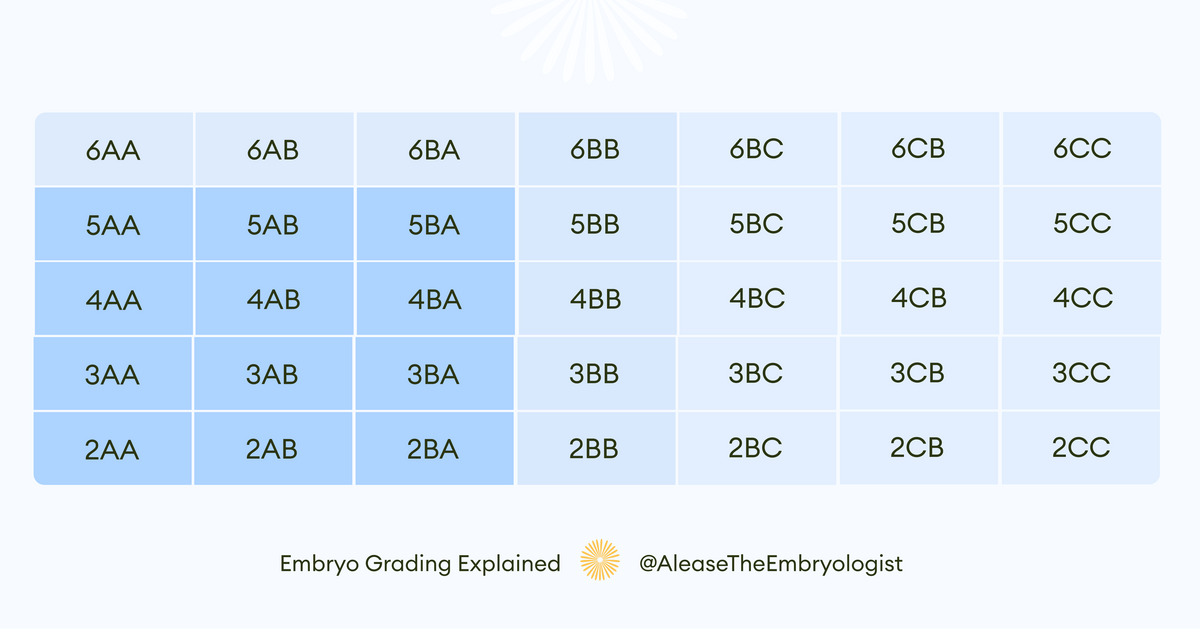
A 4BB embryo refers to a blastocyst that has reached a high level of expansion (4) with a good quality inner cell mass (B) and a good quality trophectoderm (B). While it may not carry the "perfect" AA score, clinical data from 2026 confirms that 4BB embryos are often the workhorses of successful IVF cycles, frequently resulting in healthy, full-term pregnancies.
Deciphering the 4BB Grade: Technical Specifications for 2026
To understand the success rate of a 4BB embryo, one must first deconstruct the nomenclature used by embryologists. The grading is divided into three distinct components that evaluate the physical structure of the blastocyst on day 5, 6, or 7 of development.
The Expansion Score: 4
The number "4" indicates an expanded blastocyst. At this stage, the blastocoel (the fluid-filled cavity inside the embryo) is larger than the original embryo size, and the surrounding shell, known as the zona pellucida, has become very thin. In 2026 clinical practice, a grade 4 is often preferred over a grade 5 (hatching) or 6 (hatched) for cryopreservation (freezing) because the slightly more protected state of the expanded blastocyst can sometimes offer better resilience during the vitrification and warming process.
The Inner Cell Mass (ICM): B
The first letter "B" refers to the Inner Cell Mass, the cluster of cells that will eventually develop into the fetus.
Clinical Quality Standard: ICM Grade B
A grade B for the inner cell mass signifies that the cells are loosely grouped rather than tightly packed. While a grade A represents a very dense, prominent cluster, a grade B is still considered high quality and provides all the necessary biological components to form a healthy baby.
The Trophectoderm (TE): B
The second letter "B" refers to the Trophectoderm, the layer of cells that will form the placenta and other supporting membranes.
Clinical Quality Standard: Trophectoderm Grade B
A grade B for the TE indicates that there are several cells forming a cohesive epithelium. Since the TE is responsible for the initial invasion into the uterine lining, a grade B is robust enough to facilitate successful implantation in the vast majority of receptive environments.
2026 Success Rate Benchmarks for 4BB Embryos
Success rates in 2026 are categorized based on whether the embryo has undergone Preimplantation Genetic Testing for Aneuploidy (PGT-A). Morphological grading (like 4BB) describes how the embryo looks, while PGT-A describes how the embryo is genetically composed.
| Embryo Category (Day 5/6) | Implantation Rate (2026 Avg) | Live Birth Rate (Per Transfer) | Clinical Status |
|---|---|---|---|
| 4AA (Euploid/Tested) | 72% - 78% | 65% - 70% | Excellent |
| 4BB (Euploid/Tested) | 60% - 68% | 55% - 62% | Good / High Quality |
| 4BB (Untested, Age <35) | 45% - 52% | 40% - 46% | Good |
| 4BB (Untested, Age 38-40) | 30% - 38% | 22% - 28% | Fair / Age Dependent |
| 4CC (Euploid/Tested) | 35% - 42% | 28% - 34% | Fair |
Success rates are also influenced by the 2026 standard of "niPGT-A" (non-invasive PGT-A), which analyzes the DNA in the culture media. For 4BB embryos, niPGT-A has become a standard tool to confirm that the "B" grade morphology isn't masking underlying chromosomal abnormalities.
Factors Influencing 4BB Success in Modern Fertility Care
While the grade provides a baseline, several extraneous factors dictate whether a 4BB embryo will result in a live birth. In 2026, the focus has shifted toward a "whole-environment" approach rather than looking at the embryo in isolation.
1. Maternal and Oocyte Age
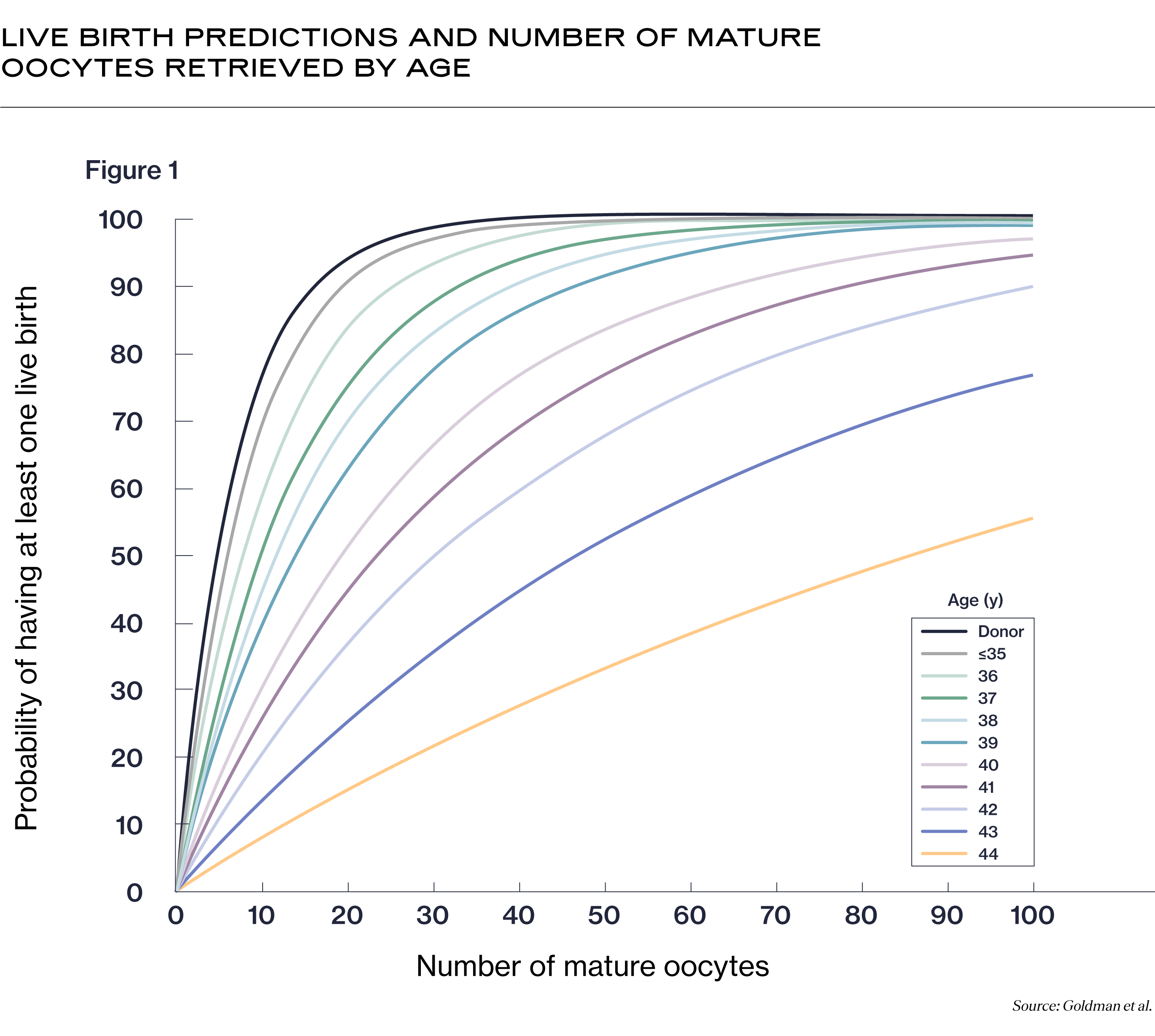
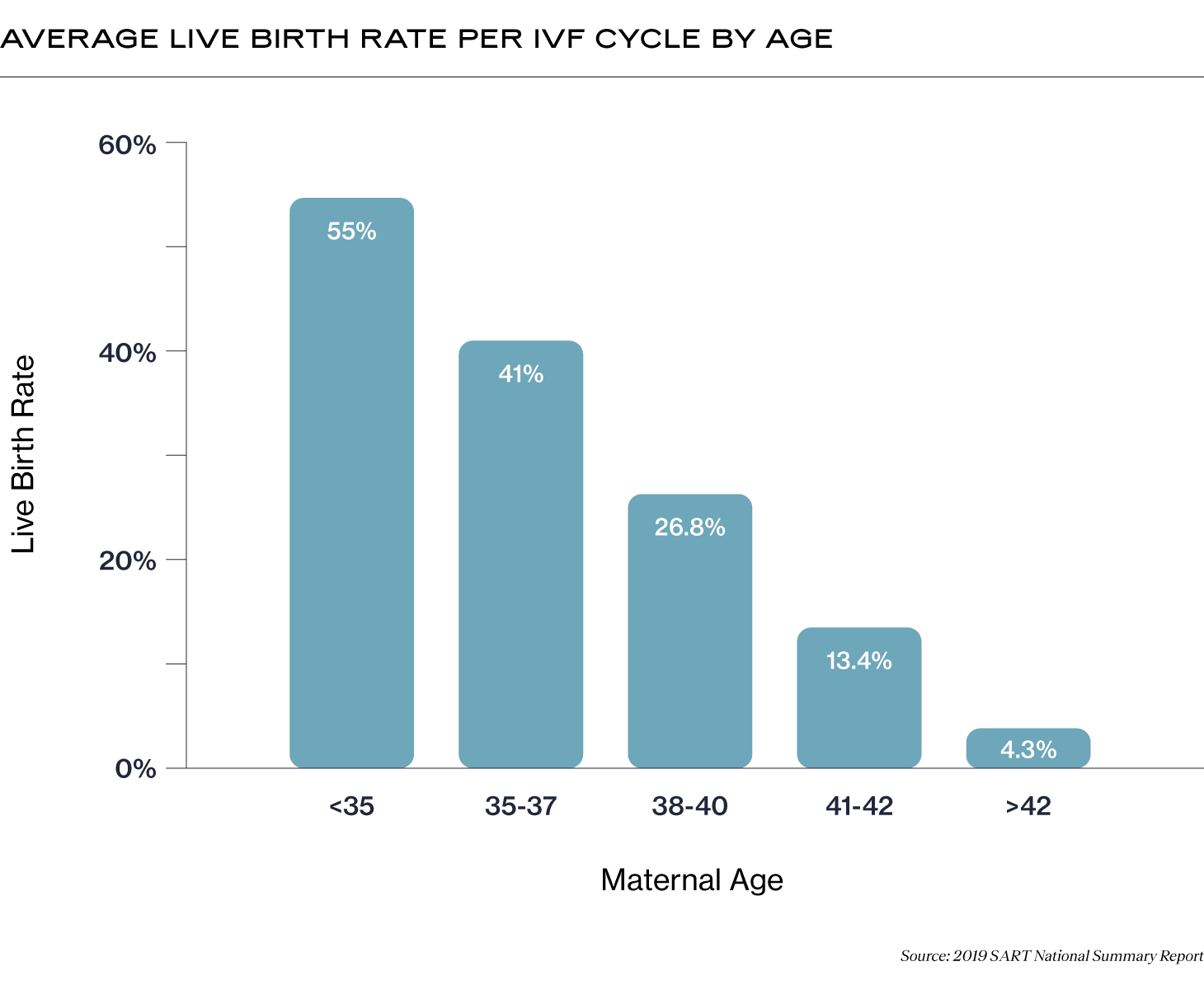
Age remains the single most significant predictor of success for untested 4BB embryos. A 4BB from a 25-year-old patient has a significantly higher chance of being "euploid" (having the correct number of chromosomes) than a 4BB from a 40-year-old patient. By 2026, clinics utilize age-decline curves to help patients decide whether to transfer an untested 4BB or proceed with further cycles.
2. The Impact of Cryopreservation (FET vs. Fresh)
In 2026, Frozen Embryo Transfers (FET) have become the gold standard for 4BB embryos. The vitrification techniques used today result in a 98% survival rate upon warming. FET allows the patient’s hormonal environment to return to a more natural state following the stimulation phase, which often leads to better synchronization between a 4BB embryo and the endometrial lining.
3. AI-Enhanced Morphokinetics
Modern labs in 2026 use AI software (such as LifeView or Chloe) to monitor the embryo's development in real-time. An embryo graded 4BB by a human embryologist might receive a higher or lower "AI score" based on the exact timing of its cell divisions. A 4BB that reached the blastocyst stage at exactly 110 hours post-insemination generally has a higher success rate than one that took 130 hours to reach the same stage.
Comparing 4BB to Other Common Grades
It is common for patients to feel anxious if they do not have "AA" embryos. However, the difference in live birth rates between a 4AA and a 4BB is often statistically smaller than many realize, especially if the embryo is chromosomally normal.
- 4BB vs. 4AA: The 4AA has a slightly higher implantation potential (roughly 8-10% higher). However, once a pregnancy is established, the risk of miscarriage for a euploid 4BB is nearly identical to that of a 4AA.
- 4BB vs. 4BA/4AB: These "mixed" grades usually perform very similarly to 4BB. Some studies suggest that a higher grade in the Trophectoderm (the second letter) is more important for implantation, while others prioritize the Inner Cell Mass (the first letter). In 2026, most clinicians treat AB, BA, and BB as functionally equivalent for the first transfer priority.
- 4BB vs. 5BB: A 5BB is simply a 4BB that has started to hatch out of the zona pellucida. While some believe hatching is a sign of vigor, it also makes the embryo more delicate during the transfer process. Both grades offer excellent success rates.
Procedural Roadmap: Transferring a 4BB Embryo
If you have a 4BB embryo slated for transfer in 2026, the following workflow represents the current standard of care in high-performing fertility centers.
- Endometrial Receptivity Analysis: Before transferring a 4BB, especially if it is the only high-quality embryo available, many clinics utilize ERA (Endometrial Receptivity Array) or similar 2026-standard transcriptomic tests to ensure the "window of implantation" is correctly timed.
- Uterine Environment Optimization: This involves screening for subclinical inflammation (chronic endometritis) or microbiome imbalances. A 4BB embryo requires a healthy "soil" to thrive.
- The Thaw and Observe Phase: On the day of transfer, the embryologist warms the 4BB embryo. In 2026, many labs use a 2-4 hour observation period to ensure the blastocoel re-expands, which is a positive sign of viability.
- Guided Transfer: Using high-resolution ultrasound, the 4BB is placed precisely within the optimal zone of the uterine cavity.
Expert Insight: Why 4BB is Often the "Ideal" Embryo
While 4AA embryos are the "valedictorians," senior embryologists often prefer the 4BB for its balance. Some 4AA embryos can be "over-mature" or more sensitive to the biopsy process required for PGT-A. The 4BB often possesses enough cellular mass to undergo a biopsy safely without losing its structural integrity.
Furthermore, in 2026, we recognize that morphology is a snapshot in time. An embryo that is a 3BB at 8:00 AM can become a 4BB by noon. Therefore, a 4BB grade indicates an embryo that is developing on a healthy, vigorous trajectory.
Frequently Asked Questions (FAQ)
Is a 4BB embryo considered good quality in 2026?
Yes, a 4BB embryo is considered high-quality or "good" and is frequently a first-choice embryo for transfer in modern IVF clinics. It possesses an expanded cavity and sufficient cell counts in both the areas that form the baby and the placenta.
Can a 4BB embryo result in a healthy baby?
Absolutely; 4BB embryos result in thousands of healthy births annually, with live birth rates for genetically normal (euploid) 4BB embryos exceeding 55-60% per transfer. The "B" grade does not indicate any health defects or issues with the future child; it is simply a morphological classification used by the lab.
What is the difference between a 4BB and a 5BB success rate?
The success rates are nearly identical, though a 5BB is slightly more advanced in its developmental stage (hatching). While a 5BB has already begun to emerge from its shell, a 4BB is fully expanded and ready to hatch, with both showing similar implantation potential in 2026 clinical data.
Should I do PGT-A on my 4BB embryos?
In 2026, PGT-A is recommended for most patients over the age of 35, as a 4BB can appear beautiful under a microscope but still be chromosomally abnormal. For patients under 35 with no history of loss, the decision is more nuanced and should be discussed with a reproductive endocrinologist.
Why did my 4BB embryo fail to implant?
Implantation failure can be caused by various factors including uterine receptivity issues, immune responses, or "micro-aneuploidies" that standard 2026 testing might not detect. Even a high-quality 4BB embryo only has a ~65% success rate, meaning about 1 in 3 transfers will not result in pregnancy due to the natural complexities of human reproduction.
Preparing for Your 4BB Transfer
As you move toward your transfer date in 2026, focus on the factors within your control. This includes adhering to your prescribed hormonal protocol (Progesterone and Estrogen), maintaining a nutrient-dense diet, and managing stress levels. While the "4BB" label provides a statistical probability, every embryo has its own unique potential. Trust in the technological advancements of 2026, which have made the grading and selection process more accurate than ever before.